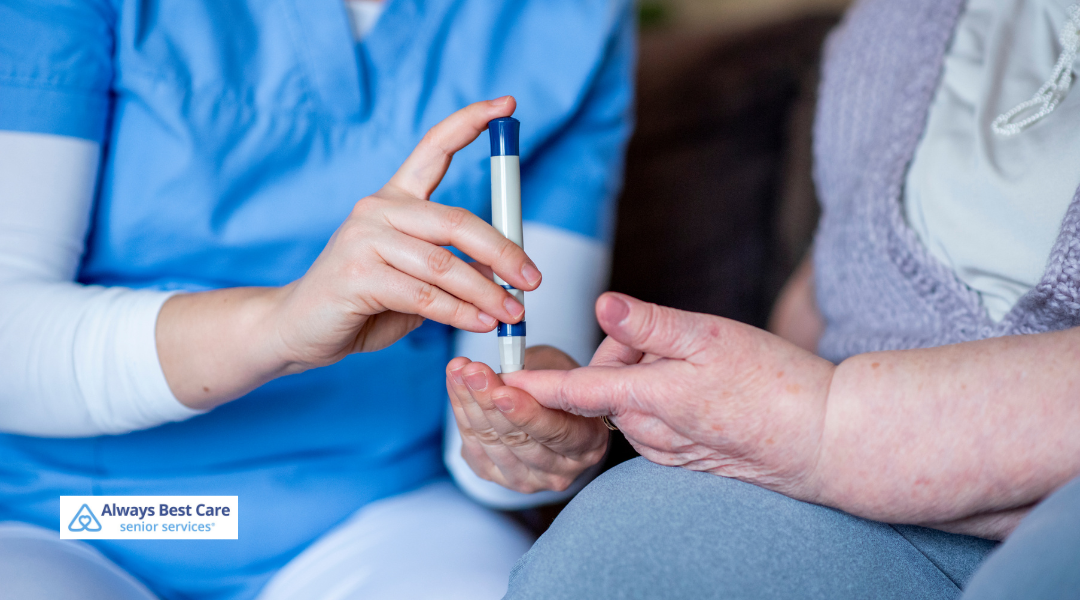

Healthy Habits, Stronger Brains: Stroke Prevention for Seniors in Wake Forest
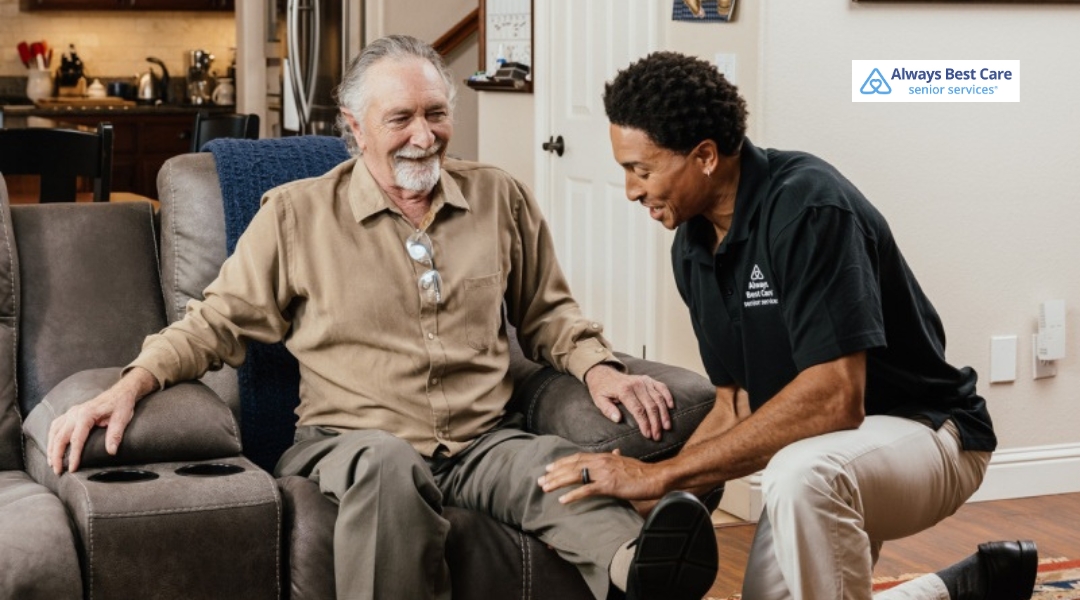
Every 40 seconds, someone in the United States has a stroke. For older adults, the consequences can be severe — affecting mobility, speech, memory, and the ability to live independently. The good news is that up to 80% of strokes are preventable. With the right daily habits and proactive health management, seniors in Wake Forest can significantly lower their risk and maintain a high quality of life.
What you will learn:
- The key risk factors that increase stroke risk in seniors and why awareness matters.
- The most important daily habits—like managing blood pressure, staying active, and eating well—that help protect brain health.
- How managing conditions such as diabetes and high cholesterol supports long-term stroke prevention.
- The valuable role caregiver support plays in helping seniors stay consistent with healthy routines and medical care.
Table of Contents
Why Stroke Risk Rises with Age
Aging naturally changes the cardiovascular system. Blood vessels become less flexible, blood pressure tends to rise, and the heart may work less efficiently. These changes, combined with chronic conditions like diabetes or high cholesterol, create conditions where stroke risk climbs steadily.
Understanding your personal risk factors is the first step toward prevention. The most common contributors include:
- High blood pressure (hypertension)
- Type 2 diabetes
- High cholesterol
- Atrial fibrillation (irregular heartbeat)
- Obesity and physical inactivity
- Smoking or excessive alcohol use
The encouraging reality is that most of these factors are manageable — often through lifestyle changes alone.
Control Blood Pressure: The Single Biggest Factor
High blood pressure is responsible for nearly half of all strokes. When pressure in the arteries remains consistently elevated, it weakens vessel walls and dramatically increases the risk of a rupture or blockage in the brain.
For seniors, keeping blood pressure in a healthy range requires a consistent, multi-layered approach:
- Monitor regularly — Check levels at home and during every medical visit
- Reduce sodium — Aim for less than 1,500 mg per day, a guideline especially relevant for older adults
- Take medications as prescribed — Never skip doses or adjust without consulting a physician
- Stay active — Even moderate exercise lowers blood pressure over time
- Manage stress — Chronic stress contributes to elevated pressure; relaxation techniques can help
Small, consistent actions compound over time. A blood pressure reading that stays in a healthy range is one of the strongest indicators of reduced stroke risk.
Manage Diabetes with Precision
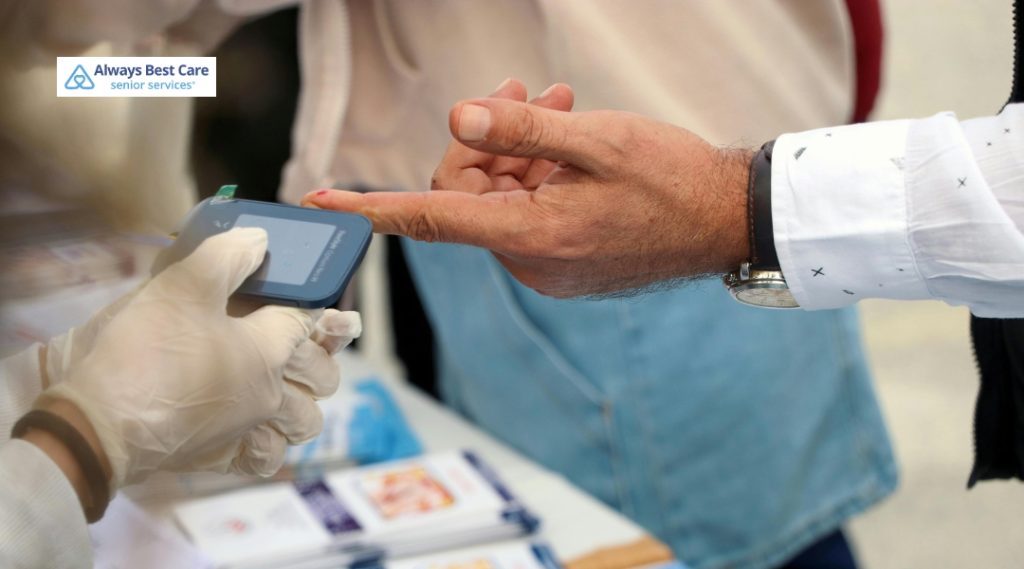
Diabetes doubles the risk of stroke. High blood sugar damages blood vessel walls and promotes the buildup of fatty deposits that can block circulation to the brain.
Effective diabetes management goes beyond just taking medication. Seniors benefit most from:
- Consistent blood sugar monitoring to catch spikes early
- A balanced meal plan that limits refined sugars and processed carbohydrates
- Regular physical activity, which naturally improves insulin sensitivity
- Routine A1C testing to track long-term blood sugar control
Working closely with a primary care physician or endocrinologist ensures that diabetes stays well-managed and stroke risk stays low.
Keep Cholesterol in Check
High LDL cholesterol contributes to plaque buildup inside the arteries — a condition called atherosclerosis. Over time, this narrowing restricts blood flow to the brain and sets the stage for a stroke.
Seniors can support healthy cholesterol levels by:
- Prioritizing heart-healthy foods: leafy greens, berries, oily fish, nuts, and olive oil
- Limiting saturated fats found in red meat, full-fat dairy, and fried foods
- Following prescribed statin or cholesterol-lowering medication plans
- Staying physically active, which raises beneficial HDL cholesterol
Annual cholesterol screenings help track progress and allow physicians to adjust treatment plans as needed.
Move More, Every Day
Physical activity is one of the most powerful stroke prevention tools available — and it doesn’t require a gym membership. Regular movement improves circulation, helps maintain a healthy weight, lowers blood pressure, and reduces inflammation throughout the body.
For seniors, the goal is consistency over intensity. Effective, low-impact options include:
- Daily walks through the neighborhood or local parks
- Chair-based stretching or yoga
- Water aerobics or swimming
- Gardening and light yard work
- Tai chi, which also improves balance and reduces fall risk
Aim for at least 150 minutes of moderate activity per week. Breaking that into 20–30 minute sessions makes it manageable and sustainable.
Eat to Protect Your Brain
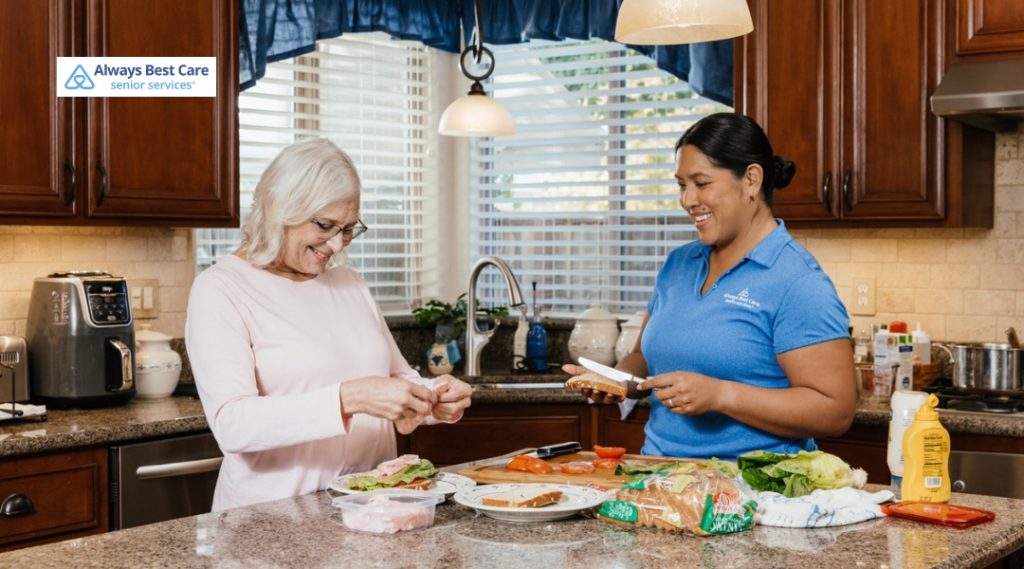
Diet directly influences the health of blood vessels and the brain. A nutrient-dense eating pattern reduces inflammation, supports healthy cholesterol, and helps manage blood pressure and blood sugar simultaneously.
A brain-protective diet for seniors emphasizes:
- Colorful fruits and vegetables at every meal
- Whole grains over refined carbohydrates
- Lean proteins: fish (especially salmon and sardines), poultry, legumes
- Healthy fats: olive oil, avocado, walnuts
- Minimal processed foods, added sugars, and sodium
Staying well-hydrated is equally important. Dehydration can thicken the blood and increase clotting risk — a lesser-known but meaningful stroke risk factor.
The Role of Caregiving Support in Wake Forest
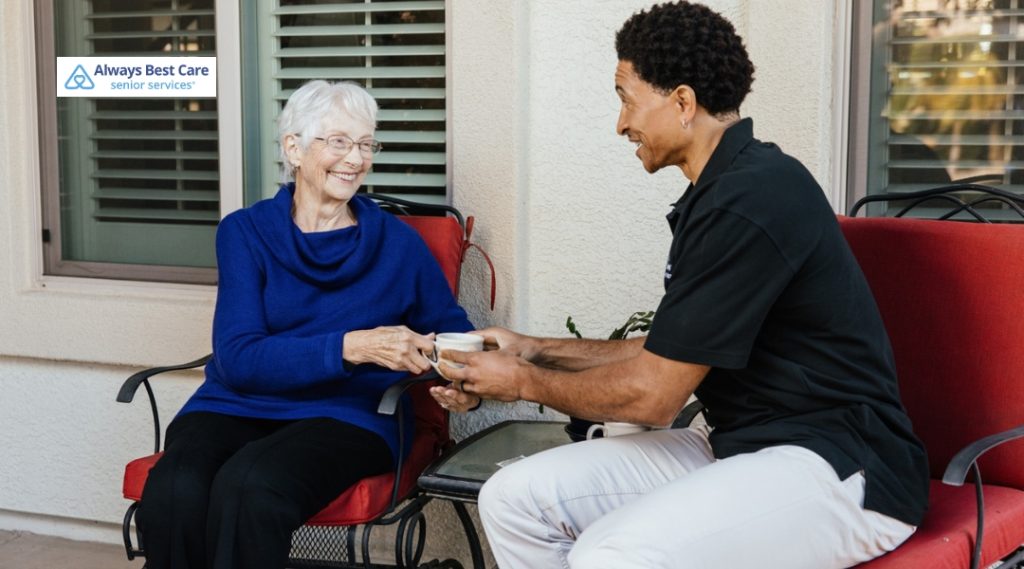
Maintaining these habits consistently is easier said than done, particularly for seniors managing multiple health conditions or living alone. A professional caregiver can bridge the gap between knowing what to do and actually doing it every day.
Caregivers provide meaningful support by:
- Preparing nutritious, balanced meals tailored to dietary needs
- Accompanying seniors on daily walks and encouraging movement
- Tracking medications and ensuring doses are taken on schedule
- Attending medical appointments and communicating health changes to family
- Providing companionship that reduces stress and social isolation, both of which affect cardiovascular health
In Wake Forest, where an active and health-conscious community culture thrives, having the right support at home helps seniors stay engaged, independent, and well.
Frequently Asked Questions
Q: What is the most important thing seniors can do to prevent a stroke?
A: Controlling blood pressure is the single most impactful step. High blood pressure is the leading cause of stroke, and keeping it within a healthy range significantly reduces risk. Regular monitoring, medication adherence, and lifestyle changes all contribute.
Q: At what age does stroke risk increase significantly?
A: Stroke risk increases with age, and the risk roughly doubles every decade after age 55. However, lifestyle factors play a major role — seniors who manage their health proactively can offset much of that age-related risk.
Q: Can diet alone prevent a stroke?
A: Diet is a powerful factor, but stroke prevention works best as a combination of healthy eating, regular exercise, medication management, and routine medical care. No single habit works in isolation.
Q: How can a caregiver help with stroke prevention?
A: Caregivers support stroke prevention by helping seniors maintain consistent routines — preparing healthy meals, encouraging physical activity, managing medications, and monitoring for warning signs. This daily consistency is often what makes the biggest difference.
Q: What are the warning signs of a stroke that seniors should know?
A: Use the acronym FAST: Face drooping, Arm weakness, Speech difficulty, Time to call 911. Acting quickly during a stroke significantly improves outcomes.
Helping Seniors Stay Healthy and Independent in Wake Forest
Stroke prevention is not a single action — it’s a lifestyle built on consistent, informed choices. By managing blood pressure, diabetes, and cholesterol, staying physically active, and eating well, seniors can dramatically reduce their risk and protect their independence for years to come.
At Always Best Care of Wake Forest, our compassionate caregivers help seniors build and maintain the daily routines that support long-term health. From meal preparation and medication reminders to companionship and mobility assistance, we’re here to help your loved one thrive at home.
Call Always Best Care of Wake Forest today at (919) 554-2223 to schedule a care consultation and learn how we can help your loved one stay healthy, active, and independent.
Link to the Markdown File version of this article.