
Breathe Easier in Wake Forest: Simple Ways Seniors Can Manage COPD and Stay Comfortable at Home
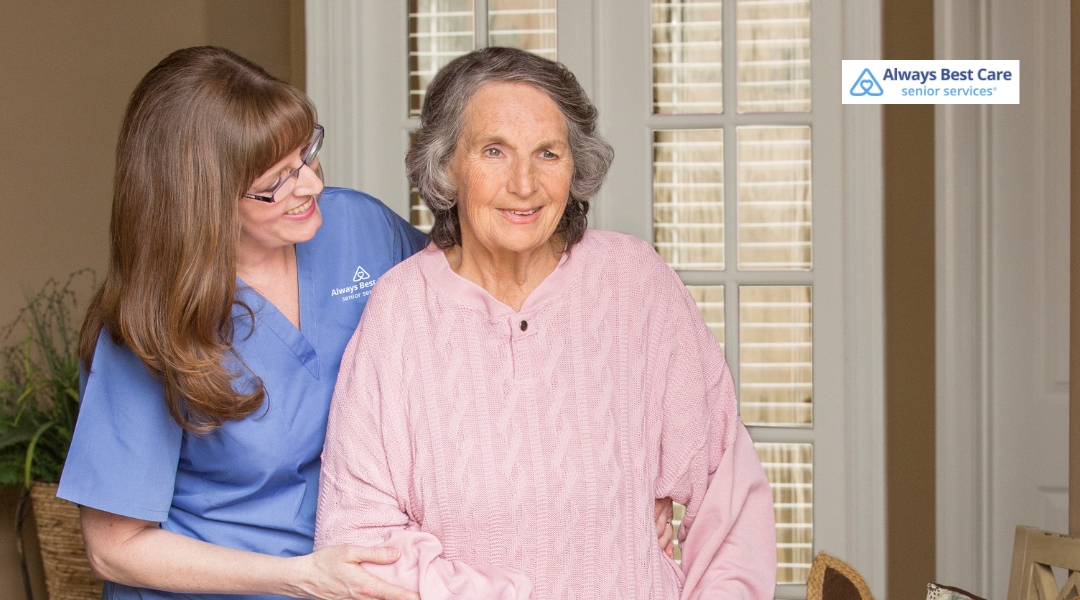
Chronic Obstructive Pulmonary Disease (COPD) is one of the most common long-term health conditions affecting older adults. For seniors in Wake Forest, managing COPD at home is not only possible — it can be done well. With the right daily habits, a supportive environment, and professional care, seniors can breathe easier and maintain a fulfilling quality of life.
This guide walks families and caregivers through practical strategies for managing COPD at home, along with clear answers to the questions families ask most.
What you will learn:
- Understanding COPD Essentials: Discover what COPD is and how to recognize its common symptoms in daily life.
- Effective Home Management: Explore practical ways to create a comfortable environment through air quality, nutrition, and hydration.
- Supportive Daily Routines: Learn about the benefits of gentle movement, specialized breathing techniques, and consistent medication habits.
- Professional Care Options: Find out how personalized in-home support can help seniors maintain their independence and safety.
Table of Contents
Understanding COPD: More Than Just Breathlessness
COPD is an umbrella term for progressive lung diseases — primarily chronic bronchitis and emphysema — that restrict airflow and make breathing increasingly difficult. What makes COPD particularly challenging for seniors is that its symptoms often develop slowly, making them easy to dismiss as “just getting older.”
Key symptoms to recognize:
- Persistent cough or wheezing
- Shortness of breath during routine activities
- Chest tightness
- Recurring respiratory infections
- Unexplained fatigue
What makes COPD particularly challenging is that symptoms often develop gradually, making them easy to dismiss as normal aging. Early diagnosis and consistent management are essential to slowing progression and protecting quality of life.
Creating a COPD-Friendly Home Environment
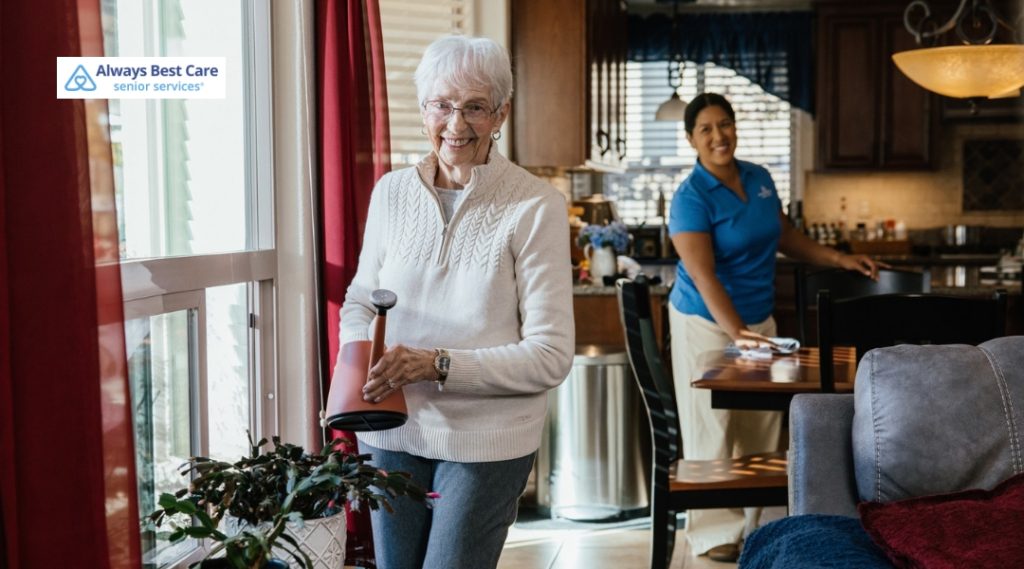
Where a senior lives and how that space is maintained plays a direct role in how well they breathe day to day. A few intentional changes can significantly reduce flare-ups and improve comfort.
Prioritize indoor air quality. Dust, pet dander, mold, and strong chemical fragrances are common triggers. Use HEPA air purifiers, replace HVAC filters regularly, and opt for fragrance-free cleaning products. Ensure rooms are well-ventilated, especially during cooking.
Eliminate smoke exposure. Secondhand smoke is one of the most harmful irritants for someone with COPD. This includes cigarette smoke, candles, and wood-burning fireplaces.
Organize for energy conservation. Fatigue is a real challenge with COPD. Arrange commonly used items within easy reach to minimize unnecessary exertion. Consider a shower chair, grab bars, and other assistive tools that reduce physical strain.
Daily Habits That Make a Real Difference
Managing COPD is largely about consistency. Small, daily actions compound over time and can meaningfully slow symptom progression.
Stick to Medication Routines
Inhalers, bronchodilators, and supplemental oxygen therapy are often central to a COPD management plan. Missing doses — even occasionally — can lead to setbacks. Caregivers play a valuable role here by providing reminders and helping seniors use equipment correctly.
Move Gently, Move Regularly
It may seem counterintuitive, but regular physical activity strengthens the respiratory muscles and improves overall endurance. Seniors should aim for light, consistent movement:
- Short, flat-surface walks
- Chair-based stretching
- Breathing exercises prescribed by a pulmonologist or physical therapist
Always work within the limits set by a healthcare provider, and never push through significant breathlessness.
Master Breathing Techniques
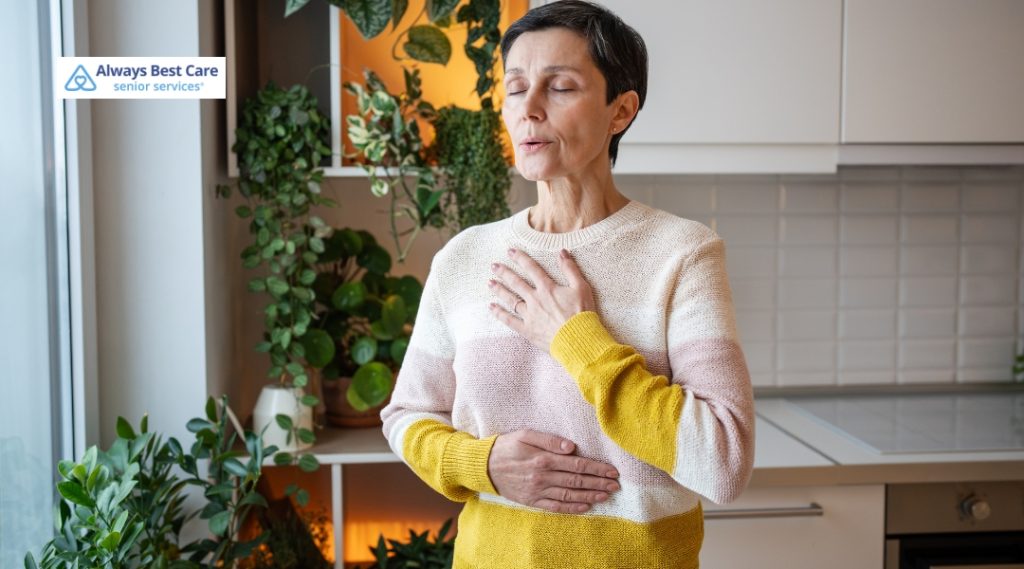
Two techniques are especially effective for COPD management:
- Pursed-lip breathing: Inhale slowly through the nose, then exhale through pursed lips for twice as long. This slows breathing and keeps airways open longer.
- Diaphragmatic breathing: Focuses on engaging the diaphragm rather than the chest to improve oxygen efficiency.
Practicing these techniques daily — not just during flare-ups — builds the muscle memory needed to use them effectively when it counts.
Eat and Hydrate Strategically
Nutrition directly impacts respiratory health. A diet rich in fruits, vegetables, lean proteins, and whole grains supports lung function and immune resilience. Staying well-hydrated helps thin mucus secretions, making it easier to clear the airways.
Smaller, more frequent meals are often better tolerated than large ones, as a full stomach can press against the diaphragm and make breathing more difficult.
Recognizing Warning Signs Early
COPD symptoms fluctuate. Knowing when a change signals a flare-up — rather than a normal bad day — can prevent a trip to the emergency room.
Contact a healthcare provider promptly if you notice:
- A noticeable increase in breathlessness
- Mucus that changes in color, thickness, or volume
- Fever or chills
- Increased confusion or unusual fatigue
- Inability to complete activities that were manageable before
Having an action plan in place — developed with the senior’s physician — gives families a clear roadmap for responding quickly and appropriately.

How Always Best Care of Wake Forest Supports Seniors with COPD
Professional in-home care can be a game-changer for seniors managing COPD. Always Best Care of Wake Forest provides personalized in-home care support, compassionate support that helps seniors stay safe, comfortable, and independent at home.
Our caregivers can help with:
- Medication reminders and monitoring for symptom changes
- Light housekeeping to maintain a clean, low-irritant environment
- Meal preparation focused on nutrition and easy digestion
- Encouraging and safely supporting physical activity
- Companionship to reduce the stress and anxiety that can worsen breathlessness
- Transportation to pulmonology appointments and follow-up visits
For seniors with more complex needs, our home health services connect families with skilled nursing professionals who can coordinate directly with physicians.
Take the Next Step Toward Better Breathing
Living with COPD is a daily commitment — but it doesn’t have to be a daily struggle. With the right habits, a supportive home, and compassionate professional care, seniors in Wake Forest can manage their symptoms and continue living life on their own terms.
Always Best Care of Wake Forest is here to help. Call us today at (919) 554-2223 to schedule a care consultation and learn how our team can support your loved one’s respiratory health and comfort at home.
Frequently Asked Questions About COPD Care at Home
Q: Can seniors with COPD live independently at home?
A: Yes, many seniors with COPD live at home successfully with the right support in place. The key factors are consistent medication management, a safe home environment, and access to caregiving assistance when needed.
Q: What triggers COPD flare-ups at home?
A: Common triggers include smoke, dust, strong odors, cold or dry air, respiratory infections, and physical overexertion. Identifying and minimizing personal triggers is an important part of any COPD management plan.
Q: How can family members help without overstepping?
A: Focus on practical support — medication reminders, accompanying seniors to appointments, and helping maintain a clean home. Encourage independence where it’s safe, and involve the senior in decisions about their own care.
Q: Is exercise safe for seniors with COPD?
A: Yes, when done appropriately. Light activity tailored to the individual’s current lung function can actually improve endurance and reduce breathlessness over time. Always consult a healthcare provider before starting or changing an exercise routine.
Q: When should families consider professional in-home care?
A: If a senior is struggling to manage medications, experiencing frequent flare-ups, showing signs of depression or isolation, or having difficulty with daily tasks and companionship needs, it may be time to explore in-home care options.
Link to the Markdown File version of this article.