
Senior scams aren’t just annoying phone calls or pesky emails anymore—they’re smooth, sneaky, and heartbreakingly effective. In Wake Forest, many older adults get targeted because scammers see them as easy prey: kind-hearted, financially secure, and sometimes less familiar with fast-changing technology.
The upside? Once we shine a light on how these scams work, they lose a lot of their power. By understanding the warning signs and talking openly about them, we can help shield the seniors we love from financial loss and emotional harm.
What you will learn:
- Why our precious older adults are so frequently targeted, and the most common sneaky tricks scammers are using in Wake Forest.
- The telltale red flags and warning signs that will help you spot a scam before it causes any harm.
- Heartwarming, proactive ways your family and dedicated in-home caregivers can team up to build a wonderful protective shield around your cherished relatives.
- Gentle, clear action steps to take with love and confidence if you ever suspect a scammer has contacted your sweet family member.

Table of Contents
Why Are Seniors So Often Targeted by Scammers?
Scammers are crafty, not clueless. They zero in on older adults because many:
- Tend to be polite or trusting when strangers call or show up out of the blue
- Have savings, retirement income, or home equity that criminals want to tap into
- Live alone or feel isolated, making them more likely to engage in conversation
- Aren’t as comfortable with digital tools, apps, and online security tricks
Put those pieces together, and it’s easier for a scammer to build fake trust, twist the story, and push for money or personal information.
Common Senior Scams in Wake Forest
The tactics change, but the goal’s always the same: get money, account numbers, or access. Here are some of the most common scams affecting older adults in our community.
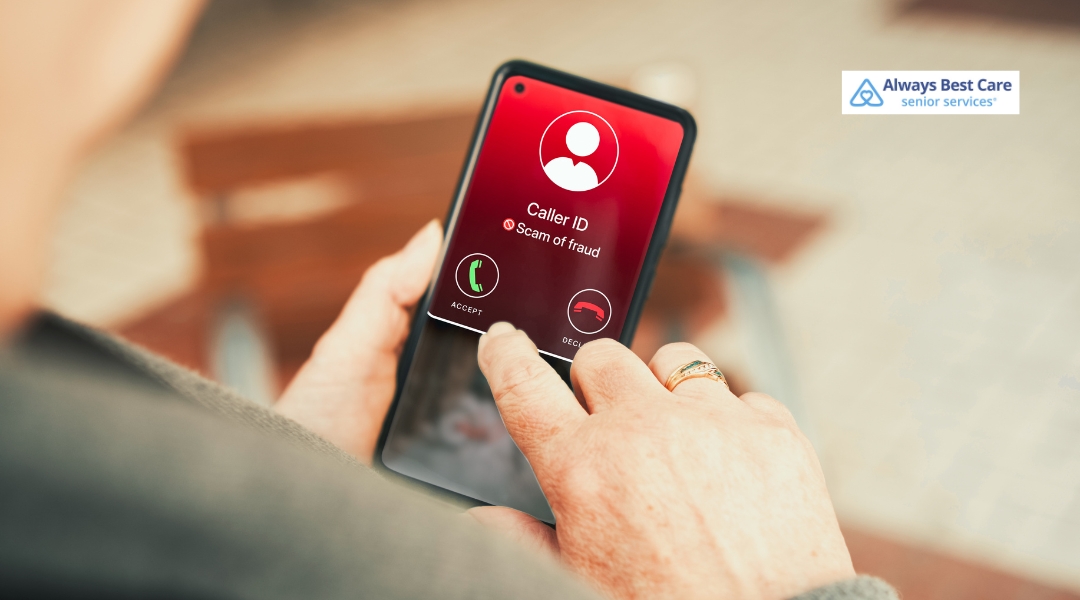
Phone Scams
Scammers may call and pretend to be:
- Government agencies (IRS, Social Security, Medicare)
- Utility companies threatening shutoff
- Banks or credit card companies
- A grandchild or relative in trouble
They usually:
- Create urgency (“Pay now or else…”)
- Ask for personal details or payment on the spot
- Demand secrecy (“Don’t tell anyone yet.”)
Email, Text, and Phishing Scams
These messages can look shockingly real. They may appear to be from:
- Banks or credit unions
- Health providers or insurance plans
- Well-known companies or delivery services
Red flags include:
- Links that lead to fake login pages
- Attachments that install harmful software
- Requests to “verify” passwords, Social Security numbers, or account details
Sweepstakes and Lottery Scams
Sounds great: “You’ve won big!” But here’s the catch—they insist your loved one must:
- Pay “fees,” “processing costs,” or “taxes” upfront
- Keep the “win” secret until it’s officially announced
If you have to pay to get a prize, it’s not a prize. It’s a scam.
Romance Scams
Online companionship can be wonderful—but it can also be weaponized. Scammers create fake profiles, build emotional connections, then slowly start asking for:
- Money for “emergencies.”
- Help with “travel” or “medical bills.”
- Gift cards or wire transfers
Over time, the emotional bond makes it harder for a senior to say no.
Tech Support Scams
Here’s a classic trick:
- A pop-up appears saying the computer is infected
- A caller claims to be “tech support” from a well-known company
They then:
- Ask for remote access to the computer
- Charge for useless “repairs.”
- Install programs that steal passwords or bank information
Warning Signs of Senior Scams
Scams often follow similar patterns, even if the story changes. Watch for:
- Pressure for immediate action: “You must act now,” “Offer expires today,” “This is your last chance.”
- Demands for unusual payment methods: Gift cards, wire transfers, prepaid cards, or cryptocurrency.
- Unsolicited requests for personal details: Social Security number, bank account info, PINs, or online passwords.
- Fear-based messages: Threats of arrest, loss of benefits, or legal trouble.
- Secrecy: The scammer asks your loved one not to tell family members or friends.
If something feels off, it probably is. Pausing to double-check—calling a known number, asking a trusted person, or contacting the company directly—can stop a scam in its tracks.

How Families in Wake Forest Can Help Protect Loved Ones
We don’t have to stand on the sidelines. Families can play a big role in scam prevention by:
- Talking openly about scams and how they work, without judgment
- Encouraging “pause and verify” before sending money or sharing information
- Reviewing bank and credit card statements for unusual charges
- Setting up call blocking, voicemail screening, or spam filters
- Creating a simple “check-in rule”: your loved one agrees to call a trusted family member before making large payments or responding to suspicious messages
The goal isn’t to take over—it’s to work as a team so your loved one feels supported, not scolded.
The Role of In-Home Care in Scam Prevention
Daily support can be a game-changer. Having a consistent, trusted caregiver around adds another layer of protection.
We at Always Best Care of Wake Forest can:
- Help screen calls and visitors, gently steering suspicious contacts away
- Notice changes in mood or money concerns that might signal something’s wrong
- Provide companionship, which reduces loneliness—a common target for scammers
- Encourage honest conversations between seniors and their families
By staying connected and observant, we can spot red flags early and speak up before damage is done.
What to Do If You Suspect a Scam
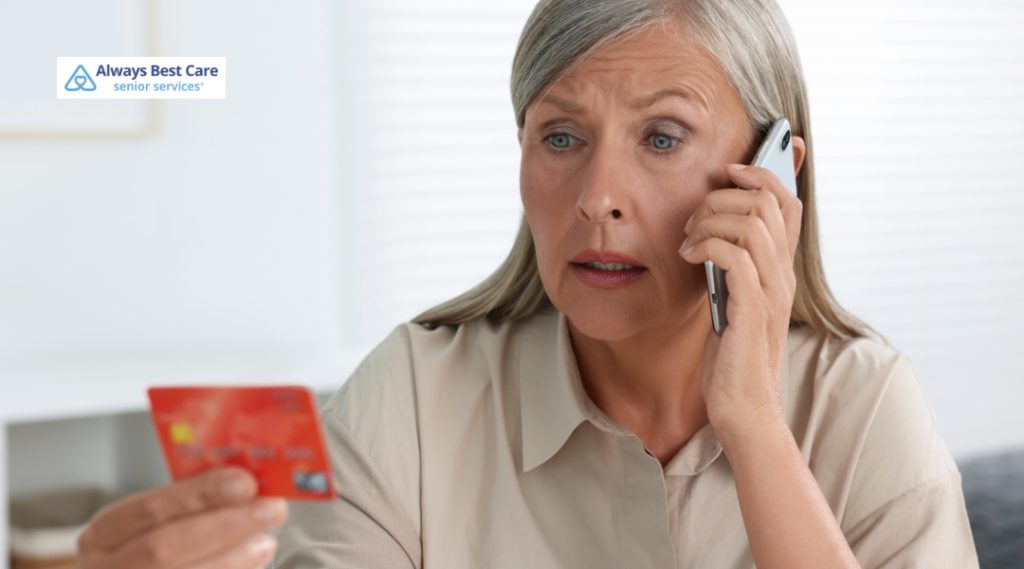
Think a scam may have already hit close to home? Don’t panic—but don’t wait, either. Quick action matters.
- Contact the bank or credit card company right away.
Ask them to freeze or flag the account, reverse charges if possible, and watch for more suspicious activity. - Report the scam to local authorities or adult protective services.
This can help protect others and sometimes support investigations. - Change passwords and security questions.
Especially for email, banking, and any accounts linked to money or personal data. - Keep a calm, supportive tone.
Many seniors feel embarrassed or ashamed. Reassure them that scammers are experts at tricking people of all ages—and that you’re on their side.
How Always Best Care of Wake Forest Helps Keep Seniors Safer
At Always Best Care of Wake Forest, we’re not just helping with daily tasks—we’re watching out for the little things that might signal trouble. We:
- Stay alert to odd phone calls, surprise visitors, or sudden “urgent” requests for money
- Encourage seniors to talk with family and with us about anything that feels strange
- Support safe routines around mail, email, devices, and door-to-door contacts
We want seniors to feel confident living at home, without constantly looking over their shoulder.
FAQs About Senior Scams in Wake Forest
Q: How can I talk to my loved one about senior scams without scaring or insulting them?
A: Focus on teamwork. You might say, “Scammers are getting smarter, and they’re targeting a lot of people in Wake Forest. Can we watch out for each other?” Keep the tone light but serious, and share real examples instead of lectures.
Q: Are most senior scams happening online now?
A: Not only online. While email and text scams are common, phone scams and even door-to-door scams still cause a lot of damage. It’s wise to be cautious across all forms of contact.
Q: What’s the safest way for my loved one to handle unexpected calls asking for money?
A: A simple rule works well: if someone calls asking for money or personal information, hang up, find the official number on a statement or card, and call back. No exceptions.
Q: Can in-home care really help prevent scams?
A: Yes. Regular caregivers can notice patterns—like frequent strange calls, new “friends,” or sudden financial worry—and gently raise concerns with the family. We at Always Best Care of Wake Forest do exactly that.
Q: My loved one has already lost money. Is it worth reporting now?
A: Absolutely. Reporting may help recover some funds in certain cases and can also help authorities spot patterns and protect others in the community.

Help Protect Your Loved One Today
Senior scams may be getting smarter, but so are we. By staying informed, watching for warning signs, and keeping the lines of communication wide open, families in Wake Forest can cut scammers off before they do serious damage.
We at Always Best Care of Wake Forest are here to walk alongside you—offering support, companionship, and an extra set of eyes and ears to help protect your loved one’s safety, dignity, and independence at home.
Call Always Best Care of Wake Forest at (919)504-5523 to schedule a care consultation and learn how we can support your family with safe, respectful, and reliable in-home care.
Link to the Markdown File version of this article.