Create a Safer Home for Seniors This Summer in Wake Forest
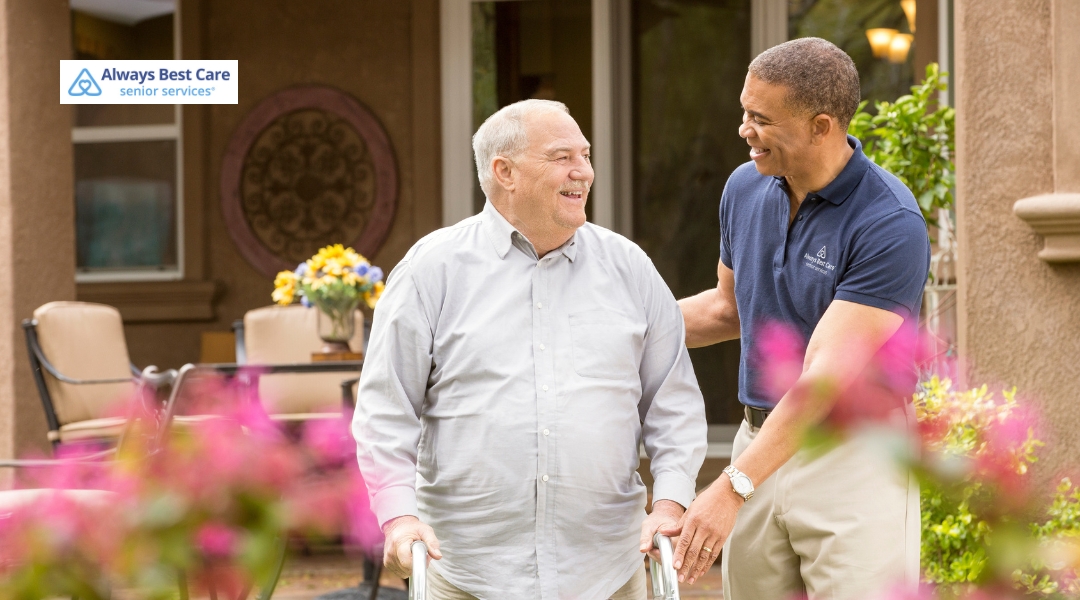
Summer in Wake Forest can be downright beautiful—longer days, bright sunshine, and more chances to laugh with family and friends. But as the temperature climbs, so do the risks for older adults whose bodies don’t handle heat quite as well as they used to.
That’s where a little planning comes in. By preparing the home before the heat really hits, we can help seniors stay safe, comfortable, and independent all season long. Small changes go a long way toward avoiding heat-related issues, falls, and other warm-weather mishaps.
What you will learn:
- How to prepare a senior’s home to stay safe, cool, and comfortable during the summer months.
- Simple ways to help older adults stay hydrated, prevent falls, and manage heat-related health risks.
- Why emergency planning, medication safety, and outdoor home maintenance are important during warm weather.
- How in-home care can provide extra support to help seniors remain safe, healthy, and independent throughout the summer.

Table of Contents
Keep Indoor Temperatures Comfortable
Why a Cool Home Matters
As bodies age, they don’t regulate temperature as efficiently, so high indoor heat isn’t just uncomfortable—it can be dangerous. A few simple checks around the house can make summer much easier to handle.
Consider taking these steps before the hottest days arrive:
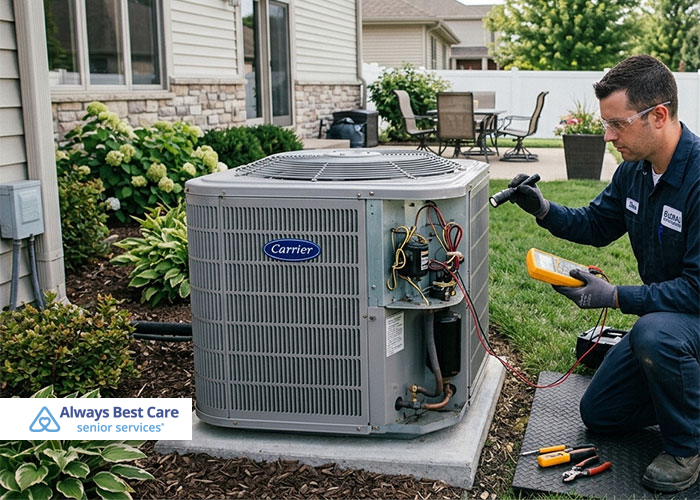
- Have the air conditioning inspected and serviced
- Replace HVAC filters to improve airflow
- Test ceiling fans and portable fans to make sure they’re working
- Close blinds or curtains during the hottest hours to block out heat
If a senior doesn’t have air conditioning, it’s wise to identify nearby cooling centers, libraries, or community spaces in Wake Forest where they can spend time during extreme heat. A short trip to a cooler spot can make a big difference on sweltering afternoons.
Create a Hydration Routine in Wake Forest
Making Water a Daily Habit
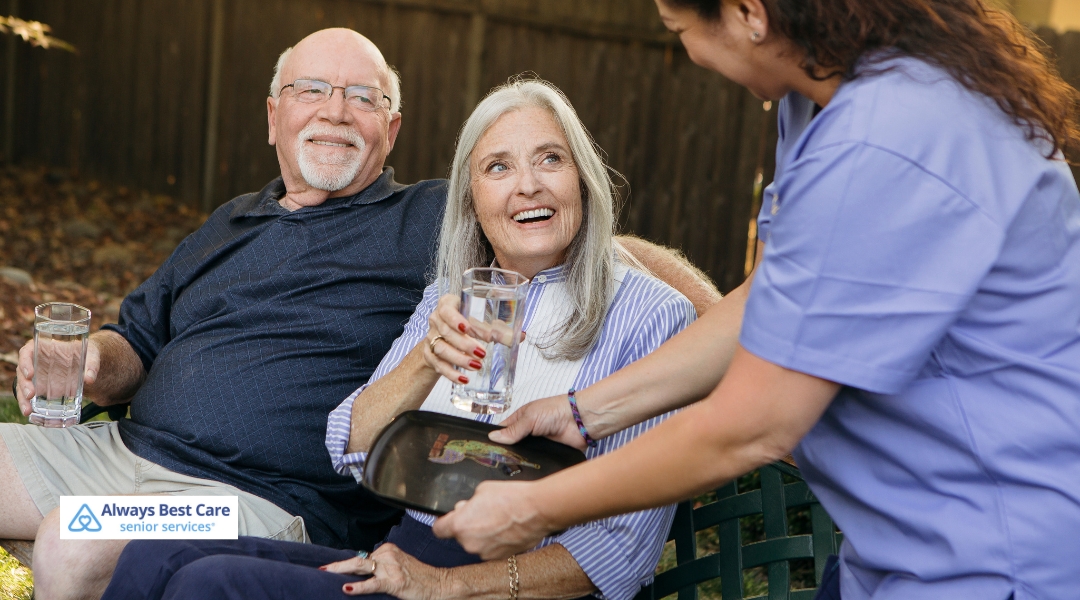
Dehydration quietly sneaks up on many older adults. Some people don’t feel thirsty even when their bodies crave fluids, and certain medications can increase the risk of dehydration.
To keep hydration front and center, try:
- Keeping water within easy reach in every main room
- Using reusable water bottles as regular reminders to take a sip
- Offering hydrating foods like watermelon, cucumbers, berries, and oranges
- Limiting excess caffeine and sugary drinks
By making hydration part of the daily rhythm, we reduce the likelihood of dizziness, fatigue, and heat-related illness. It’s a simple routine that pays off in a big way.

Check Outdoor Spaces for Hazards
Turning the Yard into a Safe Summer Spot
Summer often draws seniors outdoors—to garden, sit on the patio, or enjoy a short walk. Before those activities become daily rituals, it helps to give outdoor areas a safety once-over.
Look around and:
- Repair uneven walkways or loose pavers
- Remove hoses, tools, or other tripping hazards
- Confirm handrails are sturdy and secure
- Trim back overgrown plants blocking pathways
- Check that outdoor lighting works properly
A safer outdoor setup makes it easier for seniors to enjoy fresh air and gentle movement without worrying about falls every time they step outside.
Prepare for Summer Storms and Power Outages in Wake Forest
Having a Plan Before the Sky Turns Dark
In Wake Forest, summer may bring thunderstorms, strong winds, or unexpected power outages. Planning keeps everyone calmer when the weather turns nasty.
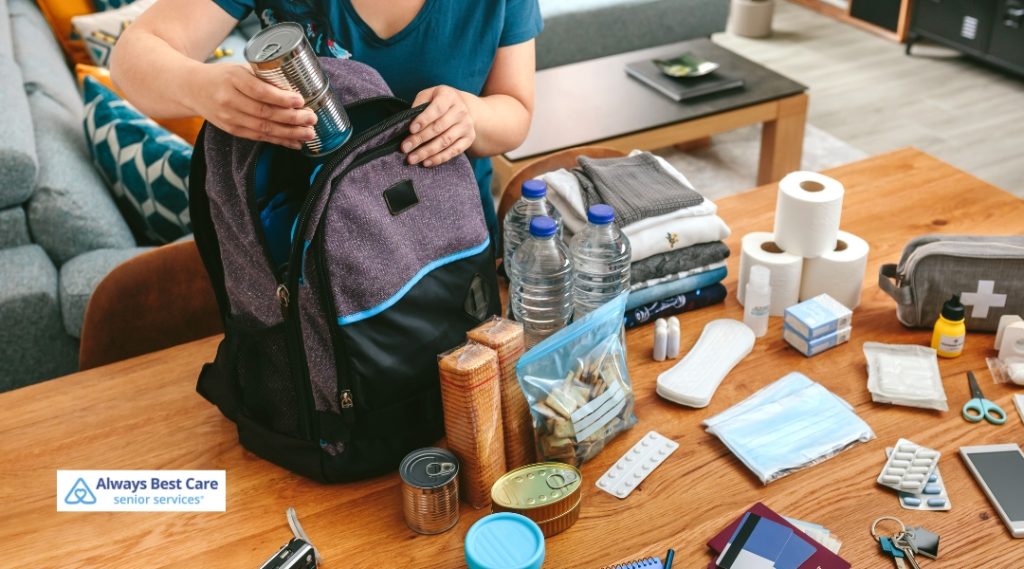
An emergency kit can include:
- Bottled water
- Nonperishable food
- Flashlights and extra batteries
- Necessary medications
- A printed list of emergency contacts
- Backup charging options for phones or medical devices
It also helps families to talk through a simple communication plan so everyone knows how to check in and where to go if the power goes out or a storm causes damage.
Review Medication Storage and Side Effects
Keeping Medications Safe in the Heat
Summer heat can affect both how medications work and how they’re stored. Some prescriptions increase sensitivity to heat, and others can lose effectiveness if they get too warm.
To stay on top of things:
- Follow storage instructions on the medication label
- Keep medicines away from direct sunlight and hot spots in the home
- Ask a healthcare provider about any heat-related side effects
Understanding how medications interact with hot weather helps prevent complications that might otherwise go unnoticed.
Reduce Fall Risks Indoors
Avoiding Slips After Outdoor Fun
Summer activities can track water and dirt back inside, turning entryways and floors into slip zones. A few thoughtful changes make the home safer for everyday movement.
Helpful steps include:
- Placing non-slip mats near doors
- Keeping walkways clear of clutter
- Making sure rooms and hallways are well lit
- Choosing supportive footwear indoors and outdoors
By reducing fall risks, we support confidence with every step seniors take around the house.
How Always Best Care of Wake Forest Can Help
Partnering with Families for a Safer Summer
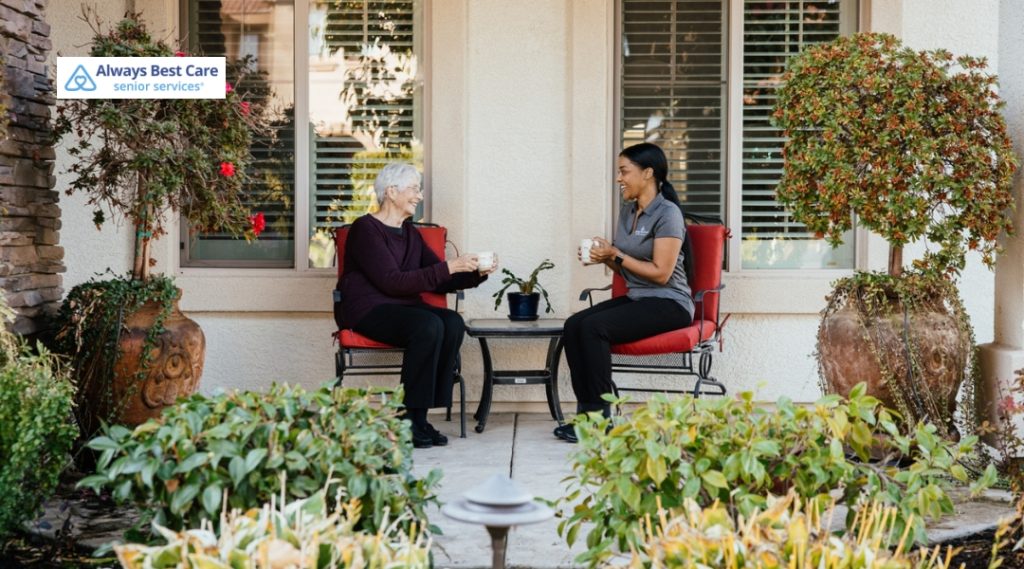
Getting ready for summer can feel like a lot to handle, especially for seniors living alone or families juggling work, kids, and caregiving. That’s where we at Always Best Care of Wake Forest come in.
Our caregivers provide practical, everyday support to help older adults stay safe and comfortable throughout the season. We can help with:
- Light housekeeping and basic home safety checks
- Meal preparation and hydration reminders
- Transportation to appointments, errands, and cool local spots
- Medication reminders
- Companionship and general wellness monitoring
By offering personalized care, we help seniors enjoy the summer months while maintaining their independence at home. We work side-by-side with families to ease worry and boost peace of mind.
FAQ: Summer Safety Tips in Wake Forest
Q: How early should we start preparing the home for summer in Wake Forest?
A: It’s best to start before temperatures consistently rise—late spring or early summer is ideal so air conditioning, fans, and safety measures are ready for the first heat wave.
Q: What are the most important senior safety tips in Wake Forest during hot weather?
A: Keeping indoor temperatures comfortable, encouraging regular hydration, checking outdoor areas for hazards, planning for storms and power outages, and reviewing medication storage are key steps for a safer summer.
Q: How can we tell if a senior is getting too hot?
A: Watch for signs like dizziness, confusion, headache, extreme fatigue, or nausea. If any of these show up, move to a cooler place, offer water, and contact a healthcare provider if symptoms don’t improve.
Q: Can Always Best Care of Wake Forest help with summer safety planning?
A: Yes, we work closely with families to create a safe, cool environment. We help with home safety checks, hydration reminders, meal preparation, transportation, and companionship tailored to each senior’s needs.

Support Your Senior’s Safety This Summer
A safe summer doesn’t require big, complicated changes—just thoughtful preparation and consistent habits. By keeping the home cool, encouraging hydration, clearing hazards, planning for storms, and paying attention to medications, seniors in Wake Forest can enjoy the season with more comfort and confidence.
If your loved one could use extra support at home this summer, we at Always Best Care of Wake Forest are ready to help. Call us at (919)504-5523 to schedule a care consultation and learn how our compassionate caregivers can support your family in creating a safe, healthy, and enjoyable summer experience.
Link to the Markdown File version of this article.