

When Seniors Lose Interest in Food: A Wake Forest Care Guide

As loved ones get older, we often notice subtle shifts that catch us off guard—skipped breakfasts, half-finished dinners, or a senior who once loved cooking now shrugging at the sight of food. Appetite doesn’t just fade overnight, but when it does decline and stays that way, it can quietly chip away at health, strength, and independence.
Eating well in later years isn’t about gourmet recipes or strict diet rules. It’s about helping seniors feel safe, comfortable, and interested in food again. When appetite declines, families in Wake Forest can take practical, heart-centered steps to keep meals nourishing and enjoyable—and we’re right here to help.
What you will learn:
- Why does appetite loss happen in seniors, and what are the common physical, emotional, and medical factors behind it?
- The health risks associated with poor nutrition and why early attention is important.
- Simple, practical ways to make meals more appealing and encourage consistent eating habits.
- How social connection, medical support, and caregiver assistance can improve senior nutrition and overall well-being.

Table of Contents
Why Appetite Declines: What’s Really Going On?
Common Reasons Seniors Eat Less
As people age, the body and senses change, and food can start to feel different than it used to. A senior who once loved a big Sunday lunch may suddenly prefer a few bites of soup and a slice of toast. Some of the most common reasons include:
- Changes in taste and smell
- Slower digestion
- Lower activity levels and less energy
- Side effects from medications
- Dental pain or poorly fitting dentures
- Difficulty chewing or swallowing
- Ongoing health conditions
- Depression, anxiety, or loneliness
- Memory loss or cognitive changes
Those reasons often overlap, which means a simple “I’m just not hungry” can have several causes hiding underneath. That’s why families should keep an eye on patterns and share any concerns with a healthcare provider if appetite keeps dropping.
The Hidden Risks of Poor Nutrition
At first, a smaller portion or a skipped meal can look harmless—maybe just a bad day. But over time, eating too little can turn into something more serious. When the body isn’t getting enough nutrients, seniors can face problems such as:
- Unintended weight loss
- Muscle weakness and less stability
- Higher risk of falls
- Constant fatigue or low energy
- Slower healing after illness or injury
- Weakened immune system
Even mild nutritional gaps can make everyday tasks—like walking, bathing, or climbing stairs—feel harder than they should. That’s why paying attention when appetite declines is so important for long-term independence.

Making Meals More Appealing Again
Simple Changes That Make a Big Difference
The good news? We don’t always need major overhauls to help seniors eat better. Sometimes, it’s the small touches that bring food back into focus.
Try:
- Boosting flavor with herbs, spices, lemon, or garlic instead of extra salt
- Adding color and texture—bright vegetables, soft grains, crunchy toppings
- Serving familiar favorites that bring comfort and good memories
- Offering smaller portions more often, rather than big, overwhelming plates
- Choosing nutrient-dense foods so every bite counts
Many seniors feel more comfortable with several light meals and snacks throughout the day instead of three large, traditional meals. It’s less intimidating and often easier on digestion.
Mealtime as a Social Moment in Wake Forest
Eating alone can make food feel like a chore. In quiet kitchens, it’s easy to skip a meal or nibble on something minimal. Mealtime, however, can turn into a bright spot in the day when it includes conversation and company.
In Wake Forest, families and caregivers can:
- Sit down together for lunch or supper, even if it’s just once a day
- Share an afternoon cup of tea or coffee and a small snack
- Plan simple “mini gatherings” around a favorite dish or dessert
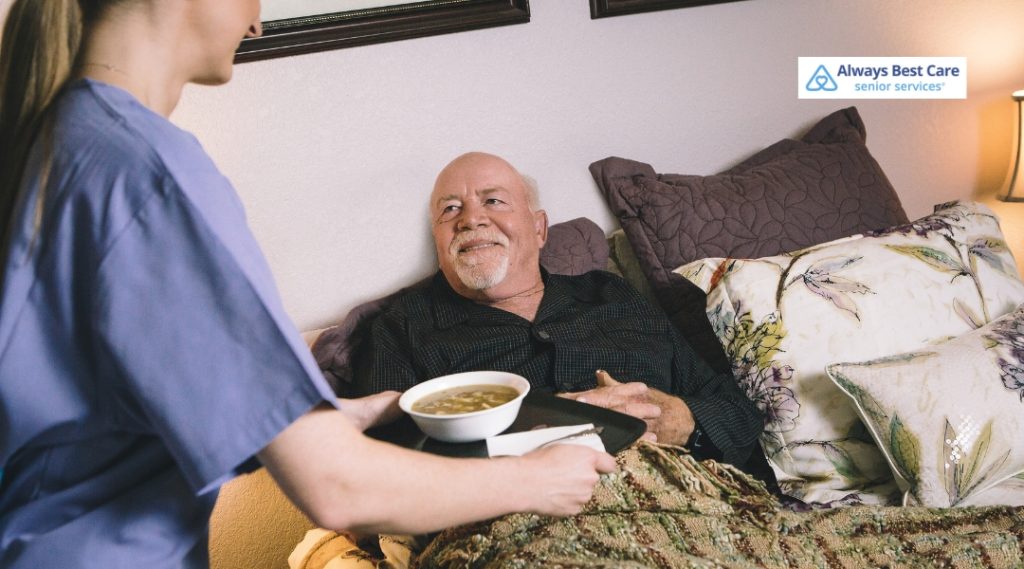
When someone feels connected and heard, they’re more likely to linger at the table and eat a bit more. We see this often—companionship can be just as important as the food itself.
When Appetite Declines: Signs You Shouldn’t Ignore
A short stretch of low appetite can happen after a cold or stressful event. But some changes call for closer attention. Families should reach out to a healthcare provider if they notice:
- Noticeable or rapid weight loss
- Ongoing difficulty chewing or swallowing
- Change in mood, increased sadness, or withdrawal
- Frequent nausea or digestive discomfort
- Greater confusion or forgetfulness
These signs may point to medication issues, dental problems, or health conditions that are directly affecting appetite. Early support can prevent small issues from becoming big ones.
Focus on Nutrient-Rich Foods
When appetite declines, every bite matters more. It’s helpful to lean into foods that deliver a lot of nutrition in small portions, such as:
- Eggs and Greek yogurt
- Lean meats and fish
- Beans and lentils
- Nut butters
- Fresh fruits and vegetables
- Whole grains
Protein deserves special attention—it helps maintain muscle, strength, and mobility. Pairing protein with soft, easy-to-chew foods and mild seasonings can make meals less daunting for seniors who are hesitant to eat.

How We at Always Best Care of Wake Forest Help Seniors Eat Well
Supporting good nutrition at home can feel like a juggling act, especially for families balancing work, kids, and caregiving. That’s where professional home care steps in. At Always Best Care of Wake Forest, we focus on practical, everyday support that helps seniors eat well and feel cared for.
We can help with:
- Planning simple, appealing meals
- Grocery shopping and stocking favorite foods
- Preparing meals that match tastes and dietary needs
- Encouraging drinking enough fluids throughout the day
- Sitting with seniors during meals for conversation and reassurance
- Noticing changes in appetite and sharing concerns with families
We know that food is more than fuel. For us, it’s also about comfort, routine, and dignity. When appetite declines, we work alongside families in Wake Forest to keep mealtimes safe, relaxed, and satisfying.
FAQs
Q: Is a smaller appetite always a problem for seniors?
Not always. Minor changes can be normal with aging. However, if appetite declines for more than a couple of weeks or leads to weight loss, weakness, or low energy, it’s a good idea to speak with a healthcare provider and get support.
Q: How can we encourage a loved one who refuses full meals?
Try offering smaller portions more frequently, focusing on soft, nutrient-rich foods and favorite flavors. Sitting down to eat together and keeping the mood light can also gently encourage better intake.
Q: What if chewing or swallowing seems difficult?
This can be a sign of dental issues, dry mouth, or other medical concerns. It’s important to mention this to a dentist or doctor and adjust meals to softer textures in the meantime.
Q: Can snacks really help if appetite declines?
Yes. Nutritious snacks—like yogurt, smoothies, soft fruit, or peanut butter on toast—can add important calories and protein without feeling overwhelming.
Q: How do we know when it’s time to seek help from Always Best Care of Wake Forest?
If meal preparation feels stressful, if you’re worried about a loved one’s weight or strength, or if you notice ongoing changes in eating habits, we can step in with practical, compassionate support at home.

Restore Healthy Eating Habits at Home
When appetite declines in later life, it’s easy to shrug it off as “just aging,” but for seniors in Wake Forest, eating well is closely tied to energy, safety, and independence. By paying attention to changes, making meals more inviting, turning food into a shared moment, and choosing nutrient‑rich options, you can help your loved one stay healthier and more comfortable at home.
We at Always Best Care of Wake Forest are here to walk that road with you—supporting thoughtful meal planning, gentle encouragement, and warm companionship so your loved one can continue to enjoy food, home, and everyday life.
To talk through your concerns or explore in‑home support, call Always Best Care of Wake Forest at (919)504-5523 or visit our Wake Forest contact page to schedule a care consultation.
Link to the Markdown File version of this article.