Wake Forest Stroke Recovery at Home: Therapy, Monitoring, and Care Support
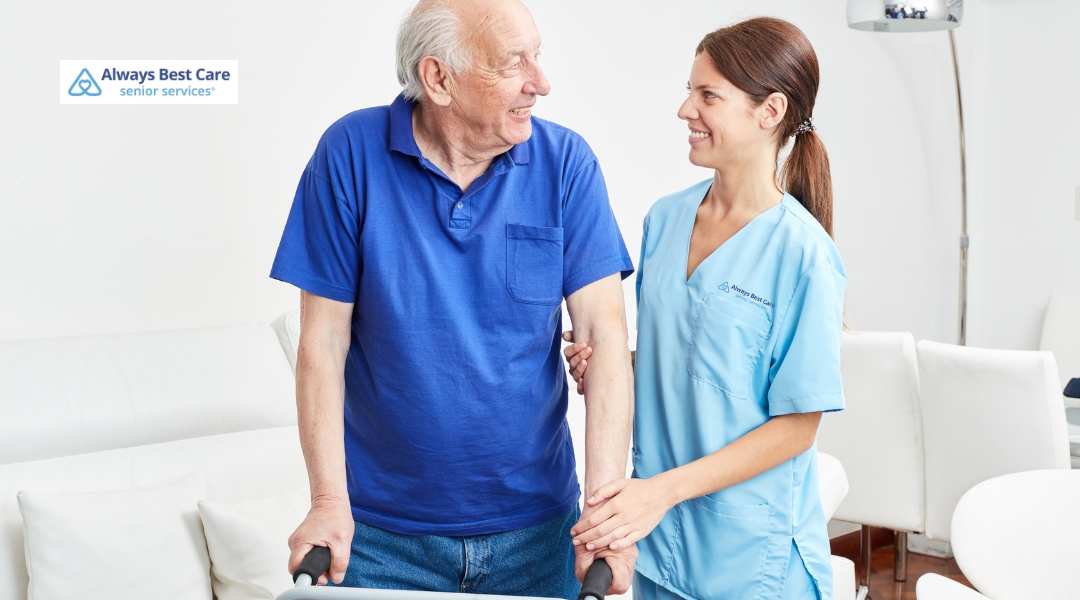
Returning home from the hospital after a stroke is a significant milestone—but it is also the point where consistent, skilled support becomes essential. The weeks and months following discharge are critical for long-term recovery, and the quality of care during this period can directly influence how much function a stroke survivor regains.
Home health services bridge the gap between hospital care and independent living. By bringing medical professionals and therapists directly into the home, stroke survivors in Wake Forest can continue their recovery in a familiar environment without the physical and emotional burden of frequent clinic visits.
What you will learn:
- How home health services support stroke recovery after returning home in Bristol.
- The role of skilled nursing, physical therapy, and occupational therapy in rebuilding independence.
- Ongoing monitoring and early detection are essential to prevent setbacks.
- How compassionate, in-home support helps improve both physical recovery and emotional well-being.
Table of Contents
The Real Challenges of Post-Stroke Recovery
No two strokes are alike. Depending on the area of the brain affected, survivors may face a wide range of challenges—weakness on one side of the body, difficulty speaking or understanding language, memory gaps, trouble swallowing, or emotional instability. Many of these issues persist well beyond the initial rehabilitation phase.
What makes home health particularly effective is its ability to address these challenges in context. A therapist working inside a patient’s actual home can identify real obstacles—a narrow hallway, a slippery bathroom floor, an awkward staircase—and tailor interventions accordingly. This level of personalization is difficult to replicate in a clinical setting.
Skilled Nursing: Medical Oversight Where It Matters Most
After a stroke, medical monitoring does not end at discharge. Skilled nursing care at home ensures that recovery stays on track and that complications are caught early.
Home health nurses provide:
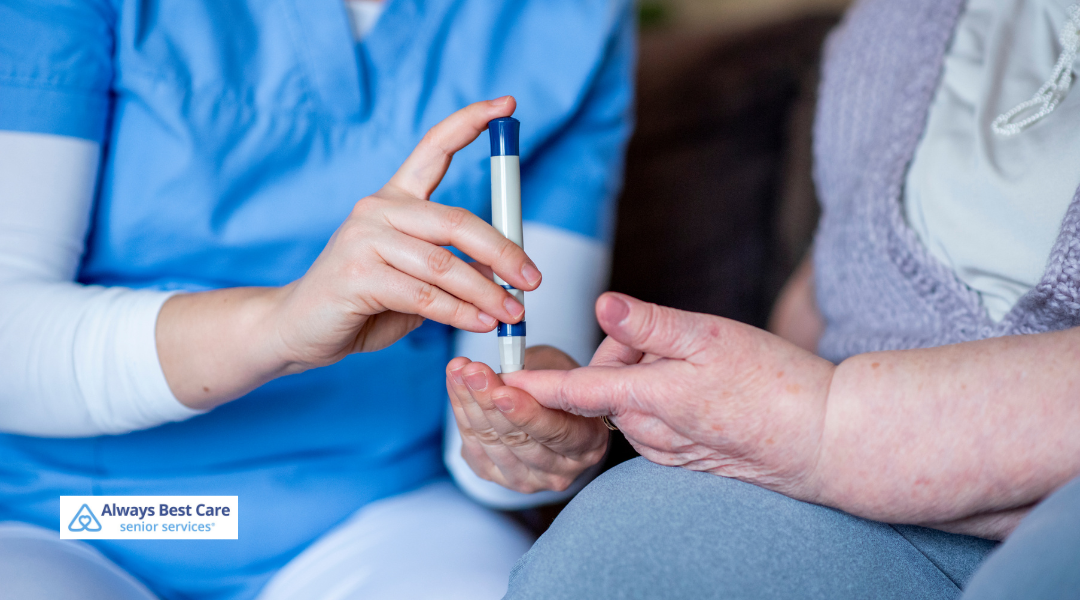
- Blood pressure and vital sign monitoring
- Medication management and dosage oversight
- Assessment for signs of a secondary stroke or neurological changes
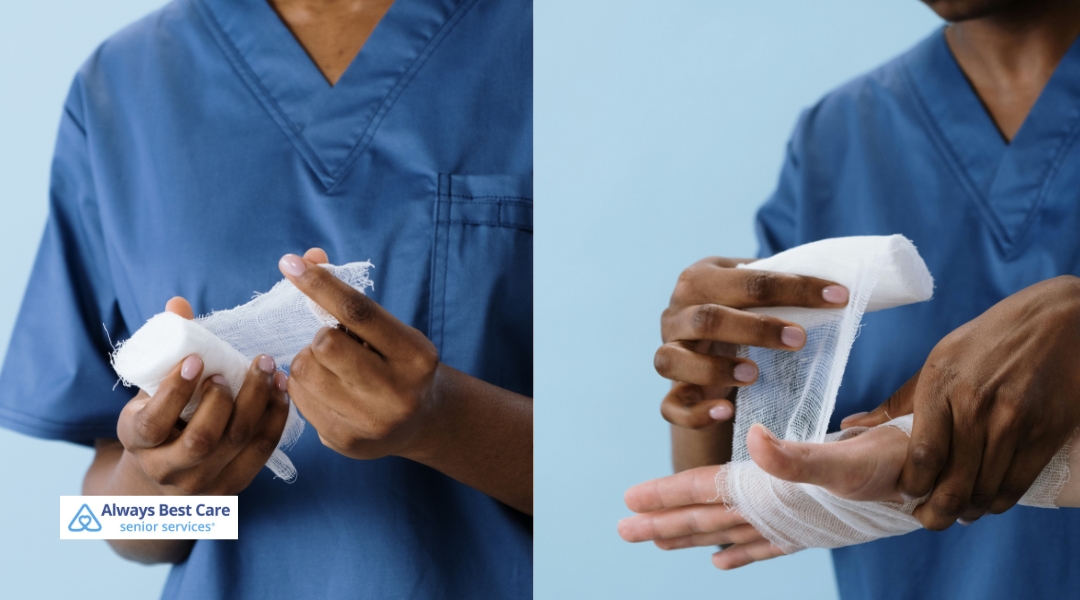
- Wound care if surgical intervention was part of the treatment
- Family education on recognizing warning signs and supporting recovery
- Coordinating care plans with the survivor’s physicians and specialists
Many stroke survivors also manage chronic conditions such as hypertension, diabetes, or atrial fibrillation—conditions that significantly increase stroke risk. Skilled nurses coordinate care across all of these health concerns, creating a more complete and proactive care plan.
Physical Therapy: Rebuilding Strength and Movement
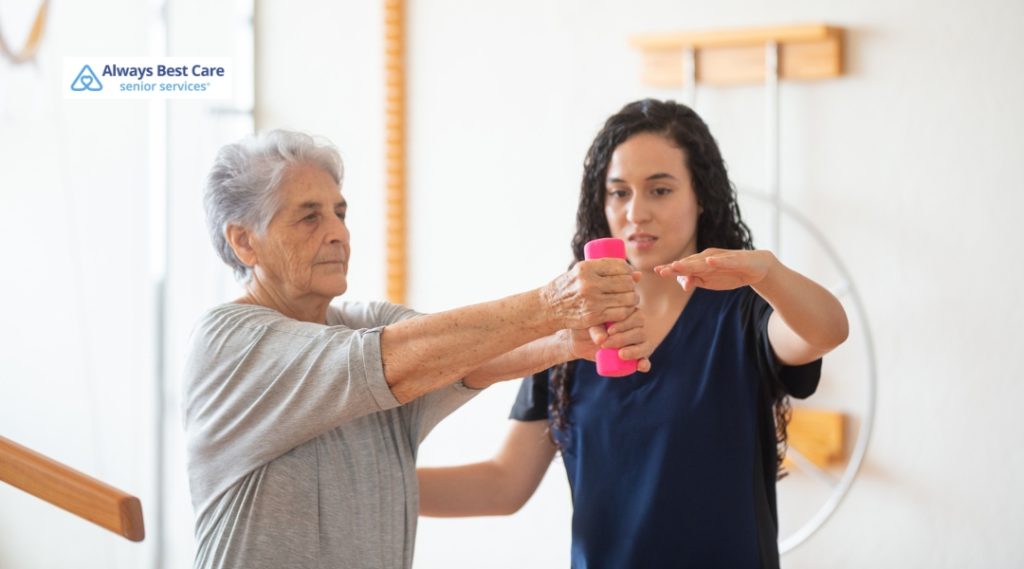
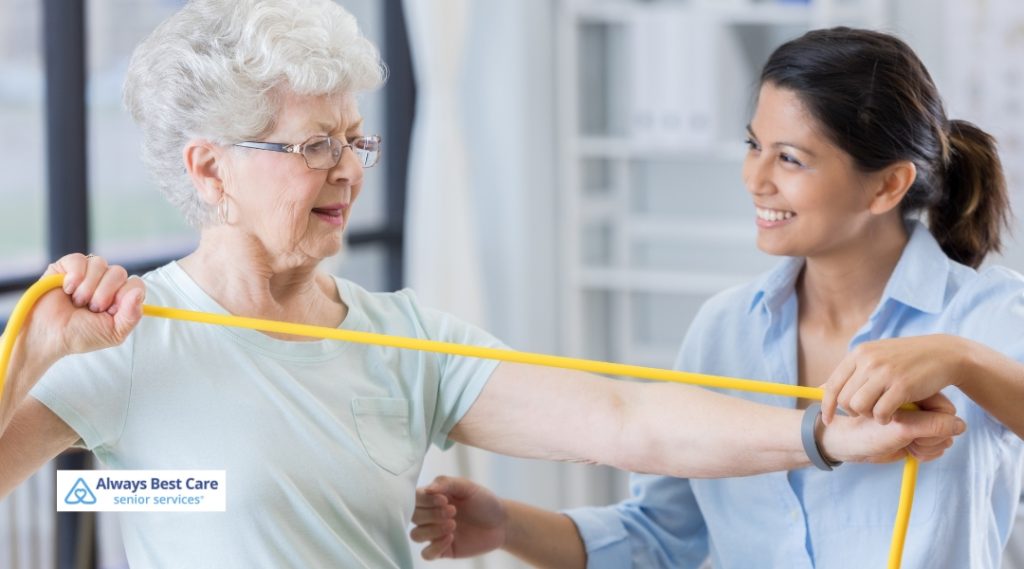
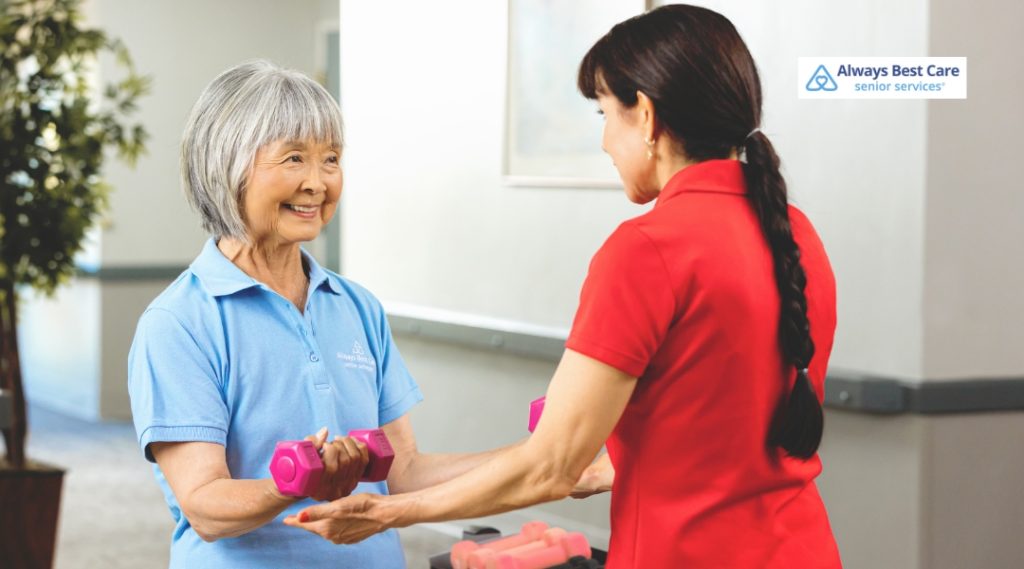
Regaining physical function is often the most visible goal of stroke recovery. Physical therapists work with survivors to restore mobility, improve balance, and reduce fall risk—all within the safety of the home environment.
Home-based physical therapy focuses on:
- Rebuilding muscle strength and coordination
- Improving gait and walking stability
- Restoring range of motion in affected limbs
- Practicing transfers—moving from bed to chair, sitting to standing
- Navigating home-specific challenges like stairs and uneven surfaces
Because sessions take place at home, exercises are directly relevant to the patient’s daily life. Progress tends to feel more meaningful when a senior can practice walking down their own hallway or safely reaching items in their own kitchen.
This home-based approach also reduces fall risk during the recovery period, when survivors are most vulnerable.
Occupational Therapy: Reclaiming Daily Independence
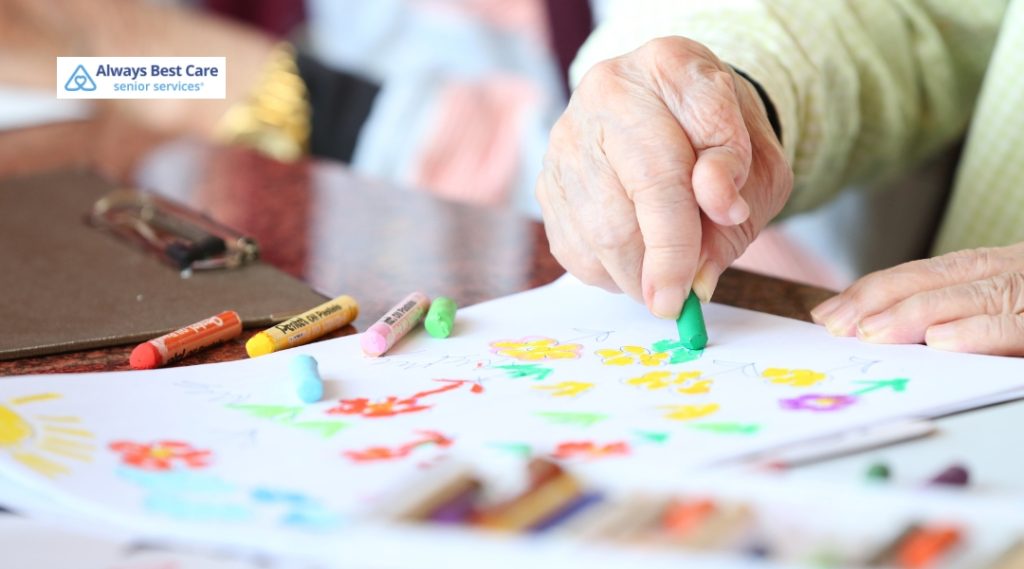
A stroke can make once-automatic tasks feel overwhelming. Occupational therapy helps survivors relearn how to perform daily activities safely and confidently, using adaptive techniques and tools when needed.
Occupational therapy may address:
- Bathing, dressing, and grooming routines
- Meal preparation and kitchen safety
- Fine motor skills and hand function
- Use of assistive devices such as grab bars, reachers, or modified utensils
- Home modifications to reduce hazards and improve accessibility
The goal is not just safety—it is dignity. Helping a stroke survivor regain the ability to dress independently or prepare a simple meal can have a profound impact on their sense of self and motivation to continue recovering.
Monitoring for Complications and Setbacks
Recovery rarely follows a straight line. Home health professionals play a critical role in identifying early warning signs before they escalate into emergencies.
Red flags that home health teams monitor for include:
- Sudden changes in speech, vision, or movement
- New or worsening weakness on one side
- Increased confusion or disorientation
- Unexplained fatigue or behavioral changes
- Signs of depression or emotional withdrawal
Early intervention can prevent hospital readmission and keep recovery momentum moving forward.
Emotional and Social Support
The emotional toll of a stroke is often underestimated. Survivors may grieve the loss of abilities they once took for granted, struggle with frustration during slow progress, or feel isolated as their social world shrinks. Depression following a stroke is common and can actively slow physical recovery if left unaddressed.
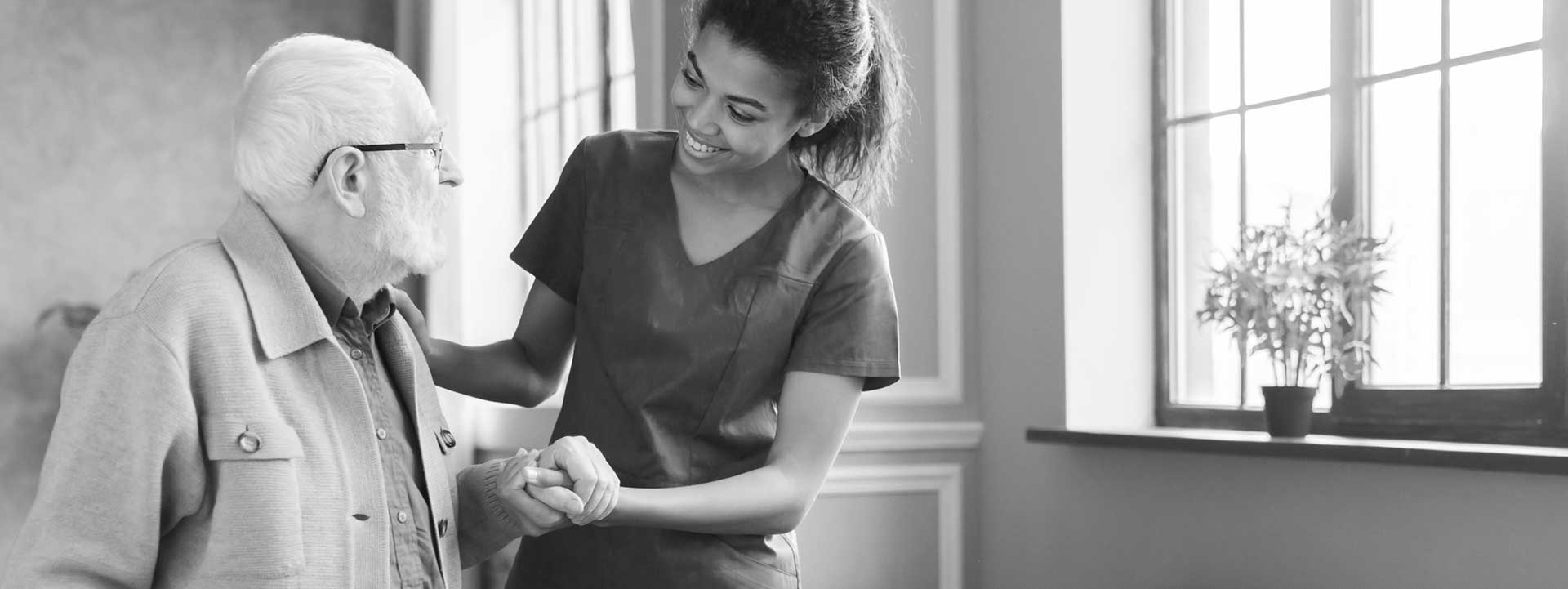
Home health caregivers provide more than medical support—they offer a consistent human connection. Regular visits from a trusted care team can reduce feelings of isolation, provide encouragement during difficult days, and give families reassurance that their loved one is not navigating recovery alone.
How Always Best Care of Wake Forest Supports Stroke Recovery
At Always Best Care of Wake Forest, we take a comprehensive approach to post-stroke care. Our team coordinates with physicians, therapists, and family members to build individualized care plans that evolve as recovery progresses.
Beyond skilled nursing and therapy, our caregivers assist with daily activities, transportation to follow-up appointments, meal preparation, and companionship. This wraparound support helps seniors feel more secure at home and gives families confidence that their loved one is receiving attentive, professional care.
Call Always Best Care of Wake Forest today at (919) 554-2223 to schedule a care consultation and learn how our home health services can support your loved one’s recovery.
Frequently Asked Questions
What is home health care for stroke recovery?
Home health care for stroke recovery involves licensed medical professionals—including nurses, physical therapists, and occupational therapists—providing skilled care directly in a patient’s home. Services are designed to continue the recovery process after hospital discharge in a safe, familiar environment.
How soon after a stroke can home health services begin?
Home health services can typically begin within days of hospital discharge. A physician’s referral is usually required, and a care coordinator will assess the patient’s needs before services start.
Is home health care covered by insurance after a stroke?
Medicare, Medicaid, and many private insurance plans cover home health services when they are deemed medically necessary and ordered by a physician. Coverage details vary, so it is advisable to confirm benefits with your insurance provider.
How long does home health care last after a stroke?
The duration depends on the individual’s recovery progress and care needs. Some patients require a few weeks of support, while others benefit from ongoing care over several months. Care plans are regularly reassessed and adjusted.
What is the difference between home health care and home care?
Home health care involves skilled medical services provided by licensed professionals, such as nursing and therapy. Home care refers to non-medical assistance with daily activities like bathing, meal preparation, and companionship. Many agencies, including Always Best Care, offer both.
Can home health care reduce the risk of another stroke?
Yes. Skilled nurses monitor risk factors such as blood pressure, medication adherence, and signs of complications. Managing these factors consistently at home can help reduce the likelihood of a secondary stroke.
How do I know if my loved one needs home health care after a stroke?
If your loved one has been discharged from the hospital or a rehabilitation facility and still has difficulty with mobility, daily tasks, medication management, or requires ongoing medical monitoring, home health care is likely appropriate. A physician or discharge planner can provide a formal recommendation.
Link to the Markdown File version of this article.