

Understanding VA Community Care Eligibility in 2026: A Greensboro Veteran’s Checklist
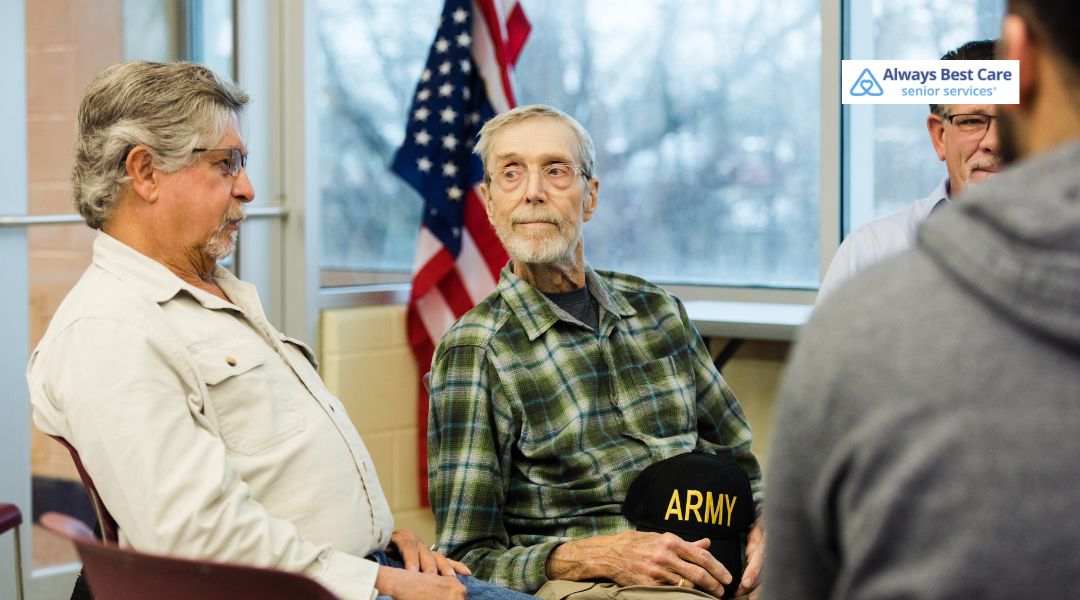
When a Veteran needs help at home, families often want to arrange assistance quickly. But before choosing a community provider, it is important to understand which services VA may approve and what steps are required.
Eligibility for VA health care, eligibility for community care, and authorization for a particular service are related—but they are not the same thing. Approval for one type of assistance does not automatically cover every service an agency offers or any number of requested hours.
For Greensboro Veterans and families, a practical checklist can make the process easier to navigate. Start with the Veteran’s VA care team, describe the assistance needed, and confirm approval before beginning routine community-based care.
Table of Contents
What You Will Learn
- How private nursing differs from non-medical assistance with meals, personal care, transportation, and household routines.
- Why an individualized nursing assessment helps identify clinical needs, visit frequency, and responsibilities within the home care plan.
- How medication reminders differ from nursing medication management and administration.

1. Confirm the Veteran’s VA Health Care Status
The first question is whether the Veteran is enrolled in or eligible for VA health care, or is exempt from enrollment.
Community care is not a separate benefit that automatically applies to anyone who has served. VA must review the applicable requirements and approve care through the appropriate process.
Ask:
- Is the Veteran’s health care status current?
- Is any enrollment information missing?
- Which VA provider or team should review the request?
- Does the Veteran need an appointment before a referral can be considered?
If your loved one already receives VA care, begin with that established team rather than arranging outside services and assuming coverage will follow.

2. Describe the Actual Help Needed at Home
“Home care” can mean different things. One Veteran may need assistance bathing and dressing. Another may require skilled nursing or rehabilitation.
Prepare specific examples of what has become difficult:
- Getting dressed or completing personal care
- Using the bathroom
- Moving between a bed and chair
- Preparing or eating meals
- Managing essential daily routines
- Remaining safely at home with the support currently available
VA home care programs assess medical and functional needs. Approved hours are based on the Veteran’s care needs rather than a standard schedule offered to every household.
Bring information about the help family members already provide, when they are unavailable, and which responsibilities are becoming difficult to sustain.

3. Ask Which Community Care Criteria Apply
VA community care allows eligible Veterans to receive approved services from community providers outside VA.
In addition to the basic health care and approval requirements, at least one community care eligibility condition must apply. Examples include:
- VA does not provide the needed service.
- VA cannot provide care within applicable access standards.
- The Veteran and VA provider agree that community care is in the Veteran’s best medical interest.
- VA cannot provide the service in a way that meets its quality standards.
- Another specific qualifying condition applies.
Ask the care team which criterion applies to the requested service. Living in Greensboro or preferring a particular agency does not, by itself, establish eligibility.
4. Keep Access Standards Separate From Service Approval
VA publishes designated drive-time and wait-time standards that may be relevant to community care eligibility:
- Primary care, mental health, and extended outpatient care: a 30-minute average drive time or a 20-day wait.
- Specialty care: a 60-minute average drive time or a 28-day wait.[va]
These standards are not a guarantee of a particular home care service or weekly schedule.
Ask VA how the standards apply to the care being requested. Avoid relying on a simple mileage estimate or assuming that exceeding a travel time automatically approves an agency or care plan.
5. Identify the Right Home Care Program
Community care is a pathway for receiving approved care—not a single home care package.
Families should ask which program matches the Veteran’s needs. For example, personal-care assistance is different from skilled nursing, and neither should be assumed to include every household service.
VA’s Homemaker and Home Health Aide program is designed to help eligible Veterans with personal care and activities of daily living. VA coordinates with local agencies for eligible Veterans, with approved hours based on care needs.
Ask:
- Are we requesting personal-care assistance, skilled care, or another service?
- Which tasks can be considered?
- What assessment is required?
- Does the request require a separate clinical referral?
The goal is to match the need to the correct program before discussing a start date.

6. Confirm the Referral and Written Authorization
For routine community care, VA approval must come before receiving services. Certain urgent and emergency situations follow different rules.
Once a referral is approved, review the authorization carefully. Families should understand:
- The approved provider
- The description of authorized care
- The authorization period
- Any visit or scheduling limits
- Whether additional care requires another referral
VA’s referral process identifies the provider, approved care, and how long the authorization applies before another referral is needed.
Do not treat a conversation about possible eligibility as confirmation that services are ready to begin.
7. Verify Provider Participation and Availability
An agency’s ability to provide home care does not automatically mean it can deliver the Veteran’s VA-authorized services.
Before setting a start date, confirm with both VA and the agency that the provider is approved for the particular arrangement. Community care is delivered by eligible community providers under VA authorization.
Ask the agency:
- Can you accept this specific referral?
- Do you have staff available for the approved schedule?
- Can you provide the authorized assistance safely?
- Who will coordinate with VA if a change is needed?
- What happens if a scheduled visit cannot be filled?
A provider’s general statement that it works with Veterans is not a substitute for confirming the actual authorization.

8. Clarify Costs and Additional Services
Families should know what is covered and what may remain their responsibility.
Ask the VA care team whether a copay applies and whether financial information is needed to determine it. For Homemaker and Home Health Aide services, VA states that a copay may apply based on service-connected disability status.
Then ask the agency about services outside the authorization. Additional hours, privately requested visits, or a different type of care should not be assumed to be covered.
If private-pay support is being considered, request a separate explanation of the services, fees, and scheduling terms. Do not assume that privately arranged care will later be reimbursed.

9. Plan for Reviews and Changing Needs
A Veteran’s needs may change after care begins. The family may notice greater difficulty with personal care, a change in mobility, or increasing caregiver strain.
Ask in advance:
- Who should receive updates?
- How do we request a reassessment?
- What documentation is useful?
- When does the authorization expire?
- Who initiates the renewal process?
- How much notice should we allow?
Because authorizations cover specified care for a defined period, families should confirm changes rather than independently expanding services and expecting automatic coverage.
How Always Best Care of Greensboro Can Help
Always Best Care of Greensboro specializes in personalized, non-medical care for seniors who want to remain at home. Its local team includes Certified Nursing Assistants and trained caregivers, with staffing coordinators who help identify an appropriate caregiving arrangement.
The office also publishes a Veterans Assistance Program. However, assistance with exploring benefits is not the same as VA community care approval or confirmation that the office can accept every authorization.
Contact the team to explain the Veteran’s needs and ask:
- Which local services are available?
- Can the office currently accept the specific VA authorization involved?
- Is staffing available for the proposed schedule?
- What assistance falls outside the authorization?
- Would any requested services require a separate agreement?
VA determines eligibility and authorizes covered care. The agency can explain its services, staffing, and any separate fees.
FAQ
Q: Is VA health care eligibility the same as community care approval?
A: No. Community care generally requires both the applicable health care status and approval from the VA care team, along with a qualifying community care condition.
Q: Does approval for one service cover everything a home care agency offers?
A: No. Review the actual description of approved care and the authorization period. Additional services may require another referral or approval.
Q: Does every eligible Veteran receive the same number of home care hours?
A: No. Approved hours are based on individual care needs.
Q: Can we choose a provider before speaking with VA?
A: You can research options, but confirm the required approval and provider participation before starting routine services you expect VA to fund.
Q: What if the Veteran needs nursing instead of personal-care help?
A: Explain the clinical needs to the VA care team and ask which skilled service and referral process apply. Do not assume that an existing authorization for daily assistance covers nursing.
Q: Can Always Best Care guarantee a benefit award or authorization?
A: No. The local team can discuss care options and its Veterans assistance resources, but VA makes eligibility and coverage decisions.

Turn Questions Into a Clear Care Plan
Before arranging community-based home care, confirm the Veteran’s health care status, assessed needs, qualifying criteria, referral, and approved provider. Clear answers can help prevent scheduling misunderstandings and unexpected expenses.
Contact Always Best Care of Greensboro at 336-270-4352 to discuss available in-home support and ask whether the team can meet the specific authorized care arrangement. Contact Always Best Care of Greensboro at (336) 270-4352 to learn more and schedule your free consultation.
Link to the markdown version of this blog.