From Loss to Strength: Physical Therapy for Greensboro Stroke Survivors Regaining Mobility
After a stroke, familiar movements may suddenly feel difficult. Standing from a chair, walking to the bathroom, or getting into a car can require more effort, assistance, and concentration than before.
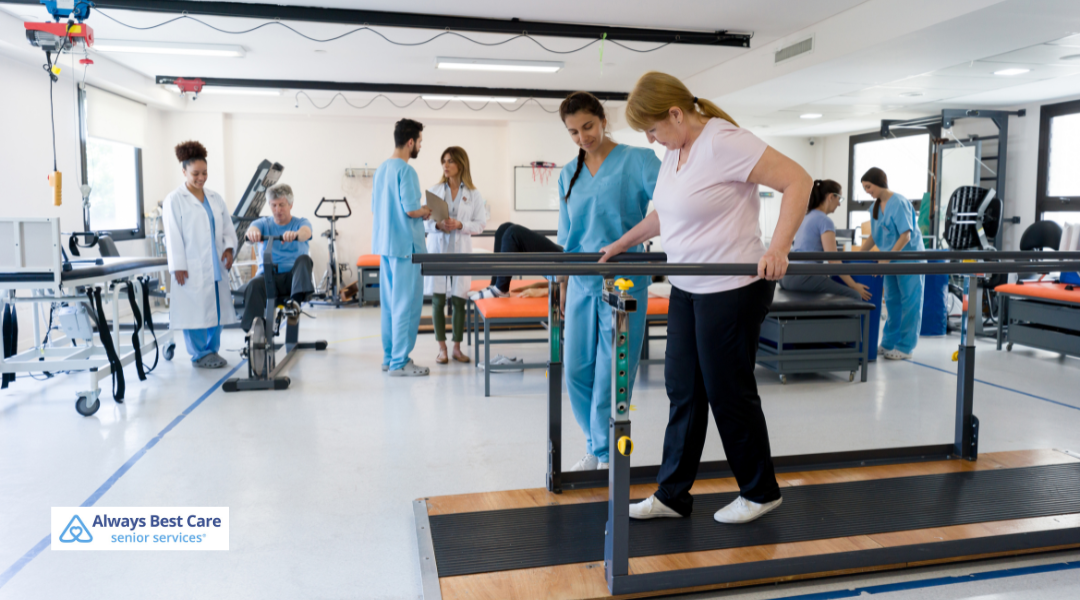
Physical therapy helps stroke survivors work on the strength, coordination, balance, and movement skills needed for everyday life. Treatment is personalized: one person may focus on walking with a mobility aid, while another works on sitting balance or moving safely between a bed and chair.
For Greensboro families, understanding these goals can make recovery feel more manageable. The focus is progress, not perfect movement or comparison with someone else’s experience.
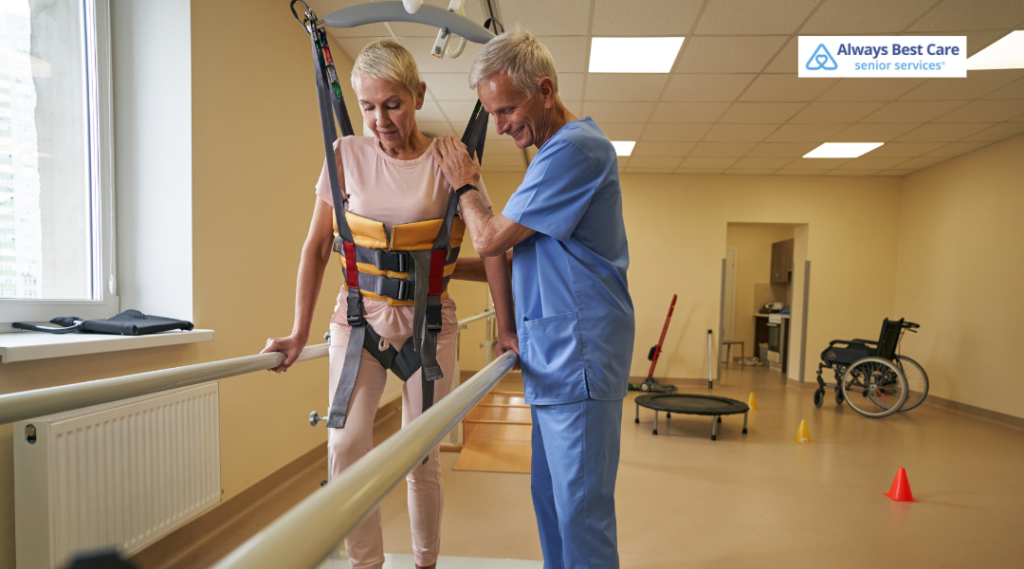
Table of Contents
How Physical Therapy Supports Mobility After a Stroke
A stroke can cause muscle weakness and reduced control of an affected arm or leg. Physical therapists assess these changes and design treatment around the survivor’s abilities and goals. Rehabilitation can help restore strength and control while also teaching ways to manage movements that remain difficult.
A personalized plan may include:
- Strengthening weakened muscles
- Improving endurance for daily activities
- Practicing sitting and standing balance
- Working on coordination and controlled movement
- Relearning walking patterns
- Practicing bed mobility and transfers
- Learning to use prescribed mobility equipment safely
Exercise and repeated practice of functional tasks are central approaches in stroke rehabilitation. The therapist determines which activities are appropriate and how they should progress.
Rebuilding Strength for Real-Life Activities
Strength exercises are not simply about making muscles stronger. They help prepare a person for tasks such as standing up, maintaining an upright position, and moving around the home.
For example, a therapist may combine strengthening work with repeated practice of getting up from a chair. This connects exercise to a meaningful daily goal rather than treating it as a separate activity. Stroke rehabilitation may include strength training, sit-to-stand practice, and other functional mobility tasks.
Families can ask the therapist, “Which everyday activity is this exercise helping with?” Understanding that connection can make the care plan easier to follow and give the survivor a practical reason to keep participating.
Improving Balance and Walking
Balance affects much more than walking. A survivor may need to work on staying steady while sitting, standing, reaching, turning, or stepping.
Stroke rehabilitation guidance recommends progressive balance training for people with impaired balance. Depending on individual needs, treatment may include trunk-control exercises, strengthening, stepping practice, and other functional activities.
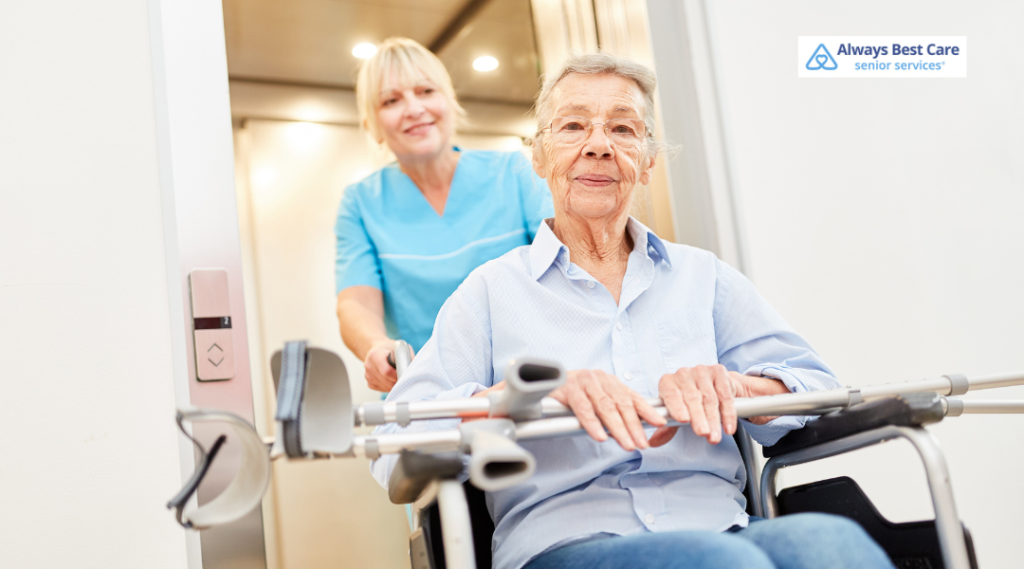
Walking practice may also involve a cane, walker, wheelchair, or other prescribed equipment. These tools should be selected and taught by the rehabilitation team. An appropriate mobility aid can support safer movement and independence; needing one is not a failure.
Families should follow the therapist’s instructions about supervision and assistance rather than assuming that a successful walk during a session means the person can safely walk alone at home.
Practicing Transfers and Other Everyday Movements
A transfer is movement between surfaces, such as getting from a bed to a chair or standing from a toilet. Physical therapy may include practicing these tasks, along with rolling in bed, sitting up, and moving into a standing position.
These skills can have a meaningful effect on daily life. A survivor who becomes more comfortable with a transfer may participate more easily in personal care or spend time in another room.
Caregivers should ask the therapist to demonstrate the exact assistance technique they should use. Clarify whether the task requires supervision, hands-on help, equipment, or more than one trained person. Do not improvise lifting techniques or attempt a transfer that the care team has identified as unsafe.
Support Therapy Goals at Home—Without Becoming the Therapist
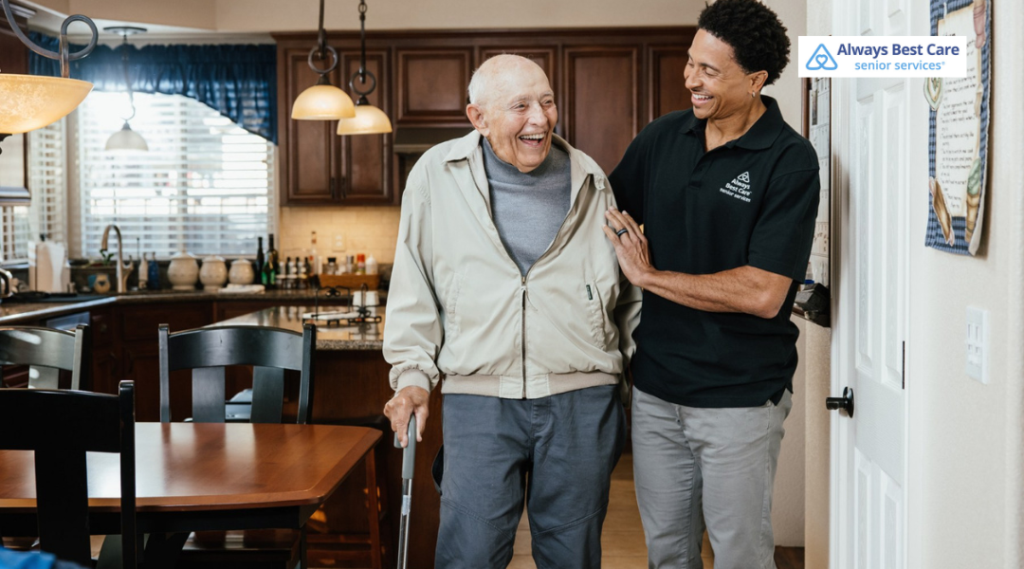
Home practice can help reinforce rehabilitation, but it should follow an individualized plan. The American Stroke Association advises survivors to speak with their healthcare provider or physical therapist before performing exercises—even those shown in general stroke exercise resources.
Families can support that plan by:
- Keeping written instructions accessible
- Helping prepare a clear, suitable space for approved activities
- Providing only the supervision or assistance the therapist recommends
- Using the prescribed equipment
- Offering reminders without pressure
- Sharing questions and observations with the rehabilitation team
Ask the therapist to explain how often activities should be performed, when rest is needed, and what signs mean practice should stop. Avoid adding repetitions, resistance, or more challenging movements simply because a survivor seems to be doing well.

Encourage Steady Progress, Not Perfection
Recovery goals should reflect what matters to the survivor. Walking safely to the kitchen, standing more steadily, or completing a transfer with less assistance may be more meaningful than reaching an arbitrary exercise target.
Cone Health’s stroke rehabilitation program emphasizes personal goals and individualized plans to improve strength, endurance, mobility, and self-care skills.
Families can reflect that approach in their encouragement:
- “You followed the steps your therapist showed you.”
- “That movement seemed more comfortable today.”
- “Let’s ask your therapist about the part that still feels difficult.”
- “We can take this one activity at a time.”
Encouragement should recognize effort without making the survivor feel responsible for achieving a particular outcome. A difficult session is a reason to communicate and adjust—not to criticize or push harder.
Make the Home Support the Rehabilitation Plan
The home should allow the survivor to use the movement strategies and equipment taught in therapy. Ask the rehabilitation team whether furniture placement, walking routes, stairs, or bathroom access need review.
An occupational therapist can assess how the person manages everyday activities at home and recommend adaptations or equipment. This complements physical therapy by connecting movement skills with the spaces and tasks the survivor uses each day.
Before rearranging the home or purchasing equipment, ask which changes fit your loved one’s current abilities. A generic safety checklist cannot replace individualized guidance.
Know When to Seek Help
If an activity causes pain, dizziness, unusual difficulty, or a change in function, stop and seek guidance according to the care team’s instructions. Report falls, near-falls, and concerns about equipment or transfers so the plan can be reassessed.
New stroke warning signs require a different response. Sudden facial drooping, arm weakness, speech difficulty, balance loss, or vision changes are reasons to call 911 immediately—even if they improve. Do not wait for the next therapy appointment.
Greensboro Rehabilitation and Support Resources
Cone Health offers inpatient and outpatient stroke rehabilitation, including services in Greensboro. Its rehabilitation team works with survivors on individualized goals involving strength, endurance, mobility, self-care, cognition, and communication. Families can contact the Greensboro Neurorehabilitation Center at 336-271-2054 to ask about services and referral requirements.
The Guilford County Stroke Support Group welcomes stroke survivors, families, and friends. Cone Health lists meetings on the second Thursday of each month from 4 to 5 p.m. at MedCenter Greensboro at Drawbridge Parkway, 3518 Drawbridge Parkway. Call 336-832-7493 to confirm current details before attending.
Support groups can offer an additional place to share experiences and connect with people facing similar adjustments.

How Always Best Care of Greensboro Can Help
Contact Always Best Care of Greensboro to discuss available non-medical in-home support that can complement your loved one’s rehabilitation plan.
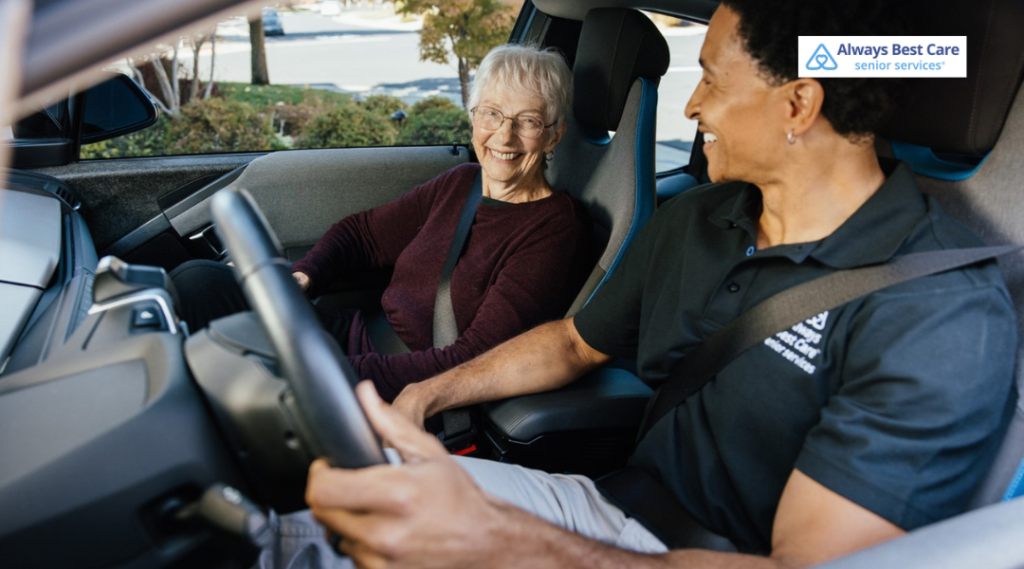
Depending on locally available services and the individualized care arrangement, assistance may include companionship, transportation to appointments, meal preparation, light housekeeping, personal-care support, and help maintaining daily routines.
Explain any walking, transfer, or supervision needs before arranging care so the team can determine what assistance it can safely provide. Non-medical caregivers do not replace licensed physical therapists or independently design rehabilitation exercises. Any support with prescribed activities should stay within the caregiver’s training, service scope, and the care team’s instructions.
FAQ
Q: Can physical therapy help a stroke survivor improve walking?
A: Physical therapy can address strength, balance, coordination, and walking skills. Treatment may also include training with appropriate mobility aids. The plan and outcomes depend on the individual survivor’s needs and abilities.
Q: What does functional practice mean?
A: Functional practice means rehearsing movements used in daily life, such as standing from a chair, moving in bed, transferring, or walking. Repeated task practice is a central part of stroke rehabilitation.
Q: Should we use exercises we find online?
A: Speak with the healthcare provider or physical therapist first. General exercise videos are not a substitute for a personalized plan, and an activity suitable for one survivor may not be appropriate for another.
Q: How can we encourage our loved one without pushing too hard?
A: Follow the prescribed plan, offer choices, acknowledge effort, and keep goals connected to meaningful daily activities. Ask the therapist for guidance when practice becomes frustrating or difficult. Individualized goals are an important part of rehabilitation planning.
Q: Where can Greensboro families find rehabilitation and peer support?
A: Cone Health provides stroke rehabilitation services in Greensboro. The Guilford County Stroke Support Group also offers a local connection for survivors, families, and friends. Contact the programs directly to confirm referral requirements and meeting details.

Support the Next Meaningful Step
Regaining mobility after a stroke involves professional guidance, personalized practice, and patient support. Families do not need to demand perfect movement to help a loved one work toward meaningful goals.
Ask the rehabilitation team how to support therapy safely at home, then contact Always Best Care of Greensboro to discuss practical in-home assistance that complements the recovery plan and gives family caregivers room to recharge. Contact Always Best Care of Greensboro at (336) 270-4352 to learn more and schedule your free consultation.
Link to the markdown version of this blog.