Stroke Warning Signs Greensboro Families Should Know Before It’s Too Late

A stroke can show up like a thief in the night—quiet, sudden, and way too fast. And here’s the hard truth: waiting it out is one of the worst moves you can make. The upside? When families know what to look for and what to do next, they can act quickly and protect the person they love.
This guide breaks down Stroke warning signs Greensboro families should recognize right away, how to respond without second-guessing, and a few smart at-home habits that can lower risk moving forward. No scare tactics—just clear, helpful info you can actually use.

Table of Contents
Why Knowing Stroke Warning Signs Matters So Much
Strokes are time-sensitive. The sooner someone gets medical care, the better the chances of limiting damage and improving recovery. That’s why recognizing symptoms quickly isn’t “nice to know”—it’s essential.
And here’s the thing: strokes don’t always look dramatic. Sometimes it’s a subtle shift that feels “off.” That little gut feeling matters.
The FAST Test: A Simple Way to Spot a Stroke
If you remember nothing else, remember FAST. It’s quick, easy, and incredibly useful.
F: Face Drooping
Ask the person to smile. Does one side droop or look uneven?
A: Arm Weakness
Ask them to raise both arms. Does one drift downward or feel weak?
S: Speech Difficulty
Ask them to repeat a simple phrase. Is speech slurred, strange, or hard to understand?
T: Time to Call 911
If you see any of these signs, call emergency services right away. Don’t drive “just to be safe.” Don’t wait for it to pass. Time matters.
Stroke Warning Signs Greensboro Families Often Miss
FAST is a great start, but strokes can show up in other ways too. Watch for sudden changes like:
- Confusion or trouble understanding
- Vision changes in one or both eyes
- Trouble walking, dizziness, or loss of balance
- A severe headache that feels unusual or intense
- Numbness or weakness on one side of the body
If something feels alarming or out of character, treat it seriously. It’s always better to be wrong than late.
What To Do Right Away If You Suspect a Stroke
When adrenaline kicks in, it’s easy to freeze. Here’s a simple plan to follow.
1) Call 911 Immediately
This is the big one. Emergency responders can start care sooner and get the person to the right place faster.
2) Note the Time Symptoms Started
Even a best guess helps. The time window matters for certain treatments.
3) Keep the Person Safe and Comfortable
Have them sit or lie down. Keep them calm. Loosen tight clothing if needed.
4) Don’t Give Food, Drink, or Medication
Swallowing can be affected, and certain meds may not be safe in the moment.
5) Stay With Them
Keep an eye on breathing, alertness, and any changes until help arrives.
“But They Seem Fine Now” Isn’t a Free Pass
Sometimes symptoms fade quickly. That can happen with something called a TIA (often called a “mini-stroke”). Even if the person seems back to normal, it still needs urgent medical attention—because it can be a warning sign that a bigger stroke could follow.
Simple At-Home Habits That Help Lower Stroke Risk
No routine can guarantee anything, but everyday habits can support healthier blood flow, steadier energy, and better overall wellness—especially for older adults.
Keep Blood Pressure on the Radar
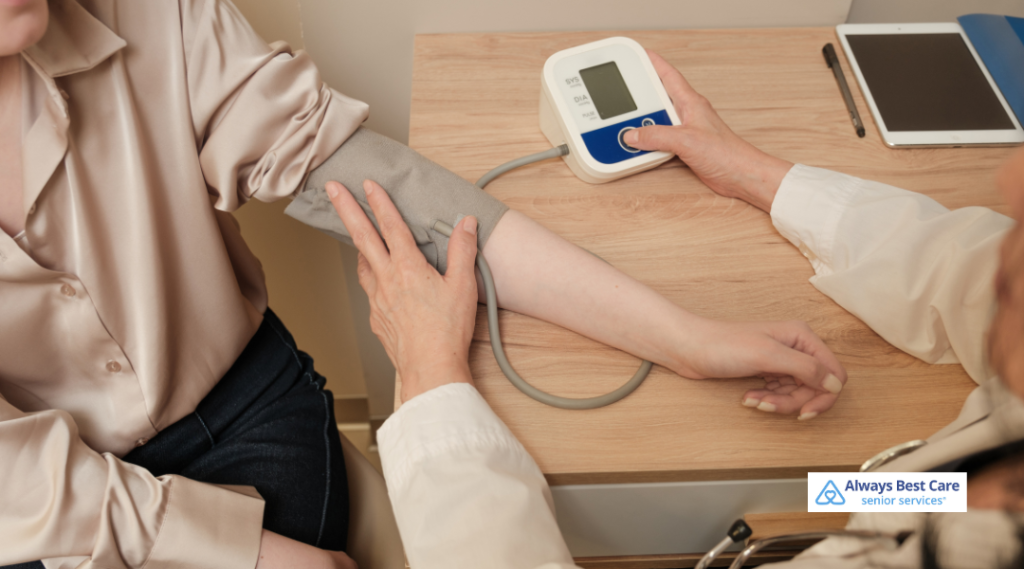
High blood pressure is one of the biggest stroke risk factors. If your loved one monitors at home, keep it simple: same time, same position, and a quick log.
Move a Little Every Day
This doesn’t need to be intense. A few short walks, light stretching, or gentle chair-based movement helps the body stay stronger and steadier.
Make Meals a Little Smarter
Small shifts can add up:
- More fruits and vegetables
- More fiber (like oats, beans, whole grains)
- Less salty packaged foods
- Protein with meals to support strength
Stay Hydrated
Dehydration can make people feel dizzy, weak, and off-balance—especially older adults. A steady water routine is an easy win.
Prioritize Sleep and Stress Relief
Poor sleep and constant stress can wear the body down over time. A calm bedtime routine and simple stress resets (music, fresh air, a friendly call) can help.
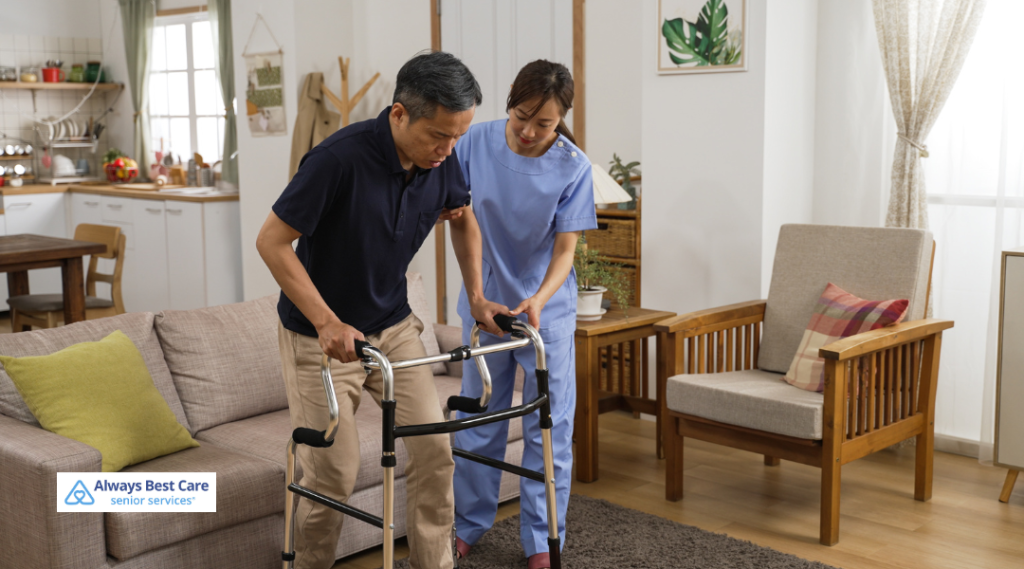
After a Stroke: What Recovery Often Looks Like at Home
Stroke recovery can be a mixed bag. Some people bounce back quickly. Others need a longer runway. Many families find that the “hard part” begins after the hospital—when real life returns, but energy, balance, and confidence haven’t fully caught up yet.
Common challenges can include:
- Weakness on one side
- Fatigue that hits hard
- Difficulty with walking or transfers
- Trouble remembering steps or routines
- Emotional changes like frustration or worry
Recovery is rarely linear. Good days and hard days can show up in the same week.
How Always Best Care of Greensboro Can Support Families
When care needs change quickly, families often end up juggling everything—appointments, safety concerns, meals, and day-to-day support. That’s where in-home care can help lighten the load.
Always Best Care of Greensboro can support stroke recovery and daily living with help like:
- Safe mobility support and fall-risk awareness
- Meal prep and hydration reminders
- Medication routine support and gentle check-ins
- Companionship to reduce isolation and boost motivation
- Transportation help for follow-up visits and therapy appointments
The goal is simple: keep your loved one safer at home while helping routines feel manageable again.
FAQs
Q: What are the most common stroke warning signs Greensboro families should know?
A: Face drooping, arm weakness, and speech trouble are key signs. Sudden confusion, dizziness, vision changes, and severe headache can also be warning signs.
Q: What should I do first if I think someone is having a stroke?
A: Call 911 immediately and note the time symptoms started. Keep the person safe and avoid giving food, drink, or medication.
Q: Can stroke symptoms come and go?
A: Yes. Symptoms that fade quickly can still be serious and may signal a TIA. Urgent medical evaluation is still needed.
Q: Why is acting fast so important during a stroke?
A: Faster treatment can reduce damage and improve the chances of a better recovery. Delays can lead to more severe, lasting effects.
Q: How can families support stroke recovery at home?
A: Consistency helps—safe movement, medication routines, hydration, balanced meals, and emotional support. In-home care can help families maintain these routines safely.

Ready to Get Support for Stroke Safety and Recovery at Home in Greensboro?
Knowing stroke-warning signs for Greensboro families should watch for can truly save a life. If something seems off—face drooping, arm weakness, speech changes, sudden dizziness—trust what you’re seeing and call 911. It’s always the right move to act fast.
And if your family is navigating recovery or trying to keep a loved one safer at home, Always Best Care of Greensboro is here to support you with practical, steady help—so you’re not carrying it all alone.
Contact Always Best Care of Greensboro at (336) 270-4352 to learn more and schedule your free consultation.
Link to the markdown version of this article.