Vision Loss and Fall Risk in Rockville: How Home Care Can Help Protect Seniors

Vision loss doesn’t always arrive with a bang. Sometimes it sneaks in quietly, turning a familiar hallway into a hazard and a simple step into a stumble. For older adults, even mild vision changes can increase fall risk in a heartbeat. That’s why understanding vision loss and fall risk in Rockville matters so much for seniors and the families who care about them.
A little extra support can go a long way. With thoughtful home care, seniors can stay steadier, safer, and more confident in their own space.
What you will learn:
- How vision loss can raise fall risk for older adults.
- Simple ways to make the home safer and easier to move around in.
- How home care can support daily routines and help prevent accidents.
- When it may be time to bring in extra help for a loved one.
Table of Contents
How Vision Loss Raises Fall Risk
Good vision helps with balance, depth perception, and spotting obstacles before trouble starts. Once eyesight begins to fade, even everyday tasks like walking to the kitchen or stepping into the bathroom can feel tricky. Poor lighting, blurred edges, and trouble seeing contrasts can make a home feel less familiar than it really is.
Common causes of vision decline include cataracts, glaucoma, macular degeneration, and diabetic eye disease. Each one can affect sight in a different way, but the result is often the same: a higher chance of losing footing. And once a fall happens, the road back can be longer than anyone would like.
Why Falls Hit Seniors So Hard
A fall isn’t just a fall. For seniors, it can lead to broken bones, hospital visits, and a lasting fear of moving around freely. Even when the injury is minor, confidence can take a hit. That hesitation often leads to less activity, which can weaken strength and balance over time.
There’s also the emotional side. After a fall, some older adults start to move more cautiously, sometimes too cautiously. Before long, they may avoid stairs, skip walks, or stop doing things they once enjoyed. That slippery slope can chip away at independence little by little.
Creating a Safer Home in Rockville
A safer home doesn’t require a full remodel. Often, small changes do the heavy lifting. Bright lighting, clear walkways, and high-contrast tape on steps or thresholds can make navigation much easier. Removing clutter and securing loose rugs also helps cut down on unexpected slips.
Bathrooms deserve special attention since wet floors and tight spaces can spell trouble. Grab bars, non-slip mats, and sturdy seating can make daily routines safer and less stressful. Bedrooms, too, should be easy to navigate at night, with lamps or night lights within arm’s reach.
A home should feel like a comfort zone, not an obstacle course.

How Home Care Can Help
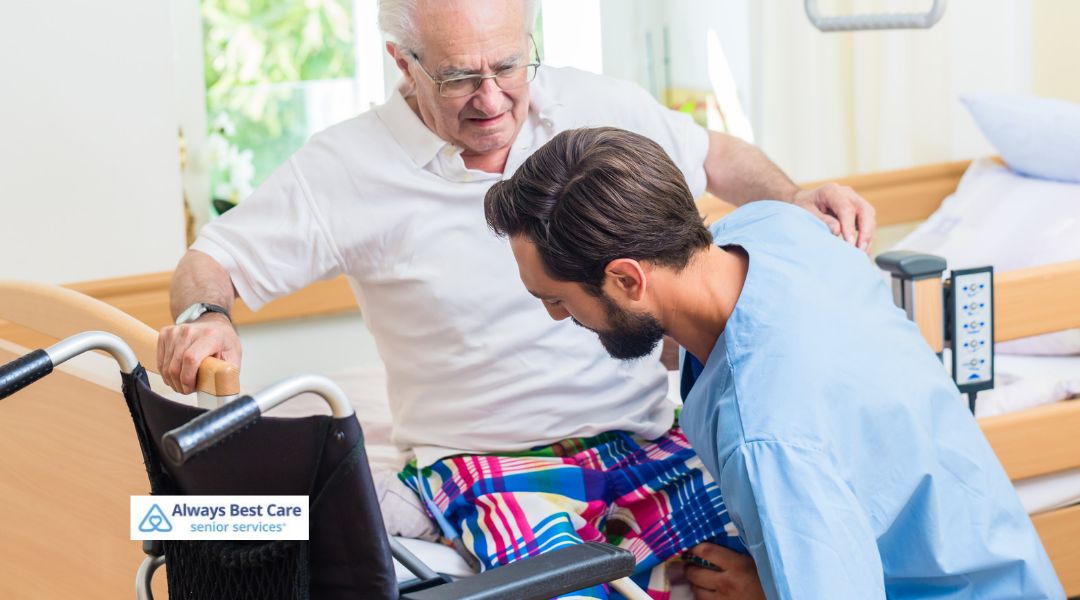
This is where home care really shines. A caregiver can help seniors move safely through the house, keep routines on track, and reduce the odds of a risky misstep. That steady presence can be especially helpful for someone adjusting to vision loss.
Home care can also support daily activities like meal prep, medication reminders, and housekeeping. Those tasks might seem small, but they add up fast. With a helping hand, seniors can focus more on living and less on worrying about the next stumble.
For families in Rockville, home care can be a practical bridge between independence and safety. It gives seniors support without stripping away the comfort of familiar surroundings.
Signs Extra Help May Be Needed
Sometimes the clues are hard to ignore. A loved one may start bumping into furniture, missing steps, or avoiding certain rooms. They may have trouble reading labels, judging distance, or moving around after dark. These signs don’t always mean a crisis is near, but they do suggest it’s time to take action.
If a senior has already had one fall, that’s worth paying attention to. One tumble can be a warning shot, and the next one could be more serious. Early support often makes all the difference.

Frequently Asked Questions
Q: How does vision loss increase fall risk in seniors?
A: Vision loss makes it harder to spot obstacles, judge distances, and move safely around the home.
Q: What are the most common vision problems linked to falls?
A: Cataracts, glaucoma, macular degeneration, and diabetic eye disease are among the most common.
Q: Can home care really help prevent falls?
A: Yes, home care can help with safe movement, daily support, and reducing hazards around the house.
Q: What are the first signs that a senior may need extra help?
A: Frequent tripping, trouble seeing clearly, and hesitation while walking are common warning signs.
Q: Is it possible to make a home safer without major changes?
A: Absolutely. Better lighting, clutter removal, grab bars, and simple layout adjustments can make a big difference.
Safer Steps Start at Home
Vision loss and fall risk in Rockville can go hand in hand, but families don’t have to wait around and hope for the best. With a few smart changes and the right home care support, seniors can stay safer and more confident where they feel most comfortable.
A steadier home life starts with awareness, then follows through with action. And for many older adults, that’s the key to holding onto independence a little longer. Reach out to Always Best Care of Rockville at (301) 597-1610 today and discover how compassionate home care can help keep your loved one safer, steadier, and more comfortable at home.
Link to the Markdown File version of the article