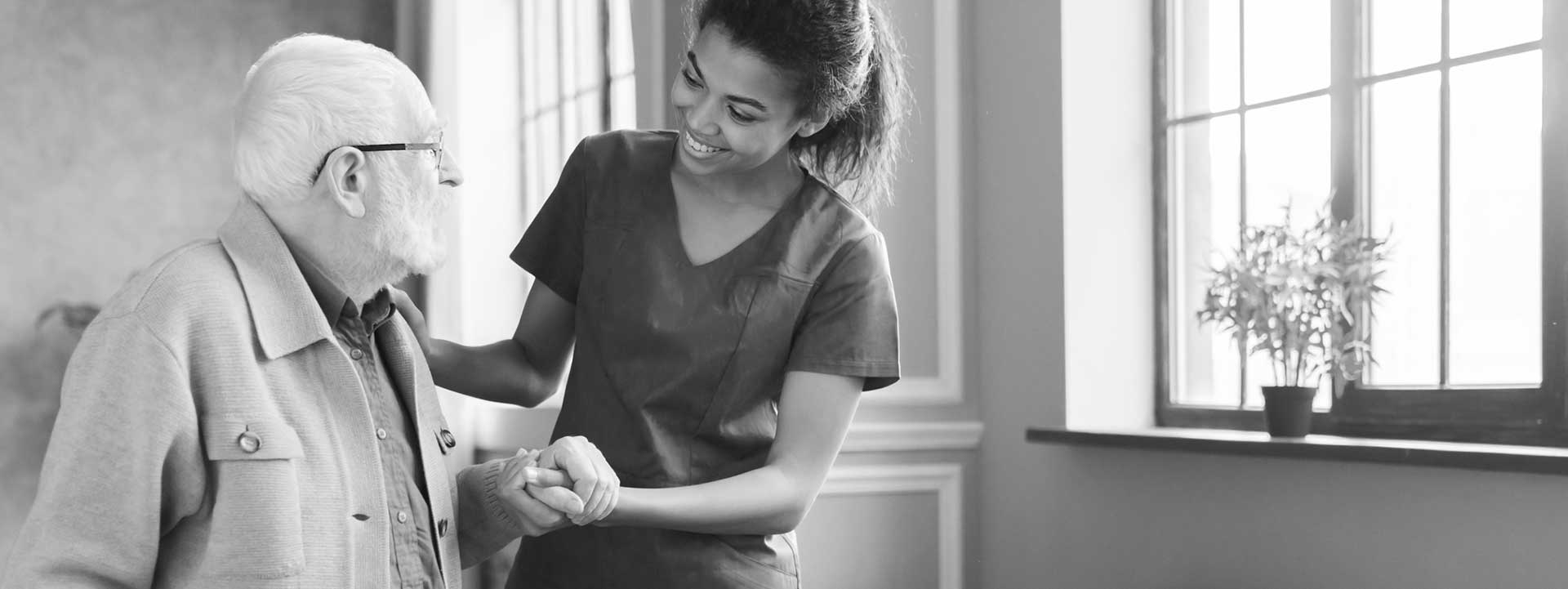
Therapy and Home Health Support for Stroke Recovery in Asheville, NC
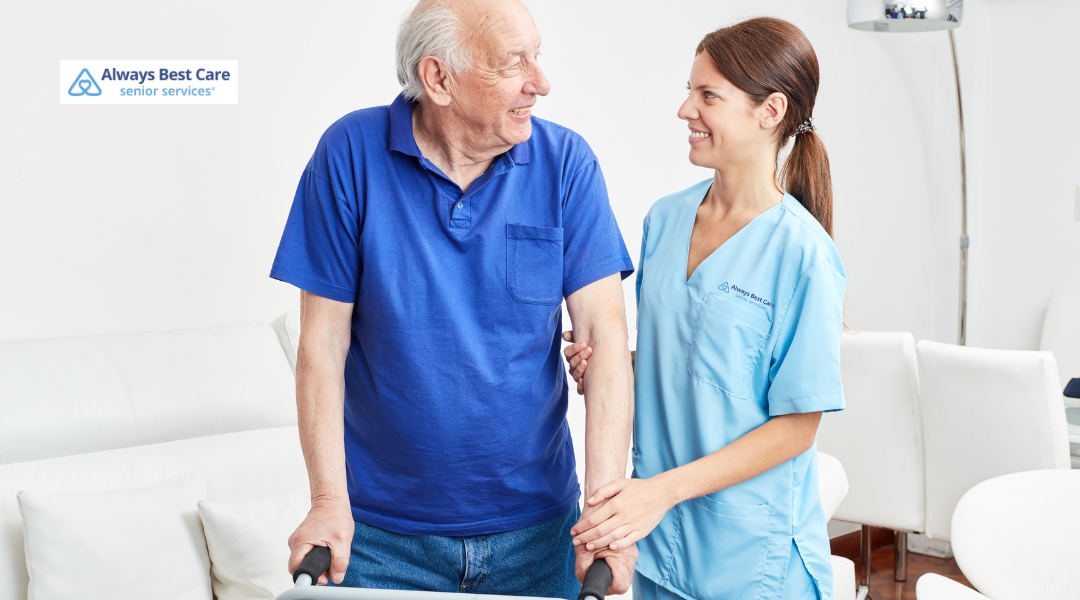
Returning home after a stroke is a significant milestone—but it is rarely the end of the recovery journey. For many seniors, the weeks and months following discharge are when consistent, skilled support matters most. Home health services bridge the gap between hospital care and independent living, delivering medical expertise and compassionate assistance directly where seniors feel most comfortable: at home.
In Asheville, NC, families navigating post-stroke recovery have access to a range of home health services designed to support healing at every stage.
What You Will Learn:
- How home health care supports safe, consistent recovery for stroke survivors at home.
- The roles of skilled nursing, physical therapy, and occupational therapy in regaining strength and independence.
- Why ongoing monitoring and emotional support are essential parts of healing after a stroke.
- How Always Best Care of Asheville provides coordinated home health care tailored to every senior’s recovery journey.
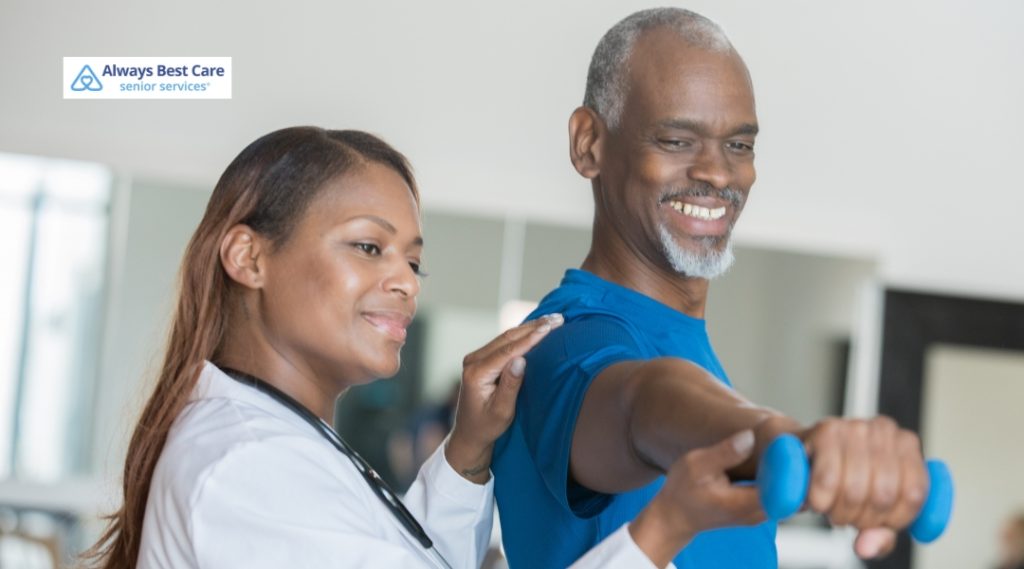
Table of Contents
The Real Challenges of Post-Stroke Recovery
A stroke can disrupt nearly every area of daily life. Depending on which part of the brain was affected, survivors may face weakness on one side of the body, difficulty speaking or understanding language, memory lapses, or challenges with balance and coordination.
What makes stroke recovery particularly complex is that progress is rarely linear. Some days feel like breakthroughs; others feel like setbacks. Without consistent professional oversight, small complications can go unnoticed until they become serious problems.
Home health services address this reality by placing skilled professionals inside the home—where they can observe real-world functioning, catch early warning signs, and adjust care plans as recovery evolves.
Skilled Nursing: Medical Oversight Where It Counts
After a stroke, medical monitoring does not stop at the hospital door. Skilled nursing services ensure that recovery continues safely at home, with a licensed nurse providing regular assessments and hands-on support.
Home health nurses in Asheville, NC typically assist with:
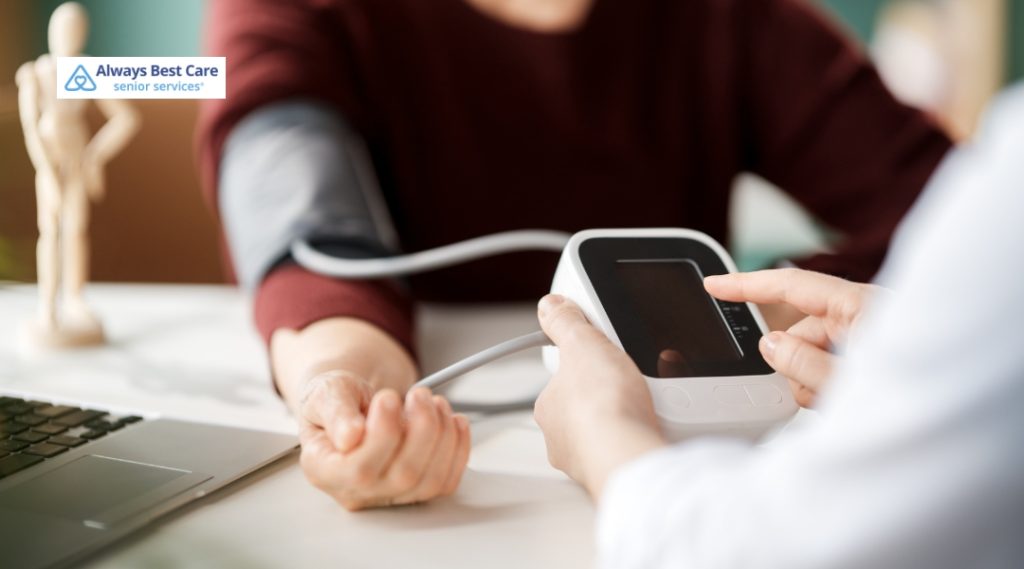
- Monitoring blood pressure, heart rate, and other vital signs
- Managing medications and verifying correct dosing schedules
- Identifying early signs of a secondary stroke or other complications
- Coordinating care with the senior’s physician and specialist team
- Educating family members on what to watch for and how to help
Many stroke survivors also manage chronic conditions such as diabetes, high blood pressure, or heart disease. Skilled nurses integrate management of these conditions into the overall recovery plan, reducing the risk of compounding health issues.
Physical Therapy: Rebuilding Strength and Movement
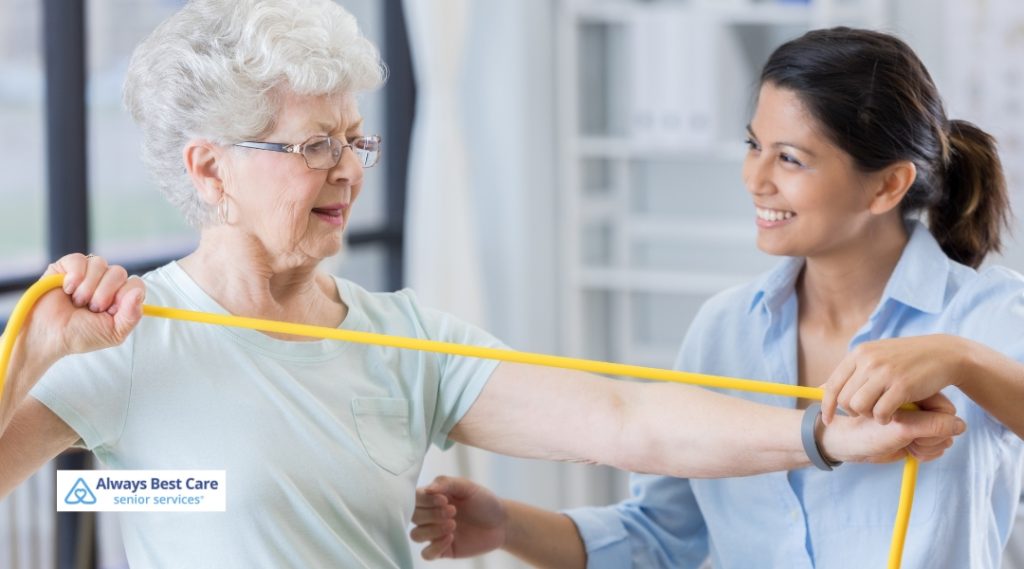
Weakness, stiffness, and impaired coordination are among the most common physical effects of a stroke. Physical therapy helps seniors systematically rebuild the strength and mobility needed to move safely and independently.
A home health physical therapist works with stroke survivors to improve:
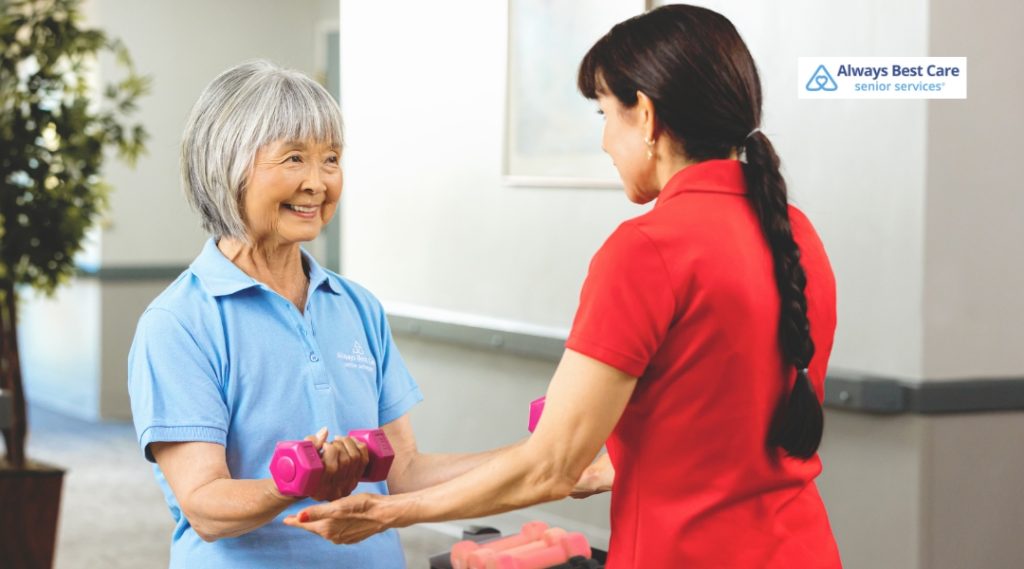
- Muscle strength and overall physical endurance
- Balance, stability, and fall prevention
- Walking ability and safe navigation of the home environment
- Range of motion in affected arms, legs, and joints
One key advantage of home-based physical therapy is that exercises are practiced in the actual environment where the senior lives. Rather than working in a clinical gym, therapists can address the specific challenges of a patient’s home—whether that means safely climbing their particular staircase, moving through narrow hallways, or transitioning from bed to standing.
This real-world focus makes therapy more practical and directly applicable to daily life.
Occupational Therapy: Relearning the Routines of Daily Life
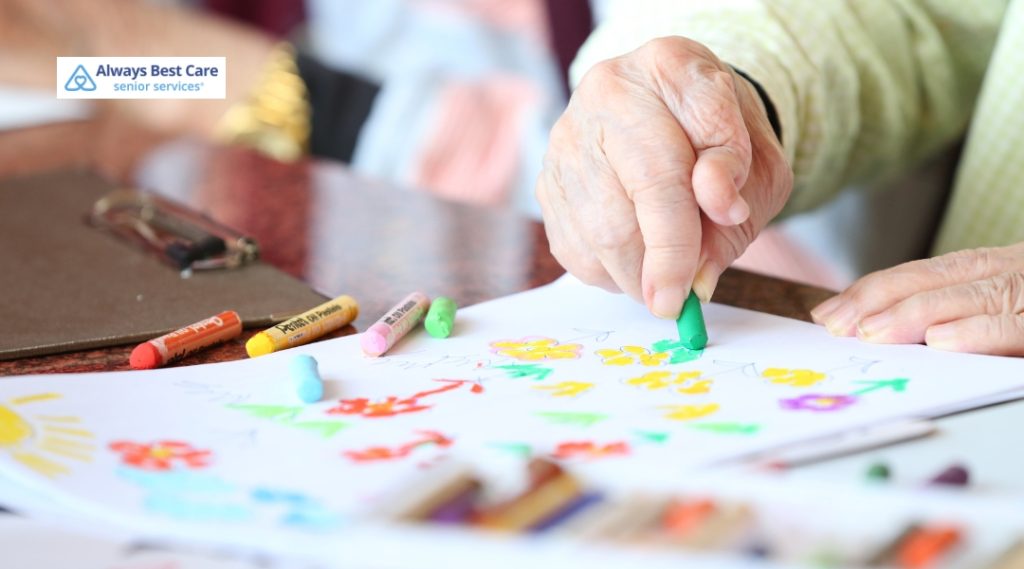
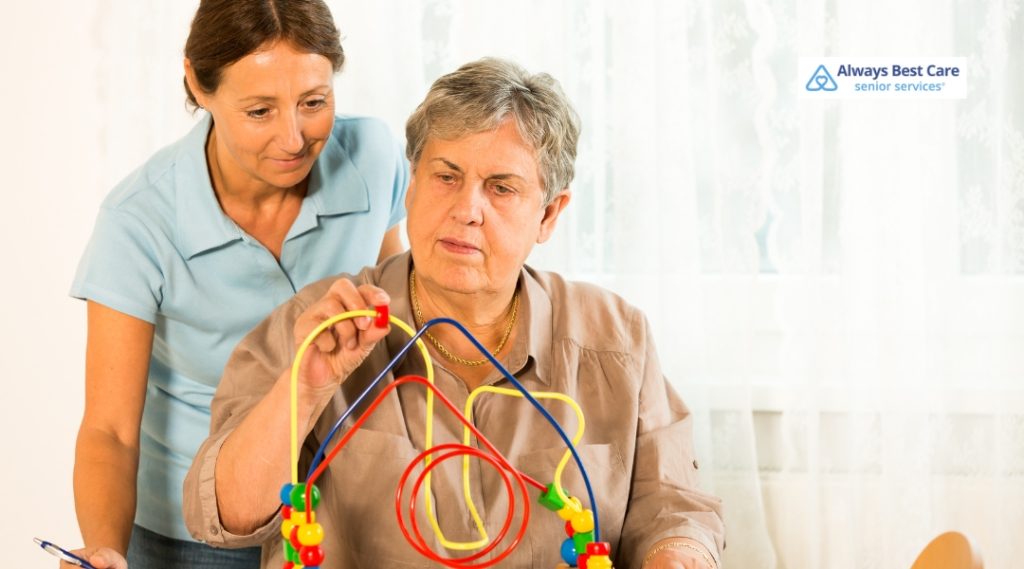
A stroke can make once-automatic tasks feel overwhelming. Getting dressed, preparing a simple meal, or managing personal hygiene may suddenly require significant effort or entirely new approaches.
Occupational therapists help stroke survivors rebuild these essential skills with patience, creativity, and adaptive strategies.
Occupational therapy services may include:
- Relearning safe bathing, grooming, and dressing techniques
- Developing new methods for completing household tasks
- Strengthening fine motor skills and hand-eye coordination
- Recommending and training seniors to use assistive devices
- Evaluating and modifying the home to reduce hazards and improve accessibility
The goal is not just task completion—it is restoring a sense of capability and confidence that stroke survivors may feel they have lost.
Monitoring for Complications and Setbacks
Consistent monitoring is one of the most valuable aspects of home health care. Recovery does not always follow a predictable path, and having trained professionals regularly assessing a senior’s condition can make a meaningful difference in outcomes.
Home health teams watch for warning signs, including:
- Sudden changes in speech, cognition, or movement
- Increased weakness or new balance difficulties
- Unusual fatigue, confusion, or mood changes
- Any indicators of a recurring stroke or cardiovascular event
Early identification of these signs allows for prompt intervention, which can prevent hospital readmissions and protect the progress seniors have worked hard to achieve.
Emotional Wellbeing: An Overlooked Part of Recovery
The emotional toll of a stroke is often underestimated. Many survivors experience depression, anxiety, or frustration as they adjust to new limitations. Feelings of isolation are common, particularly for seniors who were previously active and independent.
Home health caregivers and clinicians provide more than medical support—they offer consistent human connection. Regular visits from familiar, caring professionals help reduce loneliness, reinforce a positive recovery mindset, and give families reassurance that their loved one is not navigating this journey alone.
How Always Best Care of Asheville, NC Supports Stroke Recovery
At Always Best Care of Asheville, NC, we take a comprehensive, coordinated approach to post-stroke home health. Our team collaborates closely with physicians, therapists, and family members to build care plans that reflect each senior’s specific needs, goals, and living situation.
Beyond skilled nursing and therapy, our caregivers provide hands-on support with daily activities, meal preparation, transportation to follow-up appointments, and companionship—ensuring that every aspect of recovery is covered.
Frequently Asked Questions
Q: What is home health care for stroke recovery?
A: Home health care for stroke recovery refers to skilled medical and therapeutic services delivered in a patient’s home. This typically includes nursing care, physical therapy, and occupational therapy, all coordinated to support continued healing after a hospital stay or rehabilitation program.
Q: How soon after a stroke can home health services begin?
A: Home health services can often begin within days of a patient returning home from the hospital or a rehabilitation facility. A physician’s referral is typically required, and a care coordinator will assess the senior’s needs before services start.
Q: How is home health different from home care?
A: Home health involves licensed medical professionals—such as nurses and therapists—providing skilled clinical care. Home care, by contrast, focuses on non-medical support such as personal care, companionship, and household assistance. Many seniors benefit from both services working together.
Q: Can home health services help prevent another stroke?
A: While no service can guarantee prevention, skilled nursing at home plays an important role in managing risk factors such as high blood pressure, medication adherence, and early detection of warning signs. Nurses can also educate families on lifestyle factors that support cardiovascular health.
Q: How long does home health care typically last after a stroke?
A: The duration varies depending on the severity of the stroke and the individual’s rate of recovery. Some seniors may need home health services for a few weeks; others may benefit from ongoing support for several months. Care plans are regularly reassessed and adjusted based on progress.
Q: What should families look for when choosing a home health provider?
A: Families should look for licensed, experienced providers with a strong track record in post-stroke care. It is also important to choose a provider who communicates clearly with the senior’s medical team and involves family members in care planning. Always Best Care of Asheville, NC offers all of these qualities and more.
Heal Safely and Confidently with Expert Home Health Support
At Always Best Care of Asheville, our skilled nurses and dedicated caregivers help stroke survivors recover in the comfort of home. We coordinate therapy, monitor health changes, and provide hands-on support that makes daily life easier while building strength and independence.
Contact Always Best Care of Asheville at (828) 676-2939 to learn more and schedule your free consultation.
Link to the markdown version of this blog.