

COPD Care Tips for Seniors in Asheville, NC: Enhancing Comfort at Home
Chronic Obstructive Pulmonary Disease (COPD) is one of the most common chronic conditions among older adults — and one of the most manageable when approached with the right strategy. For seniors in Asheville, NC, where mountain air and seasonal allergens can add complexity to respiratory health, building a strong daily routine is essential to staying comfortable at home.
This guide breaks down practical, actionable steps seniors and their families can take to manage COPD effectively — and explains how in-home care can make that process easier.
What You Will Learn:
- How COPD impacts seniors beyond shortness of breath.
- Practical strategies to manage symptoms and reduce flare-ups at home.
- How Asheville’s environment affects respiratory health.
- How in-home care helps seniors stay comfortable and independent.

Table of Contents
Understanding COPD: More Than Just Breathlessness
COPD is an umbrella term for progressive lung diseases, including chronic bronchitis and emphysema, that restrict airflow and reduce the lungs’ ability to function efficiently. Unlike a cold or infection, COPD doesn’t go away — but it also doesn’t have to define a senior’s daily life.
Common symptoms include:
- Persistent cough or wheezing
- Shortness of breath during routine activities
- Chest tightness
- Frequent respiratory infections
- Unexplained fatigue
One of the biggest challenges with COPD is that symptoms develop gradually and are often mistaken for normal signs of aging. Early diagnosis and consistent management are what separate a good quality of life from a declining one.
Practical Strategies for Managing COPD at Home
1. Stick to Your Medication Routine
Inhalers, bronchodilators, and supplemental oxygen are common tools in COPD management — but they only work when used correctly and consistently. Missing doses or using an inhaler incorrectly can lead to unnecessary flare-ups.
Caregivers play a valuable role here, offering medication reminders and helping seniors track their treatment schedules without added stress.
2. Control Your Indoor Air Quality
Asheville’s beautiful seasons come with pollen, humidity shifts, and other airborne irritants that can aggravate COPD symptoms. Inside the home, air quality is something families can directly control.
Steps that make a real difference:
- Use HEPA air purifiers in frequently used rooms
- Replace HVAC filters regularly
- Eliminate smoking and secondhand smoke entirely
- Swap harsh chemical cleaners for fragrance-free, low-VOC alternatives
- Keep windows closed on high-pollen days
A cleaner indoor environment reduces the frequency and severity of flare-ups significantly.
3. Keep Moving — Gently
It may seem counterintuitive, but regular physical activity is one of the most effective ways to slow COPD progression. Movement strengthens respiratory muscles, improves circulation, and boosts energy levels over time.
Low-impact options that work well for seniors:
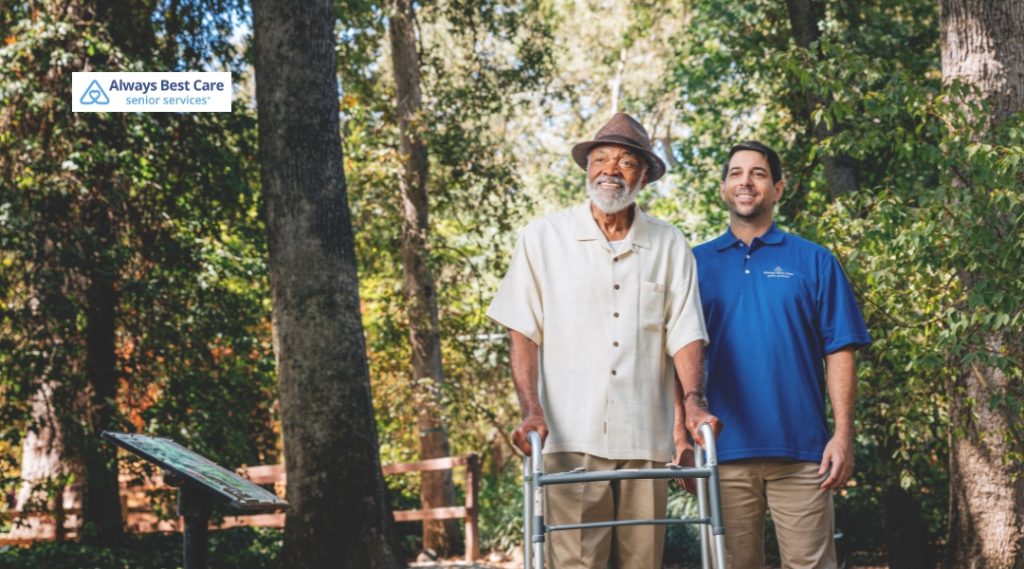
- Short, flat walks in the neighborhood
- Chair-based stretching or yoga
- Breathing exercises prescribed by a pulmonologist or respiratory therapist
Always consult a healthcare provider before starting or adjusting an exercise routine, and never push through significant breathlessness.
4. Master Breathing Techniques
Two techniques in particular can help seniors regain control during moments of breathlessness:
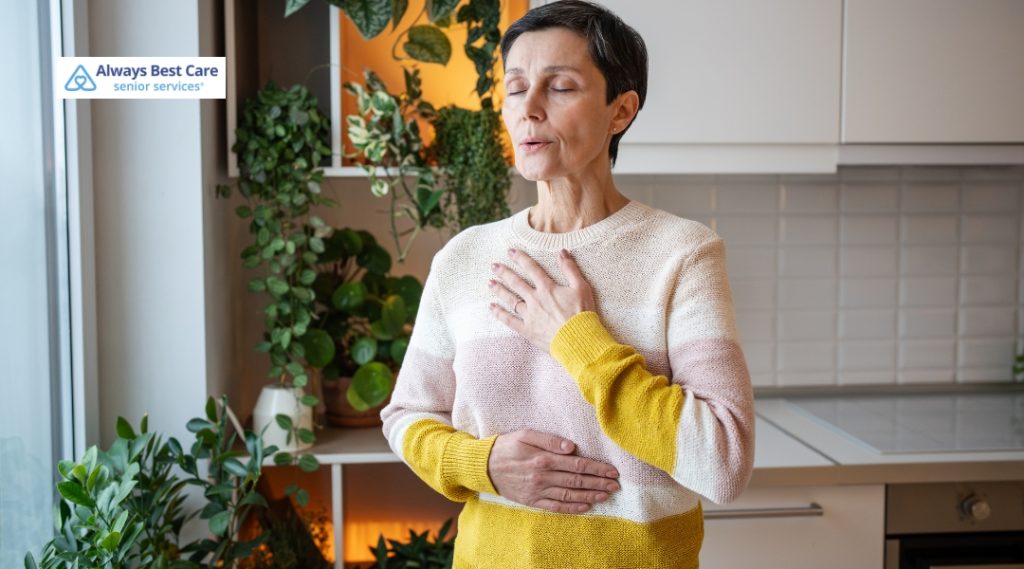
- Pursed-lip breathing — Inhale slowly through the nose, then exhale through pursed lips for twice as long. This slows breathing and keeps airways open longer.
- Diaphragmatic breathing — Focuses on engaging the diaphragm rather than the chest, improving oxygen efficiency.
Both are easy to learn and can be practiced independently at home each day.

5. Prioritize Nutrition and Hydration
The connection between diet and respiratory health is often overlooked. Staying well-hydrated helps thin mucus secretions, making it easier to breathe and clear the airways. A nutrient-rich diet supports immune function and overall energy.
Focus on:
- Lean proteins to maintain muscle strength
- Fresh fruits and vegetables for antioxidants
- Whole grains for sustained energy
- Adequate daily fluid intake
Avoid large meals, which can cause the stomach to press against the diaphragm and make breathing more difficult. Smaller, more frequent meals are often better tolerated.
6. Know the Warning Signs of a Flare-Up
COPD exacerbations can escalate quickly. Knowing what to watch for — and acting early — can prevent a flare-up from becoming a hospitalization.
Contact a healthcare provider if you notice:
- A sudden increase in shortness of breath
- Changes in mucus color, thickness, or volume
- Fever or chills
- Increased confusion or unusual fatigue
- Inability to complete routine daily tasks
Having an action plan in place — developed with a physician — gives seniors and caregivers a clear path forward when symptoms shift.
How Always Best Care of Asheville, NC Supports Seniors with COPD
Managing COPD is a daily commitment, and it’s one that doesn’t have to be carried alone. Always Best Care of Asheville, NC provides personalized in-home support that helps seniors stay on top of their health while maintaining independence.
Our caregivers can help with:
- Medication reminders and symptom monitoring
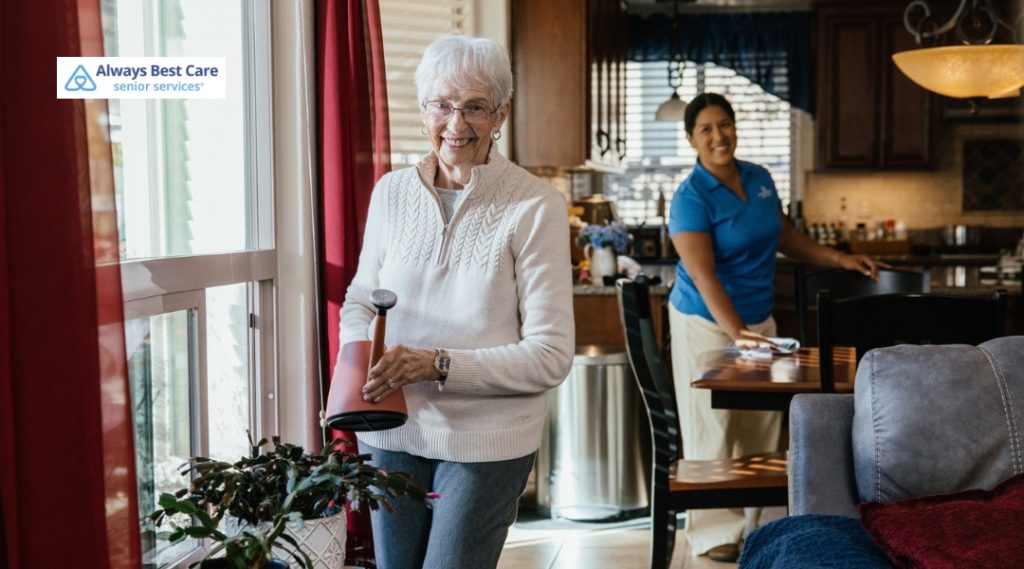
- Light housekeeping to maintain a clean, low-irritant environment
- Meal preparation focused on respiratory-supportive nutrition
- Encouragement and assistance with safe physical activity
- Companionship to ease the emotional burden of chronic illness
- Transportation to pulmonology and primary care appointments
For seniors with more complex needs, home health services offer skilled nursing support and direct coordination with healthcare providers.
Frequently Asked Questions About COPD and Senior Home Care
Q: Can COPD be reversed or cured?
A: No. COPD is a progressive condition with no known cure. However, with consistent treatment, lifestyle adjustments, and proper support, symptoms can be managed effectively and progression can be slowed.
Q: Is it safe for a senior with COPD to live alone?
A: It depends on the severity of the condition. Many seniors with mild to moderate COPD live independently with some support in place — such as in-home caregivers, medical alert systems, and regular check-ins from family or healthcare providers.
Q: How does Asheville’s climate affect COPD?
A: Asheville’s mountain environment can be both beneficial and challenging. The cooler, cleaner air at elevation can be easier to breathe, but seasonal pollen, wildfire smoke, and humidity fluctuations can trigger flare-ups. Monitoring local air quality reports and adjusting outdoor activity accordingly is recommended.
Q: What’s the difference between a COPD flare-up and normal symptom variation?
A: A flare-up (or exacerbation) involves a noticeable worsening of symptoms beyond the day-to-day baseline — often accompanied by changes in mucus, fever, or significantly increased breathlessness. If symptoms feel different or more intense than usual, it’s worth contacting a healthcare provider.
Q: How can in-home care improve quality of life for someone with COPD?
A: In-home caregivers reduce the physical and emotional burden of managing a chronic condition. They help with daily tasks that have become difficult, ensure medications are taken correctly, maintain a safe home environment, and provide companionship — all of which contribute to better health outcomes and greater peace of mind.
Breathe Easier with Support at Home
Living with COPD is challenging, but the right support system makes an enormous difference. If your loved one needs help managing their condition at home, Always Best Care of Asheville, NC is ready to help.
Contact Always Best Care of Asheville at (828) 676-2939 to learn more and schedule your free consultation.
Link to the markdown version of this blog.