

How to Help Seniors Maintain Nutrition When Appetite Fades in Asheville, NC

As loved ones get older, it’s not unusual to notice changes at the dinner table. A senior who used to clean their plate might start skipping breakfast, pushing food around, or saying, “I’m just not hungry.” Occasional changes are no big deal—but a steady decline in appetite can chip away at health, strength, and overall quality of life.
That’s where good food really matters. Healthy eating supports the immune system, keeps muscles stronger, helps the body heal, and fuels everyday activities. When we understand why appetite declines and how to respond, we can help seniors in Asheville, NC stay healthier, more comfortable, and more independent.
What You Will Learn:
- Why appetite often decreases in seniors and common contributing factors.
- The health risks of poor nutrition in older adults.
- Practical ways to make meals more appealing and easier to enjoy.
- How caregivers and home care can support healthy eating habits.
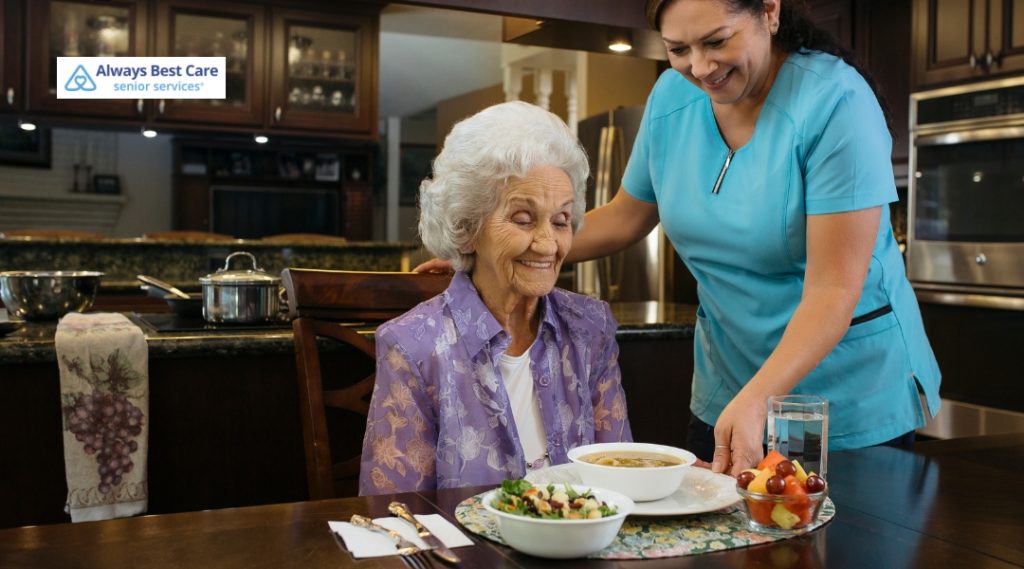
Table of Contents
Why Appetite Declines for Seniors in Asheville, NC
As we age, the body changes in ways that can quietly dampen our desire to eat. Sometimes it’s simply the aging process; other times, it’s several small issues stacking up.
Common reasons appetite may drop include:
- Changes in taste and smell, making food less appealing
- Slower digestion and feeling full faster
- Lower activity levels, leading to less hunger
- Side effects from medications
- Dental problems or poorly fitting dentures
- Trouble chewing or swallowing
- Ongoing health conditions
- Depression, anxiety, or loneliness
- Memory loss or cognitive changes
Because several factors can be at play at once, it’s important not to brush off ongoing changes. If appetite keeps declining or eating becomes a struggle, talking with a healthcare provider can help uncover what’s going on and what to do next.

The Hidden Risks of Poor Nutrition
A small appetite may look harmless, but over time, it can quietly drain the body’s reserves. When seniors consistently eat too little, they might not get the nutrients needed to stay strong and active.
Poor nutrition can lead to:
- Unplanned weight loss
- Muscle weakness
- A higher risk of falls
- Fatigue and low energy
- Slower recovery from illness or injury
- Weakened immune function
Even mild deficiencies can make it harder for a senior to move around confidently, manage daily tasks, and stay independent. In short, every bite matters.
Making Meals More Appealing
Sometimes, it’s not what we’re serving—it’s how we’re serving it. Small changes can make a big difference in how appetizing meals feel to a senior with a fading appetite.
Try these simple strategies:
- Add herbs and spices to bump up flavor
- Include a mix of colors and textures on the plate
- Serve familiar favorites when possible
- Offer smaller portions more frequently throughout the day
- Choose nutrient-dense foods that pack more nutrition into each bite
Many seniors do better with several mini-meals and snacks instead of three large, traditional meals. It feels less overwhelming and can gently nudge appetite without pressure.
Turning Mealtime into a Social Occasion in Asheville, NC
Eating alone can make food feel more like a chore than a pleasure. Seniors who feel isolated often snack lightly, skip meals, or lose interest in eating altogether.
Making meals social can help:
- Share meals with family, friends, or caregivers
- Turn lunch into a relaxed visit rather than a rushed quick bite
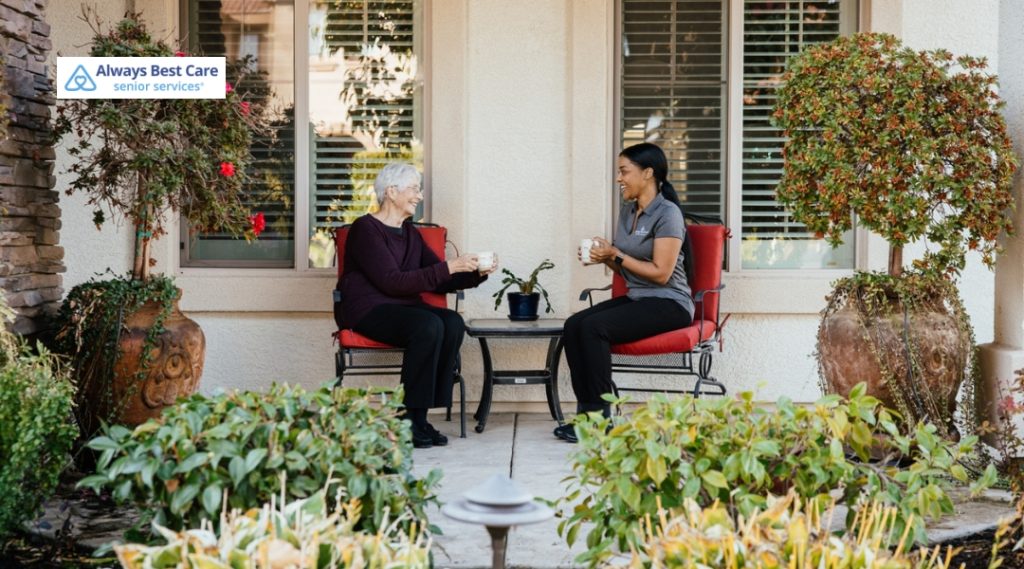
- Enjoy a cup of tea or coffee together in the afternoon
- Keep conversation light and friendly at the table
Those everyday moments—chatting over soup, laughing over dessert—can turn mealtime into something seniors look forward to instead of avoiding.
Spotting When Appetite Changes Need Attention
A mild dip in appetite now and then is normal. But some changes signal it’s time to take a closer look.
Watch for:
- Noticeable weight loss
- Ongoing difficulty chewing or swallowing
- Shifts in mood or behavior
- Frequent nausea or digestive discomfort
- Increased confusion or forgetfulness
These signs may point to medical, dental, or emotional issues that need care. A healthcare provider can review medications, check for health concerns, and suggest next steps to support safer, more comfortable eating.
Focus on Nutrient-Rich Foods
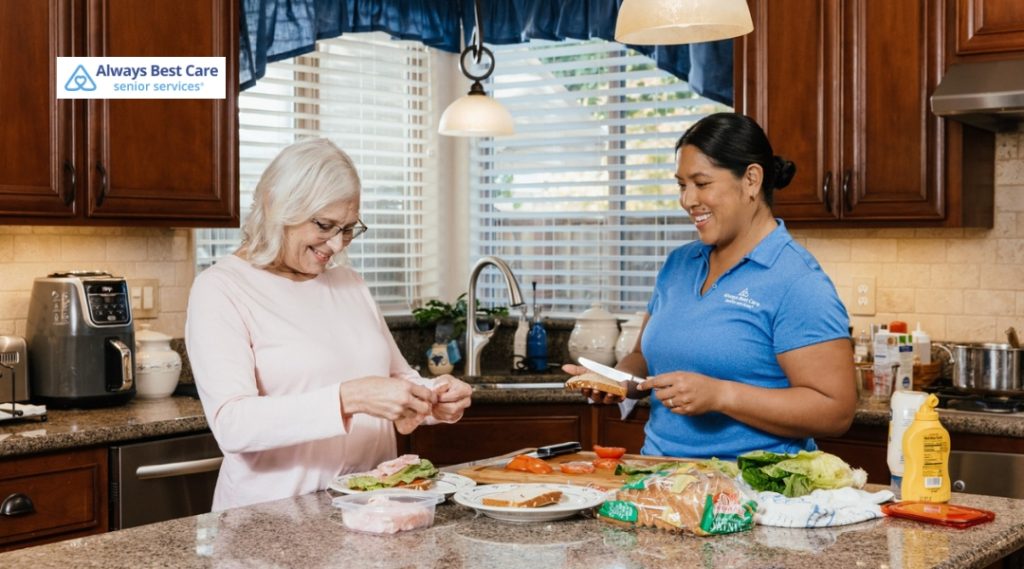
When a senior isn’t eating much, every forkful should work harder. Choosing foods rich in protein, vitamins, minerals, and healthy fats helps cover nutritional needs even with smaller portions.
Helpful options include:
- Eggs
- Greek yogurt
- Lean meats and fish
- Nut butters
- Beans and lentils
- Fresh fruits and vegetables
- Whole grains
Protein is especially crucial—it supports muscle mass and strength, which are key for balance, mobility, and remaining active at home.
How Always Best Care of Asheville, NC Supports Healthy Eating
Maintaining solid nutrition can become tricky as seniors age, particularly if they live alone or juggle health challenges. At Always Best Care of Asheville, NC, we know that good meals are about more than just food on a plate—they’re about comfort, routine, and feeling cared for.
We help seniors eat well by:
- Planning simple, appealing meals that match preferences and needs
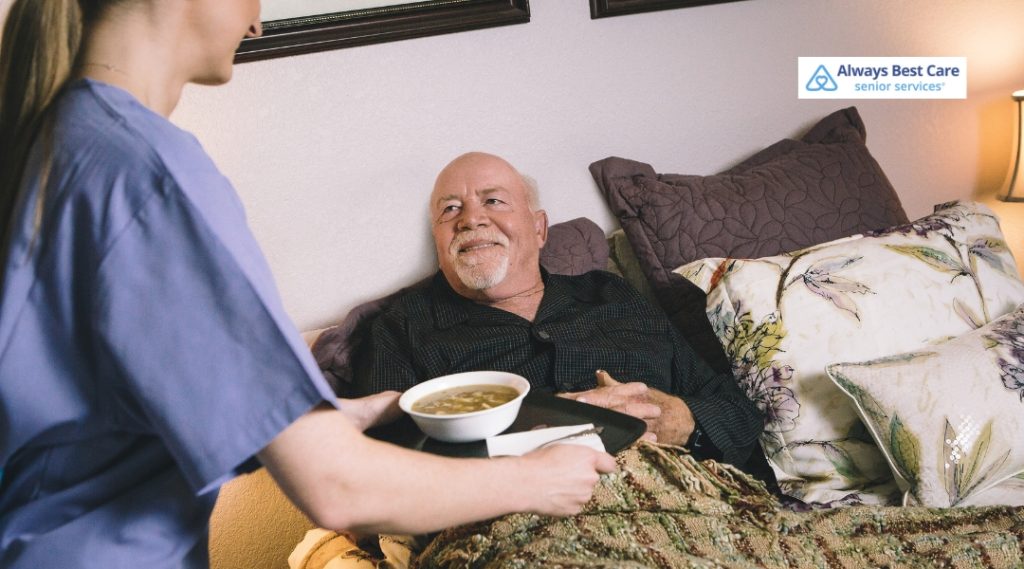
- Preparing meals and snacks that are easy to manage and enjoy
- Handling grocery shopping so pantries stay stocked with healthy choices
- Encouraging regular hydration throughout the day
- Keeping an eye on eating habits and appetite changes
- Offering companionship during meals to make eating more pleasant
- Sharing concerns with family members so everyone stays informed
By supporting steady, nourishing eating routines, we help older adults maintain strength, energy, and confidence at home.
FAQ: Helping Seniors Eat Well in Asheville, NC
Q: Is it normal for seniors to eat less as they age?
A: Some decrease in appetite can happen with age, but a persistent drop—especially with weight loss, fatigue, or mood changes—deserves attention and a conversation with a healthcare provider.
Q: How can I encourage my loved one to eat more without nagging?
A: Offer small, frequent meals; serve favorite foods; add extra flavor with herbs and spices; make meals social; and focus on gentle encouragement rather than pressure.
Q: What are good foods for a senior with a small appetite?
A: Protein-rich choices like eggs, Greek yogurt, nut butters, beans, lean meats, plus colorful fruits, vegetables, and whole grains help pack nutrition into smaller portions.
Q: How do we know if poor nutrition is affecting our loved one?
A: Look for signs such as weight loss, weakness, more frequent falls, low energy, slower healing, or increased illness. These may suggest that nutrition needs more attention.
Q: How can Always Best Care of Asheville, NC help with meals?
A: We provide meal planning, preparation, grocery shopping, hydration reminders, companionship at mealtimes, and careful monitoring of appetite changes, keeping families in the loop.
Support Healthy Eating and Independence at Home
A declining appetite isn’t just “getting older”—it can quietly undermine strength, energy, and independence for seniors in Asheville, NC. With thoughtful meal planning, more inviting food, social mealtimes, and close attention to health changes, seniors can continue enjoying nourishing meals day after day.
At Always Best Care of Asheville, NC, we’re here to walk alongside families, helping loved ones eat well, feel more supported, and thrive at home. If a loved one’s appetite has changed and meals are becoming a worry, we’re ready to help bring comfort—and good nutrition—back to the table. Contact Always Best Care of Asheville at (828) 676-2939 to learn more and schedule your free consultation.
Link to markdown version of this blog.