

Chronic Illness Home Care Support in Asheville, NC

Home is more than four walls. For most seniors, it represents decades of memories, cherished routines, and a deep sense of belonging. A chronic illness diagnosis does not have to change that.
Conditions like heart disease, diabetes, COPD, Parkinson’s, and arthritis affect millions of older adults — but they do not automatically require a move to a facility. With the right in-home support, many seniors can continue living safely and independently in the place they love most.
Table of Contents
What Readers Will Learn
- How chronic illness can affect a senior’s routines, mobility, safety, health management, and independence.
- Ways caregivers assist with personal care, meals, errands, transportation, medication reminders, and companionship.
- Why consistent support with medication, nutrition, hydration, activity, and appointments matters for long-term health needs.
- How caregiver observation and companionship can identify potential concerns early and reassure seniors and families.

What Readers Will Learn
- How chronic illness can affect a senior’s routines, mobility, safety, and independence.
- Ways caregivers help with personal care, meals, errands, transportation, medication reminders, and companionship.
- Why consistent support with nutrition, hydration, medications, activity, and appointments matters.
- How caregiver observation and companionship can provide reassurance for seniors and their families.
When Chronic Illness Makes Daily Life More Complex
Unlike a short-term injury or illness, chronic conditions require ongoing management. Over time, the cumulative demands — tracking medications, attending appointments, adjusting diet, managing pain — can become overwhelming, especially for seniors living alone.
What often tips the scale is not the illness itself, but the compounding effect of unmanaged details. A missed dose, a skipped meal, or an unnoticed symptom can escalate quickly. That is where consistent, personalized support makes a real difference.
Seniors managing chronic illness commonly face:
- Multiple medications with different schedules and dosage requirements
- Reduced mobility or persistent pain that limits daily activity
- Fatigue that turns routine tasks into exhausting efforts
- A higher risk of falls, especially in the home environment
- Difficulty getting to medical appointments without reliable transportation
- Social isolation, which can worsen both mental and physical health outcomes
These challenges are manageable. They just require the right kind of help.

What In-Home Care Actually Looks Like
In-home care is not a one-size-fits-all service. It is built around the individual — their health needs, their preferences, and their daily rhythm. A caregiver does not take over; they fill in the gaps so seniors can continue doing what they are able to do on their own terms.
Practical support typically includes:
- Assistance with bathing, dressing, and personal hygiene
- Meal planning and preparation tailored to dietary needs
- Light housekeeping and laundry
- Grocery shopping and running errands
- Medication reminders to keep treatment plans on track
- Transportation to and from medical appointments
This kind of hands-on help preserves energy. Instead of spending the day managing basic tasks, seniors can focus on their health, their relationships, and the activities that matter to them.

Consistency Is the Foundation of Chronic Illness Management
Managing a chronic illness long-term comes down to daily habits. Skipping medications, eating poorly, or missing follow-up appointments can lead to setbacks that are difficult — and costly — to reverse.
In-home caregivers help seniors stay consistent with:
- Prescribed medication schedules
- Balanced, nutritious meals and proper hydration
- Physician-approved physical activity
- Routine medical appointments and follow-ups
Small, steady habits compound over time. Seniors who maintain these routines tend to experience fewer complications and a better overall quality of life.
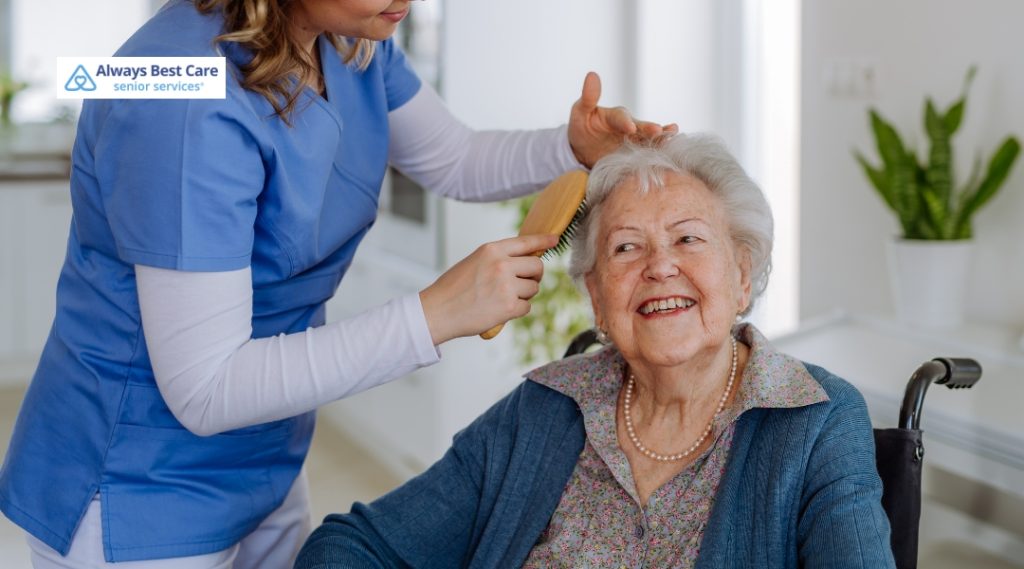
Catching Problems Before They Become Emergencies
One of the most underappreciated benefits of in-home care is early detection. Caregivers who spend regular time with a senior develop a baseline understanding of what “normal” looks like for that individual. When something shifts, they notice.
Warning signs caregivers are trained to watch for include:
- Changes in appetite or sudden weight loss
- Increased fatigue or unusual lethargy
- Difficulty walking or new instability
- Shortness of breath or chest discomfort
- Swelling in the legs or feet
- Confusion, mood changes, or behavioral shifts
Catching these signs early gives families and healthcare providers the opportunity to intervene before a minor issue becomes a hospital visit. For seniors with chronic illness, this kind of proactive monitoring can be genuinely life-saving.
The Emotional Side of Chronic Illness
Physical symptoms are only part of the picture. Many seniors living with a chronic condition also experience anxiety, frustration, grief over lost abilities, and deep loneliness — particularly if they live alone.
Companionship is a core component of quality in-home care. A caregiver who shares a meal, takes a walk, or simply sits and talks with a senior provides something that no medication can: human connection. Research consistently shows that social engagement improves outcomes for seniors managing chronic conditions.
For families, the peace of mind that comes from knowing a trusted professional is present — and paying attention — is invaluable.
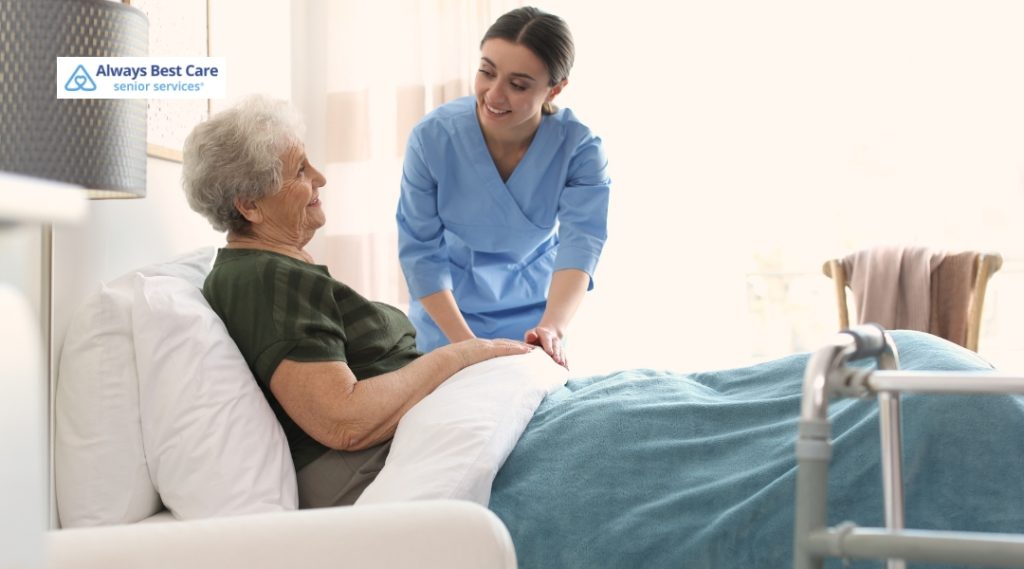
How Always Best Care of Asheville, NC Supports Seniors with Chronic Illness
At Always Best Care of Asheville, NC, we recognize that no two seniors are alike. Our care plans are built around each individual’s health profile, personal preferences, and long-term goals — not a generic checklist.
Whether your loved one is managing diabetes, recovering from a stroke, living with COPD, or navigating multiple conditions at once, our caregivers provide compassionate, skilled support that helps them stay safe, comfortable, and in control at home.
From medication reminders and meal preparation to companionship and transportation, we are here to support both seniors and the families who care for them.
A chronic illness changes how a senior lives — it does not have to change where they live.
Frequently Asked Questions
Q: What types of chronic illnesses can in-home care support?
A: In-home care is well-suited for a wide range of conditions, including heart disease, diabetes, COPD, Parkinson’s disease, arthritis, stroke recovery, and dementia. Caregivers are trained to provide support that complements each senior’s medical treatment plan.
Q: Is in-home care a replacement for medical treatment?
A: No. In-home caregivers are not medical professionals and do not replace doctors, nurses, or therapists. They provide non-medical support — such as personal care, companionship, and medication reminders — that helps seniors follow through on their treatment plans consistently.
Q: How do I know if my loved one needs in-home care?
A: Common indicators include difficulty managing daily tasks independently, missed medications or appointments, recent falls or mobility issues, signs of social withdrawal, or a recent hospitalization. A care consultation can help assess the level of support needed.
Q: Can in-home care reduce the risk of hospitalization?
A: Yes. Consistent in-home support helps seniors maintain healthy routines and allows caregivers to identify early warning signs before they escalate. This proactive approach has been shown to reduce unnecessary emergency room visits and hospital readmissions.
Q: How is a care plan created?
A: At Always Best Care of Asheville, NC, care plans are developed in collaboration with the senior, their family, and their healthcare providers. The plan is tailored to the individual’s specific health needs, daily routine, and personal preferences — and can be adjusted as needs change over time.
Q: What if my loved one’s needs change?
A: In-home care is flexible by design. As a senior’s condition evolves, their care plan can be updated to reflect new needs — whether that means increasing hours, adding services, or adjusting the type of support provided.
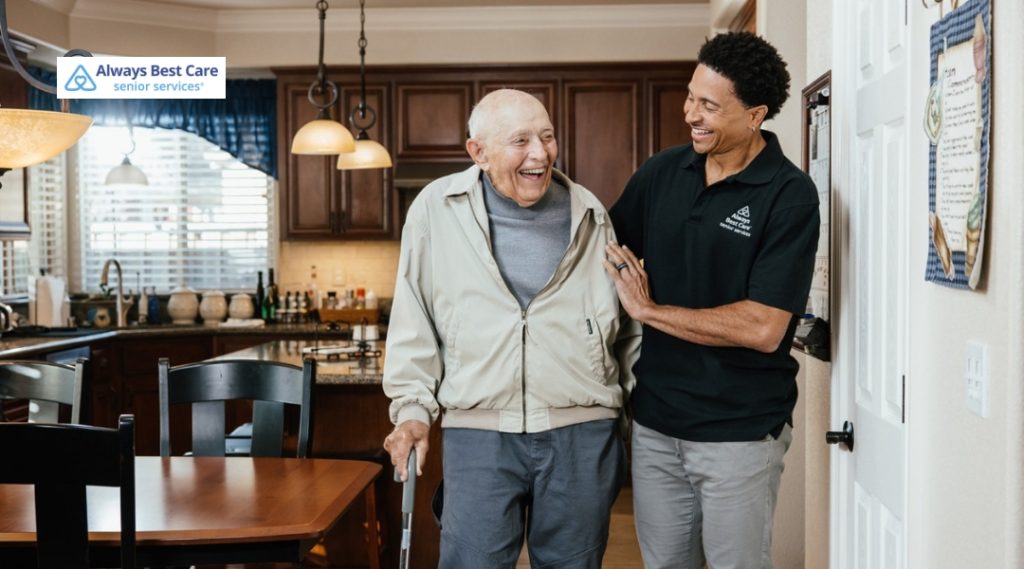
Help Your Loved One Stay Independent at Home
At Always Best Care of Asheville, we help seniors living with chronic illnesses remain safe, comfortable, and connected in the homes they love. From personal care and meal preparation to medication reminders, transportation, light housekeeping, and companionship, our caregivers provide dependable support shaped around your loved one’s health needs, routines, and goals.
Contact Always Best Care of Asheville at (828) 676-2939 to learn more and schedule your free consultation.
Link to the markdown version of this blog.