Senior Dehydration Prevention Tips in Asheville, NC
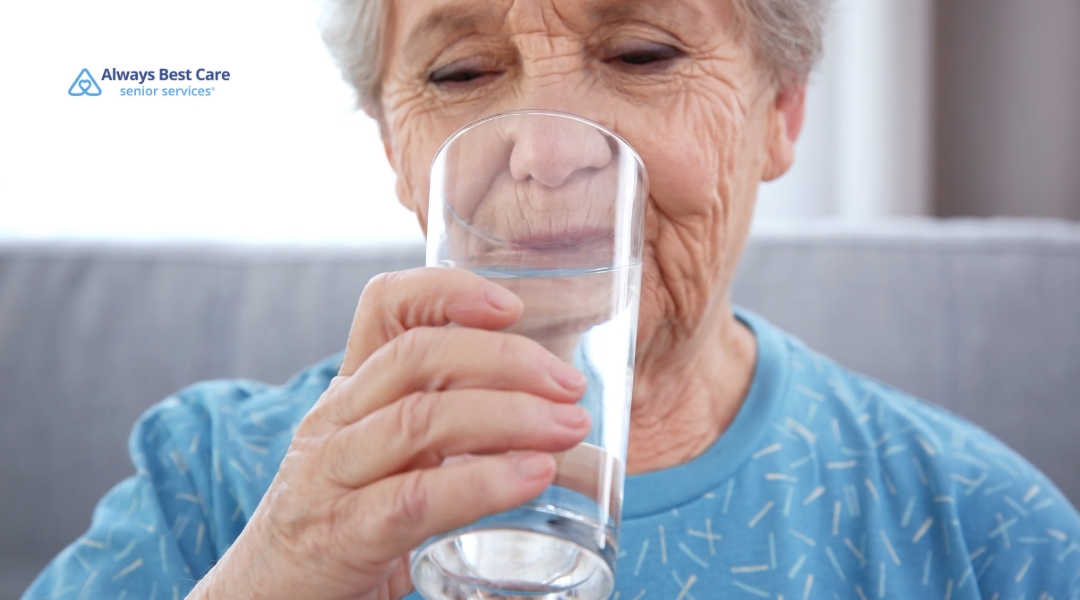
Most people rely on thirst to know when to drink water. But for older adults, that signal is not always dependable. The body’s ability to detect dehydration weakens with age, meaning seniors can become dehydrated without ever feeling thirsty. This is not a minor inconvenience — it is a genuine health risk that affects energy, cognition, and physical function.
Understanding why this happens and how to address it can make a meaningful difference in a senior’s quality of life.
Table of Contents
What Readers Will Learn
- Why aging can make thirst a less dependable signal for older adults.
- Common signs that may suggest a senior is becoming dehydrated.
- Simple daily hydration habits that can make fluid intake easier to maintain.
- How hydrating foods, caregiver reminders, and regular observation can support senior well-being at home.
How Aging Disrupts the Thirst Signal
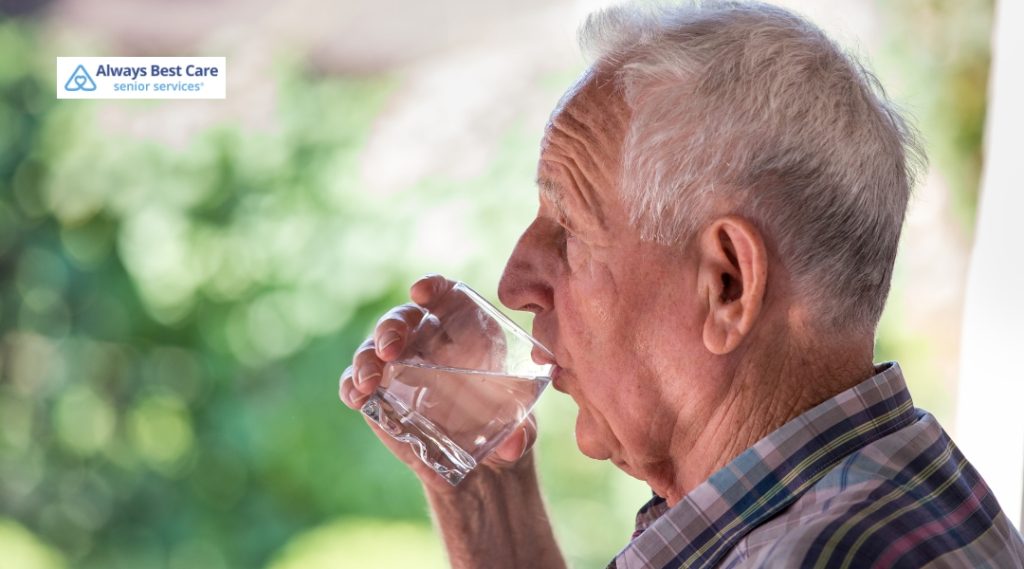
The hypothalamus, the part of the brain that regulates thirst, becomes less sensitive over time. Older adults also experience a reduction in total body water, which means they have less fluid reserve to draw from when dehydration begins. By the time a senior feels thirsty, they may already be in a mild state of dehydration.
Several factors compound this problem:
- Reduced kidney efficiency — Aging kidneys are less effective at conserving water, leading to greater fluid loss.
- Medications — Diuretics, blood pressure medications, and certain antihistamines can increase fluid loss or suppress thirst.
- Mobility limitations — When getting a glass of water requires effort or assistance, seniors may simply drink less.
- Bathroom concerns — Fear of incontinence or frequent nighttime trips can lead some seniors to intentionally limit fluid intake.
- Chronic illness — Conditions like diabetes or heart disease can affect fluid balance in complex ways.
These factors often work together quietly, making it easy for dehydration to go unnoticed until it becomes a problem.

What Dehydration Actually Does to the Body
Dehydration is not just about feeling dry. Even a 1–2% drop in body water can impair physical and cognitive performance. For seniors, the effects are often more pronounced and can escalate quickly.
Physical effects include:
- Fatigue and muscle weakness
- Headaches and dizziness
- Constipation
- Low blood pressure
- Increased fall risk
Cognitive and neurological effects include:
- Confusion or disorientation
- Difficulty concentrating
- Mood changes and irritability
Chronic mild dehydration is also linked to a higher risk of urinary tract infections, kidney stones, and pressure injuries. In severe cases, dehydration can result in hospitalization — a serious and often preventable outcome.

Warning Signs to Watch For
Because seniors may not self-report thirst or discomfort, family members and caregivers play a critical role in spotting early signs of dehydration.
Watch for:
- Dark yellow or amber-colored urine
- Dry mouth, cracked lips, or dry skin
- Sudden confusion or increased forgetfulness
- Unusual fatigue or weakness
- Dizziness when standing up
- Decreased urination
- Loss of appetite
If multiple symptoms appear together or worsen quickly, contact a healthcare provider promptly. Early intervention prevents a manageable issue from becoming a medical emergency.
Building Hydration Into the Daily Routine
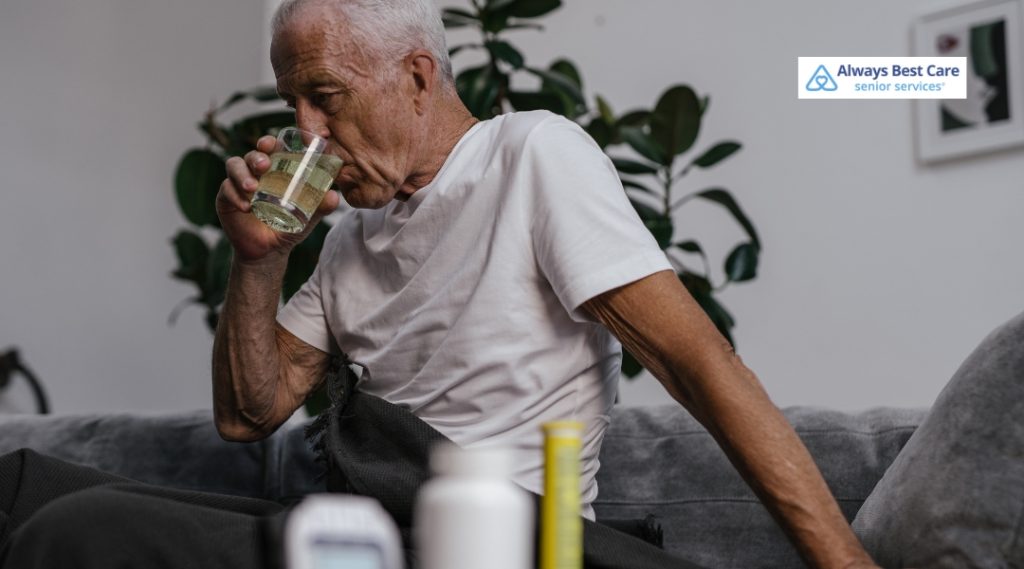
Since thirst is unreliable, hydration needs to become a habit — not a response. Structured routines are the most effective way to ensure consistent fluid intake throughout the day.
Practical strategies include:
- Drinking a full glass of water first thing in the morning
- Pairing fluid intake with meals and medications as a built-in reminder
- Keeping a water bottle visible and within easy reach at all times
- Setting phone or clock reminders to drink every one to two hours
- Drinking a glass of water before going outside or engaging in any physical activity
Small, consistent sips throughout the day are more effective than drinking large amounts infrequently. The goal is to make hydration automatic, not effortful.

Hydration Beyond the Water Glass
Water is the gold standard, but it is not the only source of hydration. Many foods and beverages contribute meaningfully to daily fluid intake, which is especially helpful for seniors who struggle to drink plain water.
Hydrating foods:
- Watermelon, cucumbers, strawberries, and oranges
- Lettuce, celery, and zucchini
- Broth-based soups and stews
Hydrating beverages:
- Herbal teas (hot or iced)
- Low-fat milk
- Diluted fruit juice
- Smoothies with high-water-content fruits
Caffeinated drinks like coffee and tea can still contribute to hydration in moderate amounts, though they should not replace water entirely. Alcohol, on the other hand, increases fluid loss and should be consumed sparingly.
How Caregivers Make a Real Difference
For seniors who live alone or manage multiple health conditions, maintaining consistent hydration can be genuinely difficult. Caregivers — whether family members or professional home care aides — are in a unique position to support healthy habits without making it feel like a chore.
Caregivers can help by:
- Proactively offering water and hydrating beverages throughout the day
- Incorporating high-water-content foods into meals and snacks
- Monitoring urine color and other early warning signs
- Encouraging hydration before and after outdoor activities or exercise
- Communicating any concerns to the senior’s healthcare team
Consistency matters. A caregiver who gently encourages fluid intake multiple times a day can significantly reduce a senior’s risk of dehydration-related complications.

How Always Best Care of Asheville, NC Supports Healthy Hydration
At Always Best Care of Asheville, NC, hydration is part of how we approach whole-person care. Our caregivers work with seniors to build daily routines that support good nutrition, consistent fluid intake, and overall well-being — all within the comfort of home.
From preparing balanced, hydrating meals to offering regular reminders and monitoring for early signs of health changes, our team is committed to helping seniors stay healthy, comfortable, and independent. We also keep families informed, so everyone is working together toward the same goal.
Frequently Asked Questions
Q: How much water should seniors drink each day?
A: General guidelines suggest around 8 cups (64 ounces) of fluid per day, but individual needs vary based on body weight, activity level, medications, and health conditions. A senior’s doctor can provide a more personalized recommendation.
Q: Is it possible to drink too much water?
A: Yes. Overhydration, or hyponatremia, can occur when fluid intake dilutes sodium levels in the blood. This is more common in people with certain health conditions. When in doubt, consult a healthcare provider about appropriate fluid targets.
Q: What is the easiest way to check hydration levels at home?
A: Urine color is one of the simplest indicators. Pale yellow urine generally signals good hydration, while dark yellow or amber urine suggests the need for more fluids. Clear urine may indicate overhydration.
Q: Are sports drinks a good option for seniors?
A: Sports drinks can help replenish electrolytes during or after significant physical activity, but many contain high amounts of sugar and sodium. For everyday hydration, water and low-sugar options are usually better choices.
Q: Can dehydration cause confusion in seniors?
A: Yes. Dehydration is a common and often overlooked cause of sudden confusion or cognitive changes in older adults. If a senior becomes unusually disoriented, checking hydration status is an important first step before assuming other causes.
Help Your Loved One Stay Hydrated at Home
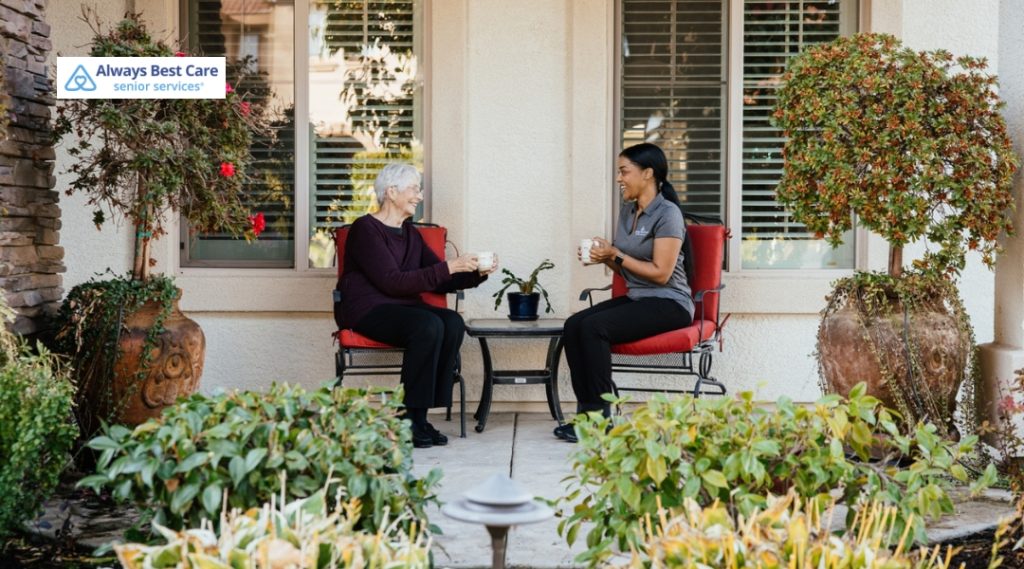
At Always Best Care of Asheville, we help seniors maintain healthy routines that support comfort, hydration, and overall well-being at home. From meal preparation and hydration reminders to companionship and daily support, our caregivers help make healthy habits easier to manage.
Contact Always Best Care of Asheville at (828) 676-2939 to learn more and schedule your free consultation.
Link to the markdown version of this blog.