
Home Care Strategies for Asheville Veterans With PTSD: Comfort, Choice, and Connection

For a Veteran living with posttraumatic stress disorder, or PTSD, accepting help at home can be a personal decision. Some may welcome companionship and practical assistance. Others may need time to feel comfortable with a new person entering their space.
The starting point is not making assumptions about military service or deciding what a Veteran should find comforting. It is listening to the individual, asking what feels helpful, and respecting their preferences.
Families can support a loved one by offering to listen without requiring them to talk, encouraging connection, and giving them space when needed. Non-medical home care can help with everyday routines, but it complements—not replaces—professional PTSD treatment.
Table of Contents
What You Will Learn
- How to build a predictable home care routine while preserving the Veteran’s choices and independence.
- Ways to communicate clearly, offer support, and listen without pressing for details about traumatic experiences.
- Why personal boundaries, privacy, and permission should guide everyday assistance.
Create Predictable Routines Without Taking Away Choice
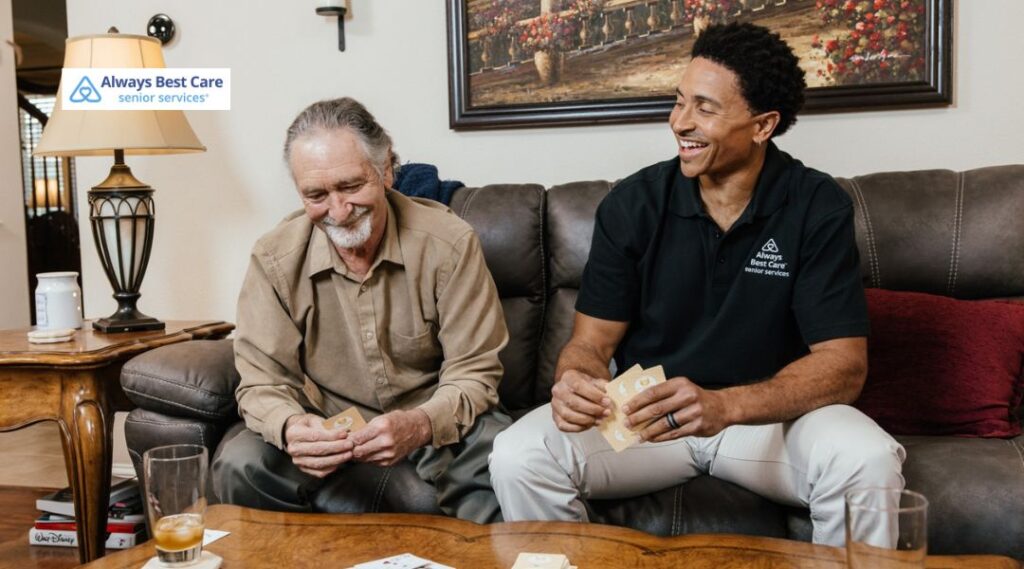
A familiar daily rhythm can make home care easier to understand and coordinate. Families can work with the Veteran to decide when assistance would be welcome and how visits should unfold.
A practical routine might include:
- An agreed-upon arrival time
- A brief conversation about the day’s priorities
- Help with meals or household tasks
- Time for a preferred activity
- Preparation for appointments
- Quiet time when requested
Present the schedule as a shared plan, not a set of rules. For example, ask, “Would you prefer help with laundry before lunch or afterward?”
Let the Veteran know about scheduling changes as early as possible. Ask the agency whether consistent caregiver assignments are available, while recognizing that staffing changes may occasionally occur.
These are practical planning ideas, not treatments for PTSD. Families should coordinate symptom-related concerns with the mental health professional.
Communicate Clearly and Without Pressure
Respectful communication helps families understand what support is wanted. Avoid pressing a Veteran to explain traumatic experiences or treating disclosure as necessary for receiving care.
The VA recommends listening without interrupting, being clear and direct, asking how to help, and avoiding unsolicited advice. It also encourages families to let their loved one know that they are available to listen when the time feels right.
Helpful phrases include:
- “Would you like company, or would you prefer some quiet time?”
- “Is it okay if I help with this?”
- “What would make today easier?”
- “You do not have to explain anything you do not want to discuss.”
A Veteran’s preferences may change from day to day. Asking again is often more useful than assuming yesterday’s choice still applies.
Respect Personal Space and Privacy
Receiving assistance does not mean giving up control over the home.
Before care begins, ask about personal boundaries and household preferences. A written care plan can document practical details such as:
- How the caregiver should announce their arrival
- Whether to knock before entering a room
- Which belongings should not be moved
- Whether assistance should be offered before approaching
- Which rooms are private
- Who may receive updates, with the Veteran’s consent
These questions should be routine and respectful—not based on assumptions that Veterans with PTSD are dangerous or difficult.
When a loved one withdraws, offer space while keeping the door open to future connection. The VA advises families to respect a need for distance while reassuring the person that support remains available.
Make Companionship Meaningful to the Individual
Companionship does not have to involve a busy outing or a lengthy conversation. It can be as simple as sharing a meal, watching a favorite program, or spending time together without pressure to talk.
Ask what the Veteran enjoys. Possibilities might include:
- Listening to music
- Discussing a favorite sport
- Looking through photographs they choose
- Working on a familiar hobby
- Taking a suitable walk
- Calling a trusted friend
- Preparing a favorite meal together
The VA encourages shared activities and contact with supportive family members and friends. Connection can be offered gently, without insisting that the Veteran participate in a group or discuss their trauma.
A helpful question is, “What would you enjoy doing?” rather than, “What activity will keep you busy?”

Support Treatment Without Becoming the Therapist
Families and caregivers can help make professional care easier to access. With the Veteran’s permission, this might involve organizing appointment details, arranging transportation, or preparing questions for the treating professional.
The VA suggests offering to accompany a loved one to medical visits and helping keep track of treatment information. However, the Veteran’s privacy and choices should guide that involvement.
Non-medical caregivers should not:
- Diagnose PTSD or other mental health conditions
- Provide psychotherapy
- Change medication doses
- Ask the Veteran to relive traumatic experiences
- Create exposure exercises
- Replace the clinician’s treatment plan with their own approach
Families can ask the mental health professional what support is appropriate at home. Useful questions include:
- “Which routines would help support the treatment plan?”
- “What changes should we report?”
- “What should we do if our loved one becomes distressed?”
- “Are there strategies the caregiver should follow?”
Offer Comfort Without Organizing Life Around Avoidance
It is reasonable to respect privacy, announce visits, and ask about preferred noise levels or activities. But everyday accommodations should not become a substitute for treatment or an expectation that the Veteran must avoid all potentially stressful situations.
If symptoms are narrowing daily life or making ordinary activities increasingly difficult, bring those concerns to the treating professional. Decisions about therapeutic exposure and symptom management belong with the Veteran and qualified clinician.
The VA provides treatment decision tools and resources for Veterans and families, including PTSD Coach and PTSD Family Coach. These can supplement education and support but should not be treated as replacements for professional care.
Give Family Caregivers Support, Too
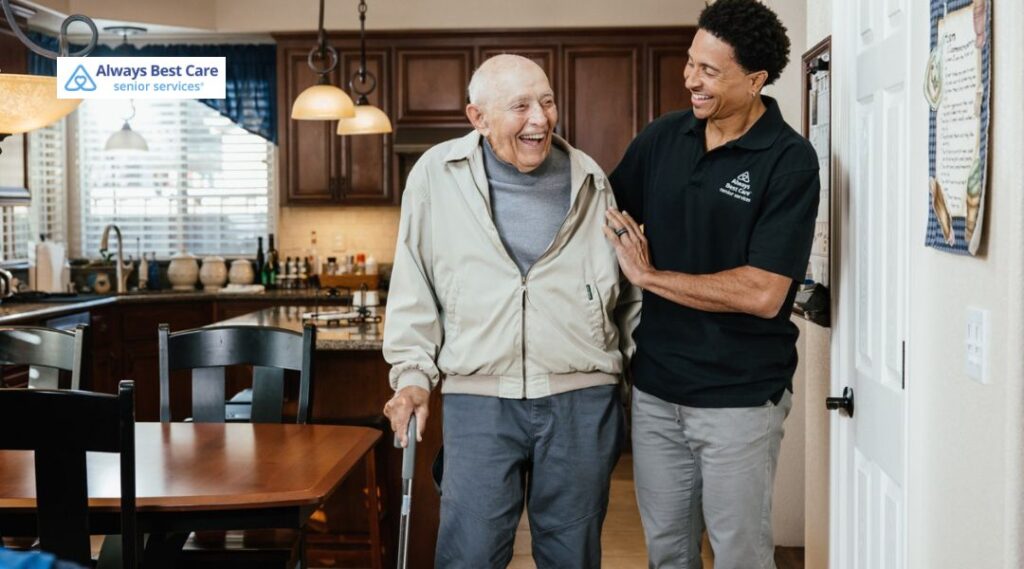
Supporting someone with PTSD can affect the whole household. Family members may need help balancing practical care, work, parenting, and their own emotional needs.
Share responsibilities where possible. One person might handle errands, another might provide transportation, and a caregiver might assist with daily tasks during scheduled visits.
Family caregivers can also:
- Protect time for rest and personal appointments
- Maintain friendships and activities outside caregiving
- Ask for practical help before becoming overwhelmed
- Discuss communication difficulties with a counselor
- Seek caregiver education or support
The VA recognizes that PTSD can affect family relationships and recommends support for family members as well as the person receiving treatment. Family therapy may help when communication is becoming difficult.
Agree on a Plan for Difficult Moments
Discussing preferences during a calm period can help families avoid improvising during distress.
Ask the Veteran and treating professional what an appropriate plan should include. Document who to contact, which clinician-approved strategies to use, and when emergency assistance is needed.
If a conversation becomes heated, a mutually agreed time-out can help everyone pause and return later. The VA describes a time-out approach in which either person can request a break and both agree when to resume the discussion.
If there is immediate danger, move to safety and call emergency services. PTSD should never be used to excuse abuse or require anyone to remain in an unsafe situation.
How Always Best Care of Asheville Can Help
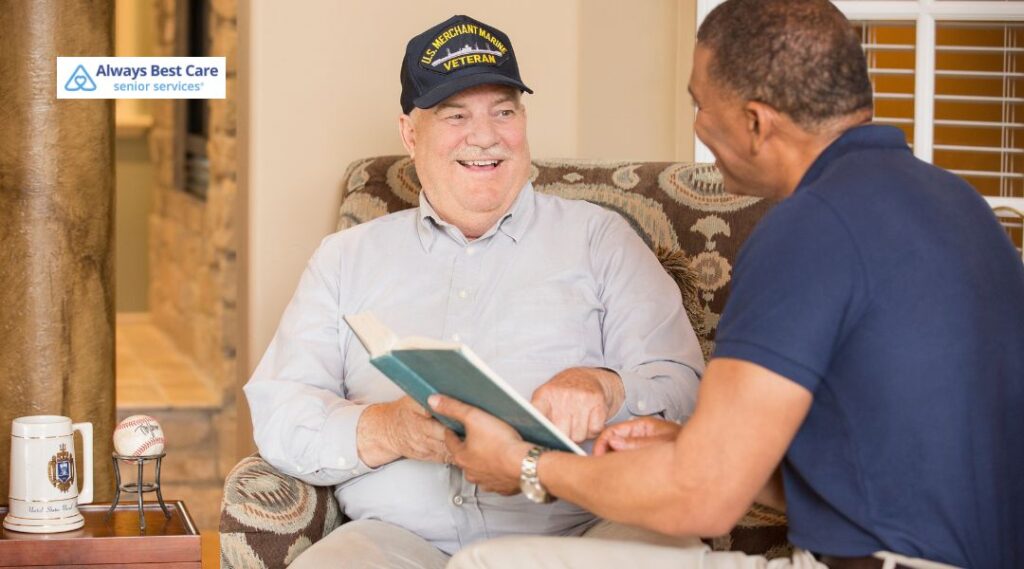
Contact Always Best Care of Asheville to discuss available non-medical in-home services and how they can be tailored to your loved one’s preferences.
Depending on local availability and the individualized care arrangement, assistance may include:
- Companionship
- Meal preparation
- Light housekeeping and laundry
- Errands and transportation assistance
- Medication reminders
- Personal-care support
- Respite for family caregivers
Before starting care, share the Veteran’s communication preferences, personal boundaries, daily routines, and any instructions they authorize the agency to receive from the healthcare team.
Ask how caregivers are matched, how schedule changes are communicated, and how concerns are reported. Do not assume that general home care includes specialized PTSD treatment or clinical crisis management.
FAQ
Q: Can home care treat PTSD?
A: No. Non-medical home care provides practical assistance and companionship. PTSD treatment should be managed by qualified mental health professionals. Home support can be coordinated around that treatment.
Q: Should a caregiver ask about the Veteran’s traumatic experiences?
A: The Veteran should decide whether to share. Families can offer to listen without pressing for details or making conversation about trauma a condition of care.
Q: What if the Veteran wants time alone?
A: Respect the request when it is safe to do so, and ask when they would prefer another check-in. The VA recommends offering space while making it clear that support remains available.
Q: How can families help with appointments?
A: With permission, help organize visit details, arrange transportation, prepare questions, or accompany the Veteran. Ask the treating professional what information would be useful to share.
Q: Does every Veteran with PTSD need the same approach?
A: No. Preferences, symptoms, abilities, and treatment goals differ. A useful home care plan reflects the individual rather than assumptions about Veterans or PTSD.
Q: What should families ask a home care provider?
A: Ask about caregiver matching, consistency, communication, privacy, training, service limits, and procedures for reporting concerns. Explain the assistance needed and confirm what the agency can safely provide.
Build Support Around the Veteran’s Preferences
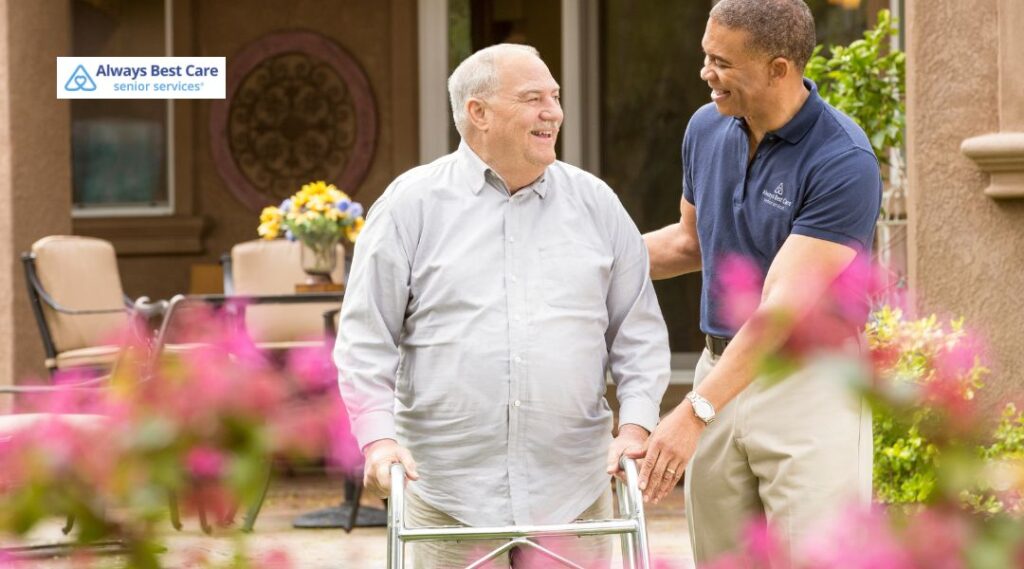
Thoughtful home care begins with listening, offering choices, and respecting the person’s space and priorities. Companionship and practical assistance can support everyday life while professional treatment addresses PTSD.
Contact Always Best Care of Asheville to discuss personalized in-home support that works alongside your loved one’s treatment plan and gives family caregivers practical relief. Contact Always Best Care of Asheville at (828) 676-2939 to learn more and schedule your free consultation.
Link to the markdown version of this blog.