

Living Life Your Way in Asheville: How Occupational Therapy Helps Seniors Stay Independent at Home

Staying at home in Asheville, with its familiar streets and mountain air, matters a lot to many older adults. That favorite armchair, the view from the porch, the neighbor who always waves—those things create a sense of comfort that’s hard to replicate anywhere else. Still, as the years add up, daily tasks can start feeling like uphill climbs instead of simple steps.
That’s where occupational therapy steps in as a quiet game-changer. Through practical strategies and gentle coaching, occupational therapists help Asheville seniors stay safer, more confident, and more active right where they feel most at peace: at home.

Table of Contents
What Is Occupational Therapy for Seniors at Home?
Occupational therapy focuses on everyday life—washing up, getting dressed, cooking meals, moving around the house, and keeping up with favorite activities. The goal isn’t perfection; it’s making real-life tasks doable and comfortable.
Occupational therapy for Asheville seniors aims to:
- Improve safety during daily routines
- Make tasks less tiring and more efficient
- Support independence for as long as possible
- Lift confidence after illness, injury, or gradual changes
Instead of asking, “What can’t you do anymore?”, an occupational therapist asks, “What do you want your day to look like—and how can we make that happen?”
Turning Daily Routines into Wins
Simple routines—like morning grooming, making coffee, or watering plants—can become powerful confidence boosters with the right support. An occupational therapist might:
- Show easier ways to get dressed while sitting down
- Suggest tools that make washing and grooming less stressful
- Help set up a morning routine that doesn’t feel rushed or exhausting
Each success, no matter how small, sends the message: “I can still do this.”
Housework and Meal Prep Without the Strain
Cooking dinner or tackling laundry doesn’t have to knock someone flat for the rest of the day. With a few tweaks, those tasks can stay manageable. For example, OT can help seniors:
- Rearrange the kitchen so that heavy or frequently used items sit at waist level
- Use a rolling cart instead of carrying heavy loads
- Break bigger chores into short, spaced-out steps
The result? A home that feels cared for—without draining every ounce of energy.
Small Home Changes with Big Impact
A home doesn’t have to be turned upside down to support aging. In fact, small, thoughtful changes often create the biggest safety gains. Occupational therapists walk through the home and look for simple fixes, such as:
- Removing tripping hazards like loose rugs or cluttered pathways
- Adding nightlights in bedrooms, hallways, and bathrooms
- Installing grab bars near toilets and in showers
- Adjusting furniture placement so walking paths are clear
These adjustments help reduce falls, which are one of the biggest threats to senior independence.
Using Tools That Make Life Easier
There are plenty of handy gadgets and devices that can make daily life smoother—if they’re chosen wisely and used correctly. An occupational therapist may recommend and teach the use of:
- Walkers or canes set to the right height
- Shower chairs and hand-held shower heads
- Reachers, grabbers, or sock aids
- Utensils designed for unsteady or painful hands
Seniors learn to work with these tools confidently, instead of feeling intimidated by them.

Confidence and Emotional Well-Being
Managing daily tasks with less fear and frustration does wonders for emotional health. Seniors who feel capable at home often feel less anxious, less embarrassed, and more hopeful about the future.
Occupational therapy nudges that confidence along by:
- Setting realistic goals and celebrating progress
- Addressing fears about falling or “being a burden”
- Offering new ways to do old tasks without shame
Little by little, the home starts feeling like a place of possibility again, not a minefield of “can’t do that anymore.”
Keeping Hobbies and Connections Alive
Independence isn’t just about bathing or cooking; it’s about joy. Occupational therapists help Asheville seniors stay plugged into the things that make their days worth waking up for, such as:
- Gardening with raised beds or seated work areas
- Crafting with better lighting and easier-to-hold tools
- Walking in the neighborhood using safer routes and pacing plans
- Using phones or tablets to chat with family and friends
Staying engaged—body, mind, and heart—can be just as important as staying safe.

Safer Ways to Help, Less Guesswork
Family caregivers often jump in with love and good intentions, but they may feel unsure about how to help without overdoing it. Occupational therapists act as coaches, showing caregivers how to:
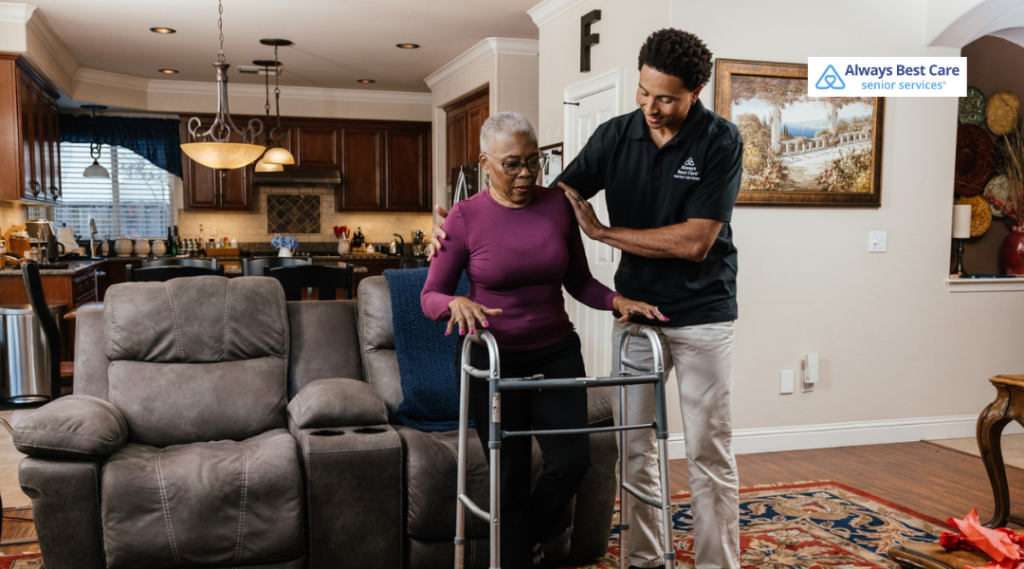
- Assist with transfers safely, without hurting themselves or their loved one
- Offer just enough help instead of taking over every task
- Use simple prompts and cues that encourage independence
Caregiving becomes a bit less stressful, and seniors keep more control over their daily lives.
Routines Everyone Can Live With
A day that’s too busy or too empty can wear everyone down. Occupational therapy helps families build routines that:
- Match the senior’s energy levels
- Balance activity with rest
- Include time for connection, hobbies, and quiet moments
With a rhythm that feels sustainable, the home runs more smoothly for both seniors and caregivers.

FAQs
Q: How does occupational therapy help seniors stay independent at home?
A: Occupational therapy helps seniors stay independent by teaching safer ways to handle daily tasks, suggesting helpful tools, and adjusting the home so everyday activities become easier and less risky.
Q: Is occupational therapy only for seniors after a serious fall or surgery?
A: No. Occupational therapy can be useful long before a major event, especially if a senior is starting to struggle with balance, energy, or everyday routines. Early support often prevents bigger problems later.
Q: How long does it usually take to see benefits from occupational therapy?
A: Some changes, like safer movement techniques or re-arranged rooms, can make a difference right away. Building strength, stamina, and confidence typically takes a few weeks to a few months.
Q: Can occupational therapy and in-home senior care work together?
A: Yes. Occupational therapists create strategies and recommendations, while in-home caregivers help seniors practice those strategies and maintain safety during daily routines.
Thriving at Home in Asheville
Growing older at home doesn’t have to mean giving up the routines and joys that make life feel like your own. With the right blend of practical tips, supportive tools, and caring guidance, occupational therapy helps Asheville seniors stay steadier, more independent, and more confident in their daily lives. Contact Always Best Care of Asheville at (828) 676-2939 to learn more and schedule your free consultation.
Link to the markdown version of this blog.