Signs Your Loved One’s Wound Needs Professional Home Care in Asheville, NC
Small cuts and scrapes usually aren’t a big deal. A quick clean, a bandage, and we move on with our day. But as loved ones age, wounds can heal more slowly and sometimes turn into serious health concerns. That’s where wound care at home and skilled nursing in Asheville, NC start to matter.
At Always Best Care of Asheville, NC, we help families figure out that tricky question: Is home care enough, or is skilled nursing needed for wound care?
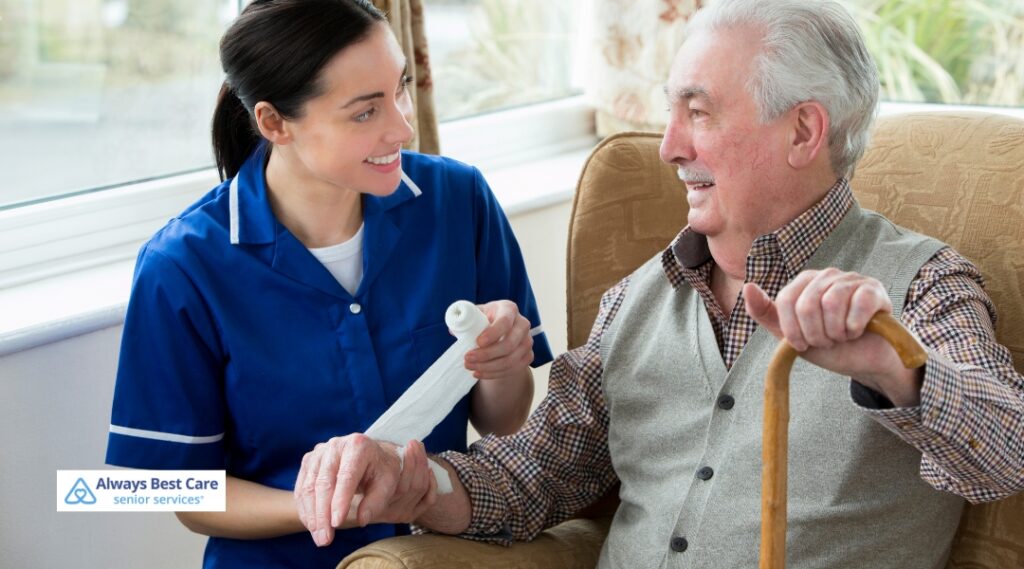
Table of Contents
What You Will Learn
- Why wounds can become more complicated for older adults because of fragile skin, diabetes, poor circulation, limited mobility, dehydration, nutrition concerns, medications, and other chronic health conditions.
- Which wounds may require skilled nursing or a clinical evaluation, including post-surgical incisions, pressure injuries, diabetic foot ulcers, circulation-related wounds, burns, skin tears that are not healing, and chronic wounds.
- Warning signs that should prompt prompt contact with a healthcare provider, such as worsening redness, warmth, swelling, pain, drainage, foul odor, skin-color changes, fever, chills, sudden confusion, or unusual drowsiness.
Why Wounds Can Be Harder for Seniors
As the years go by, skin doesn’t bounce back the way it used to. It gets thinner and more fragile, so even a minor bump can turn into a tear or bruise. Add slower healing to the mix, and wounds often stick around longer than we’d like.
A few common reasons wounds are more complicated for older adults:
- Aging skin – More delicate, easier to break, slower to repair.
- Health conditions – Diabetes, poor circulation, and limited mobility can slow healing and increase risk of infection.
- Nutrition and hydration – Not getting enough protein, vitamins, minerals, or fluids can make wounds tougher to heal.
For families in Asheville, NC, that means a small wound on a senior’s leg or foot shouldn’t be brushed off. Keeping a close eye on healing is key.
What Types of Wounds May Need Skilled Nursing Care?
Not every scrape needs a nurse, but some wounds really do call for professional attention at home. Skilled nursing support can make healing safer and more comfortable.
Skilled wound care may be recommended for:
- Surgical incisions that need ongoing monitoring
- Pressure injuries (bedsores)
- Diabetic foot ulcers
- Wounds caused by poor circulation
- Skin tears that don’t close or heal easily
- Burns or more serious injuries
- Chronic wounds that haven’t improved as expected
A doctor or other healthcare provider usually decides what level of care is needed and how often skilled nursing visits should happen. We at Always Best Care of Asheville, NC then follow that plan to support healing at home.
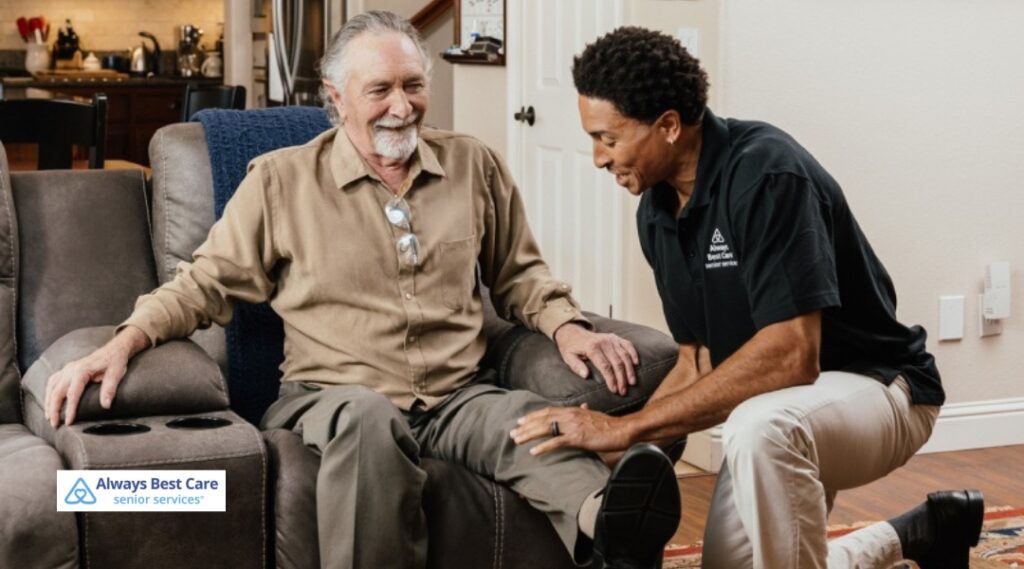
Warning Signs a Wound Needs Medical Attention
Sometimes a wound looks fine at first, then suddenly takes a turn. That’s why families should watch for changes, not just the size of the wound.
Call a healthcare provider or seek medical attention if you notice:
- Increasing redness, warmth, or swelling around the wound
- More pain than before
- Drainage, pus, or a strong or unusual odor
- Skin color changes around the wound
Urgent warning signs can include:
- Fever or chills
- Confusion or unusual drowsiness
- A sudden drop in overall energy or alertness
Seniors with diabetes, weak immune systems, or circulation problems can develop serious infections quickly. In those situations, it’s safer to act fast rather than wait and see.
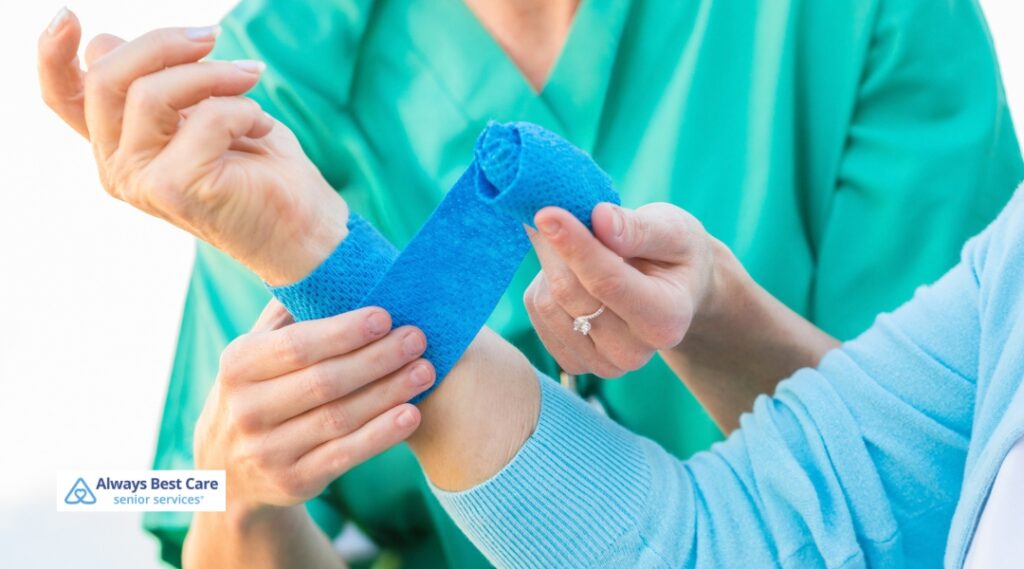
Skilled Nursing for Wound Care in Asheville, NC
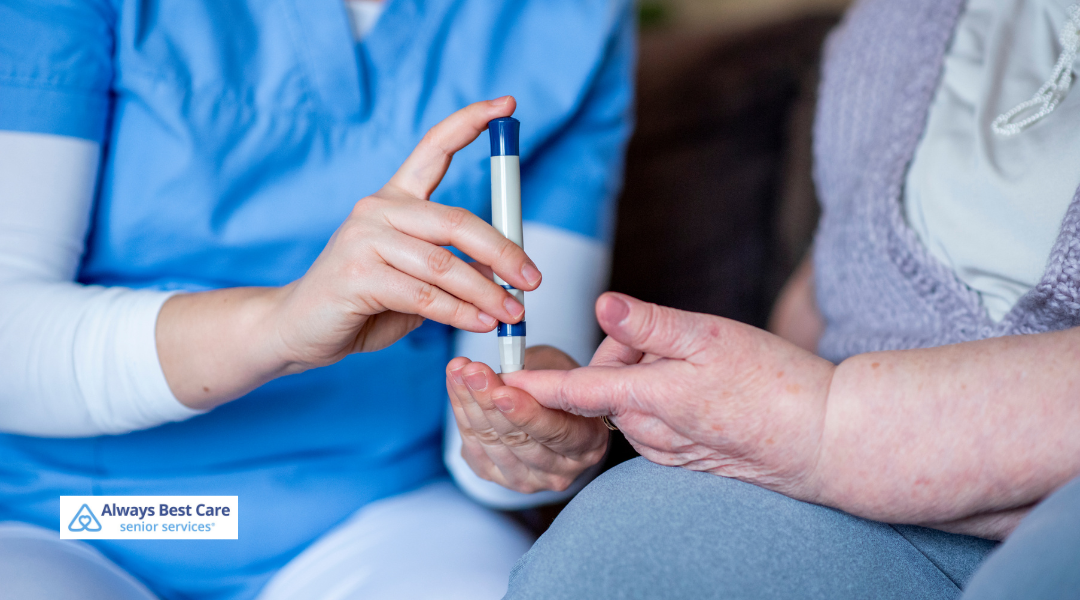
So what does a home health nurse actually do for wound care? Skilled nursing brings medical knowledge right into the living room or bedroom, following the care plan set by a healthcare provider.
Depending on the wound, skilled nursing support may include:
- Assessing the wound and tracking healing over time
- Cleaning the wound safely and gently
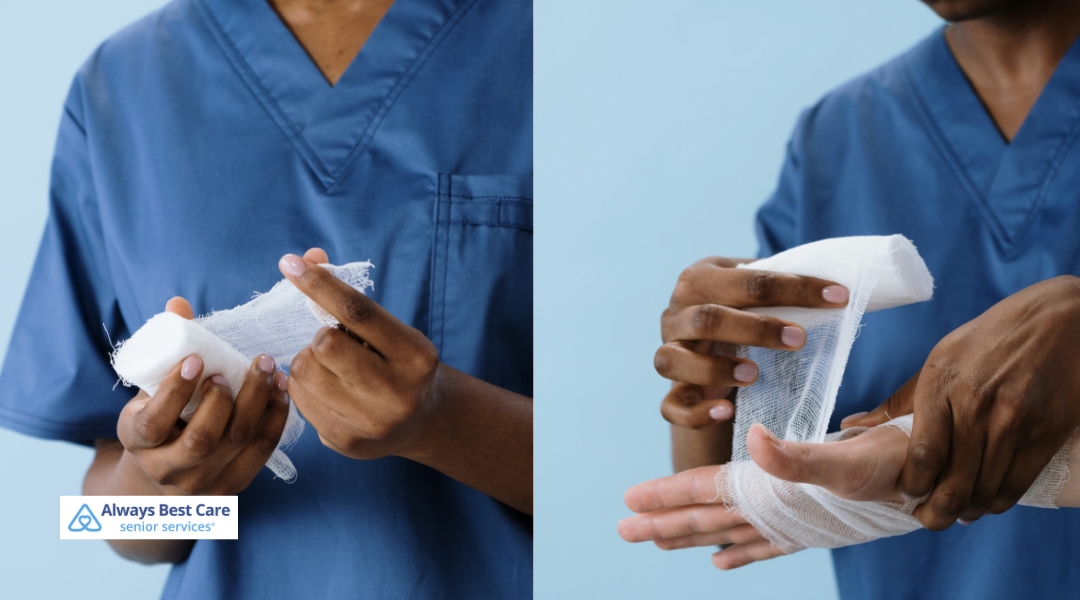
- Changing dressings and bandages
- Watching closely for signs of infection
- Teaching families how to care for the wound between visits
- Reporting changes, concerns, or progress to the broader healthcare team
We at Always Best Care of Asheville, NC know that having a nurse visit at home can be especially comforting after a hospital stay, rehab, or surgery. Families don’t have to figure out wound care on their own or worry they’re doing something wrong.
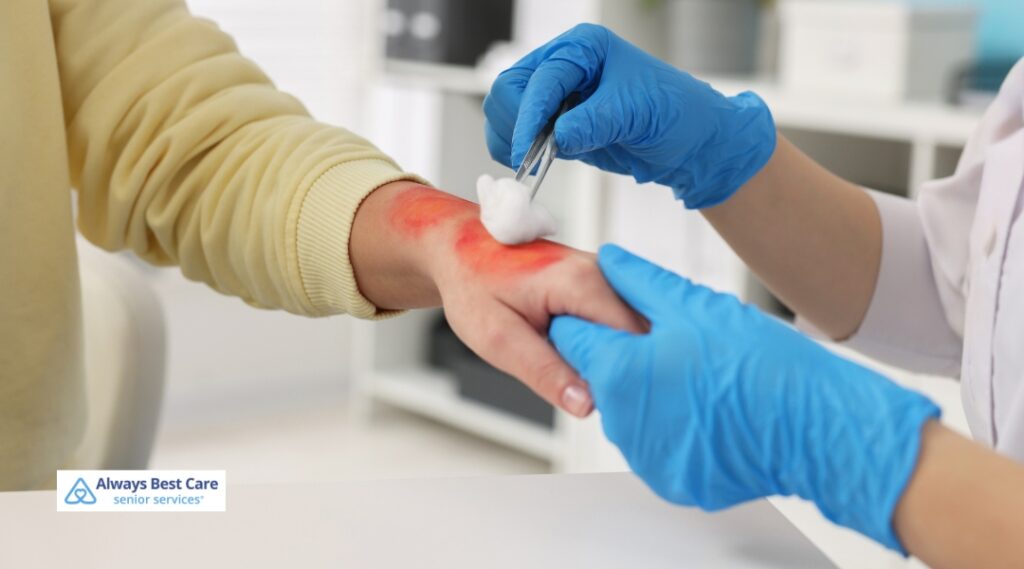
Preventing Pressure Injuries at Home
For seniors who spend a lot of time in bed or in a chair, preventing wounds is just as important as treating them. Pressure injuries, or bedsores, often show up on bony areas of the body that stay in contact with a surface for too long.
Helpful strategies include:
- Changing positions regularly to relieve pressure
- Keeping skin clean, dry, and gently moisturized
- Using cushions or special mattresses designed to reduce pressure
- Encouraging regular meals and fluids to support healthy skin and healing
Caregivers should pay extra attention to:
- Heels
- Hips
- Tailbone
- Elbows
Catching early redness or sore spots can stop a small problem from turning into a deep, painful wound.
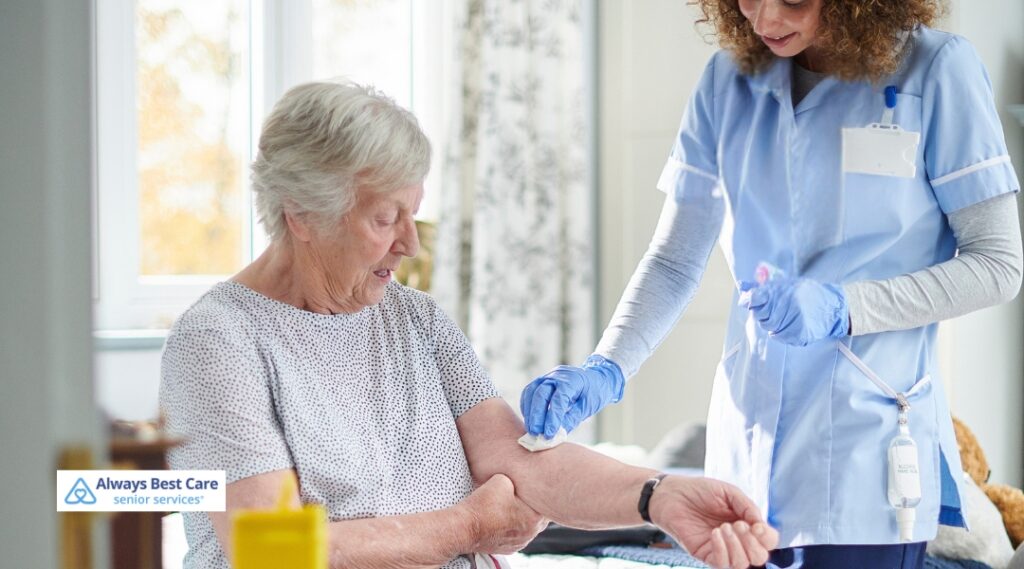
How Home Health and In-Home Care Work Together
Skilled nursing focuses on medical wound care, but many seniors also need everyday help while they’re healing. That’s where in-home caregivers and home health services can blend together to support the whole person.
An in-home caregiver can:
- Help with bathing, dressing, and grooming
- Prepare meals that support healing and hydration
- Assist with light housekeeping and laundry
- Offer safe support with walking and getting in and out of bed or chairs
- Notice changes and share concerns with family or healthcare providers
We at Always Best Care of Asheville, NC often work alongside home health nurses so seniors get both medical care and daily support in the same familiar environment. That teamwork makes wound care at home more manageable for everyone involved.
Supporting Safer Healing at Home in Asheville, NC
Good wound care at home is about more than bandages. It’s about comfort, safety, dignity, and peace of mind for the whole family. Skilled nursing, paired with in-home support, helps seniors stay where they’re happiest—at home—while still getting the care they need.
We at Always Best Care of Asheville, NC offer services designed to help older adults stay safe and supported, especially after surgery, hospital stays, or new medical diagnoses that complicate wound healing. Families can talk with us about:
- Skilled nursing for wound care
- In-home caregivers for daily support
- Short-term care after a health event
- Longer-term care for ongoing needs
If a loved one is healing from a wound and needs extra help at home in Asheville, NC, reaching out for a care consultation can be a simple first step toward safer recovery.
FAQs – Wound Care at Home and Skilled Nursing
Q: . How do I know if my loved one’s wound needs skilled nursing care?
A: If the wound is deep, not healing, related to surgery, or connected to diabetes or poor circulation, skilled nursing is often recommended. Warning signs like increasing pain, redness, drainage, or fever are also strong reasons to seek professional help.
Q: Can wound care be safely done at home in Asheville, NC?
A: Yes, many wounds can be cared for safely at home as long as they’re monitored closely. Skilled nursing and in-home caregivers can work together to support healing and spot problems early.
Q: What’s the difference between skilled nursing and in-home care?
A: Skilled nursing focuses on medical needs such as wound care, medication management, and monitoring health conditions. In-home care focuses on daily tasks like bathing, meals, and light housekeeping. Both can be important during recovery.
Q: How often will a nurse visit for wound care?
A: Visit frequency depends on the type of wound, the doctor’s orders, and how healing is progressing. Some wounds need daily care at first, while others may only need a few visits each week.
Q: Can Always Best Care of Asheville, NC help after a hospital stay or surgery?
A: Yes, we can coordinate care to support wound healing at home after a hospital stay or surgery, including skilled nursing and in-home caregivers based on your loved one’s needs.
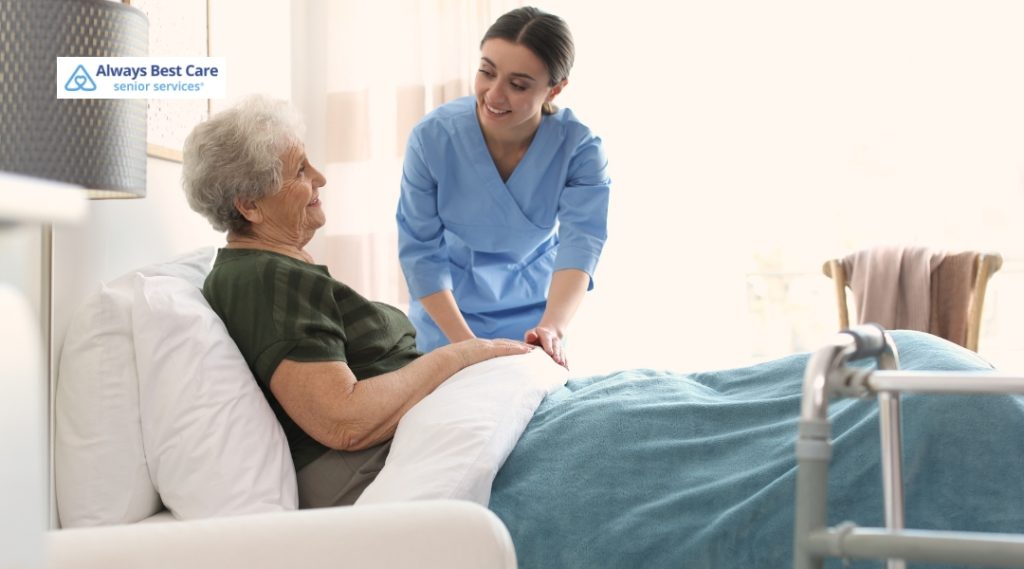
Support Safer Wound Recovery at Home
Wound recovery can be more complicated for older adults, especially when diabetes, poor circulation, limited mobility, recent surgery, or other health conditions affect healing. A clear care plan, prompt clinical guidance, and dependable day-to-day support can help families recognize concerns earlier and make recovery at home more manageable.
We at Always Best Care of Asheville, NC, are here to walk beside families through that process, offering skilled nursing, in-home support, and guidance so wound care doesn’t feel like a guessing game. With the right help, home can stay a safe and healing place. Contact Always Best Care of Asheville at (828) 676-2939 to learn more and schedule your free consultation.
Link to the markdown version of this blog.