

Building Confidence at Home: Ways Asheville Seniors Can Stay Active and Engaged
For many Asheville seniors, the hardest part of aging isn’t a diagnosis—it’s the quiet feeling of “I can’t do what I used to.” After a fall, an illness, or changes in strength or memory, even simple tasks can feel intimidating. That loss of confidence often leads to doing less, staying seated more, and slowly shrinking the day.
The good news is that confidence can be rebuilt. With the right support, seniors can still be active, involved, and proud of what they accomplish at home. A little bit of safe movement, mental challenge, and meaningful participation goes a long way—especially when home care offers calm, consistent encouragement.

Table of Contents
Light Movement: Staying Active Without Overdoing It
Staying physically active doesn’t have to mean intense workouts. Gentle, regular movement helps Asheville seniors maintain strength, balance, and energy—key ingredients for feeling steady and capable.
Ideas that work well at home include:
- Short indoor walks: Walking laps around the house or down the hallway, with a cane or walker if needed.
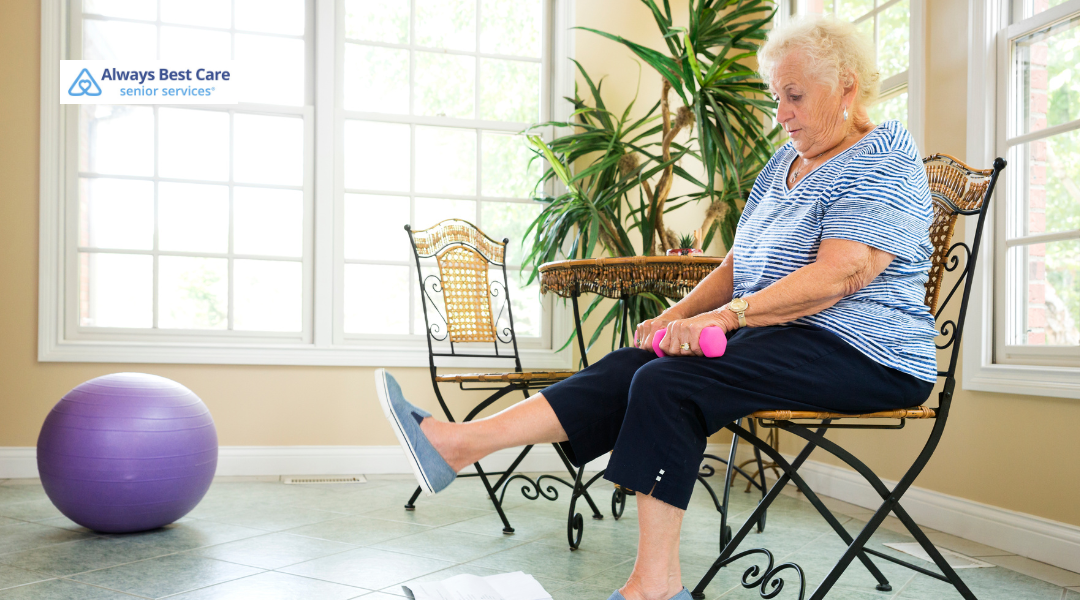
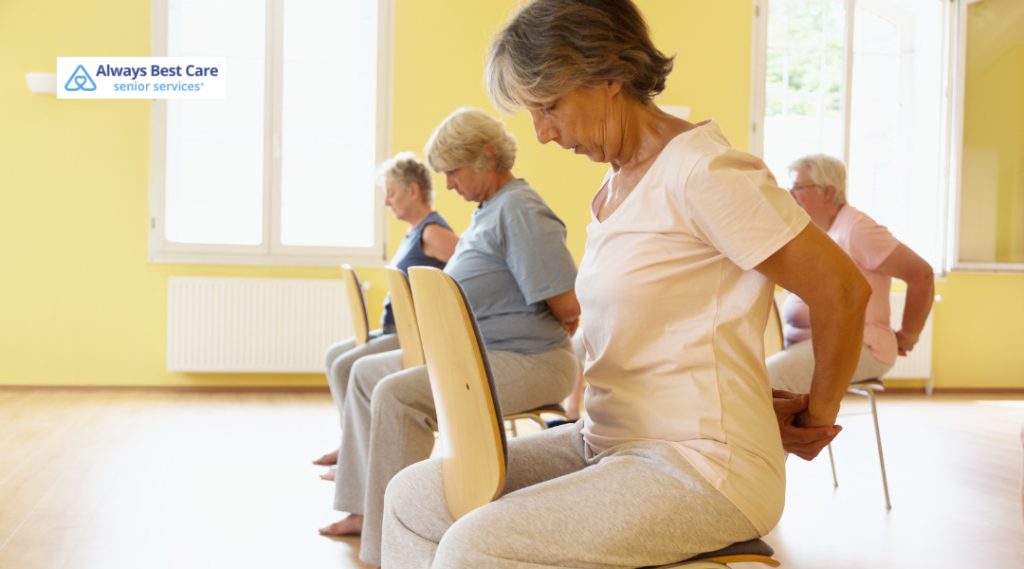
- Chair exercises: Simple leg lifts, arm raises, and ankle circles done while seated.
- Supported standing: Standing at the kitchen counter for light stretching, with a sturdy surface to hold.
- “Movement breaks”: Getting up every hour or so during the day for a few minutes of walking or stretching.
Home care caregivers can stand by for safety, offer a steady arm, and help seniors find the right amount of activity—enough to feel productive, not so much that they’re exhausted.
Brain Games and Mental Engagement
Confidence isn’t only physical; it’s also about feeling mentally “awake.” When days are long and quiet, thinking can feel slower and memory fuzzier, which can erode confidence even more.
Simple ways to keep the mind engaged include:
- Word puzzles and number games: Crosswords, word searches, Sudoku, or matching games at an appropriate difficulty.
- Card and board games: Go Fish, rummy, checkers, or dominoes—easy to learn and easy to adapt.
- Reading and discussion: Books, devotionals, magazines, or local news followed by a short chat.
- Reminiscing: Looking through photo albums or talking about “how things used to be” in Asheville and beyond.
Caregivers can bring activities, set them up, and participate alongside the senior, so it feels like fun—not a test.
Safe Household Tasks That Build Pride
Many seniors feel most confident when they’re contributing, not just being “taken care of.” Even small, safe tasks can restore a sense of purpose and usefulness.
Depending on abilities, seniors might:
- Fold towels or washcloths.
- Match socks or sort laundry.
- Wipe tables or dust reachable surfaces.
- Help set or clear the table.
- Water houseplants or tend to a few potted herbs or flowers.
Home care can break tasks into manageable steps, provide any needed tools or adaptations, and keep an eye on safety—so seniors stay involved without being overwhelmed.
Creative Hobbies to Spark Joy
Creative activities can lift mood and give seniors something to look forward to, even if their abilities have changed over time. The key is to tailor hobbies so they’re enjoyable, not frustrating.
Possibilities include:
- Art and crafts: Coloring books, simple painting, collages, or making greeting cards.
- Music: Listening to favorite songs, singing along, or gently moving to the rhythm.
- Writing and storytelling: Journaling, dictating memories, or recording family stories.
- Simple DIY projects: Assembling photo boards, organizing keepsake boxes, or labeling old photos together.
Caregivers can gather supplies, set up the space, and join in, making creative time feel comfortable and fun rather than lonely or intimidating.
Structuring the Day for Success
Confidence grows when the day feels manageable, not chaotic. A loose, predictable routine helps seniors know what’s coming and feel more in control.
A supportive daily rhythm might include:
- Morning: Unhurried wake-up, grooming, breakfast, and a short movement or brain activity.
- Midday: Lunch, a rest period, and a light task or hobby.
- Afternoon: A walk, game, or visit with family or a caregiver; then a quiet break.
- Evening: Dinner, calming activities (music, reading, TV), and a consistent bedtime routine.
Home care professionals can help build and maintain this routine, adjusting it gently as energy levels and abilities change.

How Home Care Gently Encourages Participation
Sometimes seniors know they “should” stay active but feel afraid of falling, failing, or slowing others down. A trained caregiver can be that calm, patient presence who nudges them forward without pressure.
Home care can:
- Offer choices instead of commands: “Would you like to fold towels or water the plants?”
- Break tasks into small steps and celebrate each one.
- Provide reassurance: “I’m right here with you; we’ll take it slowly.”
- Notice when to push just a little—and when to pause for rest.
- Adapt activities on the fly to match how the senior is feeling that day.
This kind of support helps seniors rediscover what they can do, instead of focusing only on what they’ve lost.
Benefits for Asheville Families
Supporting a loved one’s confidence takes time, creativity, and patience—especially on tough days. Families may want to provide that support but feel stretched thin by work, children, or their own health needs.
With home care involved, families can:
- Count on regular, purposeful engagement for their loved one—even when they’re away.
- Get ideas and feedback from caregivers about which activities work well.
- Enjoy more relaxed visits focused on connection, not just chores and safety checks.
- Feel less guilty or worried about not being able to “entertain” their loved one all day.
That partnership helps both seniors and families feel more supported and less alone in the process.

FAQs: Confidence, Activity, and Home Care in Asheville
Q: How does staying active at home improve a senior’s confidence?
A: When seniors move, think, and participate in tasks they can manage, they’re reminded of their abilities. Each small success—finishing a puzzle, taking a walk, helping with dinner—builds a sense of “I can still do things.”
Q: What if my loved one says they’re “too tired” or “not interested” in activities?
A: Gently offering short, simple options can help: “Let’s try five minutes and stop if it’s too much.” Starting small, choosing familiar activities, and joining in yourself often makes participation feel less intimidating.
Q: Can home care really make a difference in how active a senior is?
A: Yes. Caregivers can weave movement, mental engagement, and small tasks into everyday routines, turning long, quiet hours into opportunities for safe, meaningful activity.
Q: What if my loved one has mobility or memory problems—can they still be active?
A: Most of the time, yes, with the right adaptations. Many activities can be done while seated, simplified, or guided step by step. The goal is safe participation, not perfection.
Q: How often should a caregiver visit to support activity and engagement?
A: It depends on how much time the senior spends alone and how much support the family can provide. Some benefit from a few visits each week; others do best with daily or longer visits. The plan can be adjusted over time.
Small Steps Toward Stronger Confidence
For Asheville seniors, confidence rarely comes back all at once. It returns in small moments—a successful walk, a shared laugh over a card game, a meal they helped prepare, a story retold and enjoyed.
By building gentle movement into the day, keeping the mind active, inviting safe participation in household tasks, and using creative hobbies to spark joy, families and home care together can help seniors feel more capable and engaged right where they are: at home. Contact Always Best Care of Asheville at (828) 676-2939 to learn more and schedule your free consultation.
Link to the markdown version of this blog.