
Building Safer Communities in Asheville, NC: Preventing Elder Abuse

Elder abuse isn’t just a headline on the news; it’s something that can hit close to home before we even realize what’s going on. One offhand bruise, a nervous laugh, a sudden change in spending—on their own, they might not look like much. Put together, though, they can signal real trouble for someone we love.
In Asheville, NC, many families are doing their best to keep aging parents or grandparents safe, but the reality is that abuse can happen in private homes, care facilities, or even within long‑trusted relationships. That’s exactly why staying alert, asking questions, and stepping in early can make all the difference.
At Always Best Care of Asheville, NC, we see how powerful it is when families stay informed and involved. Together, we can help seniors stay safe, respected, and treated with the dignity they’ve earned over a lifetime.
What You Will Learn:
- What elder abuse is and the different forms it can take.
- Warning signs families in Asheville should watch for.
- Risk factors that increase vulnerability in seniors.
- Practical steps to prevent abuse and promote safe, respectful care.

Table of Contents
What Is Elder Abuse, Really?
Elder abuse happens when someone harms an older adult—or fails to provide the care they need—causing pain, distress, or danger. Sometimes it’s obvious and harsh. Other times, it’s quiet, hidden, and brushed off as “just getting older.”
Common forms of elder abuse include:
- Physical abuse – hitting, pushing, rough handling, or using restraints the wrong way
- Emotional abuse – yelling, threats, insults, humiliation, or isolating a senior from people they care about
- Financial abuse – misusing money or property, pressuring a senior to sign documents, or sneaking access to accounts
- Neglect – not providing enough food, hygiene, medication, clean clothing, or a safe place to live
- Abandonment – leaving a senior alone without the care or supervision they clearly need
Elder abuse prevention starts with one big realization: harm doesn’t have to leave a visible mark to be serious.
Warning Signs Families Shouldn’t Ignore
Sometimes, something just feels “off.” Maybe your loved one seems jumpy around a certain person, or their bank account doesn’t quite add up. Those gut feelings matter.
Possible warning signs of elder abuse include:
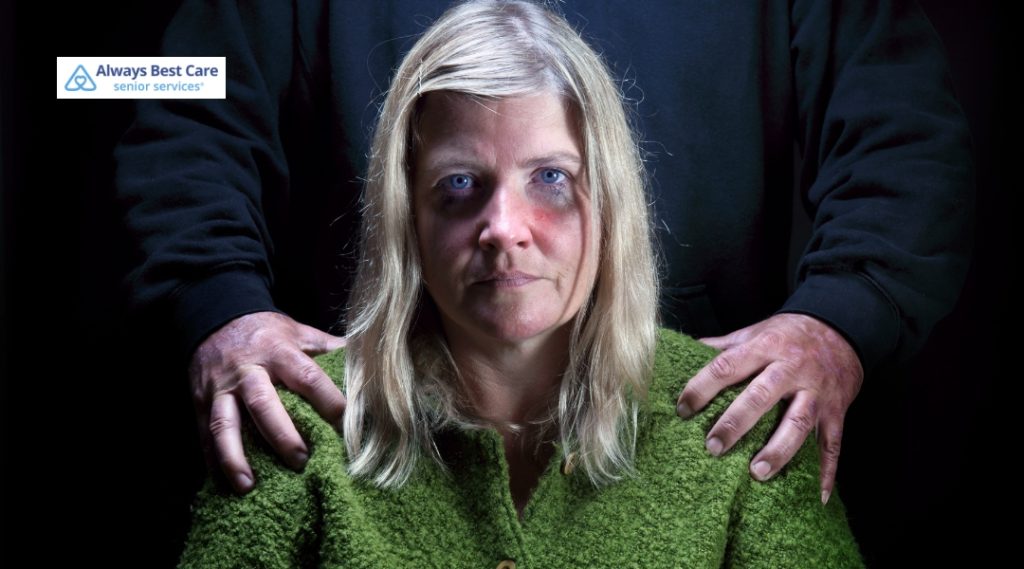
- Unexplained bruises, cuts, sprains, or frequent “mysterious” falls
- Sudden mood changes—fearful, unusually quiet, agitated, or withdrawn
- Poor hygiene, dirty clothes, or a home that’s cluttered and unsafe
- Rapid changes in bank balances, unpaid bills, or missing valuables
- Nervousness or hesitation around a caregiver or family member
- Changes in eating or sleeping, or reluctance to talk openly
If something doesn’t sit right, it’s worth a closer look and a calm, caring conversation.
Why Some Seniors Are at Higher Risk
Not every senior faces the same level of risk. Some circumstances make it easier for abuse or neglect to slip through the cracks.
Common risk factors include:
- Social isolation – very few visitors, no close friends nearby, or rarely leaving home
- Cognitive decline – memory loss, dementia, or confusion that makes it hard to explain what’s happening
- Physical limitations – needing help with bathing, dressing, walking, or using the bathroom
- Financial dependence – relying on others to manage money, pay bills, or handle paperwork
- Caregiver stress – a family member or caregiver who is overwhelmed, exhausted, or without support
By spotting these risk factors early, families can step in, adjust the care plan, and lower the chances of harm.
Elder Abuse Prevention: Simple Steps Families Can Take
Elder abuse prevention doesn’t have to be complicated. Often, it’s about staying present, asking questions, and keeping a close, caring eye on day‑to‑day life.
You can:
- Stay involved – visit in person when possible, and mix in phone or video calls
- Ask open‑ended questions – “How are things going with your caregiver?” instead of “Everything fine?”
- Keep an eye on finances – review statements, bills, and major purchases with your loved one
- Build a support circle – neighbors, friends, faith communities, and trusted professionals can all help watch out for changes
- Watch for caregiver burnout – look for signs of stress and talk about getting extra help before things boil over
- Encourage social connection – senior centers, clubs, and community activities can reduce isolation and lift spirits
A little extra involvement today can prevent a painful crisis tomorrow.
How Professional In‑Home Care in Asheville, NC Helps Prevent Abuse
Professional in‑home care can be a powerful piece of elder abuse prevention, especially for seniors who want to stay in the comfort of their own homes.
At Always Best Care of Asheville, NC, we’re focused on helping seniors live safely and comfortably while treating them with respect at every step. We carefully screen and train caregivers so families know someone trustworthy is walking through the door.
Here’s how we help protect seniors:
- We provide consistent, reliable support with daily tasks like bathing, dressing, meals, and mobility.
- We pay attention to changes in behavior, mood, or physical condition and share concerns with families.
- We promote independence and dignity, not control or pressure.
- We work closely with families so everyone stays informed and involved in the care plan.
We don’t just show up to help with tasks; we show up as watchful, caring partners who want seniors to feel safe, understood, and valued.

What Should You Do If You Suspect Elder Abuse?
That uneasy feeling in your stomach? It’s there for a reason. If you suspect something’s wrong, doing nothing is the real risk.
Steps to Take If You’re Worried
- Talk privately with your loved one
Choose a calm, safe setting. Ask gentle questions such as, “Has anyone been treating you in a way that makes you uncomfortable?” - Write down what you notice
Document dates, injuries, comments, bank changes, and names of people involved. This record helps if you need to report the situation. - Reach out to professionals
Contact local adult protective services, healthcare providers who know your loved one, or law enforcement if there’s immediate danger. - Adjust the care situation
Add more supervision, change caregivers if needed, and involve trusted family members or friends.
Speaking up can feel uncomfortable, but staying silent allows the problem to grow.

Creating a Safer Future for Seniors in Asheville, NC
Elder abuse prevention isn’t a one‑time task; it’s an ongoing commitment shared by families, caregivers, neighbors, and the wider community.
In Asheville, NC, we at Always Best Care of Asheville, NC work closely with families to create safe, supportive home environments where seniors can truly thrive. We listen, we pay attention, and we take concerns seriously, because dignity and safety are non‑negotiable.
If you’re looking for compassionate care and extra peace of mind, we’d be honored to support your family and help protect the seniors who mean so much to you.

FAQs About Elder Abuse Prevention
Q: What’s the first sign of elder abuse families usually notice?
A: Many families first notice a sudden change—mood shifts, fearfulness, unexplained bruises, or odd financial activity. Any change that doesn’t have a clear explanation deserves attention and a conversation.
Q: Is elder abuse always intentional?
A: Not always. Neglect, for example, can happen when a stressed or overwhelmed caregiver stops meeting basic needs. The impact on the senior is still serious, even if there wasn’t a deliberate plan to cause harm.
Q: How can we talk about elder abuse without upsetting our loved one?
A: Speak gently, in private, and from a place of care: “I care about you, and I’ve noticed a few things that concern me. Has anything been bothering you?” Reassure them they’re not to blame.
Q: Are seniors who live at home safer than those in facilities?
A: Abuse can happen anywhere—at home, in a facility, or within trusted relationships. The key is regular contact, oversight, and clear communication, no matter where a senior lives.
Q: How can Always Best Care of Asheville, NC support our family with elder abuse prevention?
A: We provide trusted in‑home care, keep a close eye on changes in health and behavior, share concerns with families, and help create a safe, respectful environment where seniors can feel secure and cared for.
Protect Your Loved One With Compassionate, Trusted Care
Elder abuse prevention starts with us—family members, friends, and caregivers who care enough to ask questions, pay attention, and step in when something isn’t right. By recognizing warning signs, reducing risk factors, and building a strong support network, we can help seniors in Asheville, NC live with the safety and respect they deserve.
At Always Best Care of Asheville, NC, we’re committed to walking that path alongside you, offering compassionate care and steady support so your loved one can remain safe, comfortable, and truly at home. Contact Always Best Care of Asheville at (828) 676-2939 to learn more and schedule your free consultation.
Link to the markdown version of this blog.