Skilled Nursing in Asheville: Elevating Stroke Recovery Outcomes for Seniors
Stroke can turn a senior’s world upside down in a matter of minutes. By the time they leave the hospital, they’re often facing weakness, confusion, new medications, and a long list of follow-up appointments. For many Asheville families, that’s where the questions start pouring in: “What’s next? Who’s going to help with all of this?”
Skilled nursing in Asheville can bridge that gap. With clinical expertise, round-the-clock monitoring, and focused rehabilitation, seniors get the structure and support they need to heal safely, regain strength, and work toward the highest level of independence possible after a stroke.
What You Will Learn:
- Why skilled nursing is critical for safe, effective stroke recovery after hospital discharge.
- The role of medical monitoring, therapy, and coordinated care in improving outcomes.
- How personalized care plans support mobility, safety, nutrition, and emotional well-being.
- How skilled nursing and caregiver support help Asheville families navigate recovery with confidence.
Table of Contents
Why Skilled Nursing Matters After a Stroke
Recovering from a stroke isn’t just about getting stronger; it’s about managing serious medical risks while the brain and body heal. Even after discharge, seniors may be at risk for another stroke, infections, falls, or complications from new medications.
Skilled nursing care offers:
- Close monitoring of vital signs and neurological status
- Precise management of medications and treatment plans
- Early detection of complications or changes in condition
- Coordination with physicians, therapists, and specialists
Instead of families guessing their way through complex care, they have a clinical team watching closely and adjusting care as needed.
Skilled Nursing Services That Support Stroke Recovery
Stroke recovery touches almost every part of life — movement, speech, thinking, and daily tasks. Skilled nursing in Asheville is designed to cover those medical and functional needs under one roof.
Common skilled nursing services for stroke survivors include:
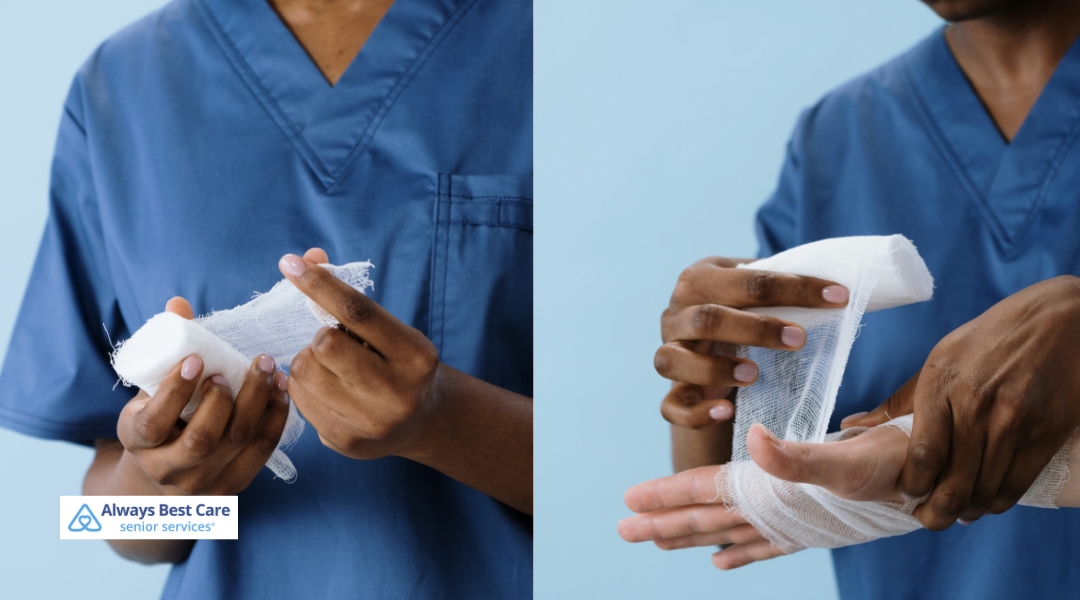
- Wound care, injections, and IV therapies when needed
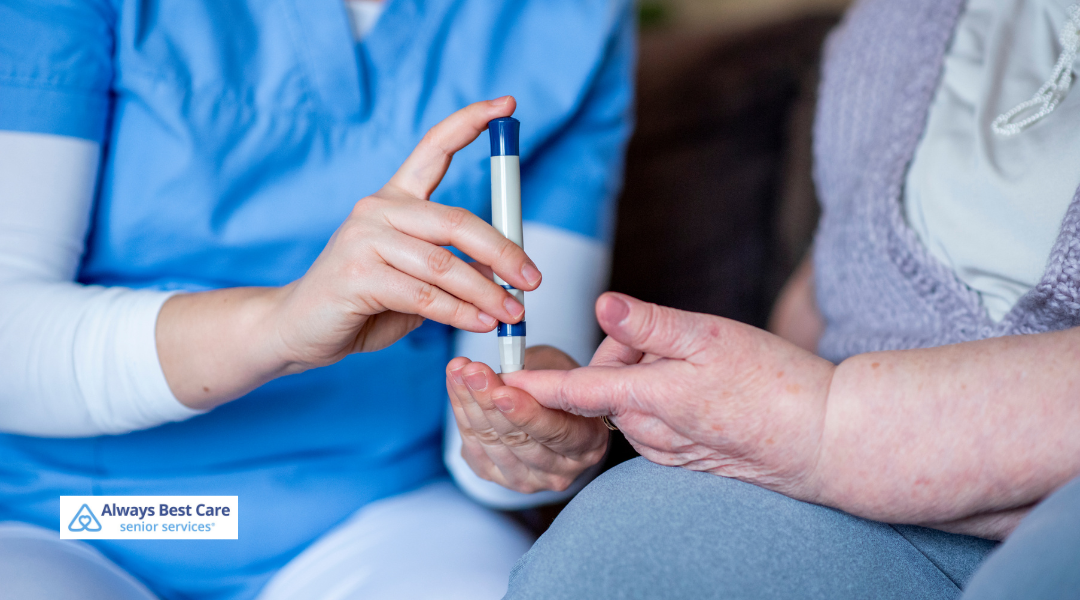
- Blood pressure, blood sugar, and heart monitoring
- Medication management and education
- Pain management and symptom control
- Coordination of lab work, imaging, and follow-up visits
With these services in place, seniors aren’t just “resting,” they’re being actively supported through a medically fragile period.
Rehabilitation: Physical, Occupational, and Speech Therapy
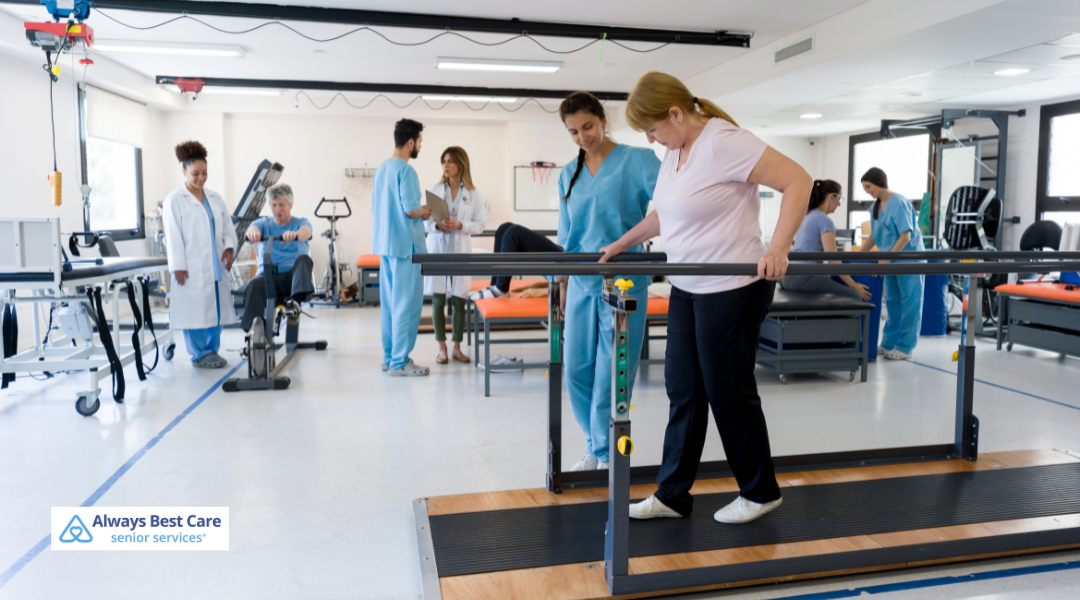
Therapy is one of the biggest drivers of recovery after a stroke. In a skilled nursing setting, rehab is woven into the daily routine rather than tacked on as an occasional appointment.
- Physical therapy focuses on balance, strength, walking, and transfers
- Occupational therapy helps with dressing, bathing, cooking, and hand coordination
- Speech therapy supports speech clarity, language, swallowing, and cognitive skills
Therapists and nursing staff work together so what’s learned in therapy can be reinforced throughout the day — from safe transfers to practicing speech strategies during meals or conversations.
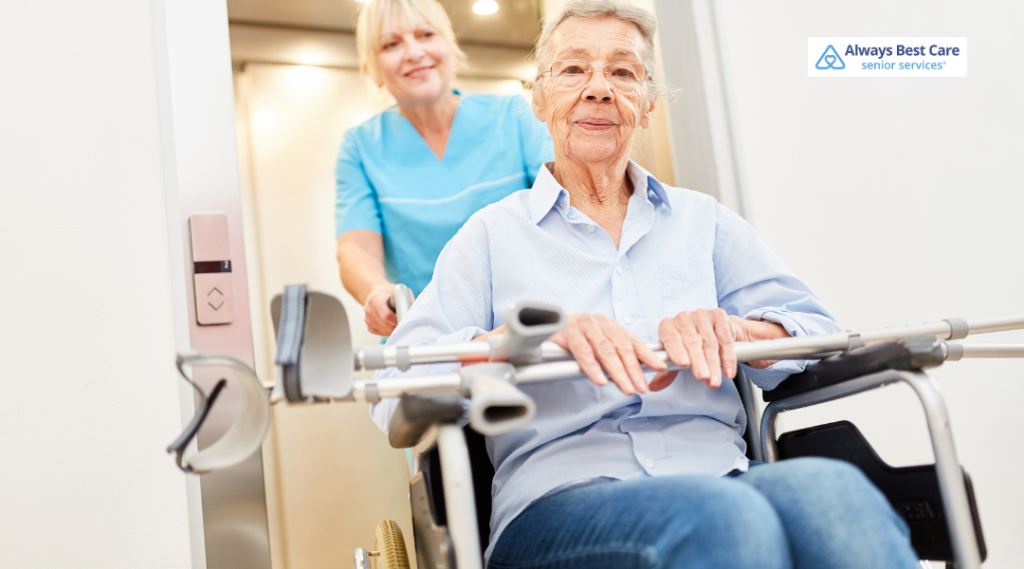
Elevating Outcomes With Individualized Care Plans
No two strokes affect the brain in exactly the same way. One senior may struggle mainly with speech, while another battles severe weakness on one side. That’s why personalized care plans are at the heart of effective skilled nursing in Asheville.
A strong post-stroke care plan usually includes:
- Specific mobility and strength goals
- Clear safety strategies to prevent falls and injuries
- Guidelines for swallowing and nutrition
- Cognitive and memory support strategies
- Emotional and behavioral health considerations
These plans are reviewed and updated regularly based on progress, setbacks, and changes in the senior’s condition.
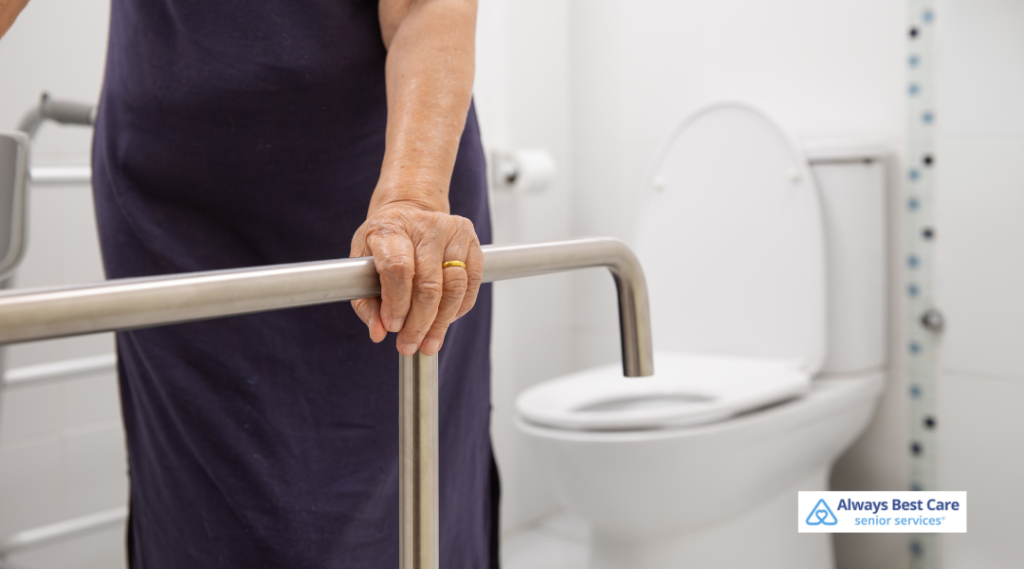
Safety and Fall Prevention in Skilled Nursing
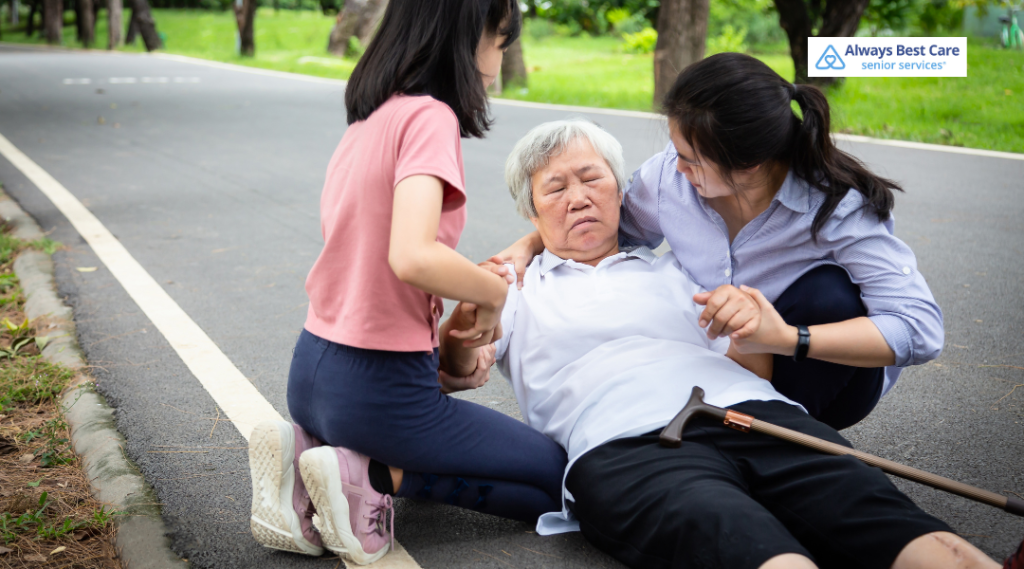
After a stroke, even routine movements can become risky. A misjudged step, a dizzy spell, or a moment of confusion can lead to a serious fall. Skilled nursing facilities build safety into the environment from the ground up.
Safety features and practices may include:
- Non-slip flooring and clear, wide walkways
- Grab bars and supportive seating in key areas
- Bed and chair alarms when needed
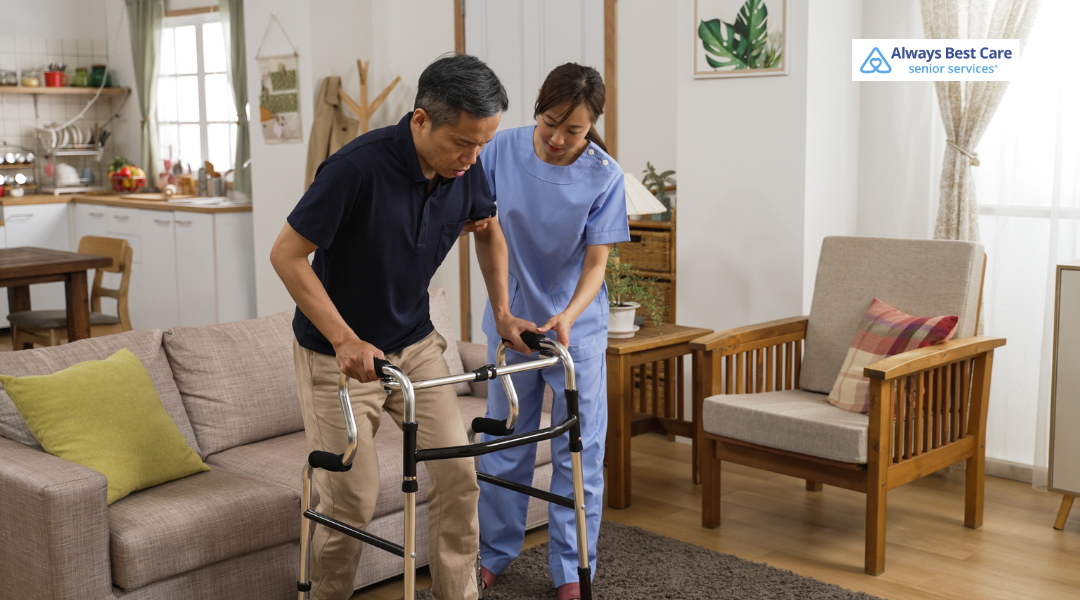
- Supervised transfers and ambulation
- Regular fall-risk assessments and care adjustments
This level of vigilance creates a safer space to practice new skills without constantly flirting with danger.
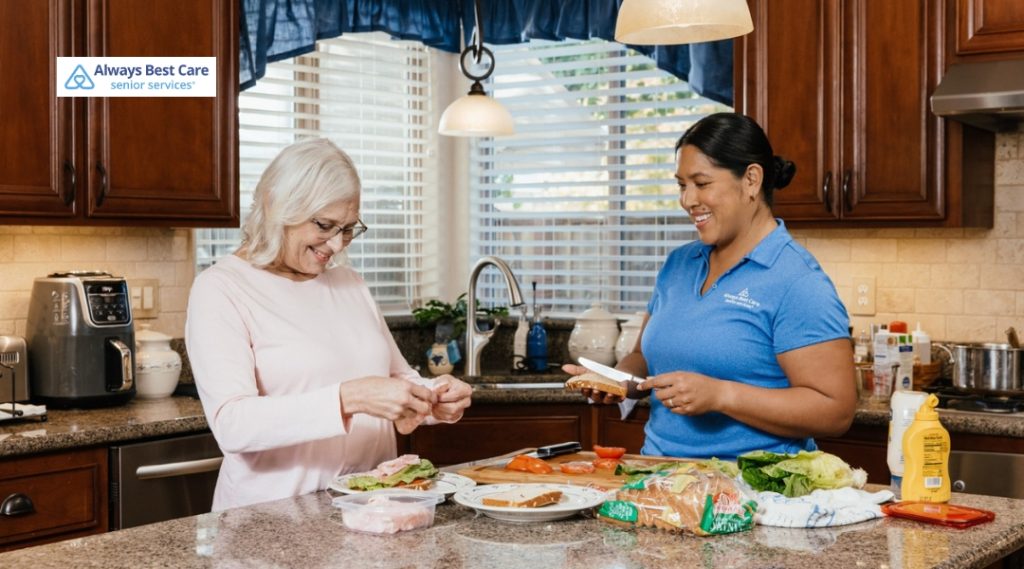
Supporting Nutrition and Swallowing After Stroke
Strokes can affect the muscles used for chewing and swallowing, which raises the risk of choking or silent aspiration. Appetite may drop, and energy needs can change during recovery. Skilled nursing teams pay close attention to these shifts.
They may:
- Coordinate swallowing evaluations with speech therapists
- Adjust food texture and liquid thickness based on recommendations
- Monitor weight, hydration, and nutritional intake
- Offer frequent, smaller meals that are easier to manage
All of this supports healing, energy, and overall strength — key ingredients for better recovery outcomes.
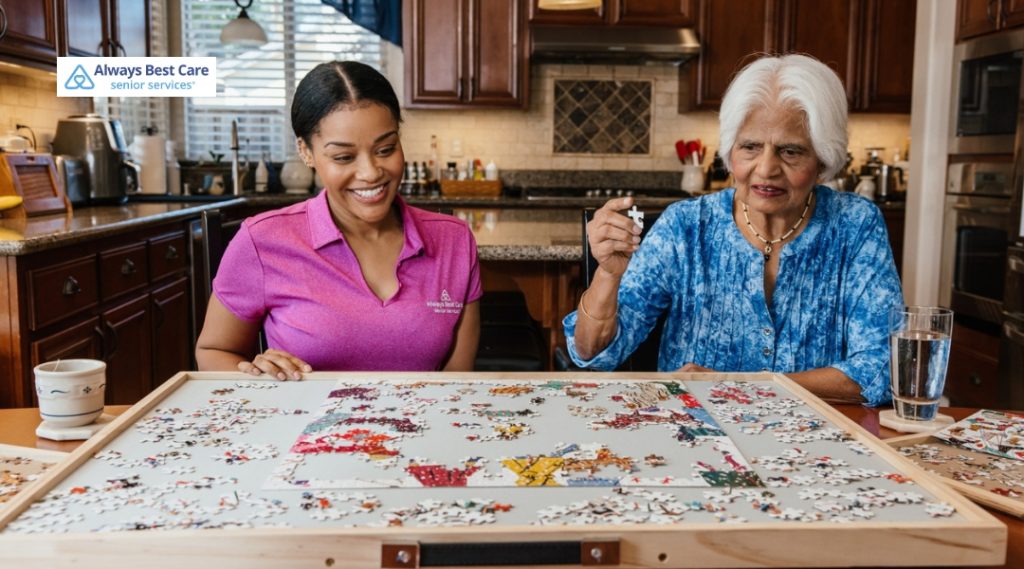
Emotional Health and Cognitive Support
Life after a stroke can feel unfamiliar and discouraging. Seniors may struggle with memory, attention, or problem-solving, and mood changes like depression or anxiety are common. Ignoring these issues can slow progress.
Skilled nursing care can help by:
- Incorporating cognitive exercises into daily routines
- Providing structure and predictable schedules to ease confusion
- Offering reassurance, encouragement, and simple explanations
- Connecting seniors and families with counseling or support when appropriate
A calm, supportive environment can make it easier for stroke survivors to stay engaged in their own recovery instead of withdrawing.
How Skilled Nursing Supports Asheville Families
Stroke affects the whole family, not just the person who experienced it. Loved ones often feel torn between wanting to do everything and recognizing they’re not equipped to handle complex medical care on their own. Skilled nursing offers relief without shutting families out.
Benefits for families include:
- Confidence that clinical needs are being closely managed
- Regular updates about progress and care changes
- Education about stroke, warning signs, and long-term needs
- Opportunities to participate in care planning and therapy sessions
With this partnership, families can focus on support and connection instead of constantly worrying about medical details.

FAQs About Skilled Nursing for Stroke Recovery in Asheville
Q: What makes skilled nursing different from basic senior care after a stroke?
A: Skilled nursing provides medical and rehabilitation services supervised by licensed professionals, including nurses and therapists. It goes beyond help with daily tasks by managing complex medical needs, therapies, and monitoring after a stroke.
Q: How can skilled nursing in Asheville improve stroke recovery outcomes?
A: Through close medical monitoring, coordinated therapies, and personalized care plans, skilled nursing helps reduce complications, support safe mobility, and reinforce daily progress. That combination can lead to better function and fewer hospital readmissions.
Q: How long does a senior typically stay in skilled nursing after a stroke?
A: Stay length varies widely based on stroke severity, overall health, and recovery progress. Some seniors need a few weeks of intensive support, while others benefit from a longer stay before transitioning to home or a lower level of care.
Q: Can families be involved in stroke recovery while their loved one is in skilled nursing?
A: Yes, families are encouraged to stay involved through visits, care meetings, and conversations with the care team. They can learn safe techniques, understand goals, and prepare for what comes next after discharge.
Q: What happens after skilled nursing if my loved one still needs help?
After skilled nursing, many seniors transition to in-home care, outpatient therapy, or assisted living, depending on their needs and goals. The care team helps plan the next steps so support doesn’t abruptly end.
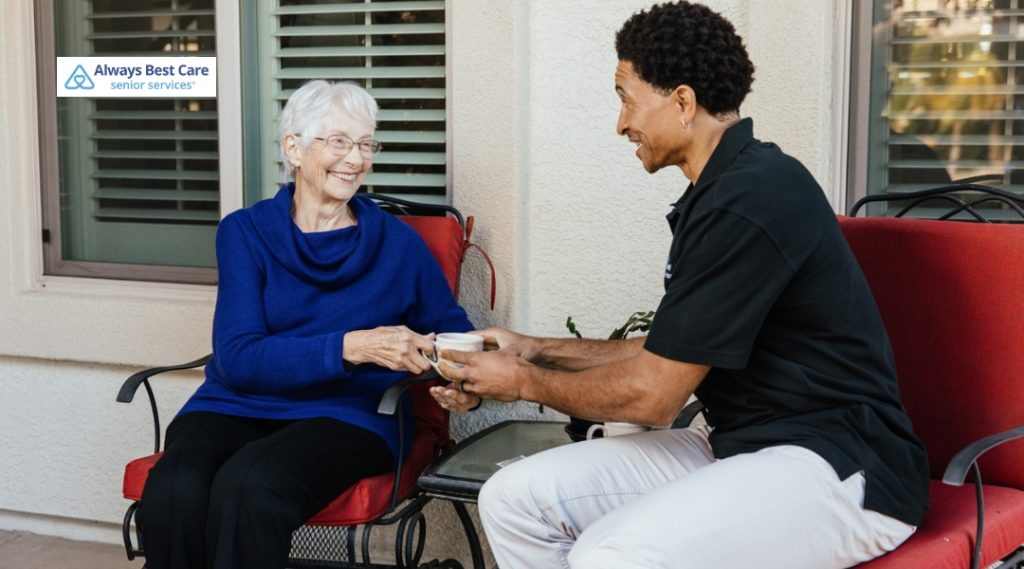
Strengthen Stroke Recovery with Skilled, Compassionate Care
Stroke recovery is complex, demanding, and deeply personal — but it doesn’t have to be chaotic. Skilled nursing in Asheville offers a structured, clinically focused environment where seniors can heal, practice new skills, and work toward meaningful independence after a stroke. With nurses, therapists, and families all pulling in the same direction, stroke survivors have a better chance of not just surviving, but truly moving forward into the next chapter of their lives. Contact Always Best Care of Asheville at (828) 676-2939 to learn more and schedule your free consultation.
Link to the markdown version of this blog.