
Cold Weather Aches in Burlington, NC: How In-Home Care Can Ease the Day
Cold mornings in Burlington have a way of making the body complain before the coffee even finishes brewing. Joints feel creaky. Muscles tighten up. And if you already deal with arthritis or old injuries, winter can crank the volume way up.
The good news? You don’t have to “tough it out” all season. With a few comfort-first habits—and the right support at home—many seniors can move more easily, feel safer, and get through the day with less frustration. Let’s talk about what helps, what to avoid, and how families can make winter days feel a little kinder.

Table of Contents
Why Joint Pain in Cold Weather Feels Worse
Some people swear they can “feel the weather in their bones,” and honestly, they’re not imagining it. Cold temps can lead to tighter muscles and stiffer joints, especially first thing in the morning. Add in less movement (because who wants to stroll outside when it’s gloomy?), and stiffness can stick around longer.
For many older adults, arthritis flare ups winter can mean:
- More morning stiffness
- Less flexibility
- More hesitation about walking or climbing stairs
- More fatigue from fighting through discomfort
It’s a chain reaction—pain makes you move less, and moving less often makes the pain feel worse.
Winter Aches and Pains Seniors Notice First
Not every ache is a big red flag, but patterns matter. Families in Burlington often notice these early signs:
Morning “Slow Starts”
Getting out of bed takes longer. Standing up feels stiff. The first few steps can look wobbly or cautious.
Less Activity, More Sitting
Seniors may skip errands, avoid walks, or spend more time parked in one spot, which can increase stiffness.
Sleep and Mood Changes
Pain can make sleep choppy, and poor sleep can make pain feel louder. Add a gray winter day, and motivation can dip fast.

Burlington, NC Senior Pain Relief: Simple At-Home Habits That Help
You don’t need a long checklist. You need a few reliable routines that are easy to repeat.
Start With Warmth (Safely)
Warmth helps the body loosen up—especially on cold mornings.
Try:
- Cozy layers you can add or remove
- Warm socks or slippers with good grip
- A warm shower to relax stiff areas
- A heating pad used safely (low setting, limited time, never while sleeping)
A quick note: if someone has reduced sensation (common with certain conditions), be extra careful with heating tools to avoid burns.
Gentle Movement Beats “Resting It Off”
It’s tempting to stay still when joints ache, but light movement often helps more than total rest.
Easy options:
- A short indoor walk—hallway laps count
- Gentle chair movement (marching feet, ankle circles)
- Slow stretches for hips, calves, shoulders, and back
The goal isn’t a workout. It’s to signal the body, “Hey, we’re moving today.”
Hydration Helps More Than People Think
In winter, thirst cues can be quieter. But hydration supports circulation and overall comfort.
A simple trick: keep a warm drink nearby—tea, broth, or warm water with lemon—then sip throughout the day.

Meals That Support Energy and Strength
When it’s cold and achy, cooking can feel like a chore. But steady meals help seniors feel stronger and less run-down.
Try easy, comforting options:
- Warm soups with protein and veggies
- Oatmeal with fruit and nuts
- Eggs and toast with a side of fruit
- Chili or beans for fiber and warmth
“Warm and balanced” is a solid theme for winter.

Staying Safe Matters (Because Stiffness and Falls Don’t Mix)
Pain changes how people move. That’s where fall risk can sneak in.
Indoor Fall Prevention
A few simple tweaks can make a big difference:
- Clear pathways (cords, throw rugs, clutter piles)
- Improve lighting in hallways and bathrooms
- Keep commonly used items within easy reach
- Wear stable footwear indoors (skip slick socks on smooth floors)
Outdoor Safety on Cold or Wet Days
Even in North Carolina, winter can bring slick spots. If it’s wet, icy, or gloomy, consider limiting unnecessary trips. If going out is needed, choose traction-friendly shoes and take it slow.
How In-Home Care Can Make Winter Days Easier in Burlington
Sometimes the hardest part of winter aches and pains seniors deal with isn’t the pain itself—it’s everything the pain disrupts. Getting dressed. Showering safely. Cooking. Running errands. Staying consistent.
In-home care can help with:
- Morning routines when stiffness is at its worst
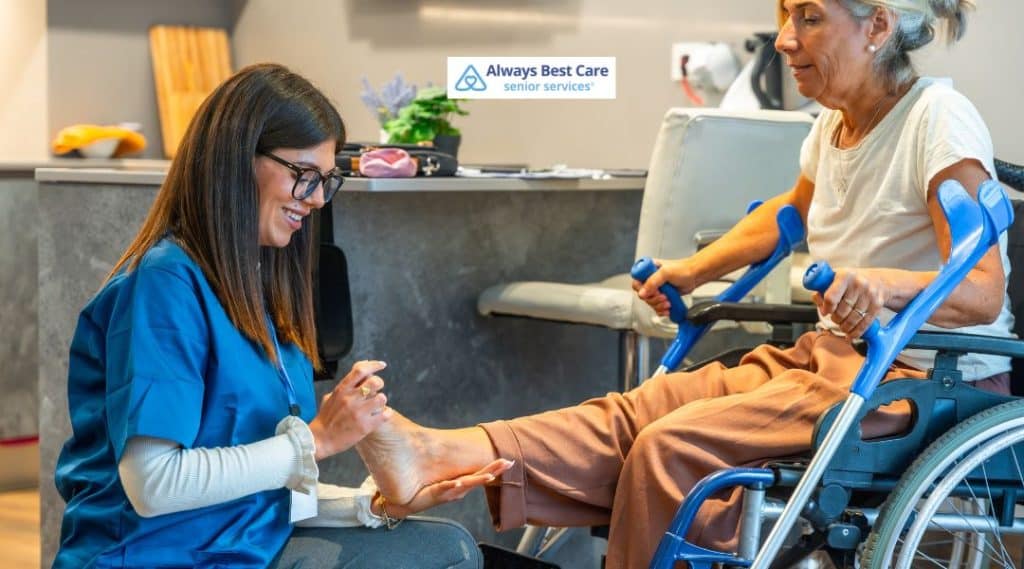
- Safe mobility support and steady walking assistance
- Meal prep and hydration reminders
- Medication routine support and gentle check-ins
- Transportation to appointments (so care doesn’t get skipped)
- Companionship that helps motivation on dreary days
Support doesn’t have to be “all day, every day.” Even a little help can make the day feel more manageable—and safer.
When Aches Need More Attention
Most winter aches are manageable, but some situations deserve a call to the doctor. It’s worth checking in if there’s:
- Sudden severe pain or swelling
- A fall, even if the person “seems fine”
- Fever or signs of illness
- New weakness, confusion, or big changes in mobility
- Pain that keeps getting worse instead of easing
Better to ask than to guess.

FAQs
Q: Why does joint pain in cold weather feel worse for seniors?
A: Cold temperatures can tighten muscles and make joints feel stiffer, and winter often leads to less daily movement, which can increase stiffness.
Q: What helps winter aches and pains seniors feel in the morning?
A: Warmth (like a warm shower), gentle movement, and a slow “wake up” routine can help loosen the body before the day gets going.
Q: Are arthritis flare-ups winter common?
A: Yes. Many seniors notice arthritis discomfort increases in colder months, especially when activity levels drop.
Q: What are easy Burlington, NC, senior pain relief habits to try at home?
A: Focus on safe warmth, light movement, steady hydration, and simpl,e balanced meals. Home safety tweaks can also reduce strain and fall risk.
Q: How can in-home care help seniors with winter pain and stiffness?
A: Caregivers can support safe movement, help with bathing and dressing, prepare warm meals, offer hydration reminders, and provide companionship—making winter days feel safer and less stressful.

Ready to Make Winter Days Feel Easier at Home in Burlington?
Winter can be tough on the body, especially for seniors dealing with joint pain in cold weather or arthritis flare ups winter. But relief doesn’t have to be complicated. A warm start, gentle movement, steady hydration, and safer home routines can go a long way toward making the day feel easier. And if the day-to-day tasks are getting heavy, in-home support can be the extra hand that keeps life steady through the season.
Contact Always Best Care of Burlington at (336) 270-4352 to learn more and schedule your free consultation.
Link to the markdown version of this article.