
Why Personalized Care Plans Matter for Burlington Seniors With Complex Needs

As seniors age, their needs can change in ways that aren’t always predictable. Some may be managing multiple health conditions, adjusting to mobility challenges, or navigating memory changes that affect daily routines. For families in Burlington, it can quickly become clear that a one-size-fits-all approach doesn’t provide the level of comfort and consistency their loved one deserves.
That’s where Personalized Care Plans for Burlington Seniors With Complex Needs make a meaningful difference. A care plan tailored to a senior’s unique routines, preferences, and health needs helps create stability, improve daily comfort, and give families greater confidence in the support their loved one receives at home.
Table of Contents
What You Will Learn
- Why personalized care planning is especially important for seniors with complex needs
- How individualized support can improve safety, comfort, and daily routines
- Ways care plans can adapt as health and mobility needs change
- How in-home caregivers help provide steady, reliable support
Understanding What “Complex Needs” Really Means
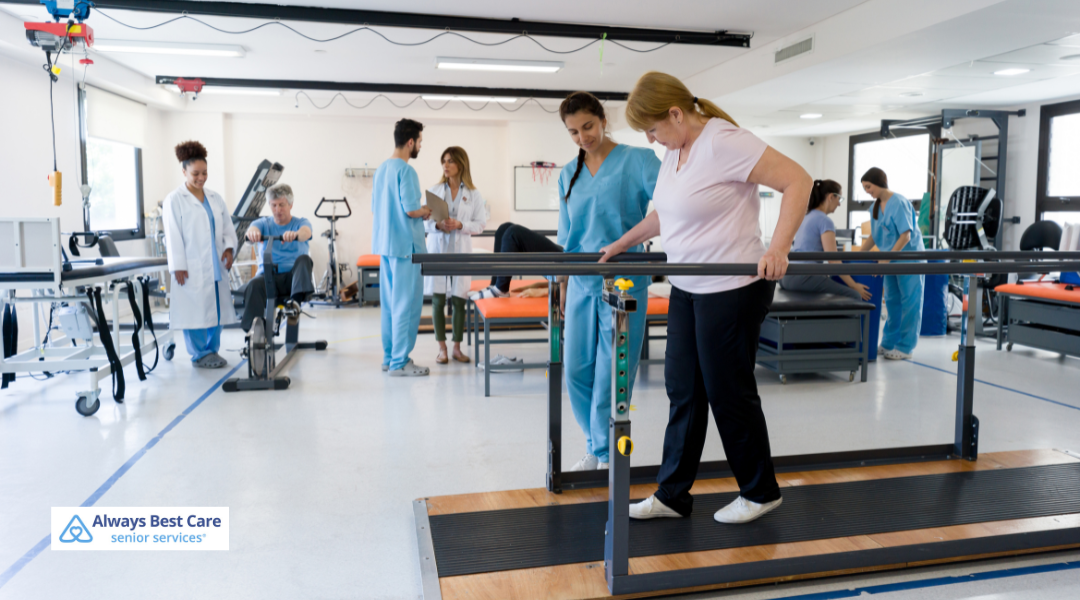
Complex needs can look different for every senior. Some may be managing multiple health conditions, while others may be coping with memory loss, limited mobility, or frequent changes in energy levels.
Families in Burlington often see challenges such as:
- Balancing medications and appointments
- Supporting mobility and fall prevention
- Adjusting to changes in memory or focus
- Managing day-to-day routines safely
With so many moving parts, a personalized care plan helps bring structure and clarity to everyday life.

Why One-Size-Fits-All Care Isn’t Enough
Every senior has their own routines, comfort levels, and personal preferences. A standard approach to care may overlook important details that help someone feel secure and supported.
A personalized plan considers:
- Daily habits and routines
- Medical needs and mobility concerns
- Emotional comfort and communication style
- Favorite activities and personal preferences
When care reflects who someone is and how they live, it often feels more natural and reassuring.

How Personalized Care Plans Support Safety at Home
Safety is often a top concern for families, especially when mobility or memory changes are involved. A personalized care plan helps identify risks and put supportive routines in place.
This may include:
- Adjusting daily schedules to reduce fatigue
- Supporting safe movement around the home
- Helping manage medications and reminders
- Creating consistent routines that reduce confusion
With thoughtful planning, small changes can help prevent accidents and create a calmer environment.

Improving Daily Comfort and Quality of Life
Personalized care isn’t only about health and safety — it’s also about comfort and dignity. Seniors feel more at ease when their daily routines match their preferences and pace.
Care plans can help support:
- Comfortable mealtimes and familiar foods
- Regular rest periods
- Time for hobbies or quiet moments
- Social interaction and companionship
These details may seem small, but they can have a big impact on how a senior feels each day.

Adapting Care as Needs Change
Health and mobility needs can shift over time. A personalized approach allows care to adjust along the way, offering the right level of support at the right time.
Families may notice changes such as:
- Slower movement or balance concerns
- Increased forgetfulness
- Changes in appetite or energy
- A need for more reminders and structure
When care plans can evolve, seniors continue receiving the support that fits their current needs.
Supporting Families With Peace of Mind
Caring for a loved one with complex needs can feel overwhelming at times. Families often juggle multiple responsibilities while trying to make sure everything is handled properly.
Personalized care planning helps families:
- Feel more confident about daily support
- Know routines are being followed consistently
- Stay informed about changes in health or behavior
- Focus more on spending quality time together
Having a clear plan in place can bring a sense of reassurance.
How Personalized Care Plans for Burlington Seniors With Complex Needs Encourage Independence
Support doesn’t mean taking away independence. In many cases, it helps protect it. When care is tailored to a senior’s abilities and comfort level, they’re often able to stay active and involved in their daily routines longer.
This kind of support can help seniors:
- Maintain familiar routines
- Stay in their own homes longer
- Feel more confident in daily activities
- Stay connected to what matters most
Consistency and understanding can help make each day feel more manageable.
The Role of In-Home Care in Personalized Support
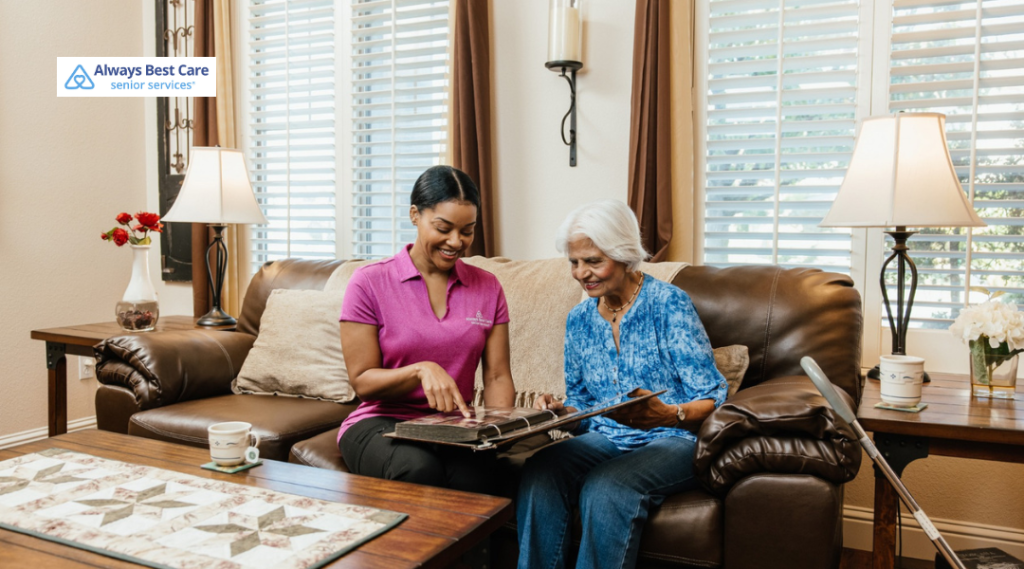
In-home caregivers play an important role in putting care plans into action. They can adjust support based on a senior’s preferences, needs, and daily comfort level.
Caregivers may help with:
- Daily routines and reminders
- Meal preparation and hydration
- Safe mobility support
- Companionship and conversation
As needs change, caregivers can adapt their approach to continue providing the right level of care.
FAQs About Personalized Care Plans for Burlington Seniors With Complex Needs
Q: What is a personalized care plan?
A: It’s a care approach tailored to a senior’s unique health needs, daily routines, and personal preferences to provide more consistent support.
Q: Why is personalized care important for seniors with complex needs?
A: Seniors managing multiple health concerns often require flexible support that adapts to their changing routines and abilities.
Q: How often can a care plan be adjusted?
A: Care plans can be updated as needs change, helping ensure the right level of support is always in place.
Q: Can personalized care improve daily comfort?
A: Yes. When care reflects familiar routines and preferences, seniors often feel more relaxed and supported.
Q: How can in-home caregivers help with personalized care?
A: Caregivers provide hands-on support with daily tasks, reminders, and companionship while adjusting care as needs evolve.
Need Extra Support With Personalized Care in Burlington?
When a loved one has complex needs, having a care plan built around their daily life can make all the difference. Personalized support helps create structure, improve comfort, and support long-term safety at home.
For families in Burlington, in-home care can offer dependable support that adjusts as needs change. With the right plan in place, seniors can continue living at home with dignity, stability, and confidence.
Contact Always Best Care of Burlington to learn more and schedule your free consultation.
Contact Always Best Care of Burlington at (336) 270-4352 to learn more and schedule your free consultation.
Link to the markdown version of the blog.