

National Occupational Therapy Month in Burlington: How OT Helps Local Seniors Stay Independent

No two Burlington seniors live the same life—so it makes sense that their care shouldn’t look identical either. Some are managing diabetes and arthritis. Others are navigating heart disease, COPD, early memory changes, or recovering from a hospital stay. Often, it’s a combination of challenges rather than just one.
National Occupational Therapy Month is a timely reminder that seniors with complex needs do best when their care is tailored—not “one size fits all.” Personalized care plans bring together occupational therapy and in-home support so daily life at home feels safer, more manageable, and more respectful of each person’s routines and preferences.

Table of Contents
What Makes a Senior’s Needs “Complex”?
Many Burlington seniors live with multiple conditions at once, such as:
- Heart disease plus shortness of breath or fatigue
- Joint pain or arthritis along with balance problems
- Diabetes combined with vision changes or neuropathy
- Mild cognitive changes layered on top of physical limitations
Each condition affects the others. A care plan has to account for how all of these pieces fit together—not just treat them in isolation.

Everyday Tasks Become a Balancing Act
With complex needs, familiar tasks like bathing, dressing, cooking, or walking to the bathroom can turn into a juggling act. Seniors might be:
- Strong enough to walk, but unsteady and afraid of falling
- Mentally sharp, but exhausted by short bursts of activity
- Motivated to stay active, yet limited by pain or shortness of breath
Personalized care plans recognize these tradeoffs and aim to find safe, realistic ways to keep life moving.
How Occupational Therapy Supports Burlington Seniors at Home
Occupational therapists specialize in helping people manage the tasks that fill their days. For Burlington seniors, that often includes:
- Bathing and dressing without feeling rushed or unsafe
- Moving around the house with fewer stumbles or close calls
- Preparing simple meals that match medical needs and energy levels
- Staying engaged in meaningful activities, from hobbies to social visits
During an in-home visit, an OT from a skilled home health team will typically look at how a senior is functioning now and where things are breaking down. Then they help adapt tasks, tools, and routines so those same activities are safer and more achievable.

Adapting to Changes in Strength, Balance, and Memory
Seniors with complex needs may experience gradual changes instead of sudden ones. Occupational therapy helps them adjust by:
- Introducing gentle strength and balance exercises tied to daily routines
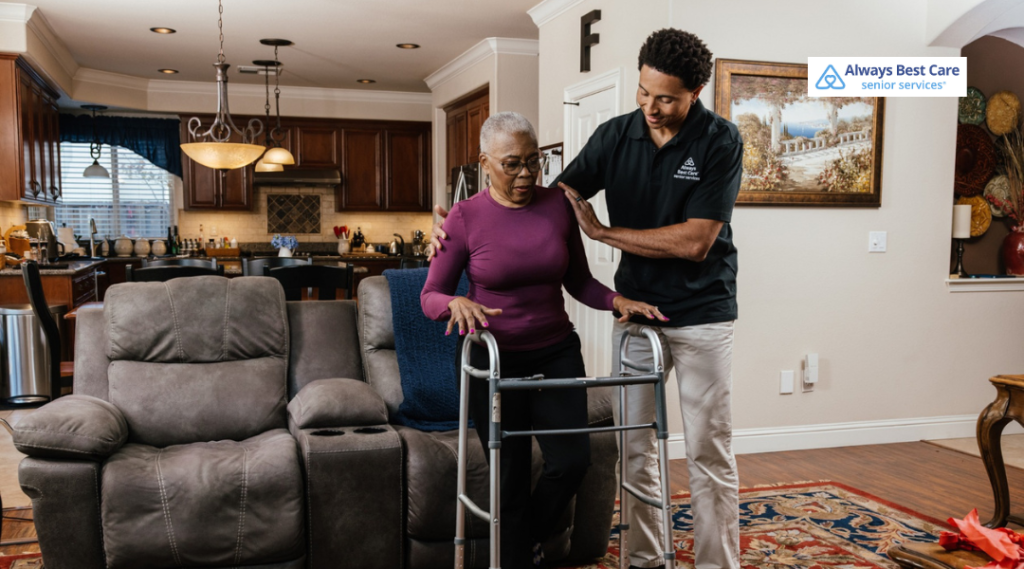
- Suggesting safer ways to move or transfer from beds, chairs, and toilets
- Breaking tasks into smaller steps and using cues for those with memory changes
- Incorporating energy conservation strategies for seniors who tire quickly
Because OT visits can happen right in the home, recommendations are grounded in real life—not just what’s possible in a clinic.

Personalized Care Plans: Where OT and In-Home Care Meet
Occupational therapists create the roadmap; in-home caregivers help walk it out day after day. In Burlington, Always Best Care can coordinate skilled home health services like OT along with non-medical in-home care, so plans don’t just live on paper—they show up in daily routines.
Caregivers can:
- Support exercises and safe movement techniques suggested by the OT
- Help set up and maintain safer spaces (clear walkways, adjusted furniture, proper lighting)
- Use adaptive equipment correctly—like walkers, shower chairs, or raised toilet seats—so seniors feel secure using them
This combination of professional guidance and everyday support is what turns a personalized plan into real progress.
Customizing Support for Each Senior’s Mix of Needs
Burlington seniors may need different blends of help, such as:
- A few OT visits to fine‑tune transfers and bathroom safety, plus daily caregiver support with bathing and grooming
- Ongoing OT for balance and memory strategies, paired with a few hours of weekly in-home care to help with meals and light housework
- Short‑term, post-hospital OT and nursing visits, followed by longer-term in-home care to maintain gains and prevent setbacks
Personalized care plans spell out who does what, when, and why—so everyone is working toward the same goals.
Why “Personalized” Matters So Much With Complex Needs
Some seniors feel their best in the morning and fade in the afternoon. Others have good days and tougher days. Personalized care plans:
- Schedule more demanding tasks during better times of day
- Build rest breaks into the routine to prevent exhaustion
- Allow flexibility for flare‑ups or unexpected changes in health
Instead of forcing seniors to fit a rigid schedule, care adapts to how they actually feel.
Respecting Preferences and Long‑Standing Routines
Seniors with complex needs still have strong preferences: what time they like to bathe, what they eat for breakfast, how they spend quiet time. Personalized plans keep those preferences at the center whenever safely possible.
For example, a senior who loves cooking may shift from complex recipes to simpler dishes, with an OT and caregiver helping reorganize the kitchen and prep ingredients. The activity stays, but the risk is lowered.
National Occupational Therapy Month: A Chance to Re‑Evaluate
April’s National Occupational Therapy Month is a natural time for Burlington families to step back and ask:
- Have daily tasks become harder for a loved one?
- Are there more close calls, small falls, or moments of confusion?
- Is a caregiver feeling stretched thin trying to juggle everything alone?
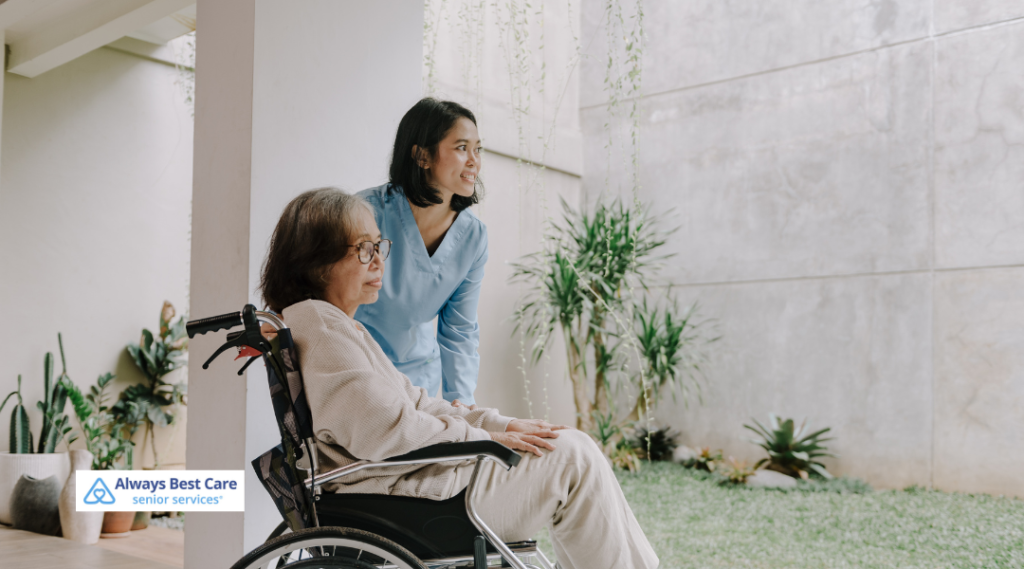
Bringing in an occupational therapist—especially through a skilled home health program connected with Always Best Care—can help identify where a personalized plan needs to be updated or built from the ground up.
FAQs: Personalized Care Plans, OT, and In‑Home Care in Burlington
Q: What is a personalized care plan for a senior with complex needs?
A: A personalized care plan outlines specific goals, supports, and strategies tailored to a senior’s unique mix of health conditions, abilities, preferences, and home environment, often combining OT, nursing, and in-home care.
Q: How does occupational therapy fit into a personalized plan?
A: Occupational therapists assess how a senior manages daily tasks, then recommend exercises, techniques, equipment, and home changes that help them stay as independent and safe as possible at home.
Q: Can OT and in‑home caregivers work together in Burlington?
A: Yes. Skilled home health teams provide OT, while Always Best Care’s in-home caregivers help carry out recommendations—supporting transfers, bathing, meals, and routines that reinforce what’s practiced in therapy.
Q: Is occupational therapy only for seniors after surgery or a fall?
A: No. OT can help any time daily activities become challenging—due to chronic illness, gradual strength or balance changes, early memory issues, or a combination of conditions.
Q: How can families get started with occupational therapy and personalized care in Burlington?
A: Families can talk with their doctor about a skilled home health referral for OT, then connect with Always Best Care of Burlington to coordinate in-home support that matches the therapist’s recommendations and the senior’s needs.

Complex Needs Deserve Thoughtful, Personalized Care
For Burlington seniors living with multiple health challenges, a generic checklist of tasks isn’t enough. They need care plans that reflect their real lives—their conditions, routines, fears, and hopes.
By combining occupational therapy’s focus on daily function with tailored in-home support, personalized care plans help seniors feel safer, more confident, and more in control in the place they value most: their own home. For families, that thoughtful coordination can turn constant worry into a clearer, more hopeful path forward. Contact Always Best Care of Burlington at (336) 270-4352 to learn more and schedule your free consultation.
Link to the markdown version of this blog.