
Post-Stroke Care in Burlington: Why In-Home Support Makes a Difference
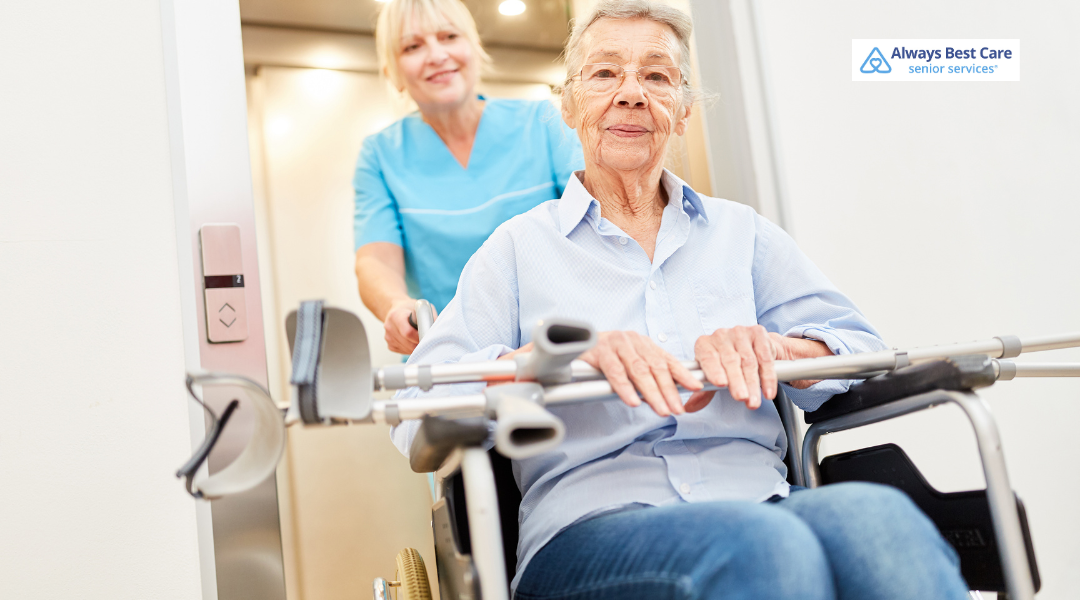
Leaving the hospital after a stroke can feel both relieving and terrifying. The monitors are gone, the call button is out of reach, and suddenly real life in Burlington—stairs, schedules, and daily chores—is waiting at the door. Families often find themselves wondering, “What now?” and “Is it safe for Mom or Dad to be home?”
In-home post-stroke care fills that gap. With the right support, stroke survivors don’t have to choose between safety and the comfort of familiar surroundings. Instead, Burlington families can bring structured, thoughtful help into the home so recovery feels guided, not guesswork.
What You Will Learn:
- Why stroke recovery continues long after hospital discharge.
- How in-home care supports daily activities, safety, and independence.
- The role of caregivers in reinforcing therapy and preventing setbacks.
- How Burlington families benefit from structured support and reduced caregiver stress.
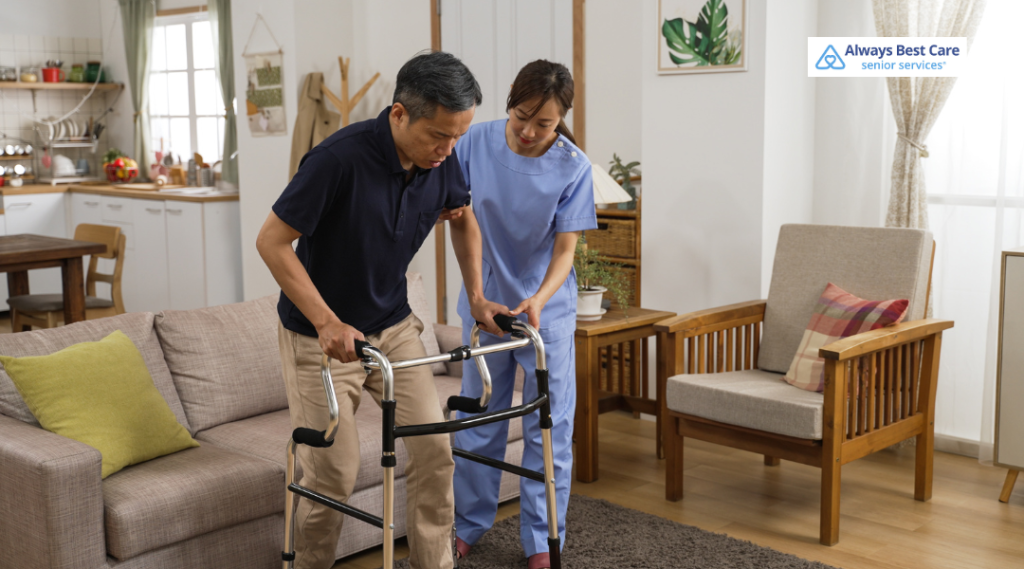
Table of Contents
Why Post-Stroke Care Doesn’t End at Discharge
A stroke doesn’t simply “wrap up” when a senior goes home. Healing continues for months and even years, especially in the first six to twelve months. During this time, survivors may be dealing with:
- Weakness or numbness on one side of the body
- Difficulty walking, balancing, or using stairs
- Speech or communication challenges
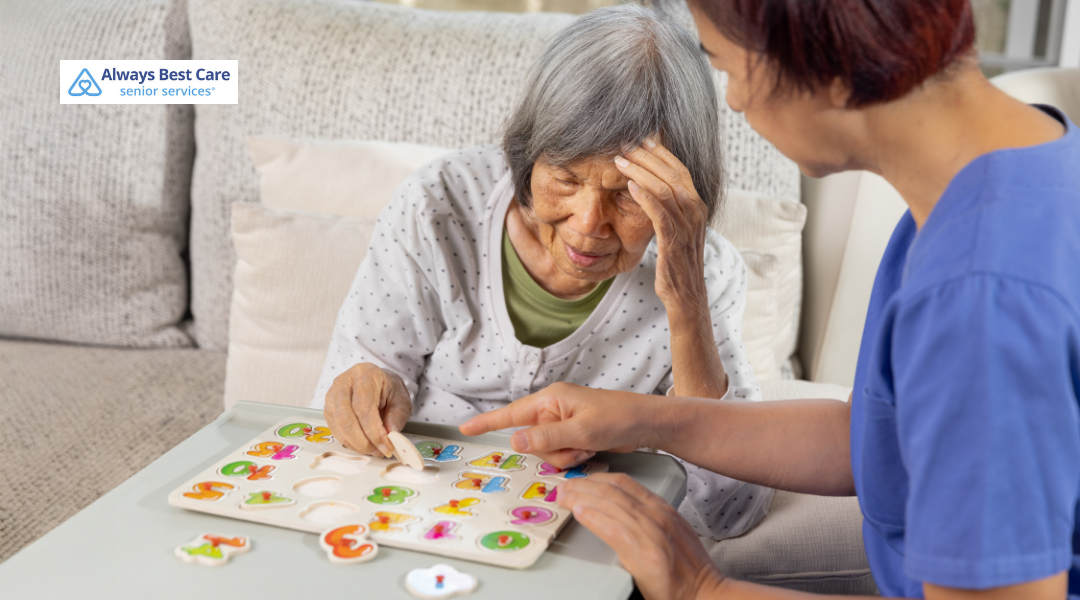
- Memory, attention, or problem-solving changes
- Fatigue, mood swings, or anxiety about another stroke
Without ongoing support, even simple tasks—like bathing, dressing, or making a sandwich—can become unsafe or exhausting. In-home care helps bridge that gap between hospital-level support and true independence.
What In-Home Post-Stroke Care Looks Like in Burlington
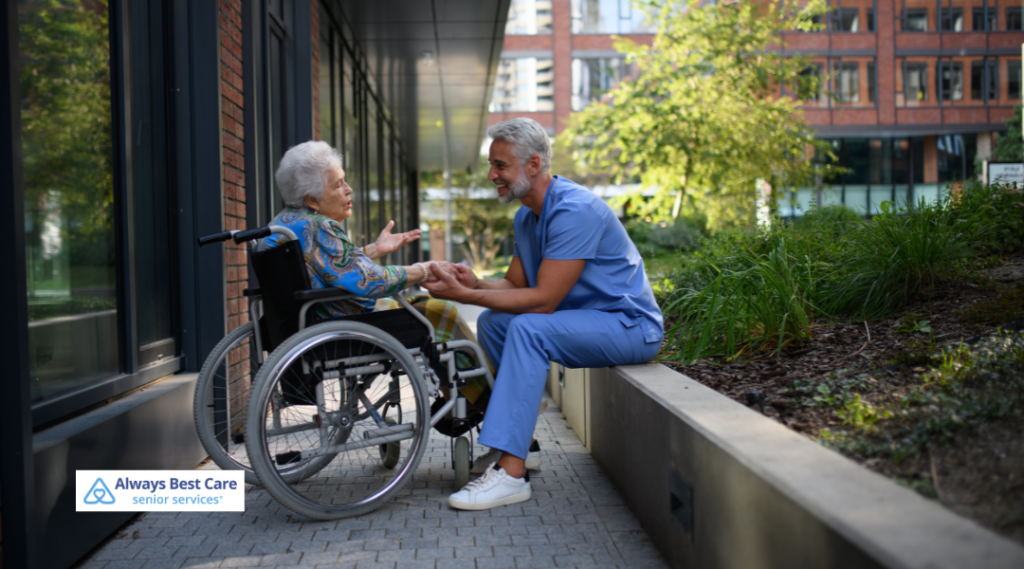
In-home care is more than someone “keeping an eye” on your loved one. It’s structured support tailored to what the stroke survivor can do now and what they’re working toward.
Common in-home services include:
- Assistance with bathing, dressing, grooming, and toileting
- Safe transfers from bed to chair, or in and out of the shower
- Help with walking, using canes or walkers, and navigating stairs
- Meal planning and preparation that fits any dietary recommendations
- Medication reminders to keep doses on schedule
- Light housekeeping to keep pathways clear and reduce fall risks
- Companionship and conversation to ease loneliness and confusion
Because care happens at home, it can be adjusted as the survivor’s abilities improve—or if new challenges appear.
Promoting Healing and Independence at Home
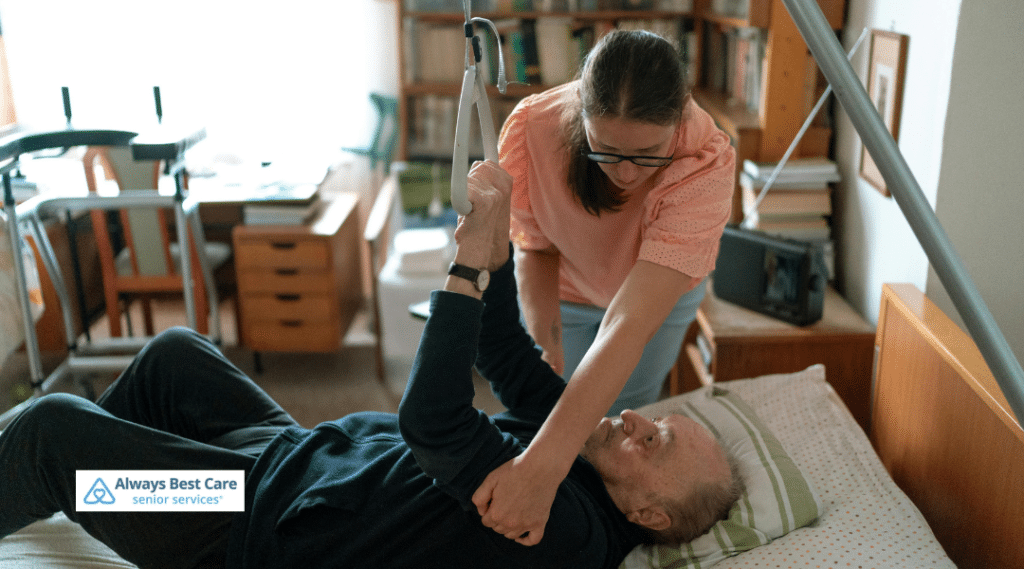
One of the biggest goals after a stroke is helping seniors regain as much independence as safely possible. In-home care in Burlington aims to support—not replace—what your loved one can still do.
Caregivers can:
- Break everyday tasks into manageable steps (for example, dressing one side at a time while seated).
- Encourage stroke survivors to participate rather than doing everything for them.
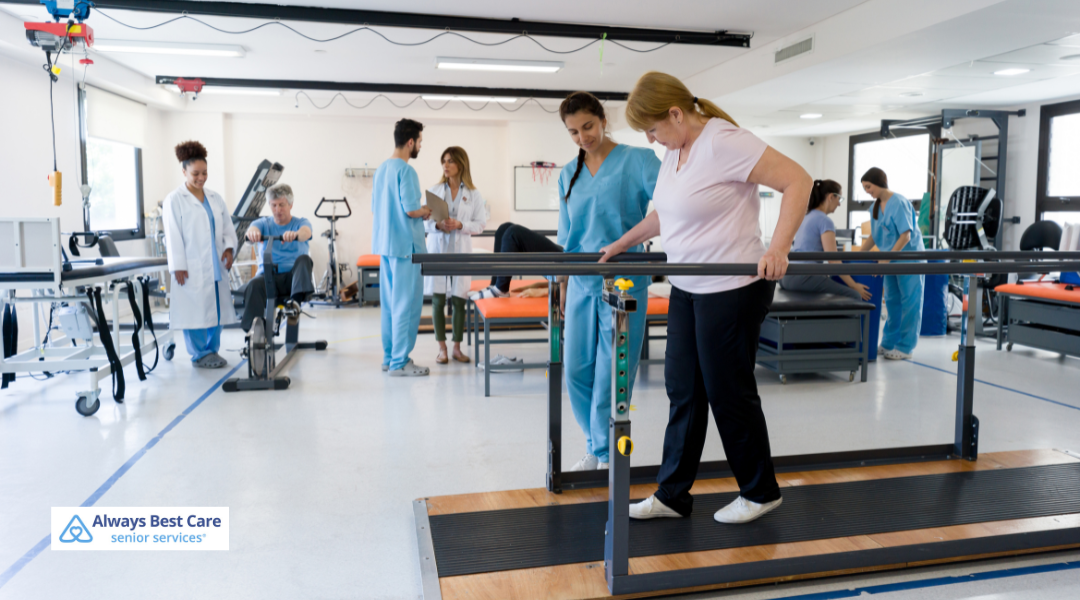
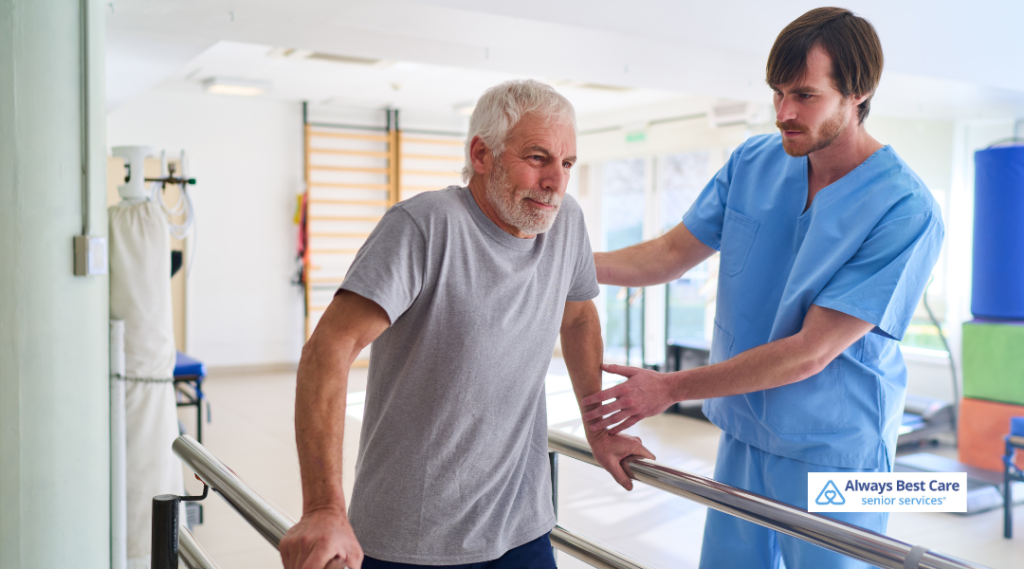
- Reinforce therapy recommendations, like practicing safe movements or using the weaker side more often.
- Provide standby support so seniors can try tasks without feeling unsafe.
This approach protects safety while building confidence—two key ingredients for meaningful recovery.
Keeping Burlington Homes Safer for Stroke Survivors
Home is often where the real risks show up: slippery bathrooms, narrow hallways, dim lighting, and cluttered floors. In-home caregivers see these hazards firsthand and help families make practical changes.
Safety-focused support may include:
- Suggesting grab bars, shower chairs, and non-slip mats in the bathroom
- Removing loose rugs, cords, or furniture blocking walkways
- Improving lighting in hallways, stairs, and entryways
- Helping rearrange furniture so walkers or wheelchairs can move more easily
- Watching for early signs of fall risk, like increased stumbling or fatigue
These changes can turn a risky environment into one that gently supports recovery day after day.

Supporting Therapy and Medical Plans Between Appointments
Stroke recovery often involves multiple professionals—doctors, physical therapists, occupational therapists, and speech therapists. But they don’t see your loved one every day. In-home caregivers help connect the dots between visits.
They can:
- Remind and encourage your loved one to do prescribed exercises at home
- Help set up safe spaces for practicing walking, balance, or arm movements
- Take note of what seems harder or easier and share those observations with the family
- Help organize medications and appointment reminders so nothing slips through the cracks
With consistent support between appointments, therapy gains are more likely to stick and build over time.

Emotional and Social Support for Stroke Survivors and Families
A stroke doesn’t just affect the body; it shakes confidence, identity, and mood. Survivors may feel frustrated, embarrassed, or worried they’re a burden. Family caregivers can feel overwhelmed and tired, even when they’re deeply devoted.
In-home care can ease some of that emotional strain by:
- Providing friendly companionship and everyday conversation
- Offering a patient, nonjudgmental presence when speech is slow or words don’t come easily
- Giving family caregivers time to rest, work, or handle other responsibilities
- Making room for simple pleasures—favorite shows, music, hobbies, or short, safe outings
This kind of steady, calm support helps the household feel more like home and less like a constant crisis zone.
How Burlington Families Benefit From In-Home Support
For many families, the biggest shift with in-home post-stroke care is knowing they don’t have to carry everything alone.
Benefits often include:
- Peace of mind that someone trained is watching for safety concerns
- Fewer last-minute scrambles or rushed decisions when problems arise
- More predictable routines that are easier on everyone
- Time and energy for spouses and adult children to be loving family members—not just exhausted caregivers
In short, in-home support gives Burlington families room to breathe while still keeping their loved one at the center of care.

FAQs About Post-Stroke In-Home Care in Burlington
Q: When should Burlington families consider in-home care after a stroke?
A: In-home care is helpful as soon as your loved one returns home from the hospital or rehab—especially if they need help with walking, bathing, dressing, stairs, or managing medications and meals.
Q: Can in-home care work alongside physical, occupational, and speech therapy?
A: Yes. In-home caregivers often support therapy goals by helping with exercises, practicing safe movements, and building therapy-friendly routines into daily life between appointments.
Q: Is in-home care only for seniors with severe stroke effects?
A: No. Even seniors with milder symptoms can benefit from short-term in-home support while they adjust, regain strength, and work on safety and independence at home.
Q: How many hours of in-home care do stroke survivors usually need?
A: It varies. Some families start with just a few hours a week for help with bathing or housekeeping, while others need daily support or longer shifts. The amount of care can change over time as your loved one improves or needs more help.
Q: How does in-home post-stroke care help family caregivers?
A: It gives caregivers time to rest, work, and handle their own health and responsibilities. It also provides guidance, reduces worry, and helps prevent burnout by sharing the workload.
Making Home Part of the Healing Plan
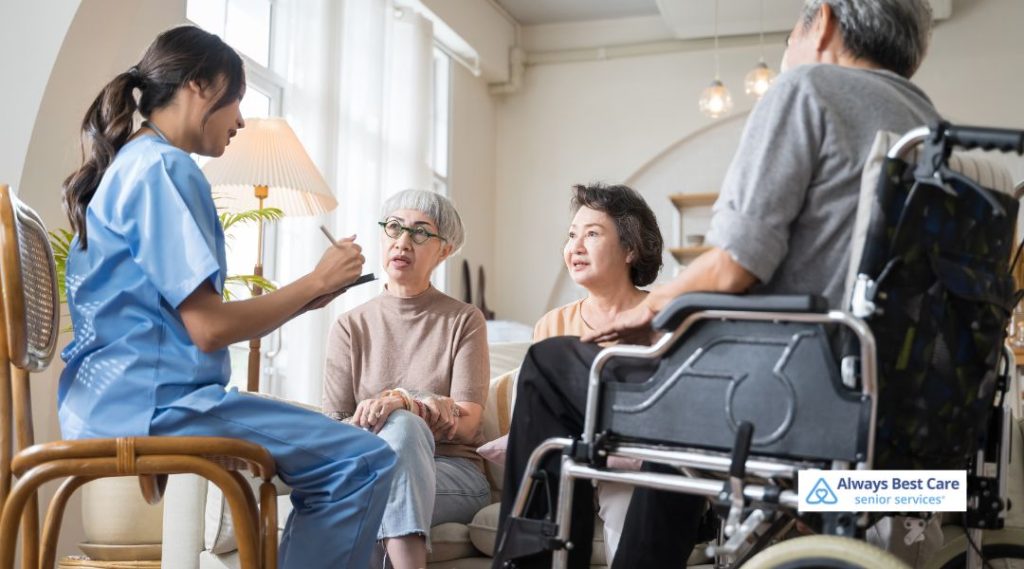
Post-stroke recovery is a journey, not a single event, and for Burlington seniors, that journey often unfolds in the living room, kitchen, and hallway—not just in medical facilities. In-home care turns home into an active part of the healing plan, blending safety, independence, and comfort in a way that honors your loved one’s dignity.
With thoughtful support, practical changes, and compassionate hands-on help, Burlington families don’t have to choose between caring well and staying afloat. They can do both, and in-home post-stroke care can be a powerful ally in making that possible.
Contact Always Best Care of Burlington at (336) 270-4352 to learn more and schedule your free consultation.
Link to the markdown version of this blog.