
How Home Care Helps Burlington Seniors Continue Beloved Hobbies Safely
For many Burlington seniors, the best parts of the day aren’t appointments or errands—they’re the simple pleasures: a favorite recipe in the oven, a knitting project in progress, the view from a favorite chair by the window. When health or mobility changes, families often fear these beloved activities will have to stop for safety’s sake.
Home care offers another path. With the right support, seniors can keep doing what they love, just in a safer, more manageable way. Instead of taking hobbies away, caregivers help adapt them—so confidence, purpose, and joy stay part of everyday life.
What You Will Learn:
- How home care helps seniors continue hobbies safely.
- Ways caregivers adapt activities like cooking, crafts, and games.
- The role of companionship in keeping seniors engaged.
- How home care balances safety with independence.
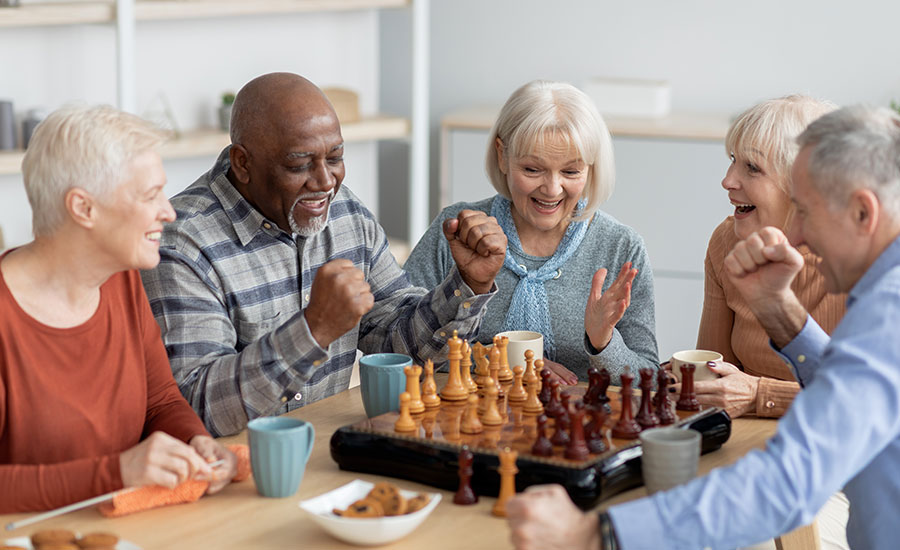
Table of Contents
Baking and Cooking: Staying Involved in the Kitchen
The kitchen holds memories, traditions, and a sense of pride. Giving it up completely can feel like losing a part of who you are. Home care can keep Burlington seniors safely involved without putting them at risk.
Caregivers can:
- Gather ingredients, lift heavy pans, and handle hot items while seniors measure, stir, and season.
- Encourage seated tasks at the table—rolling dough, frosting cookies, snapping beans, or prepping simple ingredients.
- Help follow recipes step by step, reading directions aloud and cueing what comes next.
- Watch timers, manage the stove and oven, and clean up spills quickly to prevent falls.
This way, seniors still get to claim, “I made this,” while having someone nearby to handle the harder or riskier parts.
Knitting, Crocheting, and Handicrafts
Crafts like knitting, crocheting, embroidery, and other handiwork can be deeply calming and satisfying. Arthritis, vision changes, or fatigue can make these hobbies harder—but not impossible—with the right support.
Home care can help by:
- Setting up a comfortable, well-lit space with supportive seating.
- Organizing yarn, needles, and patterns so they’re easy to reach and not a tripping hazard.
- Assisting with tricky tasks like starting a new project, picking up dropped stitches, or reading pattern instructions.
- Encouraging shorter, more frequent crafting sessions to avoid pain or strain.
Caregivers also provide companionship, turning quiet work into a time for conversation and connection.
Bird-Watching and Enjoying Nature
Many Burlington seniors enjoy bird-watching from a porch, balcony, or favorite window. Over time, it may become harder to refill feeders, get outside safely, or set up equipment. Home care can step in to keep this simple pleasure going.
Caregivers can:
- Safely refill bird feeders and set them at a height that’s easy to view.
- Arrange a comfortable chair near the best window, with blankets, pillows, or cushions as needed.
- Help set up binoculars, bird guides, or a simple notebook for tracking sightings.
- Accompany seniors outside for short, safe visits to the yard or garden when appropriate.
That way, seniors can stay connected to the changing seasons and local wildlife without worrying about falls or overexertion.
Puzzles, Games, and Brain-Boosting Activities
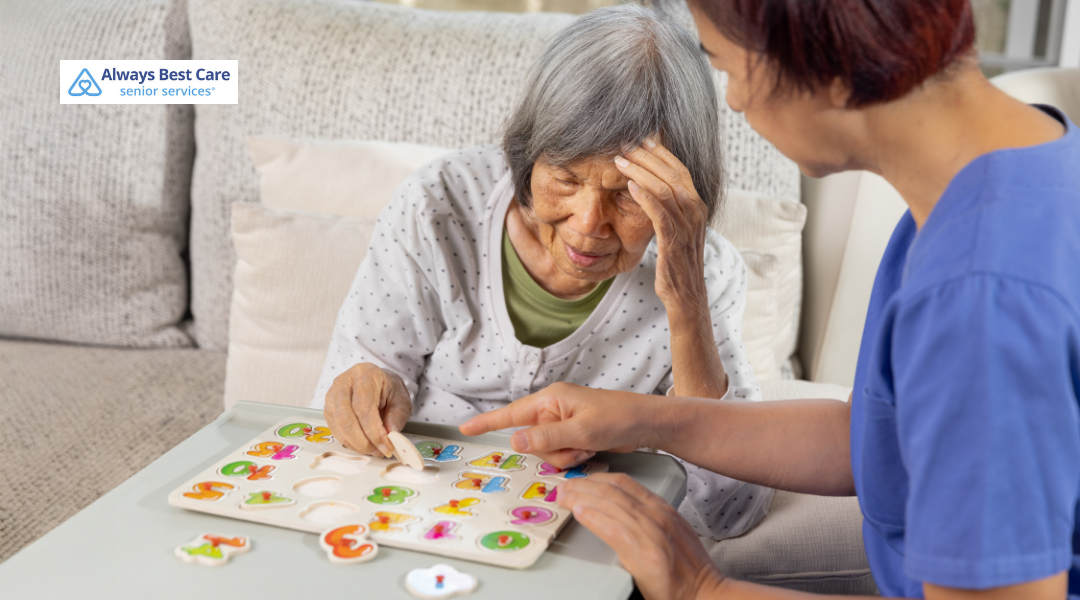
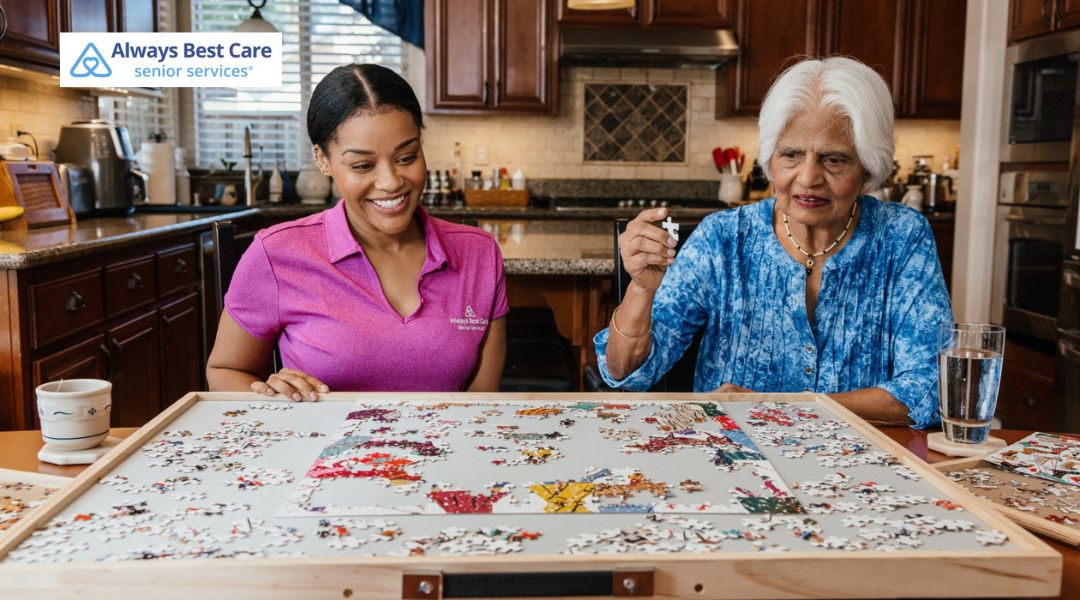
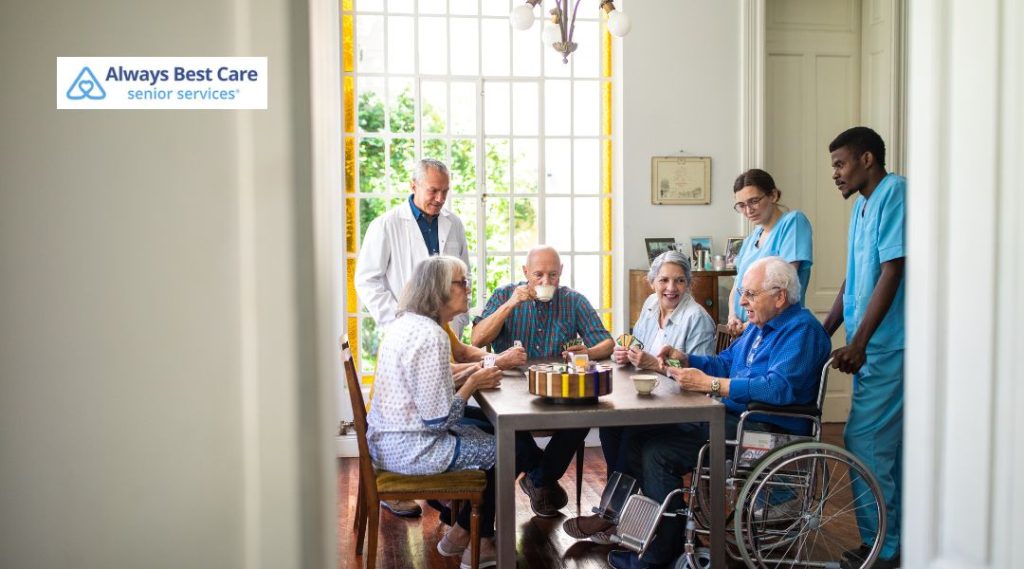
Puzzles and games—jigsaw puzzles, crosswords, word searches, card games, and simple board games—offer both fun and mental stimulation. As concentration or dexterity changes, these hobbies might feel more frustrating, but home care can keep them enjoyable.
Caregivers can:
- Choose appropriately challenging activities that match current abilities.
- Sort puzzle pieces, set up card games, or organize game boards to make getting started easier.
- Read clues aloud, offer gentle hints, or help keep track of turns and rules.
- Break activities into short sessions with natural stopping points, so they never feel overwhelming.
This support turns “I can’t do this anymore” into “I can still enjoy this—with a little help.”
Making Hobbies Safer Without Taking Over
The key to supportive home care is balance: protecting safety while preserving independence. Seniors often worry that helpers will “take over” their hobbies, but good caregivers focus on enabling, not replacing.
They do this by:
- Standing by for safety while letting the senior lead whenever possible.
- Adapting tasks—using lighter tools, seated positions, or shorter steps—to fit current abilities.
- Offering encouragement and reassurance instead of criticism or pressure.
- Respecting when it’s time to rest, and when a senior is eager to keep going.
This approach helps seniors feel capable and respected, not sidelined.

Easing Family Worries About Safety
Families in Burlington may feel torn: they want their loved one to stay active and happy, but they’re worried about falls, burns, or overexertion. Home care offers a compromise that supports both safety and quality of life.
With a caregiver present, families can:
- Feel more comfortable allowing baking, crafting, or outdoor time to continue.
- Know that someone is there to step in if a task becomes tiring or risky.
- Receive updates and suggestions about which hobbies are working well and which might need tweaks.
- Spend their own visits enjoying hobbies with their loved one, instead of constantly monitoring for safety issues.
Home care becomes a partner in saying “yes” more often, instead of always feeling like the one who has to say “no.”
FAQs: Home Care and Hobbies for Burlington Seniors
Q: Will my loved one have to give up hobbies once home care starts?
A: No. In fact, a major goal of home care is to help seniors continue the activities they enjoy, with added safety, support, and adaptations where needed.
Q: Can home care help if my loved one has memory changes?
A: Yes. Caregivers can simplify hobbies, give one-step instructions, and focus on familiar, repetitive activities that feel comforting rather than confusing.
Q: Do hobbies mean we need more hours of care?
A: Not necessarily. Hobbies can often be woven into existing care visits, so time spent at home is both safe and meaningful.
Q: What if my loved one says they “don’t feel like doing anything” anymore?
A: Caregivers can gently reintroduce hobbies in small, low-pressure ways—setting up materials, inviting participation for “just a few minutes,” and celebrating small successes to rebuild interest and confidence.

Help Your Loved One Stay Active, Engaged, and Independent
At Always Best Care of Burlington, we help seniors continue the activities they love with safe, supportive in-home care. From daily assistance to meaningful companionship, our caregivers make it possible for your loved one to stay engaged, confident, and comfortable at home.
Contact Always Best Care of Burlington at (336) 270-4352 to learn more and schedule your free consultation.
Link to the markdown version of this blog.