

Creating a Safe Home Environment for Stroke Survivors in Burlington
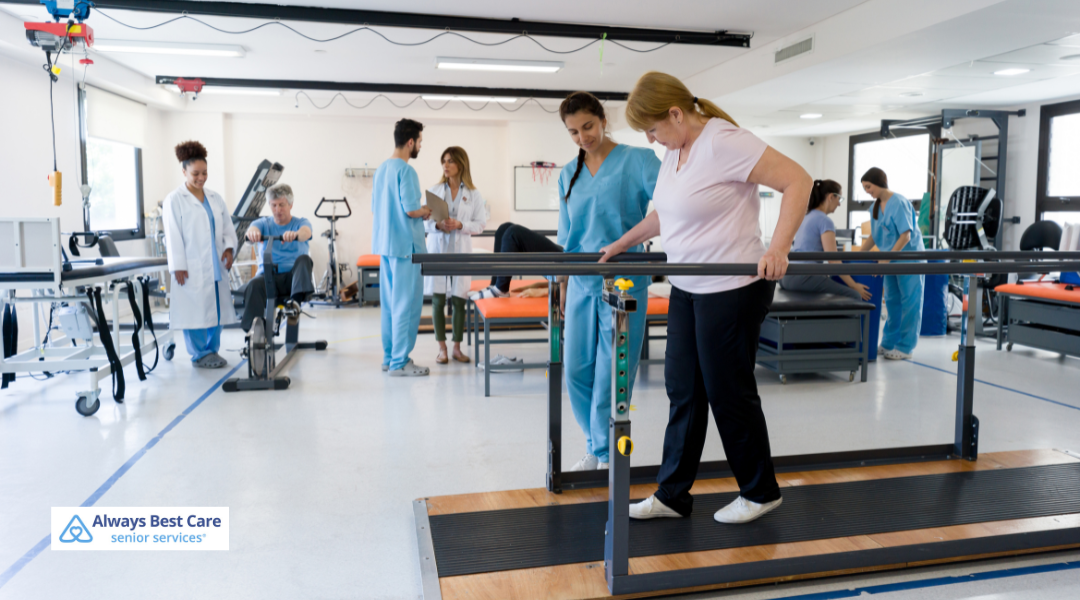
Returning home after a stroke can be comforting, but familiar spaces may now present unfamiliar challenges. A hallway that once felt roomy may be difficult to navigate with a walker. A dark bathroom entrance or loose rug may become a fall hazard.
Creating a safer home does not always require a major renovation. Often, the first steps involve removing obstacles, improving visibility, and arranging everyday items so they are easier to reach.
The goal is to support independence while reducing avoidable risks. The American Stroke Association recommends focusing first on stairs, bathrooms, and main walking areas, with a professional home assessment when needed.
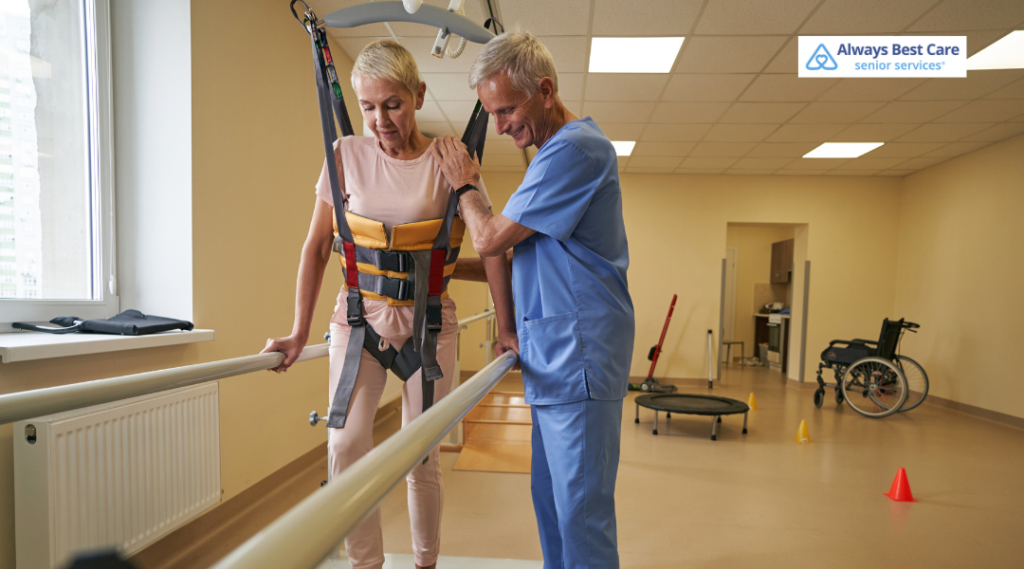
Table of Contents
Begin With a Personalized Home Safety Assessment
A general checklist is useful, but it cannot determine exactly what your loved one needs. Before buying equipment or making significant changes, ask the rehabilitation or discharge team about an occupational or physical therapy home assessment.
A professional can review how the survivor moves through the home and identify changes that fit their abilities. Areas to discuss include:
- Entering and leaving the house
- Moving through doorways and hallways
- Getting in and out of bed
- Standing from frequently used chairs
- Using the toilet and bathing area
- Managing stairs and changes in floor level
- Reaching essential items
- Using prescribed mobility equipment
The American Stroke Association’s home safety checklist specifically recommends occupational or physical therapy assessment for individualized guidance.
Clear Walkways Between Frequently Used Rooms
Start with the routes your loved one uses most: the bedroom to the bathroom, the living room to the kitchen, and the path to the main entrance.
Helpful changes include:
- Moving furniture to create clear, wide walking paths
- Removing loose throw rugs and runners
- Keeping shoes, bags, laundry baskets, and pet toys off the floor
- Moving electrical cords out of walking areas
- Keeping mobility equipment accessible without blocking the route
- Addressing damaged or uneven flooring
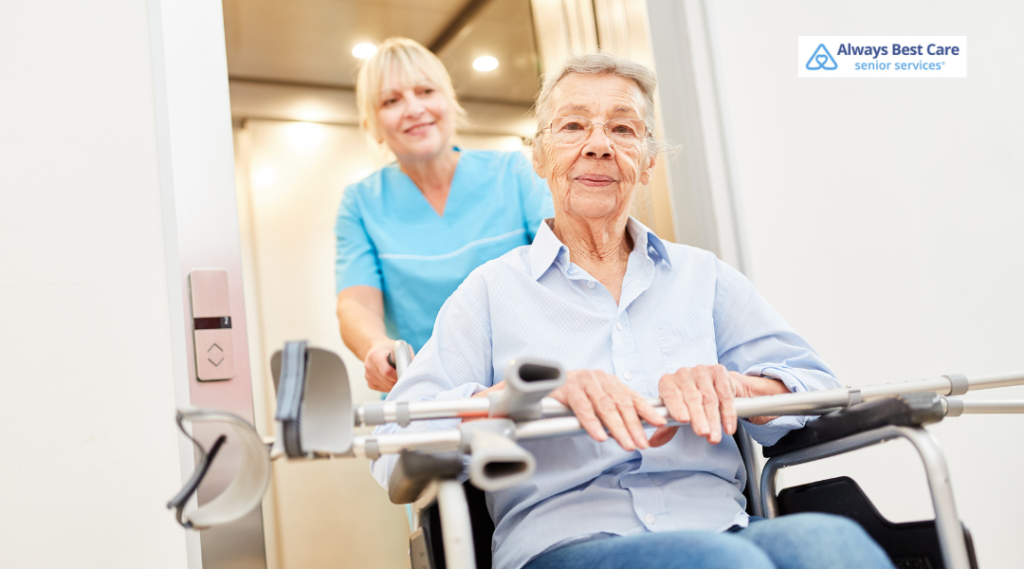
A clear path should also provide enough room for the survivor’s prescribed equipment. Ask the therapist to check tight turns and narrow spaces rather than assuming a walker or wheelchair will fit safely.

Improve Lighting Where Movement Happens
Good lighting helps make obstacles and changes in floor level easier to see. Pay particular attention to stairs, entrances, hallways, and nighttime bathroom routes.
Consider:
- Replacing burned-out bulbs promptly
- Keeping stairways well lit
- Providing light switches at the top and bottom of stairs
- Adding nightlights between the bedroom and bathroom
- Placing an easy-to-reach bedside lamp
- Using motion-activated lights where appropriate
The American Stroke Association recommends clear, well-lit pathways and accessible bedside lighting. Motion-activated nightlights may help illuminate a route without keeping the entire area brightly lit throughout the night.

Keep Everyday Items Within Comfortable Reach
Daily routines can become more difficult when a person must repeatedly bend, stretch, or reach into high cabinets. Organizing frequently used items around your loved one’s current abilities can make tasks more manageable.
Ask the rehabilitation team to help identify accessible locations for:
- Clothing and personal-care supplies
- Frequently used dishes and utensils
- A phone or other communication device
- Glasses and other everyday essentials
- Items needed for approved home activities
The right arrangement depends on how the survivor moves and uses their hands. An occupational therapist can assess everyday tasks and recommend adaptations that help the person participate more safely.
Avoid creating a crowded bedside table or countertop in the process. Accessibility should make a task easier, not introduce another obstacle.
Make Bathroom Safety a Priority
Bathrooms combine wet surfaces, tight spaces, and movements that can be challenging after a stroke. Stepping over a tub edge, turning, sitting down, or standing from the toilet may require equipment or assistance.
Depending on the professional assessment, useful changes may include:
- Properly installed grab bars near the toilet and bathing area
- Nonslip surfaces or suitable nonslip mats in the tub or shower
- A shower chair or tub transfer bench
- A handheld showerhead
- An appropriately selected toilet support device
- Better lighting and easier access to toiletries
Grab bars, nonslip surfaces, and adequate lighting are central features in the American Stroke Association’s bathroom safety guidance. Seating and other equipment should be selected to match the survivor’s abilities and transfer needs.
Keep floors dry, and do not use a towel rack as a substitute for a grab bar. Ask the rehabilitation team where support should be placed and have suitable equipment securely installed.
Review Stairs, Entrances, and Seating
Changes in level can make getting around the home more difficult. Families should check entrances, thresholds, stairs, and frequently used seating areas with the care team.
Questions to ask include:
- Are stair handrails secure and appropriate?
- Can the survivor safely manage the entrance steps?
- Does a doorway or threshold interfere with equipment?
- Is a frequently used chair suitable for safe standing?
- Should essential activities temporarily take place on one floor?
- Would a ramp or other accessibility change be appropriate?
Home modifications should be based on an assessment of the person’s needs rather than a standard shopping list. The American Stroke Association recommends evaluating the home first to determine which changes will be helpful.
Learn How Much Assistance Is Needed
Equipment and home modifications do not automatically make an activity safe to perform alone. Families also need clear guidance about supervision and hands-on help.
Ask the therapist to explain and demonstrate:
- Which activities the survivor can complete independently
- Which require someone nearby
- Which require trained physical assistance
- How to use prescribed equipment
- How to assist with transfers between surfaces
- What to do when a task becomes unsafe or unusually difficult
Do not improvise lifting methods or assume that the technique used before the stroke is still appropriate. Occupational therapy can help families connect everyday activities with suitable adaptations, equipment, and support.
Revisit the Plan as Needs Change
A safer home is not a one-time project. As the survivor’s abilities change, a setup that worked initially may need to be adjusted.
Keep notes about areas where your loved one struggles, equipment that feels awkward, and any falls or near-falls. Share these observations with the rehabilitation team so it can reassess the environment and assistance plan.
Also check whether completed modifications are actually helping. The American Stroke Association recommends reviewing changes after installation to confirm that they meet the survivor’s needs.

How Always Best Care of Burlington Can Help
Contact Always Best Care of Burlington to discuss available non-medical in-home support that complements your loved one’s recovery plan.
Depending on local services and the personalized care arrangement, assistance may include companionship, meal preparation, light housekeeping, personal-care support, transportation, and help maintaining organized daily routines.
Explain any walking, transfer, or supervision needs before arranging services so the team can determine what assistance it can safely provide. Non-medical home care does not replace a clinical home assessment, physical therapy, occupational therapy, or medical treatment.
The aim is to build practical support around the healthcare team’s recommendations while giving family caregivers relief.
FAQ
Q: What should we address first when preparing the home?
A: Focus on essential routes and activities: entering the house, reaching the bathroom, getting in and out of bed, and moving through main living areas. The American Stroke Association identifies stairs, bathrooms, and primary walking areas as priorities for fall prevention.
Q: Who can help decide which modifications are appropriate?
A: Ask the rehabilitation team about an occupational or physical therapy home assessment. These professionals can recommend changes based on the survivor’s abilities and actual home environment.
Q: Should we buy a shower chair or grab bars before discharge?
A: Discuss equipment with the care team first. Bathroom equipment and placement should match the person’s needs, including how they enter the bathing area and transfer safely.
Q: How can we make nighttime bathroom trips safer?
A: Keep the route clear, add suitable nightlights, and provide accessible bedside lighting. Ask the care team whether nighttime supervision or an alternative arrangement is needed.stroke+1
Q: Does installing equipment mean our loved one can move around alone?
A: Not necessarily. The rehabilitation team should determine what assistance is required. Equipment supports a safety plan; it does not replace individualized guidance about mobility and daily activities.

Build Safety Around Your Loved One’s Needs
A safer home starts with understanding how your loved one moves, what they can manage comfortably, and where assistance is needed. Clear pathways, improved lighting, accessible essentials, and appropriate bathroom features can support daily life when they are chosen thoughtfully.
Ask the rehabilitation team about a home safety assessment, then contact Always Best Care of Burlington to discuss in-home support that complements the recovery plan and helps your family manage the transition home. Contact Always Best Care of Burlington at (336) 270-4352 to learn more and schedule your free consultation.
Link to the markdown version of this blog.