

Helping Burlington Families After an Alzheimer’s or Dementia Diagnosis
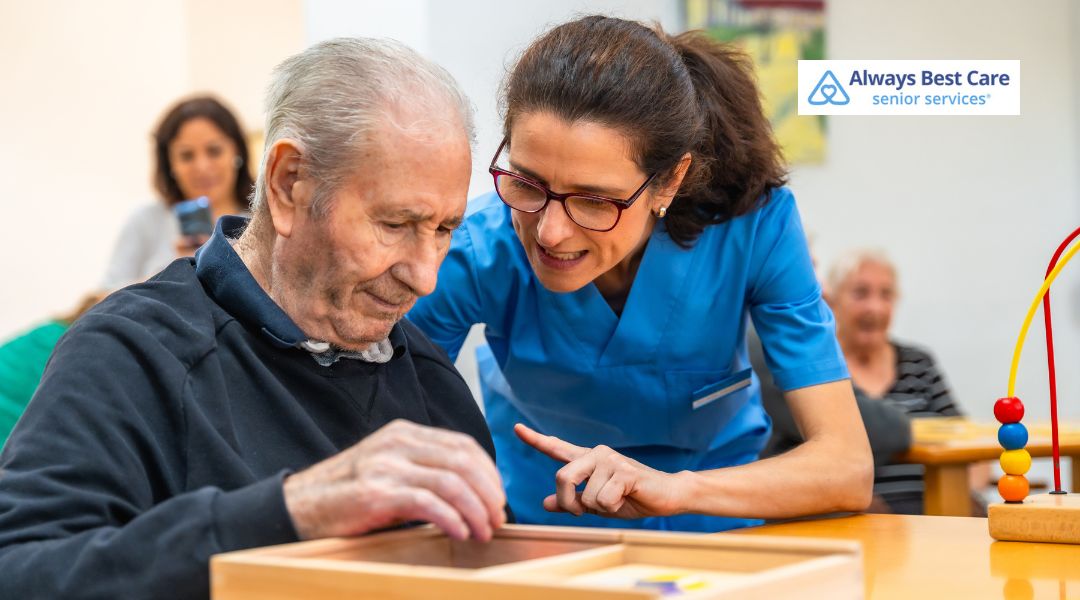
Hearing that a parent, spouse, or grandparent has Alzheimer’s or another form of dementia can feel like the ground just shifted under your feet. In Burlington, where many families are closely connected, those words can instantly turn ordinary routines into big questions: What now? How fast will things change? Are we really ready for this?
Take a breath. You don’t have to solve everything in one day. The first steps after a diagnosis are about understanding what it means, offering comfort, and slowly building a plan that makes life safer, more manageable, and still meaningful for your loved one.
What You Will Learn:
- What an Alzheimer’s or dementia diagnosis means for your family.
- First steps to take after diagnosis, from medical to practical planning.
- How to support your loved one emotionally and at home.
- How in-home care helps families manage daily challenges.
Table of Contents
Understanding What the Diagnosis Really Means
“Dementia” is an umbrella term for changes in thinking and memory that are serious enough to interfere with daily life. Alzheimer’s disease is the most common cause, but not the only one. Knowing the type and stage helps you make better decisions.
Early on, your loved one might still:
- Live at home, possibly independently
- Handle many tasks with some extra time or reminders
- Be aware that their memory and thinking are changing
Ask the doctor:
- What type of dementia is this, and how certain is the diagnosis?
- What symptoms should we expect over the next year or so?
- What medications or treatments are being recommended, and what do they do?
- How often should we schedule follow-up visits?
Writing down answers—or bringing another family member to appointments—helps turn a scary unknown into something you can at least see and plan around.
Supporting Your Loved One Emotionally
Chances are, your loved one has noticed changes long before the diagnosis. They may feel scared, angry, embarrassed, or relieved that there’s finally a name for what’s happening. How you respond can set the tone for the journey ahead.
You can help by:
- Listening without rushing to “fix” their feelings
- Acknowledging the reality: “This is hard. It makes sense that you feel this way.”
- Reassuring them: “We’ll figure this out together. You’re not alone in this.”
- Asking what matters most to them right now—staying at home, keeping certain routines, seeing particular people
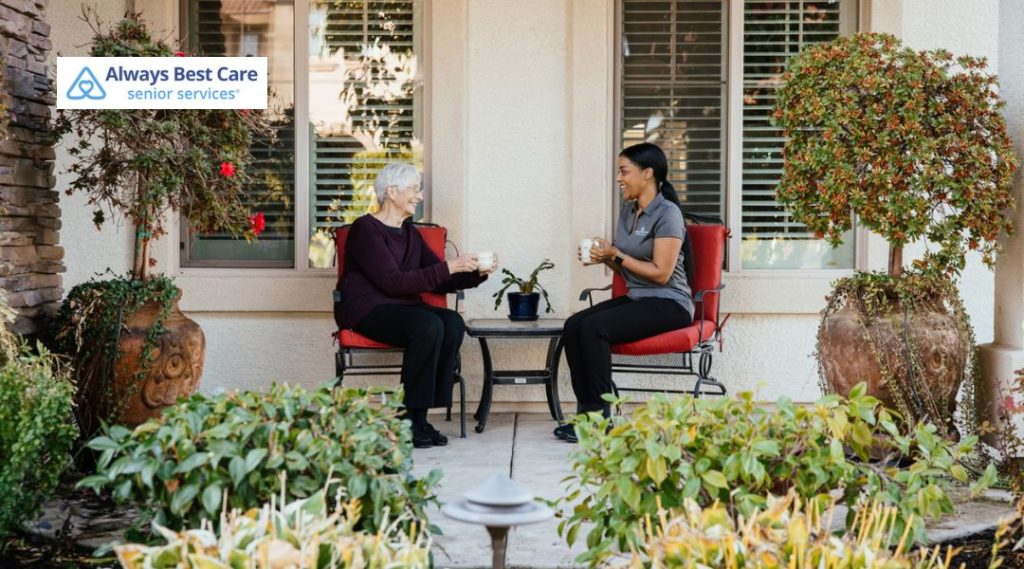
Small acts—having coffee together, taking a short walk around the neighborhood, looking at old photos—remind them that they’re still valued and loved, not just “a diagnosis.”
Practical First Steps for Burlington Families
Once the initial shock settles a bit, a few practical steps can make the road ahead less chaotic.
Helpful early actions include:
- Organizing important paperwork (IDs, insurance cards, medication lists) in one place
- Making a list of current doctors, medications, and health issues
- Scheduling any follow-up or specialist appointments the doctor recommended
- Talking as a family about who can help with what—driving, appointments, check-in calls, or staying overnight if needed
Think of this as building a basic scaffolding around your loved one’s life, so when changes come, you’re not starting from scratch.
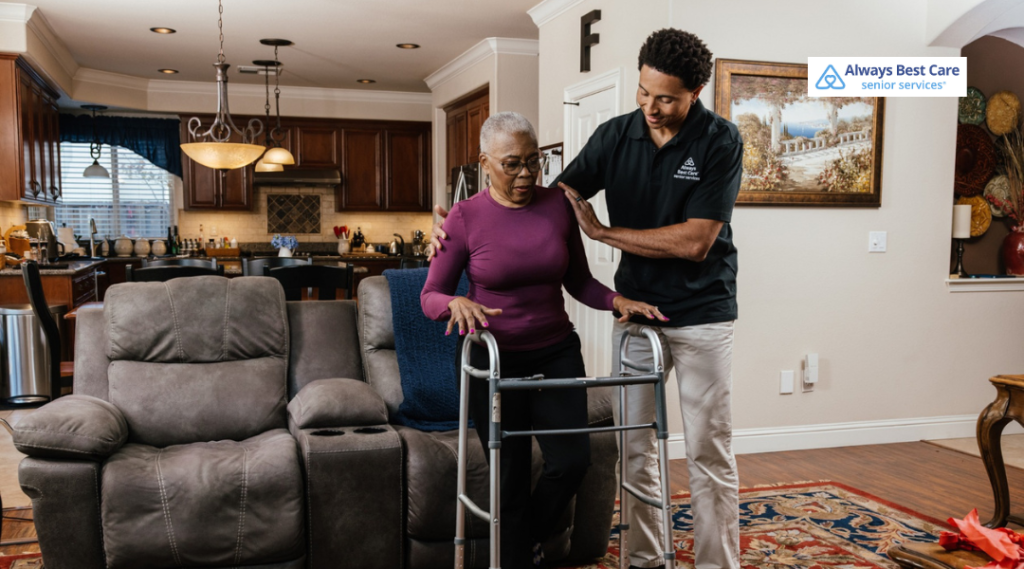
Making Home Safer and Less Confusing
Home is often where your loved one feels safest. With dementia, small changes can help keep it that way longer.
Simple adjustments might include:
- Clearing walkways of clutter and throw rugs to reduce fall risk
- Adding nightlights in hallways, bathrooms, and bedrooms
- Labeling doors and drawers (for example, “Bathroom,” “Closet,” “Dishes,” “Towels”)
- Keeping everyday items—glasses, keys, phone—in the same, visible spot
- Storing cleaning products, sharp tools, and medications out of easy reach
You don’t have to remodel the house overnight. Start with the biggest safety concerns and adjust more as needs change.
A Local Resource: Always Best Care of Burlington’s Dementia Live Program
For Burlington families, support after a dementia diagnosis isn’t only about having extra hands in the home; it’s also about having caregivers who truly understand what memory loss feels like from the inside out. Always Best Care of Burlington trains staff through the Dementia Live Program, an immersive experience designed to help caregivers better understand the sensory and cognitive challenges people with dementia face every day.
The program simulates confusion, frustration, and altered perception, giving caregivers firsthand insight into what it can feel like to live with dementia. That training helps them respond with more patience, stronger communication, and more person-centered care that protects dignity and reduces stress for clients and families.

Building a Support Network in Burlington
Caring for someone with Alzheimer’s or dementia is a team effort, even if it doesn’t feel like it at first. The more people and resources you gather around you, the better.
Your support network can include:
- Family members and close friends who can share visits, rides, or check-ins
- Your loved one’s primary care doctor and any specialists
- Local support groups for dementia caregivers (in person or online)
- Community resources like senior centers, faith communities, or volunteer programs
- In-home care services that provide companionship, personal care, and respite for families
The goal isn’t to hand your loved one off—it’s to avoid reaching a point where you’re exhausted and alone before asking for help.

How In-Home Care Can Help After a Diagnosis
In-home care can be introduced gently and early, not just in a crisis. For Burlington families, it often becomes one of the most practical supports you can have.
Caregivers can:
- Help with bathing, dressing, grooming, and toileting in a respectful way
- Prepare meals, help with feeding if needed, and encourage hydration
- Provide companionship, conversation, and supervision during the day
- Support routines that provide structure—walks, hobbies, music, simple household tasks
- Give family caregivers time to rest, work, or manage other responsibilities
Introducing a caregiver before things become very difficult helps your loved one adjust to a new face and gives everyone time to build trust.
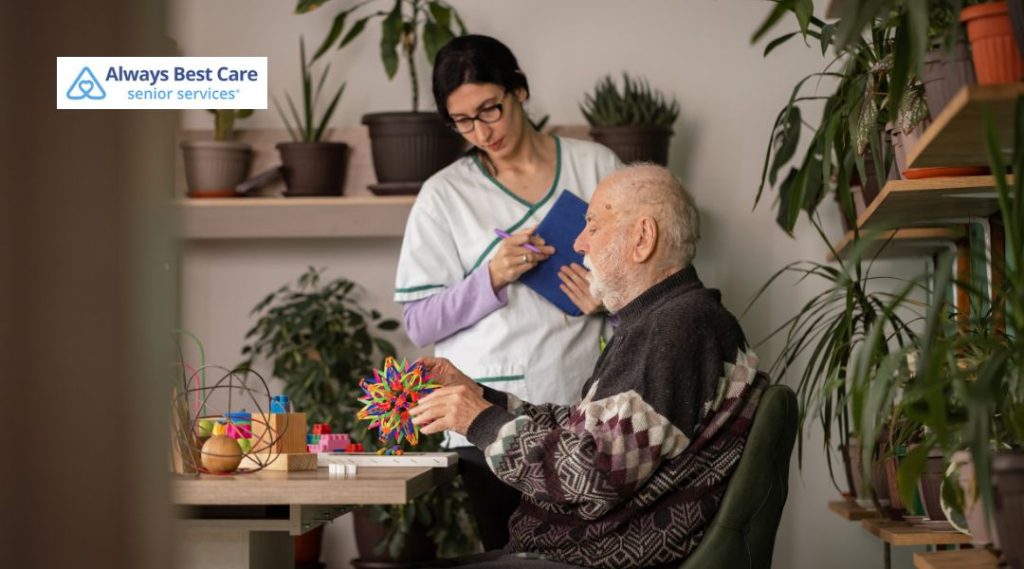
Communicating in New Ways
As dementia progresses, conversations may become more challenging. Your loved one may lose words, repeat questions, or struggle to follow complex explanations. Adjusting how you talk can lower frustration on both sides.
Try to:
- Use short, clear sentences and simple choices
- Ask one question at a time
- Avoid rapid-fire corrections or arguing about facts they misremember
- Use names and specific words (“Your sister Mary is visiting”) rather than vague pronouns
- Focus on feelings more than perfect accuracy—“You sound worried; let’s sit and talk.”
You may not always get the “old” back-and-forth you’re used to, but you can still share connection and comfort.
Taking Care of Legal and Financial Planning Early
Planning ahead isn’t morbid—it’s an act of protection and respect. While your loved one can still participate in decisions, it’s important to discuss:
- Healthcare proxy or medical power of attorney
- Financial power of attorney
- Advance directives and preferences for future medical care
- Wills and beneficiary updates
These conversations are usually easier if framed as: “We want to make sure your wishes are followed, no matter what happens. Can we work through this together?”
Protecting the Caregiver’s Health Too
It’s easy to pour all your energy into your loved one and forget about yourself until you hit a wall. But burnout doesn’t help anyone.
Care for yourself by:
- Taking regular breaks, even if they’re short
- Accepting help from friends, neighbors, or extended family
- Joining a caregiver support group to talk with people who truly understand
- Keeping up with your own sleep, medical appointments, and downtime as best you can
You’re a vital part of your loved one’s support system. Protecting your health is part of protecting theirs.

FAQs: After an Alzheimer’s or Dementia Diagnosis in Burlington
Q: What should our family do first after an Alzheimer’s or dementia diagnosis?
A: Start by understanding the diagnosis, asking the doctor about next steps, and organizing basic information—medications, doctors, and important documents. Then look at safety at home and talk as a family about who can help with what.
Q: How quickly will things change after a diagnosis?
A: Progression varies widely. Some people change slowly over years; others more quickly. Regular check-ins with healthcare providers help you track changes and adjust support before issues become emergencies.
Q: When should Burlington families consider in-home care?
A: It’s wise to consider in-home care when daily tasks become stressful, safety concerns start to appear, or family caregivers feel constantly stretched and tired. Early support often makes later stages easier to manage.
Q: How can we talk to our loved one about needing more help?
A: Use calm, respectful language and focus on shared benefit: “Having some help will make things easier for both of us,” or “I could really use an extra pair of hands so we can keep you at home longer.”
Q: Is it normal to feel overwhelmed or guilty after the diagnosis?
A: Yes. Many families feel overwhelmed, guilty, or unsure they’re doing enough. Those feelings are common and don’t mean you’re failing. Reaching out for information, support, and respite is a sign of strength, not weakness.

You Don’t Have to Figure This Out Alone
An Alzheimer’s or dementia diagnosis can make the future feel scary and uncertain, but it doesn’t erase the love, history, or connection your family shares. In Burlington, you’re not the first family to walk this road—and you don’t have to walk it without support.
By taking small, practical steps—learning about the condition, adjusting the home, building routines, lining up help, and caring for yourself—you can turn a frightening moment into a more manageable journey. You may not control the diagnosis, but you can shape how your loved one is cared for, supported, and surrounded with dignity and kindness along the way.
Contact Always Best Care of Burlington at (336) 270-4352 to learn more and schedule your free consultation.
Link to the markdown version of this blog.