From Stroke Recovery to Renewed Independence: Physical Therapy Support for Rockville Seniors
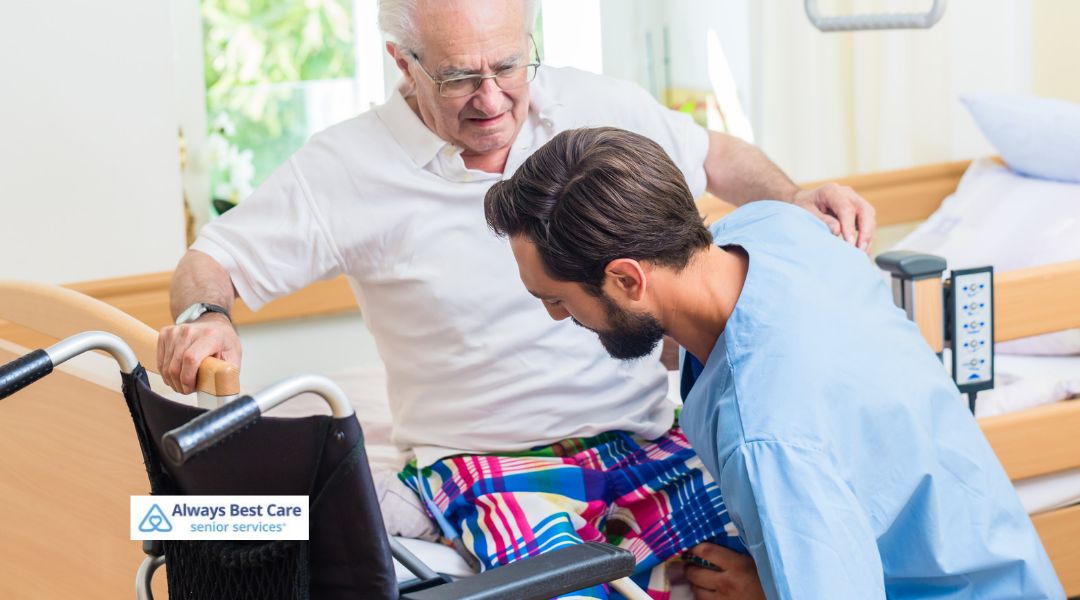
A stroke can change everyday life in a heartbeat. Getting out of bed, buttoning a shirt, walking to the kitchen, or stepping off a curb may suddenly require more effort than before. That can feel frustrating, sure, but recovery is built from small moments of progress, one careful step, one practiced movement, one good day at a time.
Physical Therapy Support for Rockville Seniors can help stroke survivors regain skills, improve safety, and work toward greater independence. While no two recoveries look alike, therapy, family encouragement, and practical help at home can keep the momentum going long after a hospital stay ends.
What You Will Learn
- How physical therapy can support strength, balance, mobility, and confidence after a stroke
- Simple ways to create a safer home environment that encourages steady recovery and independence
- How family members and caregivers can provide encouragement and practical support between therapy sessions
- When stroke symptoms or recovery changes require urgent medical attention
Table of Contents
What Stroke Recovery Can Involve
A stroke may affect strength, balance, coordination, sensation, endurance, speech, memory, or vision. Some people experience weakness on one side of the body, while others may have difficulty with walking, grasping objects, or moving from a bed to a chair.
Recovery takes time, and it often involves more than one type of rehabilitation. Physical therapy focuses on movement, strength, balance, and mobility. Occupational therapy helps with daily activities such as bathing, dressing, and preparing meals. Speech-language therapy may support communication, thinking, or swallowing needs.
The American Stroke Association explains that rehabilitation can help improve strength, movement control, and balance after a stroke.
Physical Therapy Support for Rockville Seniors
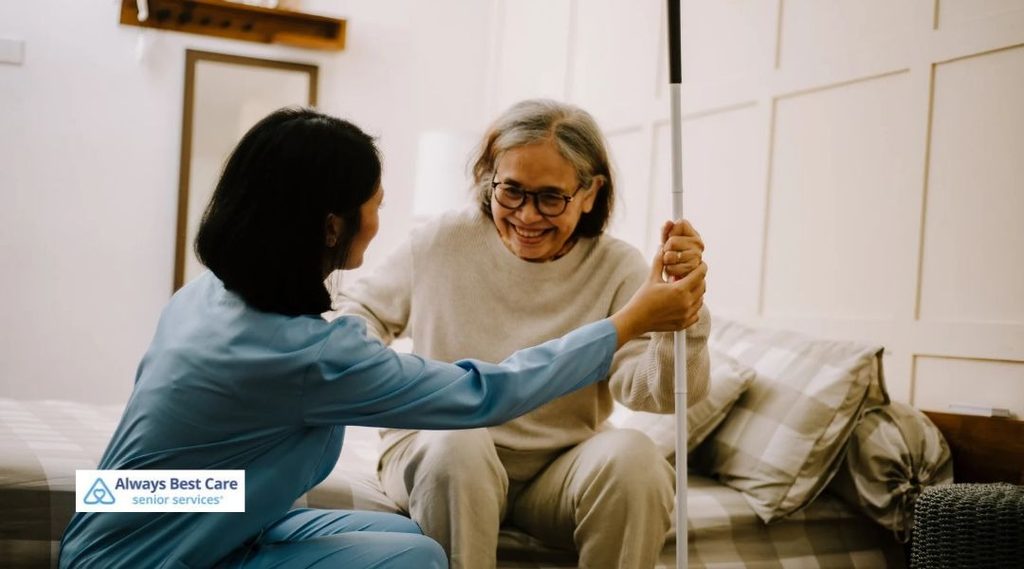
Physical therapy is designed around real-life goals. For one senior, that could mean walking safely to the mailbox. For another, it may involve standing long enough to make breakfast, getting in and out of the car, or joining family for a favorite outing.
Rebuilding Strength and Movement
After a stroke, muscles may feel weak, stiff, or hard to control. A physical therapist assesses how the body moves and creates a plan that can include guided exercises, stretching, standing practice, and repeated movement activities.
That repetition matters. Bit by bit, the brain and body can relearn movement patterns and build greater control. It’s rarely an overnight transformation, but steady effort can add up.
Improving Balance and Walking
Fear of falling can keep a senior from moving as much as they should. A physical therapist can work on balance, posture, safe walking patterns, and proper use of mobility aids such as walkers, canes, braces, or wheelchairs.
Rehabilitation guidelines support intensive, repetitive task training for people with gait limitations after stroke. For families, that means encouraging safe practice according to the therapist’s instructions, not pushing too hard or improvising exercises at home.
Making Everyday Tasks Easier
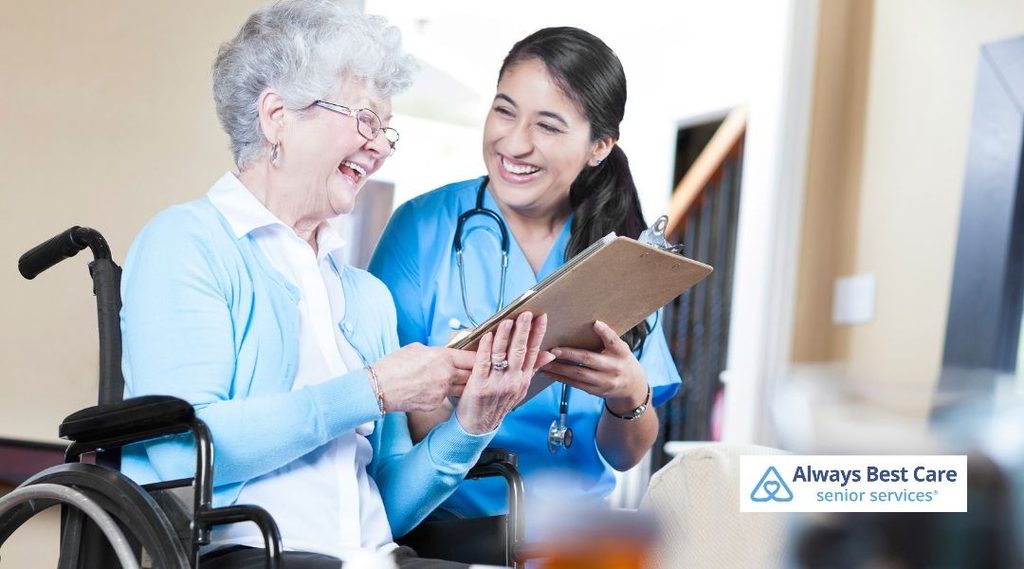
Physical therapy often includes practical skills that support daily routines. Getting from the bed to a chair, turning safely in the bathroom, stepping over a doorway threshold, or standing at the counter can all become therapy goals.
Progress may look modest from the outside. Yet being able to take a shower with less help or walk across the living room more confidently can feel like a major win. And honestly, it is.
Preparing the Home for Recovery
A few smart changes can help make the home safer and less tiring to navigate. Start with the basics:
- Remove loose rugs, cords, and clutter from walking areas.
- Improve lighting in hallways, bedrooms, bathrooms, and entryways.
- Add grab bars near toilets and in showers where appropriate.
- Keep frequently used items within easy reach.
- Use sturdy chairs with armrests to make standing and sitting easier.
- Follow the therapist’s guidance for mobility aids and transfer techniques.
Home exercises can be valuable, yet they should come directly from the physical therapist. Proper form, pacing, and rest are part of the plan. More isn’t always better.

Bringing Recovery Into Daily Life
Physical Therapy Support for Rockville Seniors doesn’t end when an appointment is over. Everyday routines offer natural chances to practice mobility, confidence, and safe independence.
Families can help by allowing extra time, offering encouragement, and stepping in only when support is needed. Rather than rushing to complete every task, give a loved one the chance to do what they can safely manage. That balance can be tricky, no doubt, but it supports both confidence and function.
A predictable rhythm can help, too. Plan therapy exercises, meals, rest, medications, personal care, and appointments around the time of day when the senior feels most alert and steady.
Finding Support in Rockville
Rockville families have access to local rehabilitation and stroke-support resources. Adventist HealthCare Rehabilitation, located in Rockville, provides acute rehabilitation services and outpatient resources for people recovering from serious illness or injury, including stroke.
The Montgomery County Stroke Association also offers virtual support groups for stroke survivors and family caregivers. These connections can help families share experiences, find encouragement, and feel less alone during recovery.
How In-Home Care Can Help
In-home caregivers don’t provide physical therapy or replace licensed rehabilitation professionals. They can, however, make the daily routine easier to manage between appointments.
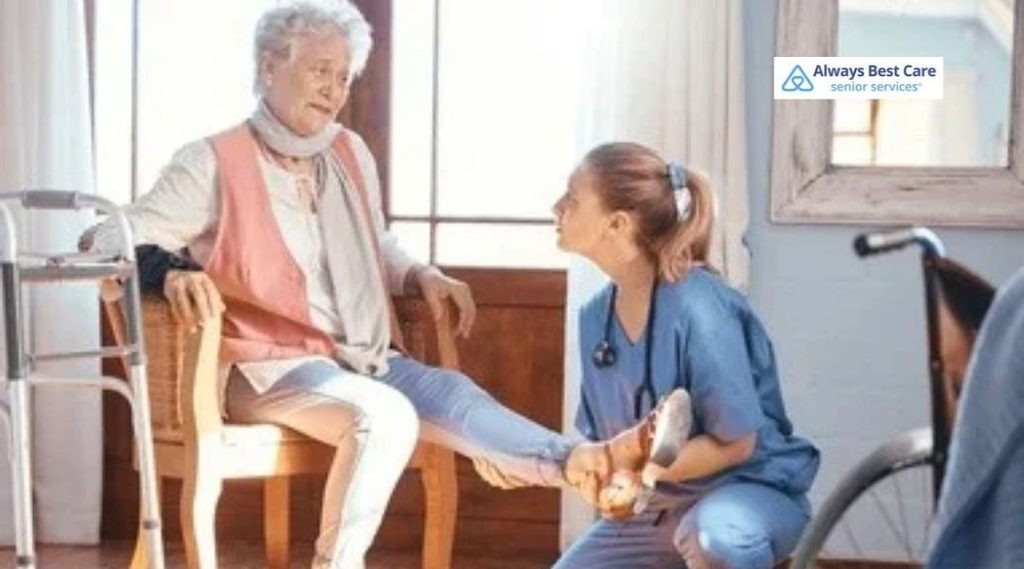
Always Best Care Rockville can provide non-medical support with personal care, meal preparation, light housekeeping, companionship, medication reminders, transportation, errands, and respite for family caregivers. A caregiver may help a senior get ready for therapy, prepare a healthy lunch afterward, keep walkways clear, or offer companionship during a quiet afternoon.
For families juggling work, appointments, and caregiving, that extra support can be a real game-changer.
When to Seek Urgent Help
Call 911 immediately if a senior has signs of a possible stroke. Remember F.A.S.T.:
- Face: Is one side of the face drooping?
- Arms: Is one arm weak or numb?
- Speech: Is speech slurred, confused, or difficult to understand?
- Time: Call 911 right away.
Sudden vision changes, severe headache, loss of balance, new confusion, or sudden numbness may also signal an emergency. Don’t wait it out.
Frequently Asked Questions
Q: How does physical therapy help seniors recover after a stroke?
A: Physical therapy can help seniors improve strength, balance, walking ability, endurance, coordination, and safe movement. A therapist creates a personalized plan based on the person’s abilities, health needs, and recovery goals.
Q: How long does physical therapy last after a stroke?
A: The length of physical therapy varies. It depends on the severity of the stroke, the person’s progress, health needs, insurance coverage, therapy setting, and personal goals. A rehabilitation provider can explain the recommended schedule and adjust it over time.
Q: Can caregivers help with stroke recovery exercises at home?
A: Caregivers can support home exercises only as directed by the physical therapist. They can help create a safe space, offer encouragement, and follow professional guidance about positioning, mobility, pacing, and fall prevention.
Q: Can home care support a senior after a stroke?
A: Yes. Non-medical home care can assist with personal routines, meals, light housekeeping, transportation, companionship, medication reminders, and family respite. It complements the work of physicians, nurses, and rehabilitation therapists.
Every Step Forward Counts
Stroke recovery can be a winding road, but it doesn’t have to be traveled alone. With skilled physical therapy, a safer home environment, steady encouragement, and the right daily support, Rockville seniors can work toward renewed confidence and independence.
Always Best Care Rockville is ready to help families manage the everyday side of recovery. Reach out at (301) 597-1610 today to learn how personalized, non-medical in-home care can support your loved one at home.
Link to the Markdown File version of the article