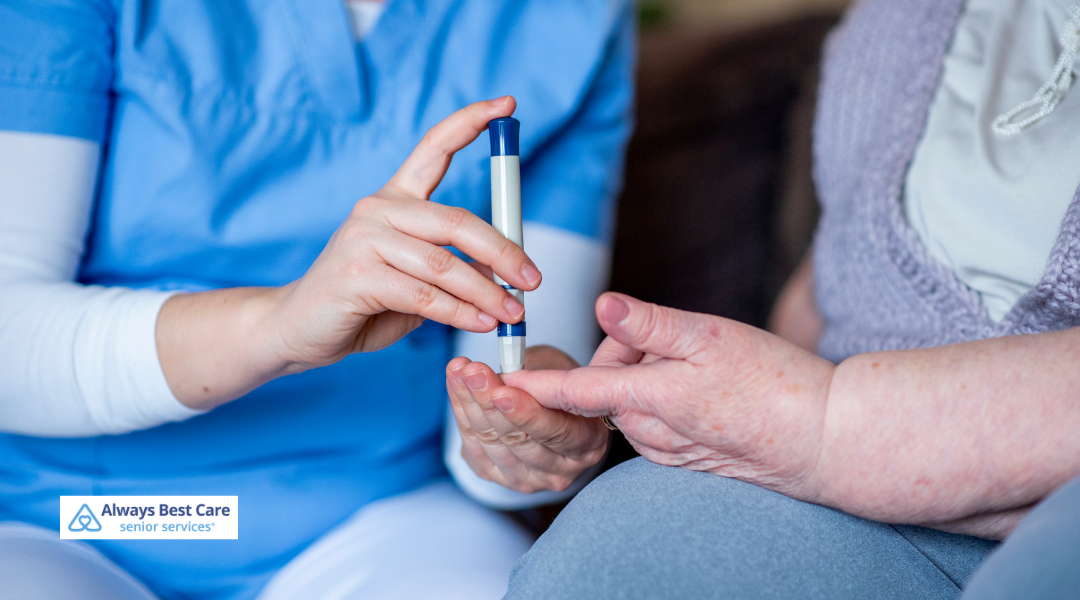

Empowering Seniors with Diabetes: Maintaining Health and Independence at Home in Terre Haute, IN

Diabetes isn’t a death sentence for seniors—far from it. Millions of older adults manage this condition successfully every single day, staying active and enjoying their golden years. The catch? It takes commitment, the right support system, and honest conversations about what works best for each person.
Here’s the truth: managing diabetes with seniors gets trickier as we age. Metabolism shifts, medications pile up, and suddenly you’re juggling more health issues than you bargained for. But here’s the good news—with solid care, real education, and consistent monitoring, your loved one can absolutely thrive. Family members and caregivers aren’t just cheerleaders; they’re essential players in keeping complications at bay and maintaining quality of life.
What you will learn:
- Practical strategies for managing diabetes at home, focusing on nutrition, gentle exercise, and medication consistency.
- How professional caregivers in Terre Haute can make a significant impact by assisting with daily tasks, monitoring health, and providing companionship.
- The common obstacles seniors face when managing diabetes and the simple solutions that can prevent complications.
- Key warning signs to watch for in your loved ones and how to handle them effectively.

Table of Contents
Understanding How Diabetes Affects Older Adults
Let’s back up for a second. Diabetes messes with how your body processes glucose—that’s the sugar your cells need for energy. When blood sugar stays too high for too long, it wreaks havoc on the heart, kidneys, eyes, nerves, and basically everything else. Not fun.
Seniors face two main types, though Type 2 dominates the older population:
- Type 2 Diabetes: The most common culprit, usually tied to insulin resistance and lifestyle patterns built over decades
- Type 1 Diabetes: Rarer in seniors but definitely present in folks diagnosed earlier in life
The real challenge? Managing diabetes with seniors means balancing a cocktail of medications, adapting to appetite changes, wrestling with physical limitations, and tackling other health issues that complicate daily routines. It’s not just about taking insulin—it’s about the whole picture.
Real Obstacles Seniors Face When Managing Diabetes in Daily Life
Let’s be honest about what makes this tough:
- Forgetting to check blood sugar or take meds at the right time
- Eating irregularly or skipping meals because their appetite’s gone haywire
- Struggling to prepare meals due to joint pain or mobility issues
- Vision problems that make reading medication labels nearly impossible
- Drowning in multiple prescriptions for different conditions
- Living alone and having nobody to catch problems early
These aren’t minor inconveniences—they can trigger dangerous blood sugar swings and put seniors at serious risk for hypoglycemia, especially those living by themselves.

Practical Strategies for Managing Diabetes with Seniors at Home
Keep Nutrition Simple and Smart
Food’s your foundation here. Skip the complicated “diabetic diet” nonsense and focus on straightforward meals that actually taste good. Here’s what works:
- Vegetables, beans, and whole grains are packed with fiber
- Lean proteins like fish, chicken, or plant-based options
- Cutting back on sugar and refined carbs
- Smaller, frequent meals instead of three huge ones
The goal? Prevent those wild blood sugar roller coasters that leave seniors feeling wiped out. Professional caregivers can handle the shopping and cooking, making sure meals hit the mark without becoming a burden.
Get Moving—Gently
Exercise isn’t just about weight. It lowers blood sugar, boosts circulation, lifts mood, and keeps muscles strong. But we’re not talking marathons here:
- Leisurely walks around the neighborhood or inside
- Gentle stretching or beginner yoga
- Chair exercises for those with mobility limits
- Gardening or light housework
Always check with a doctor first—what’s safe for one person might not work for another.

Stay On Top of Medications and Monitoring
This is where things get real. Consistency matters enormously, but it’s hard when you’re juggling multiple pills. Smart solutions include:
- Setting phone reminders or using alarm clocks for testing times
- Organizing meds in labeled pill organizers
- Keeping a simple blood sugar log
- Scheduling regular check-ins with healthcare providers
Home caregivers can watch for red flags—sudden fatigue, mood shifts, appetite changes—that signal blood sugar trouble brewing.
Know the Warning Signs
Don’t ignore these symptoms:
- Excessive thirst or frequent urination
- Sudden tiredness or weakness
- Blurry vision
- Unexplained weight loss
- Wounds that heal slowly or infections that won’t quit
When these show up, call the doctor. Don’t wait around.

How Professional In-Home Care Transforms Diabetes Management in Terre Haute, IN
Here’s where we at Always Best Care come in. Managing diabetes with seniors becomes so much more manageable with trained caregivers handling the practical stuff. We can:
- Shop for groceries and prepare balanced meals
- Remind about medications and track blood sugar readings
- Encourage movement and drinking enough water
- Spot concerning changes early and alert healthcare providers
- Provide genuine companionship that reduces stress (which actually helps blood sugar!)
You’re not just getting a caregiver—you’re getting someone invested in your loved one’s independence and wellbeing.
Frequently Asked Questions
Q: What’s a normal blood sugar range for seniors?
A: It depends on their overall health and functional ability. Generally, healthier, more active seniors aim for similar targets as younger adults, while frailer seniors benefit from slightly higher targets to avoid dangerous low blood sugar episodes.
Q: Should seniors with diabetes follow special diets?
A: Not necessarily. Regular meals with consistent, moderate carbs often work better than restrictive “diabetic diets,” especially for nursing home residents. The focus should be on adequate calories and nutrition, not deprivation.
Q: How often should blood sugar be checked?
A: That varies based on medication type and individual circumstances. Your healthcare provider should give specific guidance, but regular monitoring—whether daily or weekly—helps catch problems early.
Q: Can older adults with diabetes still exercise?
A: Absolutely. In fact, they should. Exercise improves blood sugar control, strength, and mood. Start slow with gentle activities and always get medical clearance first.
Q: What medications work best for older adults?
A: Simpler regimens with lower hypoglycemia risk are preferred. Once-daily insulin options and medications that don’t cause dangerous low blood sugar are often better choices than complex multi-dose schedules.

Take Control of Diabetes: Learn How to Support Senior Health and Independence at Home in Terre Haute!
Managing diabetes with seniors doesn’t have to feel like climbing Mount Everest. Yes, it requires attention and planning. Yes, complications can happen. But thousands of older adults prove every day that diabetes doesn’t stop you from living well.
The secret isn’t perfection—it’s consistency, good support, and knowing when to ask for help. Whether that’s family pitching in, healthcare providers guiding the way, or professional caregivers handling the day-to-day logistics, surrounding your loved one with the right people makes all the difference.
Here at Always Best Care of Terre Haute, IN, we’ve helped countless families navigate this journey. We’re not about corporate talk or empty promises—we’re about real people getting real support so they can stay home, stay independent, and stay healthy.
Ready to explore how we can help your family? Reach out to us today at 812-990-3625 to schedule your care consultation. Let’s talk about what your loved one needs and how we can make managing diabetes with seniors feel less overwhelming and more doable.