
Recognizing Senior Scams in Asheville, NC Red Flags You Shouldn’t Ignore
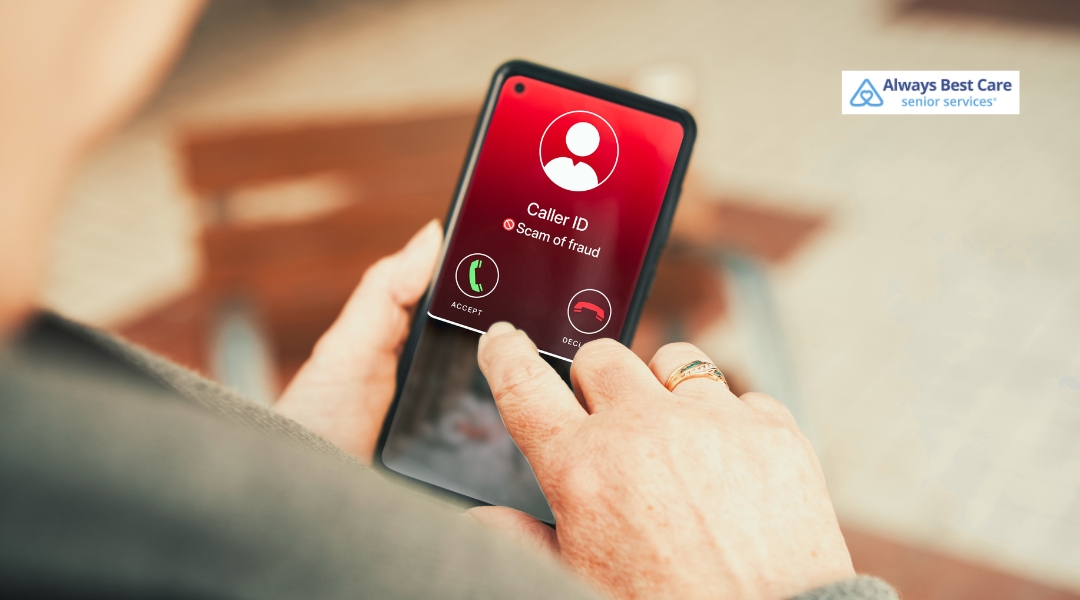
Scammers are crafty, and sadly, older adults are often in their crosshairs. A smooth-talking caller, a fake prize notice, or a convincing email can cause real damage before anyone knows what hit them. The good news? A little awareness goes a long way.
What You Will Learn:
- Why seniors are often targeted by scammers.
- The most common scams affecting older adults today.
- Key warning signs that indicate a potential scam.
- Practical steps families can take to prevent fraud.

Table of Contents
Senior Scams: Why Older Adults Get Targeted
Older adults are often targeted because scammers assume they’ll be polite, trusting, or less familiar with shady online tricks. Add in savings, retirement income, or living alone, and the scammer sees an opening. In other words, it’s not about weakness; it’s about predators looking for an easy mark.
Common Senior Scams to Watch For
Scams come in all shapes and sizes, but a few show up again and again:
- Phone scams: A caller pretends to be from a bank, government office, or even a family member in trouble.
- Phishing emails and texts: Messages look legit but link to fake websites meant to steal private details.
- Sweepstakes scams: The “winner” must pay fees or taxes before collecting a prize that doesn’t exist.
- Romance scams: A scammer builds trust online, then asks for money after tugging at the heartstrings.
- Tech support scams: A pop-up or caller says a device is infected and demands payment or access.

Senior Scams: Warning Signs That Something’s Off
A scam usually has a certain smell to it. If you notice any of these, hit pause:
- Urgent demands for money or action
- Requests for gift cards, wire transfers, or cryptocurrency
- Unasked-for messages asking for personal information
- Threats, panic, or pressure tactics
- Requests to keep things secret from family
If it feels rushed or weird, it probably is.
How We Can Help Protect Loved Ones in Asheville, NC
Families can make a big difference by keeping the conversation open and regular. Simple habits can shut scams down before they get started:
- Talk about common scam tricks.
- Encourage a quick check-in before sending money or sharing details.
- Review bank activity for anything unusual.
- Set up call blockers and email filters.
- Ask a trusted family member before making financial decisions.
A calm, no-judgment approach matters. If our loved ones feel safe asking questions, they’re far less likely to get fooled.
The Role of In-Home Care in Scam Prevention
A trusted caregiver can add another set of eyes and ears. At Always Best Care of Asheville, NC, we help watch for suspicious activity, changes in behavior, or unusual financial concerns. We also offer companionship, which matters because scammers often target people who feel isolated.
We can help with:
- Screening unexpected calls or visitors
- Noticing unusual mail, messages, or behavior
- Encouraging family communication
- Supporting daily routines that reduce confusion and stress
What to Do If You Suspect a Scam
If a scam may have happened, don’t wait around hoping it blows over. Act quickly:
- Contact the bank or financial company right away.
- Report the incident to local authorities or adult protective services.
- Check accounts for more strange activity.
- Reassure your loved one and keep the tone supportive.
Embarrassment can keep people silent, so kindness goes a long way here.

FAQ
Q: How can we tell if a call is a scam?
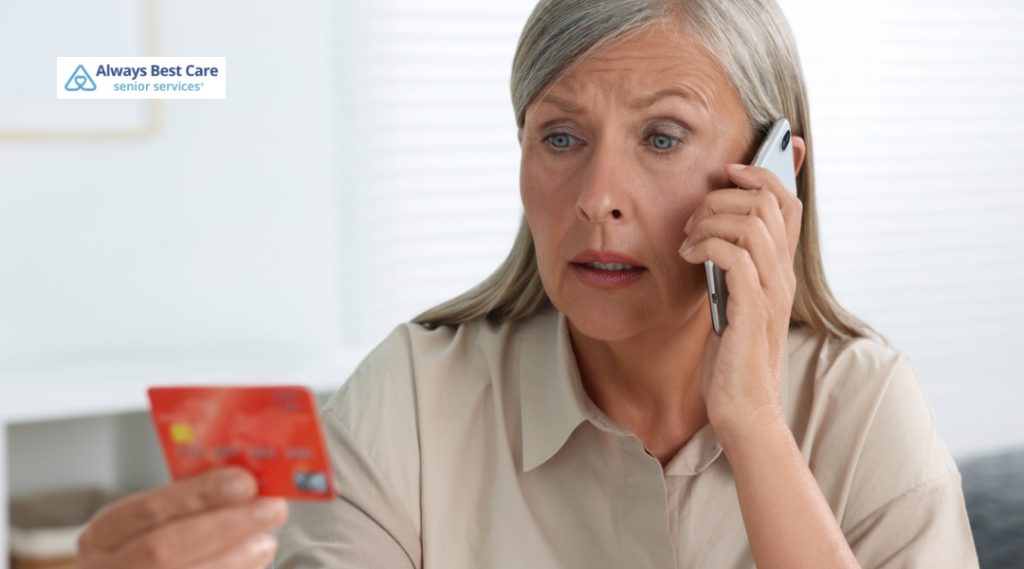
A: If the caller creates urgency, asks for private details, or wants payment through gift cards or wire transfers, that’s a major red flag. Trust your gut and verify the request separately.
Q: What’s the most common scam tactic?
A: Pressure. Scammers want fast decisions because rushed people don’t stop to think things through.
Q: How can we talk to a parent about scams without alarming them?
A: Keep it simple and respectful. Share a few real examples, ask questions, and make it clear that anyone can be tricked.
Q: Can in-home care really help prevent scams?
A: Yes. A caregiver can notice unusual behavior, suspicious visitors, or strange financial patterns and encourage safer choices.
Q: What should we do if the money has already been sent?
A: Call the bank or payment service immediately, report the scam, and document everything you can remember.

Help Your Loved One Stay Safe, Supported, and Protected
Senior scams may be getting slicker, but awareness still packs a punch. By staying alert, talking openly, and adding trusted support at home, we can help protect our loved ones and give them more peace of mind. At Always Best Care of Asheville, NC, we’re here to support independence, safety, and comfort at home. Contact Always Best Care of Asheville at (828) 676-2939 to learn more and schedule your free consultation.
Link to the markdown version of this blog.