

Senior Breathing Support: Respiratory Health Strategies for Asheville, NC

For many older adults, breathing becomes more than just an automatic function—it becomes something that requires attention, care, and daily effort. Whether it is a chronic condition like COPD or simply the natural decline in lung function that comes with age, respiratory health is one of the most important—and often overlooked—aspects of senior wellness.
In Asheville, NC, where seasonal pollen, humidity shifts, and mountain air can all influence how well seniors breathe, having a proactive plan in place makes a real difference.
What You Will Learn:
- How aging affects lung function and breathing in seniors.
- How Asheville’s environment impacts respiratory health.
- Practical ways to improve indoor air quality and daily habits.
- How caregivers support respiratory health and independence.

Table of Contents
How Aging Affects the Lungs
The respiratory system changes significantly as we age. Lung tissue loses elasticity, the diaphragm weakens, and the airways become more sensitive to irritants. These changes do not happen overnight, but over time they can reduce a senior’s ability to recover from illness, sustain physical activity, or even get a full night of rest.
Respiratory conditions commonly seen in older adults include:
- Chronic obstructive pulmonary disease (COPD)
- Asthma
- Pneumonia
- Chronic bronchitis
- Reduced lung capacity due to age-related changes
What makes these conditions particularly challenging is that their symptoms—fatigue, shortness of breath, reduced stamina—are often mistaken for normal aging. Early recognition and consistent management are essential.

Building a Breathing-Friendly Home Environment
The home is where seniors spend most of their time, which means indoor air quality has a direct impact on respiratory health. Dust, pet dander, mold, and chemical fragrances can all trigger symptoms or worsen existing conditions.
Practical steps to improve air quality at home:
- Replace HVAC filters every 1–3 months
- Use HEPA air purifiers in frequently used rooms
- Keep windows open on low-pollen days to allow fresh air circulation
- Eliminate or reduce scented candles, aerosol sprays, and harsh cleaning products
- Address any moisture or mold issues promptly
- Maintain indoor humidity between 30–50% using a humidifier or dehumidifier as needed
In Asheville, where seasonal allergens can be significant, staying informed about local air quality reports and pollen counts can help families plan accordingly.

Daily Habits That Strengthen Lung Health
Lifestyle choices have a measurable impact on how well the lungs function over time. Seniors do not need to make dramatic changes—small, consistent habits can lead to meaningful improvements.
Encourage seniors to build these habits:
- Stay active. Even gentle movement like walking, chair yoga, or light stretching helps maintain respiratory muscle strength.
- Practice breathing exercises. Pursed-lip breathing and diaphragmatic breathing can improve oxygen exchange and reduce breathlessness.
- Drink enough water. Proper hydration keeps mucus thin and airways clear.
- Eat for lung health. Foods rich in antioxidants—berries, leafy greens, and nuts—support lung tissue and reduce inflammation.
- Stay current on vaccinations. Flu, pneumonia, and COVID-19 vaccines significantly reduce the risk of serious respiratory illness in older adults.
Avoiding secondhand smoke and limiting time outdoors during high-pollution or high-pollen periods are equally important protective measures.

Managing Chronic Respiratory Conditions at Home
Seniors with diagnosed respiratory conditions require more structured daily management. Consistency is key—missed medications or improper inhaler technique can quickly lead to worsening symptoms.
Effective home management includes:
- Taking all medications on schedule, including preventive inhalers
- Learning and using correct inhaler technique (a pharmacist or nurse can help)
- Tracking symptoms in a simple daily log to identify patterns or triggers
- Scheduling regular checkups with a pulmonologist or primary care provider
- Having a written action plan for flare-ups
Family members and caregivers play a critical role here. Knowing what “normal” looks like for a senior makes it easier to spot when something is off.
Warning Signs That Need Immediate Attention
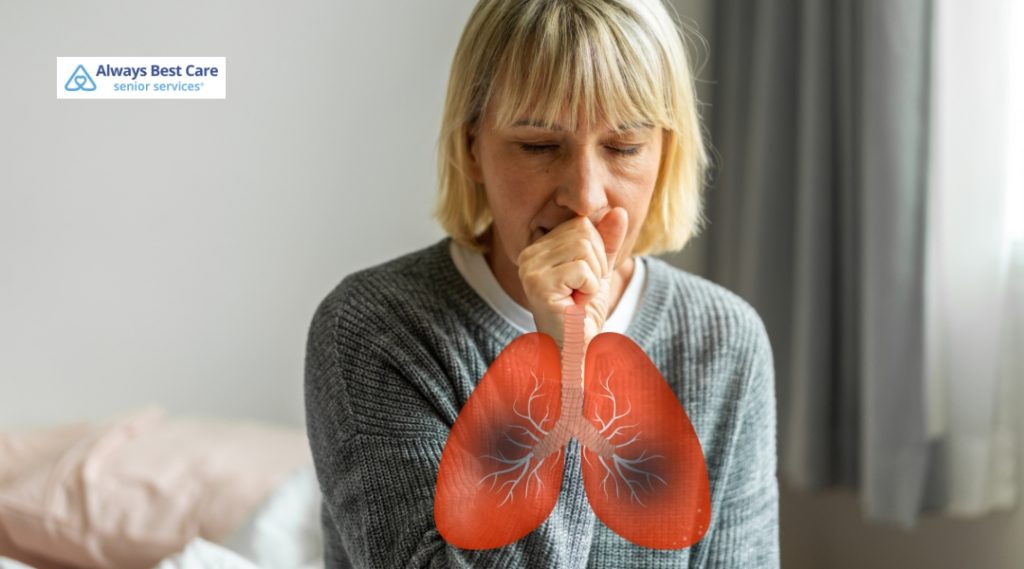
Respiratory symptoms can escalate quickly in older adults. Knowing when to act is just as important as daily prevention.
Seek medical care promptly if a senior experiences:
- Sudden or worsening shortness of breath
- Persistent wheezing or a new cough
- Chest tightness or pain
- Unusual fatigue, confusion, or disorientation
- Bluish tint to the lips or fingertips
These signs may indicate a serious event such as a respiratory infection, exacerbation of COPD, or reduced oxygen levels. Do not wait to see if symptoms improve on their own.

How Always Best Care of Asheville, NC Supports Respiratory Health
Seniors living alone or managing chronic conditions often benefit from consistent, in-home support. Always Best Care of Asheville, NC provides caregivers who understand the unique needs of older adults and help them maintain safe, comfortable routines every day.
Our caregivers can help with:
- Medication reminders and symptom monitoring
- Light housekeeping to reduce allergens and maintain a clean environment
- Encouraging hydration and preparing nutritious meals
- Supporting safe daily movement and breathing exercises
- Providing companionship that reduces stress—a known trigger for respiratory symptoms
- Coordinating and assisting with transportation to medical appointments
For seniors who need a higher level of medical support, home health services can provide skilled nursing, respiratory therapy coordination, and direct communication with healthcare providers.

Frequently Asked Questions
Q: What is the most common respiratory condition in seniors?
A: COPD is the most prevalent chronic respiratory condition among older adults, followed by asthma and recurrent pneumonia. Many seniors have more than one condition simultaneously, which requires careful, coordinated management.
Q: Can lung function improve with age-related decline?
A: While age-related changes to the lungs cannot be fully reversed, consistent exercise, breathing techniques, and avoiding respiratory irritants can help maintain and even modestly improve functional lung capacity. The goal is to slow decline and maximize quality of life.
Q: How do I know if my loved one’s breathing is getting worse?
A: Watch for changes in their baseline—more frequent coughing, difficulty completing sentences, needing to stop and rest during activities they previously managed easily, or increased use of rescue inhalers. Any sudden change warrants a call to their doctor.
Q: Is Asheville’s climate good or bad for respiratory health?
A: Asheville’s mountain setting offers clean air much of the year, but spring pollen seasons can be intense, and wildfire smoke from surrounding regions occasionally affects air quality. Monitoring local air quality indexes and planning outdoor activities accordingly helps seniors stay safe.
Q: How can a home caregiver help with respiratory health?
A: A caregiver provides consistent daily support—reminding seniors to take medications, keeping the home clean and allergen-free, encouraging healthy habits, and watching for warning signs. This kind of attentive, routine care can prevent small issues from becoming serious health events.
Support Stronger Breathing and Greater Peace of Mind
At Always Best Care of Asheville, we provide compassionate in-home care for seniors managing respiratory conditions and chronic health needs. From medication reminders and meal preparation to maintaining a clean, low-irritant home environment, our caregivers help seniors stay safe, comfortable, and independent.
Respiratory health is not something seniors have to manage alone. With the right environment, daily habits, and professional support, breathing easier at home is an achievable goal.
Contact Always Best Care of Asheville at (828) 676-2939 to learn more and schedule your free consultation.
Link to the markdown version to this blog.