

Bristol Seniors and Diabetes – Support for Health and Independence at Home
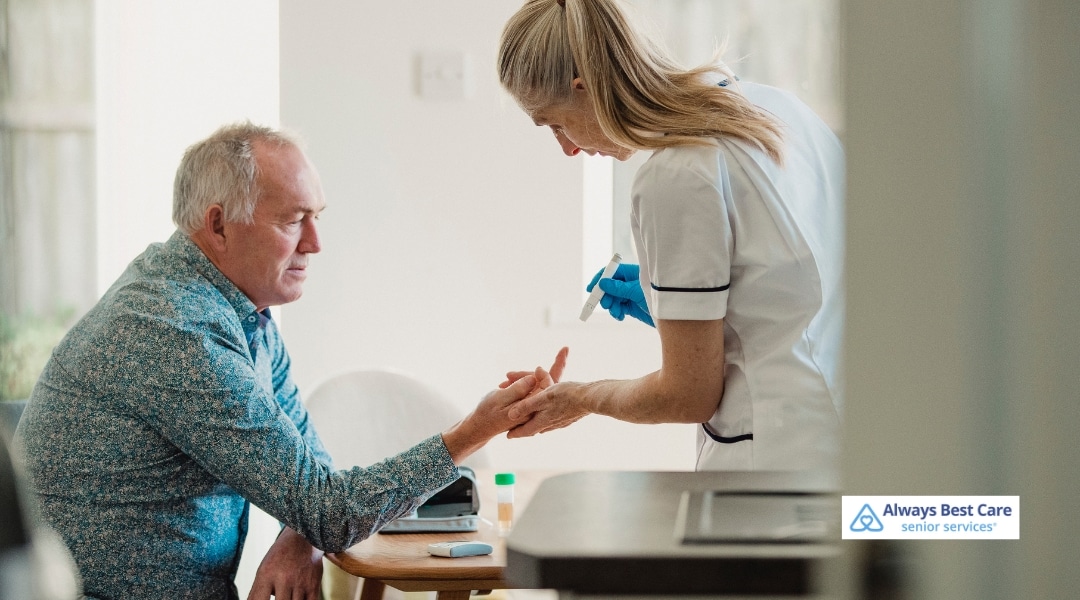
Diabetes is incredibly common among older adults, but here’s the good news—it’s manageable. That said, managing diabetes with seniors isn’t quite the same as helping younger people navigate the condition.
As we age, our bodies change, medications pile up, and suddenly, juggling blood sugar control becomes way more complicated than it used to be. The challenge isn’t just about checking numbers; it’s about weaving diabetes care seamlessly into daily life while keeping your loved one active and independent.
Families and caregivers play a huge role in this journey. With proper attention, education, and daily support, most older adults with diabetes can live vibrant, fulfilling lives. It just takes the right approach and a little patience.
What you will learn:
- How diabetes affects older adults differently and why managing it can feel more complex with age.
- Simple, realistic ways to support blood sugar control at home through meals, movement, and daily routines.
- Why treatment goals should be personalized based on your loved one’s overall health, abilities, and safety.
- How in-home caregivers in Bristol can make diabetes care feel less overwhelming and more empowering for seniors.

Table of Contents
Understanding Diabetes in Older Adults
Let’s start with the basics. Diabetes messes with how the body processes glucose—that’s the sugar your cells need for energy. When blood sugar stays too high for too long, it can damage the heart, kidneys, eyes, nerves, and just about every organ you can think of.
Seniors typically deal with one of two types:
- Type 2 diabetes — the most common form, usually tied to insulin resistance and lifestyle factors
- Type 1 diabetes — less frequent in older adults but still relevant for those diagnosed earlier in life
For seniors, managing diabetes with attention to detail becomes essential because they’re often juggling multiple medications, dealing with appetite changes, managing reduced activity levels, and tackling other health complications simultaneously. It’s a lot.
Why Managing Diabetes with Seniors Gets Trickier
Here’s the reality: managing diabetes with seniors is tougher than it seems. Older adults often face obstacles that younger people don’t:
- Missing blood sugar checks or insulin doses because they simply forget
- Eating at irregular times or skipping meals due to loss of appetite
- Struggling with meal prep because of arthritis or mobility issues
- Vision problems that make reading medication labels nearly impossible
- Keeping track of multiple prescriptions for different conditions
- Living alone without someone to notice when things go sideways
These complications can lead to unstable blood sugar and dangerous hypoglycemic episodes, which can be seriously risky for someone living independently.

Practical Strategies for Managing Diabetes with Seniors at Home
Nourishing with Purpose
A solid diet is foundational to managing diabetes in seniors. Here’s what works:
- High-fiber foods like vegetables, beans, and whole grains keep blood sugar steady
- Lean proteins from fish, chicken, or plant-based sources support muscle health
- Minimizing sugars and refined carbs prevents those blood sugar roller coasters
- Smaller, more frequent meals prevent extreme swings
Rather than restrictive “diabetic diets,” focus on regular meals with consistent carbohydrate portions. This approach actually prevents malnutrition—a real concern for older adults—while keeping blood sugar in check.
Movement Matters
Exercise isn’t just about staying fit; it genuinely helps lower blood sugar and improves circulation, mood, and strength. For most seniors, gentle activities work best:
- Daily walks (indoors or around the neighborhood)
- Light stretching or accessible yoga
- Chair-based exercises for mobility-limited individuals
- Gardening or light household tasks
Always check with a doctor before starting any new activity routine. What works for one senior might not suit another.
Medication and Monitoring Made Manageable
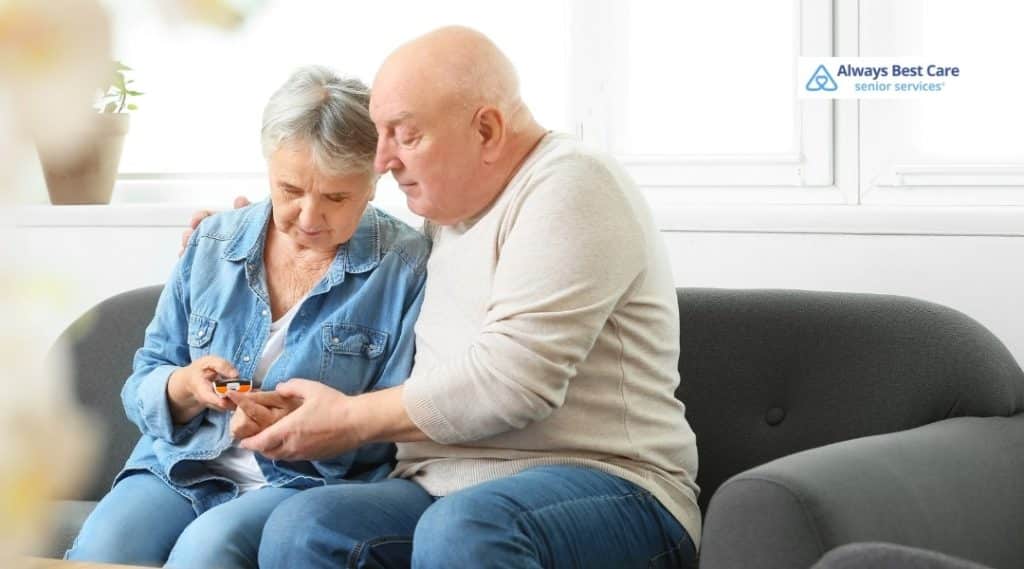
Consistency is everything, but it’s also where things fall apart most often. Here’s how to keep things on track:
- Set phone reminders for medication and testing times
- Use clearly labeled pill organizers organized by day and time
- Keep a simple log of blood sugar readings
- Schedule regular check-ins with healthcare providers
- Watch for changes in appetite, mood, or energy levels—these often signal blood sugar fluctuations
A caregiver can be invaluable here, catching early warning signs that something’s off.
Spotting Red Flags
Uncontrolled diabetes sneaks up quietly sometimes. Watch for:
- Excessive thirst or frequent urination
- Sudden tiredness or weakness
- Vision changes or blurriness
- Unexplained weight loss
- Wounds or infections that heal slowly
Notice any of these? Contact a healthcare provider immediately.

Functional Status Matters More Than Age
Here’s something important: functional status—not age itself—should drive treatment decisions. A healthy, active 80-year-old might benefit from tighter blood sugar control, while a frail 65-year-old with multiple conditions might do better with less stringent targets to avoid dangerous low blood sugar episodes.
Treatment goals should be individualized based on:
- Life expectancy
- Ability to manage medications independently
- Cognitive status
- Overall health conditions
- Risk of hypoglycemia
For functionally independent older adults with life expectancy exceeding 10 years, targets can match those for younger people. For frail seniors or those with dementia, slightly higher targets reduce hypoglycemia risk while still preventing complications.
The Value of Professional In-Home Support
Managing diabetes with seniors becomes significantly easier with trained caregivers who understand the nuances. Professional support can include:
- Grocery shopping and meal preparation tailored to dietary needs
- Encouragement for daily movement and proper hydration
- Medication reminders and organized tracking systems
- Observation and reporting of concerning symptoms
- Companionship that reduces stress (which actually helps blood sugar stability)
With compassionate, knowledgeable support, seniors maintain better control and experience improved quality of life at home.
Frequently Asked Questions
Q: What’s the ideal blood sugar target for older adults?
A: It depends on functional status and overall health. Generally, functionally independent seniors aim for an A1C around 7–7.5%, while frail older adults might target 7.6–8.5% to minimize hypoglycemia risk.
Q: Can seniors still exercise if they have diabetes?
A: Absolutely. Low-impact activities like walking, gentle stretching, and chair exercises are typically safe and beneficial. Always consult your doctor first.
Q: What should I do if my loved one skips meals?
A: Irregular eating is common but problematic. Work with them on small, frequent meals rather than three large ones. Consider appetite-stimulating foods they actually enjoy, and explore options like Meals on Wheels if shopping and cooking aren’t feasible.
Q: How can I help prevent hypoglycemia?
A: Keep quick-acting glucose sources accessible, maintain consistent meal timing, encourage regular medication adherence, and watch for warning signs like trembling, confusion, or excessive sweating.
Q: Is managing diabetes with seniors different from younger adults?
A: Yes. Seniors face unique challenges, including multiple medications, cognitive changes, mobility limitations, and higher hypoglycemia risk. Treatment requires individualization rather than one-size-fits-all approaches.

Help your loved one manage diabetes safely and confidently at home
Managing diabetes with seniors doesn’t have to feel overwhelming. It’s absolutely doable when you focus on consistency, individualization, and compassionate support. Every senior’s situation is different, so what matters most is tailoring care to their specific needs, abilities, and goals.
Whether it’s helping with meal prep, organizing medications, or simply being present to catch warning signs, proper support transforms diabetes management from stressful to manageable.
With the right guidance and daily attention, your loved one can stay healthy, safe, and independent at home—living the life they want to live. That’s what good diabetes care really looks like.
Contact Always Best Care of Bristol at (860) 261-4405 to learn more and schedule your care consultation.