

Diabetes Management for Seniors in Bristol, CT: A Guide for Families
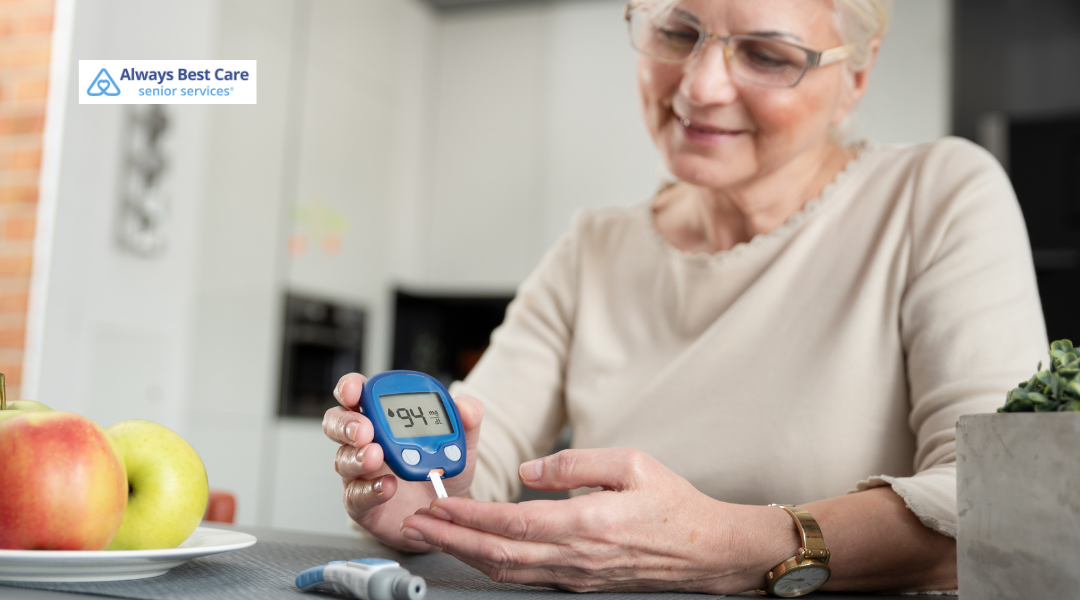
Here’s the thing about diabetes: it never takes a day off. It’s one of the most common chronic conditions among older adults, and for many families the daily juggling of meals, medications, and checkups quietly lands on their plate.
What You Will Learn
- Why diabetes gets trickier with age
- Simple daily habits that help keep blood sugar steady
- The warning signs of high and low blood sugar
- How in-home care lightens the load for families
The good news? With steady routines and the right support at home, seniors in Bristol can manage diabetes more safely and with a lot more confidence. There’s no better time to start, either. November is National Diabetes Month, a yearly reminder for everyone to take charge of their diabetes health.
Table of Contents
Why Diabetes Management Gets Harder with Age
Managing diabetes at 45 and managing it at 80 are two very different ballgames. Bodies change, routines shift, and things that used to be second nature start slipping through the cracks.
Memory, Mobility, and Appetite Changes
Can’t remember if the morning pill got taken? It happens. Add stiff joints that make cooking a chore and an appetite that’s fading, and mealtimes get irregular fast. When blood sugar’s involved, skipped meals are a big deal.
Juggling Medications and Appointments
Lots of older adults take several prescriptions for different conditions. Keeping track of all of them, on top of eye exams, lab work, and specialist visits, can feel like a part-time job. The National Institute on Aging notes that older adults with diabetes also face a higher risk of depression and memory problems, which can make self-care even harder.
Higher Risk of Complications
Seniors are more likely to have low blood sugar, which can cause dizziness and lead to falls. The CDC points out that older people may not notice high or low blood sugar as easily. Feet need extra attention too, since nerve damage and poor circulation can turn a tiny blister into a real problem.

Practical Daily Tips for Diabetes Management for Seniors
Truth be told, small habits do most of the heavy lifting. Here’s where families can make a real difference.
1. Keep Meals Regular and Balanced
Try to keep mealtimes consistent, with a mix of vegetables, lean protein, whole grains, and healthy fats. And don’t forget water! Staying hydrated supports healthy aging in more ways than one.
2. Build a Medication Routine
A weekly pill organizer, a phone alarm, or a simple checklist on the fridge can work wonders. Tie medications to daily anchors like breakfast or the evening news so they’re harder to forget.
3. Move Gently, with the Doctor’s OK
A short stroll, some chair exercises, or a little gardening can help with blood sugar, mood, and strength. Always check with the doctor before starting anything new.
4. Check Feet and Skin Every Day
Look for cuts, blisters, redness, or swelling, especially between the toes. Comfortable shoes and clean, dry socks go a long way.
5. Know the Warning Signs
Low blood sugar can look like shakiness, sweating, confusion, crankiness, or a racing heart. High blood sugar often shows up as extra thirst, frequent bathroom trips, fatigue, or blurry vision. According to the American Diabetes Association, a reading below 70 mg/dL is generally considered low and should be treated right away.
Call the doctor if readings keep landing outside the target range or symptoms keep coming back. If your loved one passes out or can’t safely eat or drink, call 911.
Want a closer look at those signs? Check out our earlier post on blood sugar changes in older adults.
How In-Home Care Supports Senior Diabetes Care at Home
Let’s be honest: even the most devoted family can’t be there around the clock. That’s where in-home care lends a helping hand.
Meal Planning and Preparation
Caregivers can shop for groceries, plan meals that follow the doctor’s guidance, and cook them, so healthy food is always within reach.
Medication Reminders
A friendly nudge at the right moment keeps daily routines on track and gives families real peace of mind.
Transportation to Appointments
Getting to doctor visits, lab work, and the pharmacy around Bristol, Southington, or Waterbury is a whole lot easier with a reliable ride.
Companionship and Encouragement
A walk around the block is way more fun with company. Having someone to talk to also matters on the days diabetes feels like a grind.
Respite for Family Caregivers
Caregiver burnout is real. In-home care for diabetics gives family members time to rest, run errands, or just breathe, knowing Mom or Dad is in good hands.

FAQ
Q: What’s the most important part of diabetes management for seniors in Bristol, CT?
A: Consistency is the real MVP, from regular meals and medication routines to daily foot checks; Always Best Care of Bristol helps families keep those routines steady at home.
Q: How can families tell if a senior’s blood sugar is too low?
A: Watch for shakiness, sweating, confusion, sudden irritability, or dizziness, and check with a meter when you can; Always Best Care of Bristol caregivers can keep an eye out for changes and let families know when something seems off.
Q: Can in-home care help seniors with diabetes stay independent?
A: Yes, help with meals, reminders, rides, and gentle activity lets many seniors stay comfortable in their own homes; Always Best Care of Bristol builds each care plan around the person’s unique needs.
Q: Is National Diabetes Month a good time to set up support at home?
A: Absolutely, November is a natural time to review routines and talk with the doctor about goals; Always Best Care of Bristol offers a free care consultation to help families get started.

Steady Days Start at Home
Diabetes doesn’t have to run the show. Steady daily habits plus the right support at home help seniors stay safe, healthy, and independent for the long haul.
If your family could use a hand, we’re right here in Bristol. Call Always Best Care of Bristol at (860) 261-4405 or request your care consultation today.