
Living Well with COPD in Downingtown, PA: Tips for Comfort and Symptom Management at Home
Chronic Obstructive Pulmonary Disease (COPD) is one of the most common long-term respiratory conditions affecting older adults. For seniors in Downingtown, PA, managing COPD at home is not just possible — it is achievable with the right routines, environment, and support system in place.
COPD does not look the same for everyone. Some seniors experience frequent flare-ups that disrupt daily life, while others manage relatively well with consistent care. What makes the difference is rarely one single factor — it is the combination of medical adherence, lifestyle habits, and having people around who understand the condition.
What You Will Learn:
- How COPD affects seniors and why symptoms go beyond breathing issues.
- Practical strategies to manage COPD safely at home.
- The importance of air quality, movement, and daily routines.
- How in-home care supports independence and reduces COPD-related risks.
Table of Contents
Understanding What COPD Actually Does
COPD is an umbrella term for lung diseases — primarily chronic bronchitis and emphysema — that progressively limit airflow. Over time, the lungs lose their ability to efficiently exchange oxygen and carbon dioxide, which means the body has to work harder just to breathe.
For seniors, this added effort can be exhausting. Tasks that once felt routine — getting dressed, preparing a meal, walking to the mailbox — can become genuinely tiring. That fatigue is not a sign of weakness. It is a direct result of how COPD affects the body’s energy demands.
Common symptoms to recognize:
- Persistent cough or wheezing
- Shortness of breath during light activity
- Chest tightness, especially in the morning
- Frequent respiratory infections
- Unexplained fatigue or low stamina
Because these symptoms develop gradually, they are often dismissed as normal aging. Early identification and consistent management are what separate a manageable condition from one that significantly limits independence.
Practical Strategies for Managing COPD at Home
Stick to the Treatment Plan
Inhalers, bronchodilators, and in some cases supplemental oxygen are prescribed for a reason. Skipping doses or using equipment incorrectly can lead to preventable flare-ups. Caregivers play a valuable role here — not by taking over, but by providing gentle reminders and helping seniors stay on schedule.
Control the Air Quality at Home
The air inside a home can be more polluted than outdoor air, especially in older houses. For someone with COPD, indoor air quality is a genuine health factor.
Steps that make a real difference:
- Replace HVAC filters regularly
- Use a HEPA air purifier in frequently used rooms
- Eliminate smoking indoors entirely
- Switch to fragrance-free cleaning products
- Open windows on low-pollen, low-humidity days to improve ventilation
Keep Moving — Carefully
It may seem counterintuitive, but physical inactivity actually worsens COPD over time. Gentle, consistent movement helps maintain lung capacity and muscle strength, both of which support easier breathing.
Short walks, light stretching, and chair-based exercises are all appropriate starting points. A pulmonary rehabilitation program, if recommended by a physician, can provide structured guidance tailored to the individual’s current lung function.
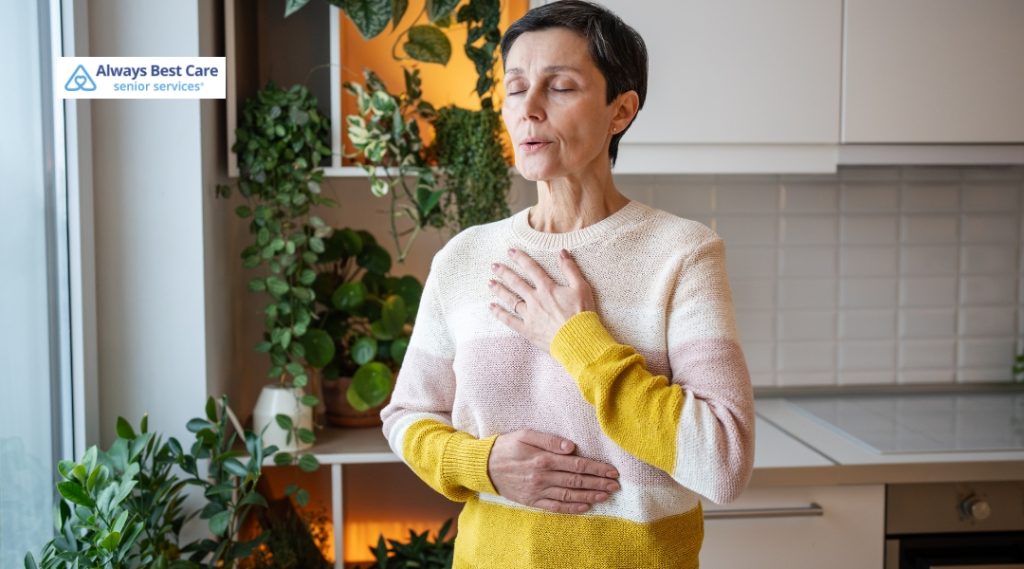
Learn and Practice Breathing Techniques
Two techniques are particularly effective for COPD management:
- Pursed-lip breathing: Inhale slowly through the nose, then exhale through pursed lips (as if blowing out a candle) for twice as long. This slows breathing and keeps airways open longer.
- Diaphragmatic breathing: Focuses on engaging the diaphragm rather than the chest, improving oxygen efficiency.
Practicing these techniques daily — not just during flare-ups — builds the habit so they become instinctive when breathlessness occurs.
Prioritize Nutrition and Hydration
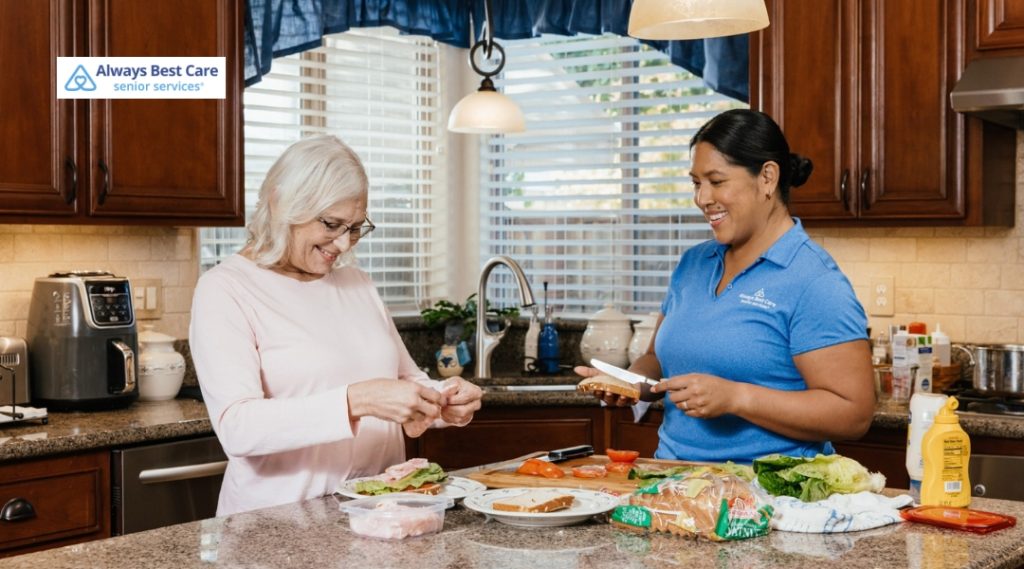
Eating well with COPD involves more than general healthy eating. Large meals can cause the stomach to press against the diaphragm, making breathing harder. Smaller, more frequent meals are often better tolerated.
Staying hydrated helps thin mucus secretions, making them easier to clear. Limiting caffeine and alcohol, which can interfere with sleep and hydration, is also worth considering.
Know When to Act
Flare-ups can escalate quickly. Families and caregivers should know the warning signs that require prompt medical attention:
- Noticeably increased shortness of breath
- Mucus that changes in color, thickness, or volume
- Fever or chills
- Increased confusion or unusual fatigue
- Lips or fingernails appearing bluish
Having a written action plan — developed with the senior’s physician — removes the guesswork in these moments and can prevent unnecessary hospitalizations.
How Always Best Care of Downingtown, PA Supports Seniors with COPD
Managing COPD is a daily commitment, and it is one that seniors should not have to handle alone. Always Best Care of Downingtown, PA provides in-home support that complements medical care and helps seniors maintain their independence.
Our caregivers assist with:
- Medication reminders and monitoring for symptom changes
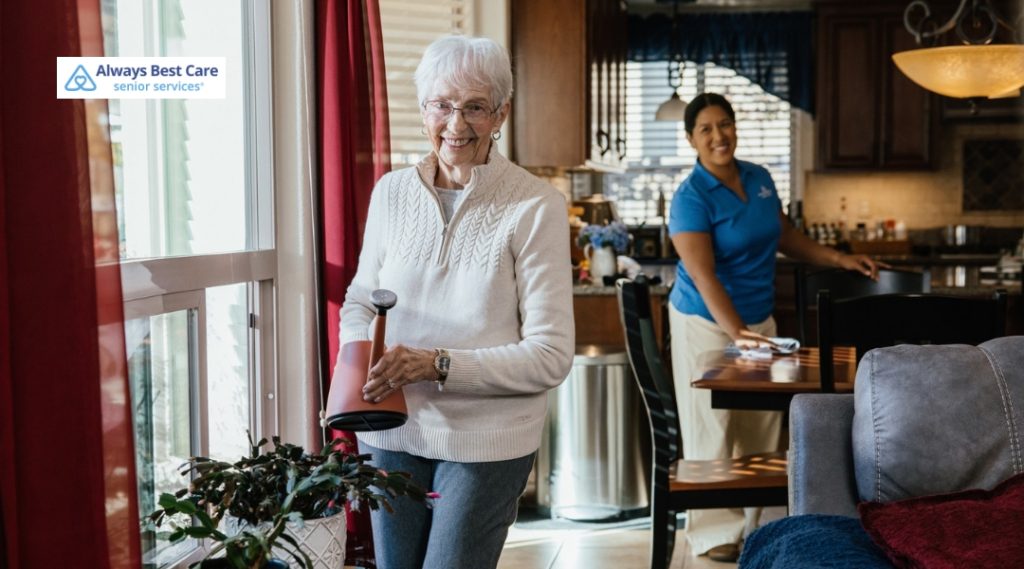
- Light housekeeping to reduce dust, allergens, and indoor irritants
- Meal preparation focused on nutrition and manageable portion sizes
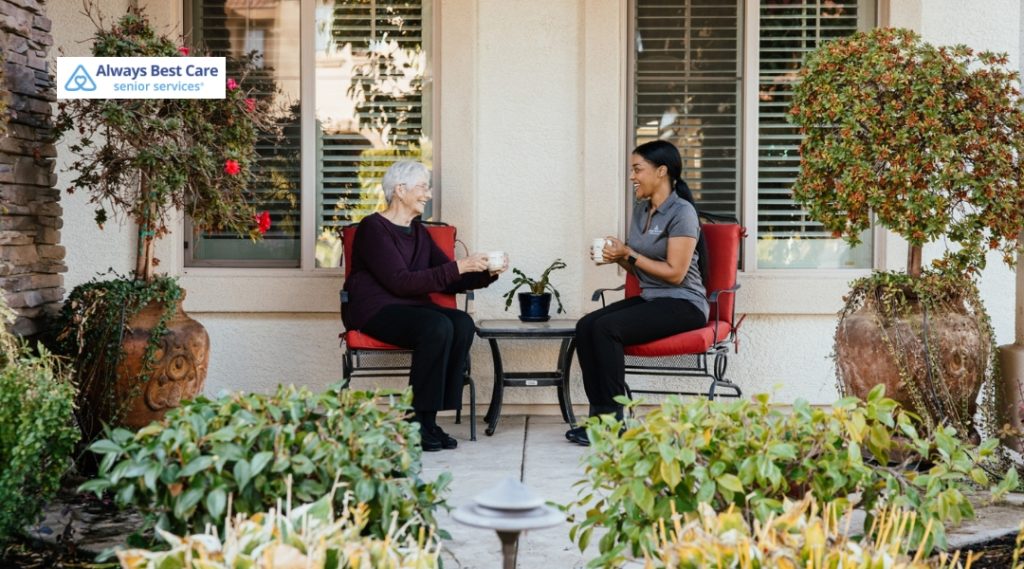
- Encouragement and companionship during daily routines
- Transportation to medical appointments and pulmonary rehab sessions
For seniors who need a higher level of medical support, home health services can provide skilled nursing care and direct coordination with healthcare providers.
Frequently Asked Questions About COPD Care at Home
Q: What is the most important thing seniors with COPD can do at home?
A: Consistency is key. Following the prescribed treatment plan, taking medications on schedule, and maintaining a clean home environment are the most impactful daily habits for managing COPD symptoms.
Q: Can someone with COPD live alone safely?
A: Many seniors with COPD do live independently, especially in the earlier stages of the condition. However, as the disease progresses, having regular check-ins from a caregiver or family member becomes increasingly important for safety and symptom monitoring.
Q: How does in-home care help with COPD management?
A: In-home caregivers support seniors by providing medication reminders, reducing household triggers like dust and strong odors, preparing appropriate meals, and offering companionship — all of which contribute to better symptom management and reduced stress.
Q: What should I do if my loved one’s COPD symptoms suddenly get worse?
A: Contact their physician or seek emergency care if symptoms escalate rapidly — particularly if they experience severe shortness of breath, bluish lips or fingernails, or significant confusion. Having a written COPD action plan from their doctor can help guide these decisions.
Q: Is exercise safe for seniors with COPD?
A: Yes, when done appropriately. Light activity such as short walks, gentle stretching, and breathing exercises can actually improve lung function and overall stamina. Always consult with the senior’s healthcare provider before starting any new exercise routine.
Q: How can families in Downingtown, PA get started with in-home care for a loved one with COPD?
A: Reach out to Always Best Care of Downingtown, PA at (xxx) xxx-xxxx to schedule a care consultation. Our team will assess your loved one’s needs and develop a personalized care plan to support their health and independence at home.
Support Safer Living for Seniors with COPD
At Always Best Care of Downingtown, we provide compassionate in-home support for seniors living with COPD and other chronic conditions. From medication reminders and meal preparation to maintaining a clean, safe home environment, our caregivers help make everyday life more manageable and comfortable.
Contact Always Best Care of Downingtown at (610) 450-6776 to learn more and schedule your free consultation.
Link to the markdown version of this blog.