

Senior Safety in Downingtown, PA Recognizing and Preventing Elder Abuse
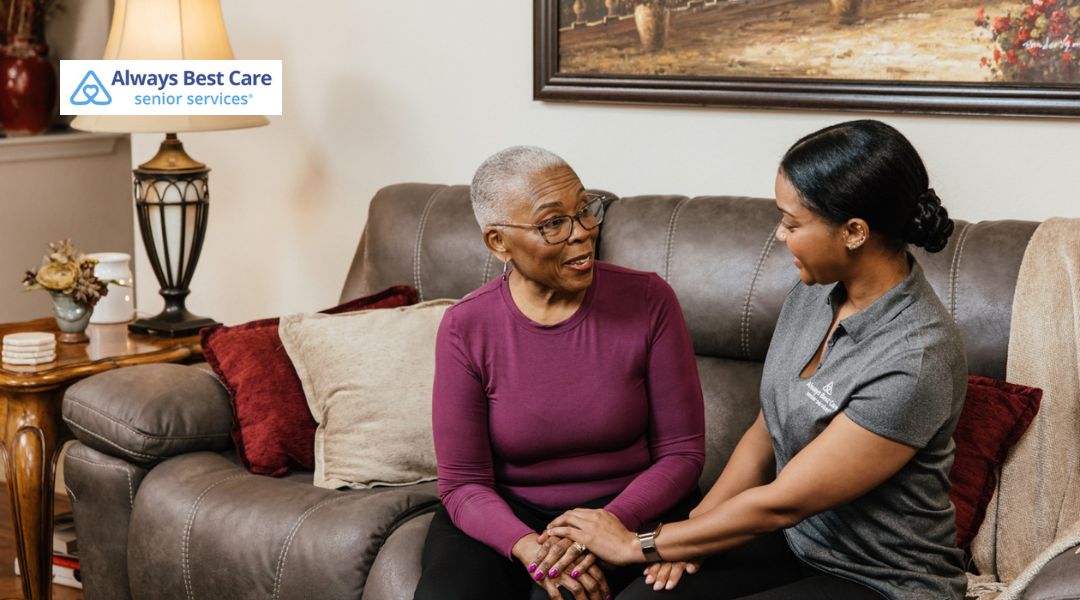
Elder abuse isn’t just a shocking news headline—it’s something that can quietly unfold right under our noses. In a cozy living room, in a care setting, or even within a long‑trusted relationship, harm can creep in slowly and quietly. That’s exactly why families in Downingtown, PA need clear, practical guidance on elder abuse prevention before a worrying situation spirals out of control.
At Always Best Care of Downingtown, PA, we believe every older adult should feel safe, respected, and genuinely cared for. When we stay informed, stay involved, and stay vocal, we give the seniors we love a much better chance at living with dignity and peace of mind.
What You Will Learn:
- What elder abuse is and the different forms it can take.
- Warning signs families should watch for and take seriously.
- Key risk factors that increase a senior’s vulnerability.
- Practical steps to prevent abuse and protect loved ones.
Table of Contents
What Is Elder Abuse?
Elder abuse happens when an older adult is harmed—or put at serious risk of harm—through someone’s actions or failure to act. Sometimes it’s obvious, but often it’s hidden behind closed doors and polite smiles.
Common forms of elder abuse include:
- Physical abuse – hitting, pushing, rough handling, or improper restraint
- Emotional abuse – yelling, threats, name‑calling, intimidation, or deliberate isolation
- Financial exploitation – misuse of money, coercing someone to sign documents, or unexplained withdrawals
- Neglect – failing to provide food, hygiene, medications, or basic comfort
- Abandonment or lack of supervision – leaving a senior alone when help is clearly needed
Elder abuse prevention starts with recognizing that harm doesn’t always leave a visible bruise. Sometimes the damage shows up in a bank statement, a frightened glance, or a sudden change in behavior.
Warning Signs Families Should Watch For
Abuse rarely announces itself with a flashing red siren. More often, it shows up in subtle shifts that don’t quite add up. If you have that nagging gut feeling that something’s off, it’s worth paying attention.
Possible warning signs include:
- Unexplained bruises, burns, sprains, or frequent “accidents.”
- Sudden mood changes, withdrawal, or unusual quietness
- Poor hygiene, dirty clothes, or an unclean living space
- Unusual bank activity, missing cash, or unpaid bills
- Visible fear, nervousness, or hesitation around certain people
- Changes in eating, sleeping, or communication patterns
If several of these ring a bell, it’s time to ask gentle questions and look a bit closer. Elder abuse prevention isn’t about being paranoid; it’s about being attentive.

Risk Factors That Raise Vulnerability
Some seniors are more at risk than others—not because they’re weak, but because their circumstances give abusers more opportunity or leverage. Knowing these risk factors helps us get ahead of problems.
Common risk factors include:
- Social isolation – few visitors, limited phone calls, or no nearby family
- Cognitive changes – dementia, memory loss, or confusion
- Physical limitations – needing help with bathing, dressing, or mobility
- Financial dependency – relying on others to manage money or pay bills
- Caregiver stress or burnout – feeling overwhelmed, unsupported, or resentful
Addressing these issues early—by building support, sharing caregiving duties, and staying actively involved—goes a long way toward elder abuse prevention.
Practical Steps Families Can Take
You don’t need a law degree or a medical background to help protect an older loved one. You just need time, attention, and a clear plan.
Here are some straightforward steps:
Stay involved
Visit regularly, in person when possible.
Vary the time of day so you see what life looks like on a “normal” day.
Keep communication open
Call, video chat, or text often.
Ask open‑ended questions like, “How do you feel about the help you’re getting?”
Watch the finances
Review bank and credit card statements with your loved one.
Make sure big decisions aren’t being rushed or pressured.
Build a support network
Involve trusted friends, neighbors, and community contacts.
Don’t let one person be the only set of eyes and ears.
Support the caregiver
Check in on how the caregiver is coping, not just how the senior is doing.
Offer breaks, backup help, or respite care to ease burnout.
These simple actions create more transparency, more accountability, and more chances to spot trouble early.

How Professional In‑Home Care Helps Elder Abuse Prevention in Downingtown, PA
High‑quality in‑home care can be a powerful safeguard for older adults. Thoughtful, consistent support at home doesn’t just help with daily tasks—it also creates another layer of oversight and reassurance.
At Always Best Care of Downingtown, PA, we:
- Carefully screen and train caregivers to uphold high standards of safety and respect
- Focus on kindness, patience, and dignity in everyday interactions
- Encourage open communication between families, seniors, and caregivers
- Pay attention to changes in behavior, mood, or health, and share concerns promptly
We see ourselves as partners in elder abuse prevention. By being present, reliable, and observant, we help families feel more confident that their loved ones are truly safe at home.
What Should You Do If You Suspect Abuse?
That sinking feeling in your stomach? It matters. If you suspect something’s wrong, it’s better to act and be wrong than stay silent and be right.
Here’s a practical roadmap:
Talk privately with your loved one
Choose a calm, safe setting away from anyone you’re worried about.
Ask gentle questions: “Has anyone made you feel scared or uncomfortable?”
Write things down
Note dates, times, and specific concerns or injuries.
Keep track of what you see, hear, and feel uneasy about.
Reach out for help
- Contact local adult protective services for guidance.
- Speak with healthcare providers who know your loved one.
- Call law enforcement if you believe there is immediate danger.
Taking action is not overreacting—it’s protecting someone who may not be able to protect themselves.
Creating a Safer Future for Seniors in Downingtown, PA
Elder abuse prevention doesn’t rest on one person’s shoulders. It’s a shared responsibility among families, friends, neighbors, and care providers. When all of us stay aware, ask questions, and refuse to look the other way, seniors in Downingtown, PA are far more likely to live safely and comfortably in the place they call home.
At Always Best Care of Downingtown, PA, we’re committed to walking alongside families, offering reliable care and honest communication. We work with you to build a safe, respectful environment where older adults can thrive—not just get by.
FAQs
Q: What’s the most common form of elder abuse?
A: Emotional abuse and neglect are often reported, but many experts believe financial exploitation is hugely under‑reported because it can be harder to spot and easier to hide.
Q: How can I ask my loved one about abuse without scaring them?
A: Use calm, open questions like, “Do you feel safe?” or “Is anyone treating you in a way that bothers you?” Reassure them that you’re on their side and won’t judge them.
Q: Does elder abuse prevention only matter for people living alone?
A: No. Abuse can occur in private homes, in care settings, and even in busy households. Oversight and open communication are important in every living situation.
Q: How can Always Best Care of Downingtown, PA help my family?
A: We provide trained, carefully screened caregivers who support daily needs, encourage independence, and communicate closely with families about changes or concerns we notice.
Q: What if I’m wrong about my suspicions?
A: It’s far better to ask questions and seek guidance than to ignore warning signs. Checking in respectfully doesn’t harm anyone—but silence might.

Ensure Safe, Respectful Care for Your Loved One
Elder abuse may be a tough subject, but ignoring it doesn’t make it disappear. By learning the signs, understanding the risks, and taking clear, practical steps, families in Downingtown, PA can play a powerful role in elder abuse prevention.
If you’re looking for compassionate, trustworthy support for an older loved one, Always Best Care of Downingtown, PA is here to help. We work alongside you to promote safety, respect, and comfort—so the seniors you care about can keep living at home with the dignity they deserve. Contact Always Best Care of Downingtown at (610) 450-6776 to learn more and schedule your free consultation.
Link to the markdown version of this blog.