Chronic Illness Home Care Support in Downingtown, PA

For many older adults, home is more than four walls — it’s where life happened. The kitchen where family gathered, the garden tended for decades, the chair by the window. That sense of belonging is worth protecting, even when a chronic illness makes daily life more demanding.
The good news: a diagnosis doesn’t have to mean leaving home. With the right in-home care support, seniors in Downingtown, PA can manage their health, maintain their routines, and hold onto the independence that matters most to them.
Table of Contents
What Readers Will Learn
- How chronic conditions can make daily routines, mobility, and health management more difficult.
- Ways in-home caregivers support personal care, meals, medication reminders, transportation, and companionship.
- Why consistent routines help seniors stay on track with chronic illness care needs.
- How early observation and personalized support can provide reassurance for families.
When Chronic Illness Changes Daily Life
Conditions like heart disease, diabetes, COPD, Parkinson’s, and arthritis don’t just affect physical health — they reshape how a person moves through their day. Tasks that once felt automatic, like preparing a meal, getting dressed, or remembering which medication to take and when, can become genuinely difficult.
What makes chronic illness particularly challenging is its ongoing nature. There’s no single recovery moment. Seniors must consistently manage medications, attend follow-up appointments, adjust their diet, and monitor symptoms — often while dealing with fatigue, pain, or reduced mobility.
Without adequate support, these demands can lead to missed medications, skipped meals, delayed medical care, and ultimately, preventable hospitalizations. That’s where in-home care makes a real difference.
Personalized Support That Preserves Independence
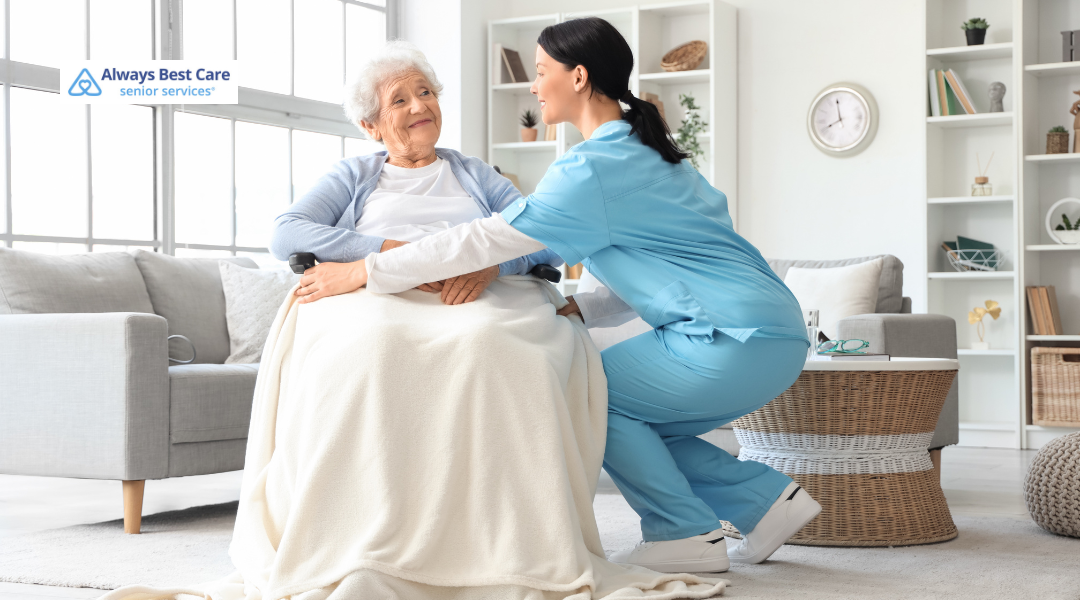
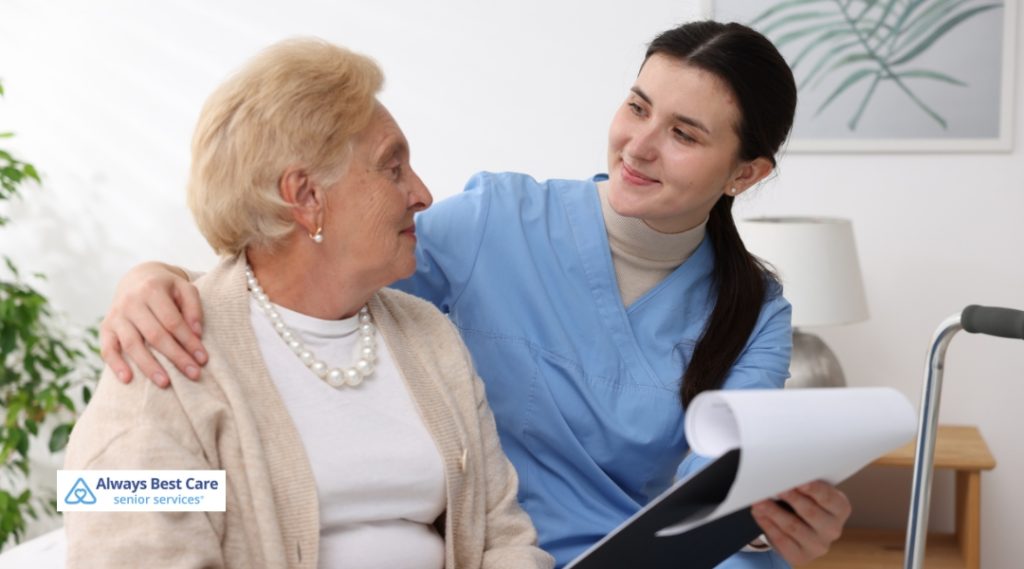
The goal of in-home care isn’t to take over — it’s to fill in the gaps. A skilled caregiver works alongside a senior, helping where it’s needed while encouraging as much independence as possible.
This approach is especially valuable for seniors with chronic conditions because their needs vary day to day. On a high-pain day, a caregiver might take on more. On a better day, they step back and let the senior lead. That flexibility is something a facility-based setting simply can’t replicate.
In-home caregivers in Downingtown, PA can assist with:
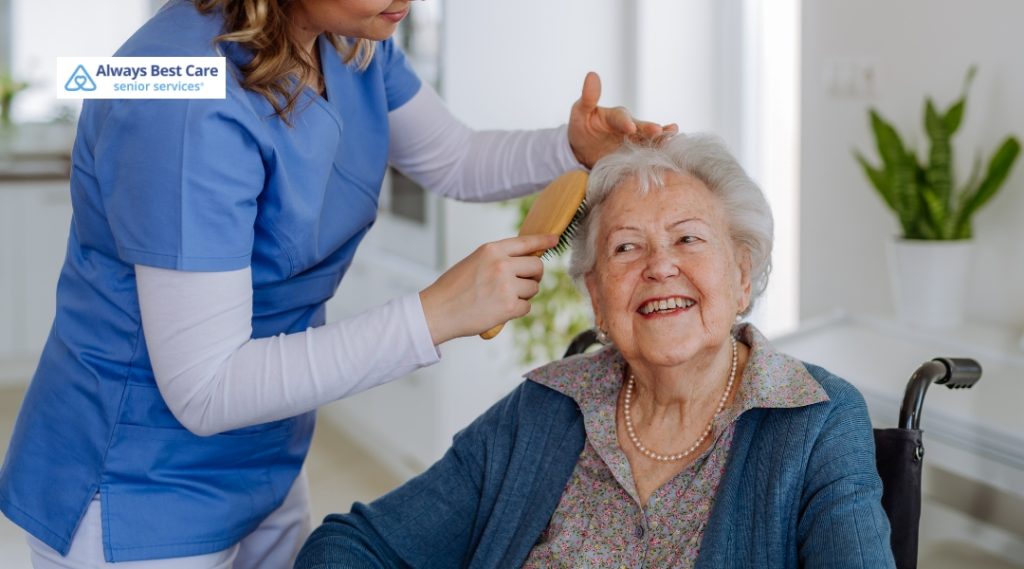
- Personal care, including bathing, grooming, and dressing
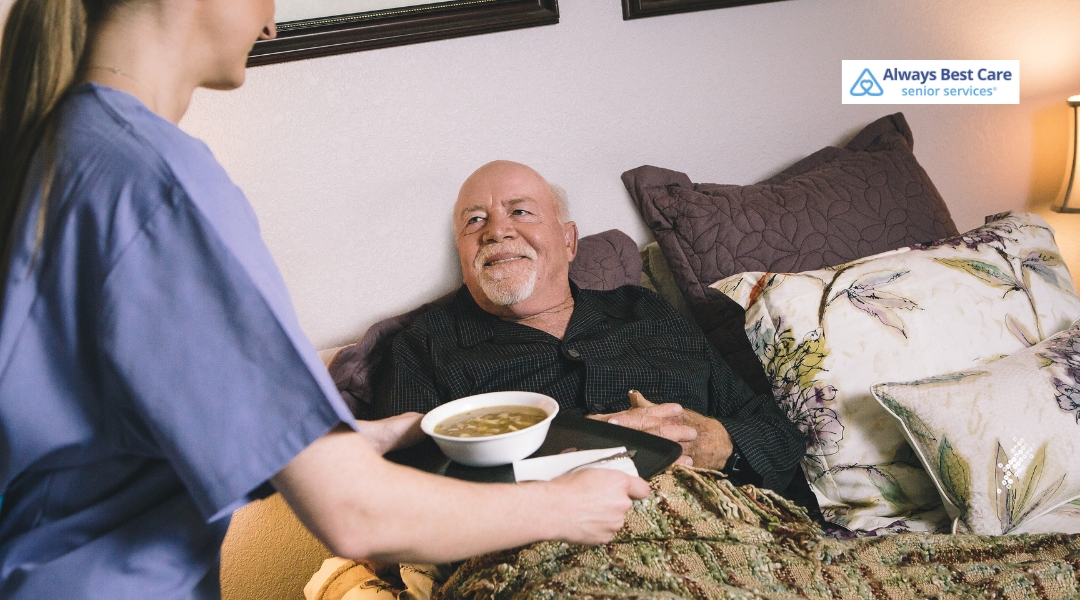
- Meal planning and preparation tailored to dietary needs
- Medication reminders and schedule tracking
- Light housekeeping and laundry
- Transportation to medical appointments and errands
- Companionship and social engagement
By handling these responsibilities, caregivers free up a senior’s energy for what matters most — staying healthy and enjoying life at home.
Consistency Is the Foundation of Chronic Illness Management
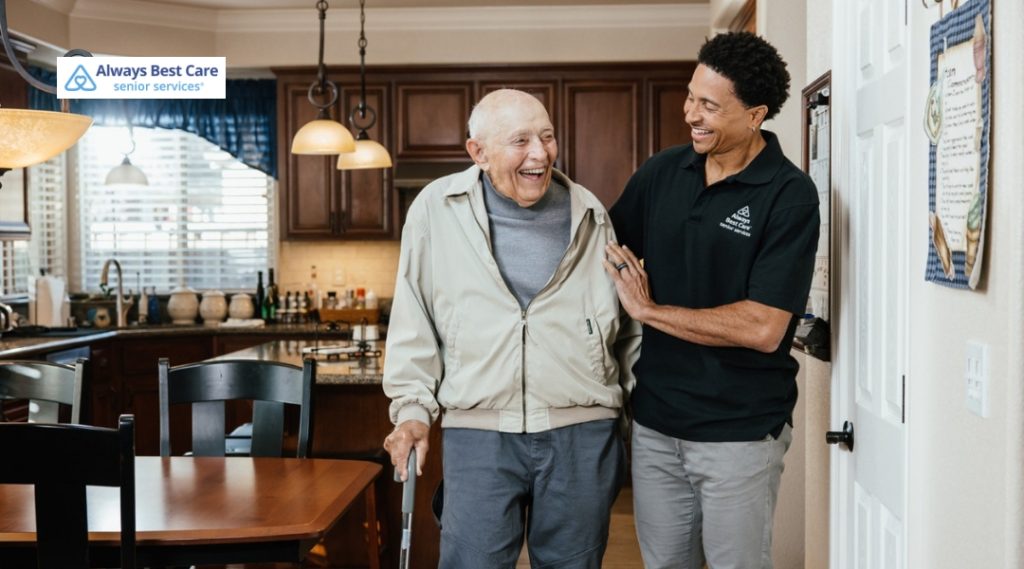
One of the most underappreciated aspects of managing a chronic illness is how much consistency matters. A single missed dose, a few days of poor nutrition, or one skipped follow-up can trigger a setback that takes weeks to recover from.
In-home caregivers help establish and maintain the daily rhythms that keep seniors stable:
- Following prescribed medication schedules without gaps
- Preparing balanced meals that align with physician recommendations
- Encouraging appropriate physical activity
- Ensuring adequate hydration
- Keeping track of upcoming appointments and arranging transportation
This steady, day-to-day support reduces the likelihood of complications and helps seniors stay out of the hospital — which is where most families want their loved ones to be.
Catching Problems Before They Escalate
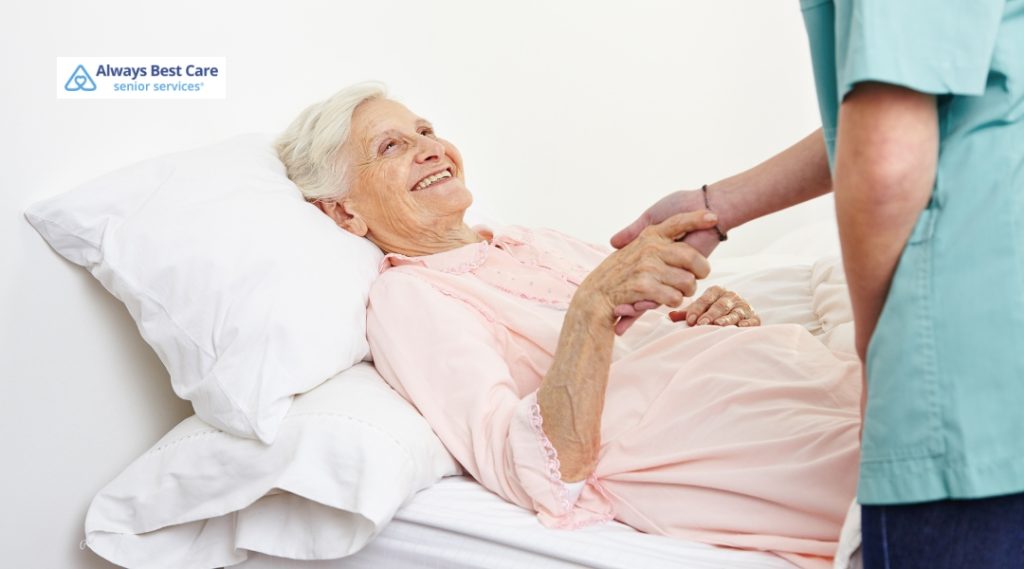
Seniors with chronic illnesses are at higher risk for sudden health changes. A caregiver who is present regularly is often the first to notice when something is off — before it becomes an emergency.
Warning signs a caregiver might catch early include:
- Unusual fatigue or low energy
- Changes in appetite or weight
- Difficulty walking or increased unsteadiness
- Shortness of breath or chest discomfort
- Swelling in the legs or feet
- Confusion, mood shifts, or behavioral changes
Early detection gives families time to contact a healthcare provider and address the issue before it requires a hospital visit. That kind of proactive care is one of the most meaningful contributions an in-home caregiver can make.
The Emotional Side of Chronic Illness
Physical symptoms are visible. The emotional toll of chronic illness often isn’t.
Many seniors quietly struggle with frustration, grief over lost abilities, anxiety about the future, and loneliness — especially if their condition limits how often they can get out or see friends. These feelings are valid, and they deserve attention.
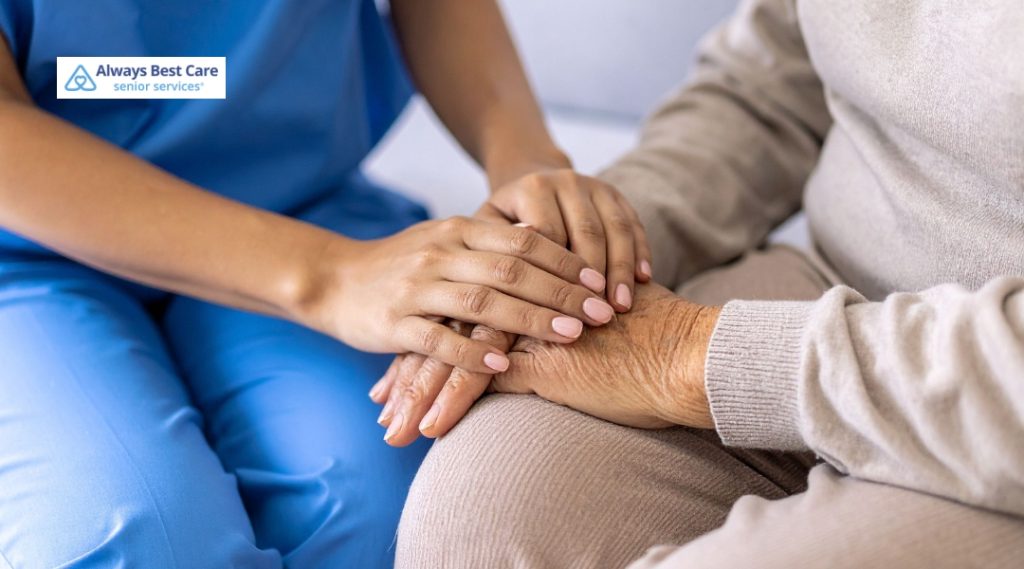
A caregiver offers more than practical help. They provide consistent human connection — someone to share a meal with, take a short walk alongside, or simply sit and talk to. That companionship can meaningfully reduce feelings of isolation and support a senior’s overall mental health.
For family members, knowing a trusted professional is present also brings genuine peace of mind, particularly for those who live at a distance or balance caregiving with work and other responsibilities.
How Always Best Care of Downingtown, PA Supports Seniors at Home
At Always Best Care of Downingtown, PA, we build care plans around the individual — not a one-size-fits-all model. Our caregivers work closely with families to understand each senior’s health conditions, daily preferences, and personal goals.
Whether your loved one is managing diabetes, recovering from a stroke, living with COPD, or navigating multiple chronic conditions, our team provides compassionate, consistent support designed to keep them safe, comfortable, and at home.
A chronic illness changes how someone lives. It doesn’t have to change where they live.
Frequently Asked Questions
Q: What types of chronic illnesses can in-home care support?
A: In-home care is well-suited for a wide range of chronic conditions, including heart disease, diabetes, COPD, Parkinson’s disease, arthritis, stroke recovery, and more. Caregivers are trained to assist with the daily challenges these conditions create, while following any care guidelines provided by a senior’s medical team.
Q: Will in-home care take away my loved one’s independence?
A: No — the opposite is true. In-home care is designed to support independence, not replace it. Caregivers step in where help is genuinely needed and encourage seniors to do as much as they comfortably can on their own. The goal is to keep seniors in control of their routines and their lives.
Q: How is in-home care different from assisted living?
A: In-home care allows a senior to remain in their own home while receiving personalized, one-on-one support. Assisted living involves relocating to a shared facility. Many seniors and families prefer in-home care because it preserves familiar surroundings, daily routines, and a greater sense of autonomy.
Q: How do I know if my loved one needs in-home care?
A: Common indicators include difficulty managing medications, struggling with daily tasks like cooking or bathing, frequent falls or near-falls, missed medical appointments, noticeable weight loss, or increased social withdrawal. If you’re noticing these signs, a care consultation can help you understand what level of support makes sense.
Q: Can in-home care help reduce hospital readmissions?
A: Yes. Consistent in-home care helps seniors follow their treatment plans, maintain healthy habits, and catch early warning signs before they escalate. Research consistently shows that seniors with regular in-home support are less likely to experience preventable hospitalizations.
Q: How do I get started with Always Best Care of Downingtown, PA?
A: Simply call us at (610) 450-6776 to schedule a free care consultation. We’ll take the time to understand your loved one’s needs and build a care plan that fits their health, lifestyle, and goals.

Help Your Loved One Age in Place With Confidence
At Always Best Care of Downingtown, we help seniors living with chronic illnesses remain safe, comfortable, and independent at home. From personal care and meal preparation to medication reminders, transportation, light housekeeping, and companionship, our caregivers provide consistent support built around your loved one’s needs, routines, and goals.
Contact Always Best Care of Downingtown at (610) 450-6776 to learn more and schedule your free consultation.
Link to the markdown version of this blog.