

VA Home Care Costs in 2026: What Downingtown Veterans and Families Need to Clarify
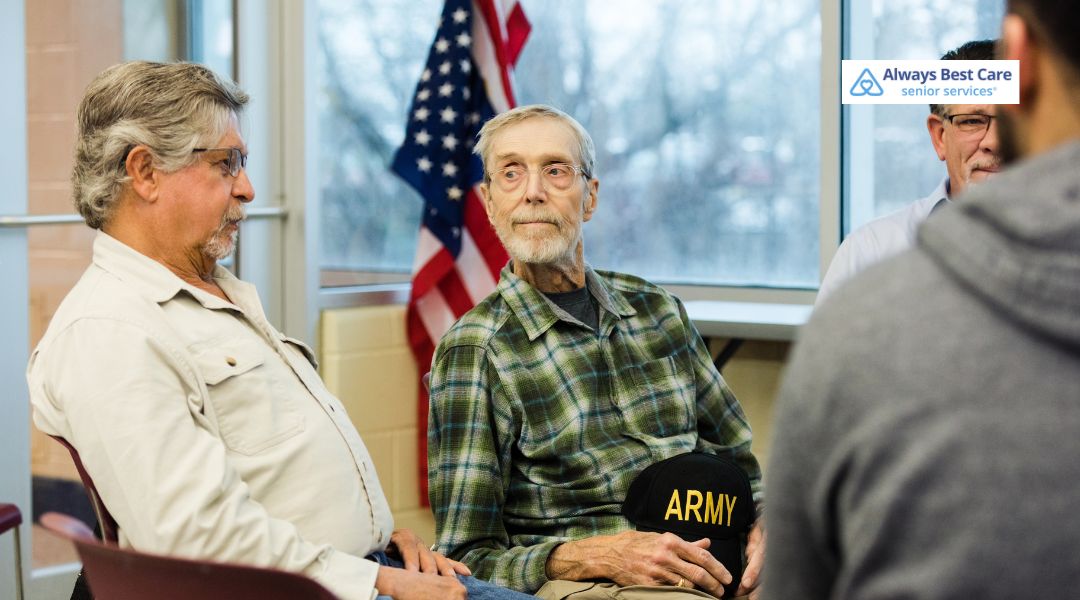
When a Veteran needs help at home, families want dependable answers about services, schedules, and costs. Online advertisements may suggest a standard payment or a set number of weekly care hours, but those figures rarely explain the full situation.
VA home care support depends on the applicable program, clinical needs, local availability, and approved care. There is no single amount that every household receives.
For Downingtown families, the best starting point is a conversation with the Veteran’s VA care team or social worker. Clarifying what is available—and what still needs approval—can help families build a realistic care plan before making financial commitments.
Table of Contents
What You Will Learn
- Why VA home care support depends on the program, clinical needs, local availability, and individual approval—not a standard payment.
- How personal-care assistance differs from skilled nursing, respite, and other home and community-based services.
- What information to share about daily living difficulties, existing family assistance, and the Veteran’s preferences.

First, Identify the Program
“VA home care” can refer to different services. Understanding the program helps explain how care is arranged and which costs may apply.
VA’s home and community-based options include:
- Homemaker and Home Health Aide Care
- Skilled Home Health Care
- Respite Care
- Adult Day Health Care
- Other services suited to assessed needs
These programs serve different purposes. Assistance with bathing and dressing is not the same as skilled nursing, and neither should be assumed to cover every household task.[va]
Ask the care team: “Which program fits the help our loved one needs, and what assessment is required?”
Explain the Care Needs Before Requesting a Schedule
Families may begin by asking for a certain number of hours. A more useful first step is explaining which activities have become difficult and what assistance is already available.
Prepare examples such as:
- Needing help with bathing or dressing
- Difficulty using the bathroom
- Requiring assistance moving between a bed and chair
- Problems managing essential daily routines
- Spending time alone without enough support
- Depending heavily on a family caregiver whose availability has changed
VA requires a clinical need for home and community-based services, and the service must be available locally. A geriatric evaluation may help assess needs and develop a care plan.
Include the Veteran’s preferences. A useful arrangement should support the person’s priorities, not simply fill a schedule.

Separate Eligibility, Referral, and Authorization
These terms describe different steps.
Eligibility
VA reviews whether the Veteran meets the requirements for the program and, when applicable, community care.
Referral
The VA team requests the service and reviews the type of care needed.
Authorization
VA identifies the approved provider, authorized services, and period during which the approval applies.
For routine community care, approval generally must be obtained before receiving services. Care outside the authorization may not be covered.
A conversation about possible eligibility is not the same as confirmation that a particular agency or schedule has been approved.
Confirm the Actual Services and Schedule
Before setting a start date, ask the VA team and provider to explain the arrangement in practical terms:
- Which tasks are included?
- How many visits or hours are approved?
- What dates does the authorization cover?
- Are there scheduling limits?
- Who coordinates changes?
- What happens if staff are unavailable?
- When is reassessment or renewal needed?
Do not assume that every service an agency offers is included in the Veteran’s authorization. Additional care may require another referral or approval.
Keep a copy of the authorization and use it as the reference point when discussing coverage.

Ask Whether a Copay Applies
VA-funded care does not always mean there is no cost to the Veteran.
VA states that service-connected disability status and income are reviewed when determining whether a long-term care copay applies. Its general guidance also states that long-term care copays are not charged until the 22nd day of care. The applicable rules depend on the service and individual circumstances.
Rather than relying on a general estimate, ask:
- Will this Veteran owe a copay for this service?
- Is additional financial information required?
- How is the amount determined?
- How will charges be communicated?
- Who can answer billing questions?
A VA copay is not the same as an agency’s private-pay hourly rate.
For authorized community care, Veterans are not responsible for paying VA copays directly to community providers. VA handles applicable copay billing.
Verify the Provider Before Care Begins
An agency’s ability to provide home care does not automatically establish that it can deliver services under a particular VA authorization.
Confirm with both VA and the agency that:
- The provider is approved for the arrangement.
- The agency can deliver the authorized assistance.
- Staff are available for the proposed schedule.
- The authorization information has been received.
- Everyone understands how to request changes.
VA community care uses approved providers and defined authorizations. Receiving routine services without valid approval can leave the Veteran responsible for costs.
A general statement that an agency serves Veterans is not a substitute for checking the specific arrangement.

Keep Private-Pay Services Separate
A family may want more assistance than VA has approved. Examples could include extra hours, a different schedule, or services outside the authorized scope.
Before purchasing additional care, request a written explanation of:
- The services being arranged privately
- The applicable rate
- Minimum scheduling requirements
- Weekend or holiday charges, if any
- Cancellation terms
- Which costs belong to the family
- How private-pay services are distinguished from VA-authorized care
Do not assume that useful or necessary services will automatically be reimbursed. VA coverage depends on the individual authorization and care needs.
Build a Budget Around Confirmed Information
A practical budget can separate care into three categories.
Confirmed VA-Authorized Care
Record the approved services, schedule, provider, authorization dates, and any known copay.
Additional Assistance the Family Chooses to Purchase
Obtain a written quote and clearly identify the services not included in the VA arrangement.
Care or Funding Still Awaiting Approval
Keep pending requests separate from confirmed support. Avoid building a long-term schedule around assistance that has not yet been authorized.
This approach helps families see which expenses are known and which still require clarification.
Plan for Changing Needs
A care plan may need review after an illness, hospitalization, change in mobility, or reduction in family support.
Keep notes about activities that are becoming harder and share them with the VA team. Ask how to request reassessment and whether a new referral is needed.
Also track the authorization period. VA advises requesting a new referral when care beyond the existing authorization is needed.
Do not independently expand services and assume the original approval will cover the change.

How Always Best Care of Downingtown Can Help
Always Best Care of Downingtown provides non-medical in-home support. Its published services include meal preparation, light housekeeping, assistance with bathing, dressing or toileting, errands, and medication reminders.
During a consultation, explain the Veteran’s daily needs and whether VA funding is being explored or has already been approved.
Ask whether the office can currently accept the specific authorization, whether staffing is available, and which services would require a separate agreement.
The local agency can explain its services, scheduling, and fees. VA determines eligibility, covered care, and applicable copays.
FAQ
Q: Does VA pay the same home care amount for every Veteran?
A: No. Services depend on the program, clinical need, local availability, and individual approval. Families should confirm the actual care arrangement rather than rely on a general advertised amount.
Q: Is VA health care enrollment enough to start community home care?
A: Not by itself. The requested service must meet the applicable requirements, and routine community care generally needs approval before services begin.
Q: Will the Veteran have a copay?
A: Possibly. VA reviews relevant eligibility and financial information. Ask the VA team for an individualized explanation before care starts.
Q: Does approval cover every service an agency offers?
A: No. Coverage is tied to the authorized care. Additional services may need another referral or approval.
Q: What if we want extra hours?
A: Ask whether reassessment is appropriate. If purchasing additional care privately, get the services and costs in writing and keep them separate from VA-authorized care.
Q: What if the Veteran’s needs increase?
A: Contact the VA care team or social worker, explain the changes, and ask about reassessment and authorization requirements.

Clarify the Plan Before Committing
A realistic home care budget begins with confirmed information: the program, approved services, provider, schedule, and any copay or private-pay responsibility.
Start with the Veteran’s VA care team, then contact Always Best Care of Downingtown at 610-450-6776 to discuss available in-home support and a personalized consultation. Confirm coverage and costs before services begin. Contact Always Best Care of Downingtown at (610) 450-6776 to learn more and schedule your free consultation.
Link to the markdown version of this blog.