
Stroke Recovery at Home in West Monroe: Keeping Setbacks From Happening

Getting through the emergency is a huge deal. If your family has already watched our video on recognizing early stroke signs and when to seek help, you’ve handled the first, most urgent piece: knowing what to look for and acting fast.
Now comes the part that can feel quieter, but just as important, staying steady once your loved one is back home.
The goal of Stroke Recovery at Home in West Monroe: Keeping Setbacks From Happening isn’t perfection. It’s progress. It’s fewer scares, fewer falls, fewer “Why are we back at the hospital?” moments. And yes… a little more peace of mind.
What you will learn:
- How the days and weeks after a stroke can bring new risks at home, and why steady routines matter just as much as quick emergency action.
- Simple ways to reduce common setbacks like falls, missed medications, dehydration, and skipped therapy during recovery.
- How daily habits around safety, hydration, nutrition, and follow-up care can support smoother healing at home.
- When extra in-home support can ease caregiver stress while helping a loved one recover with confidence and dignity.
Table of Contents
A Quick Bridge From Recognizing Stroke Signs to Life After Discharge
In the moment, it’s all about noticing the red flags and getting help fast. That quick action can change everything.
But once your loved one is back home, a different kind of challenge kicks in. Recovery can feel a little unpredictable, medications may be new, energy can dip without warning, balance might be shaky, and “simple” tasks can suddenly feel like a big production. One quick trip to the bathroom or one rushed step, and everyone’s nerves are shot.
Here’s the simple way to frame it: recognizing the signs helps you respond in an emergency, and the routines in this article help you protect the progress afterward, day by day, step by step.

The Biggest Setback Risks in the First Month at Home
The first few weeks can be a bit of a roller coaster. One day your loved one seems stronger, the next day they’re wiped out. That’s normal. What’s not great is ignoring the common trouble spots.
The most common “uh-oh” moments
- Falls and near-falls from weakness, dizziness, or rushing
- Missed meds or doubled doses because the schedule changed
- Dehydration that leads to fatigue, confusion, and constipation
- Skipped therapy because it feels tiring or “not needed today”
- Missed follow-ups because getting out the door is exhausting
Here’s the kicker: most of these aren’t about willpower. They’re about systems. A few smart habits can keep recovery moving in the right direction.
Home Safety Basics to Prevent Falls and Injuries
Falls can derail recovery fast. And honestly, home can be sneakier than people think, rugs, cords, dim hallways, that one step everyone forgets about.
Quick safety wins that make a real difference
Start with the paths your loved one uses most: bed to bathroom, bedroom to kitchen, chair to front door.
A few practical changes help right away:
- Clear the walkways (shoes, baskets, cords, clutter, outta there)
- Improve lighting, especially at night
- Add non-slip support in the bathroom
- Keep daily essentials within easy reach to avoid climbing or stretching
The bathroom is the “slip zone”
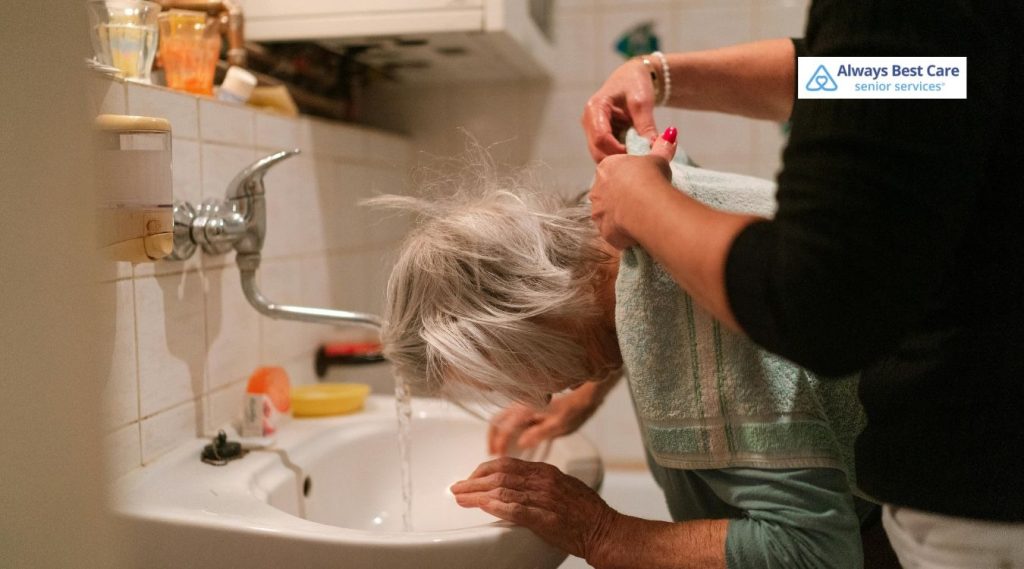
If there’s one place to tighten up, it’s the bathroom. Wet floors plus fatigue is a rough combo. Consider safety supports and a routine where someone’s nearby during bathing, at least early on.
Daily Routine Support That Keeps Recovery Steady
After a stroke, the body and brain can tire out quickly. A predictable routine is like guardrails on a curvy road, less drifting, fewer surprises.
A simple daily rhythm helps more than you’d think
Aim for a schedule that repeats most days:
- Morning hygiene and dressing at an unhurried pace
- Meals and hydration at consistent times
- Short rest breaks before fatigue hits hard
- A set window for therapy exercises
- A calmer evening routine to reduce nighttime confusion
Watch the “I feel fine, I’ll do it myself” moment
This one gets families all the time. Your loved one stands up too fast, insists on carrying laundry, or tries to shower solo. It’s not stubbornness, it’s pride. The fix isn’t arguing; it’s offering help in a way that keeps dignity intact.
Try: “Let’s do it together so you don’t get worn out.”

Hydration, Nutrition, and Medication Habits That Reduce Complications
This is the not-so-glamorous part of recovery, but it’s the foundation.
Hydration: the small habit that prevents big problems
Dehydration can make dizziness worse and thinking fuzzier. It can also mess with energy, appetite, and bathroom habits. Keeping a drink within reach and sipping throughout the day can help, especially if your loved one “never feels thirsty.”
Nutrition: keep it simple and doable
Recovery is not the time for complicated meal plans. Go for easy, balanced meals and snacks that don’t take a ton of energy to prepare. If swallowing is a concern, follow medical guidance and keep meals calm and unhurried.
Medication: set it up so mistakes are harder to make
New prescriptions after a stroke can be confusing. A simple system reduces the chance of missed or doubled doses:
- Use one consistent spot for meds
- Keep a written schedule that matches the day’s routine
- Track refills before you’re down to the last couple of pills
If something seems “off” after a new medication, extra dizziness, new confusion, unusual sleepiness, call the care team and ask about side effects.
Staying Consistent With Therapy and Follow-Up Appointments
Therapy isn’t always fun. Some days it feels like a chore. But skipping it too often can slow progress, and that’s a frustrating place to be.
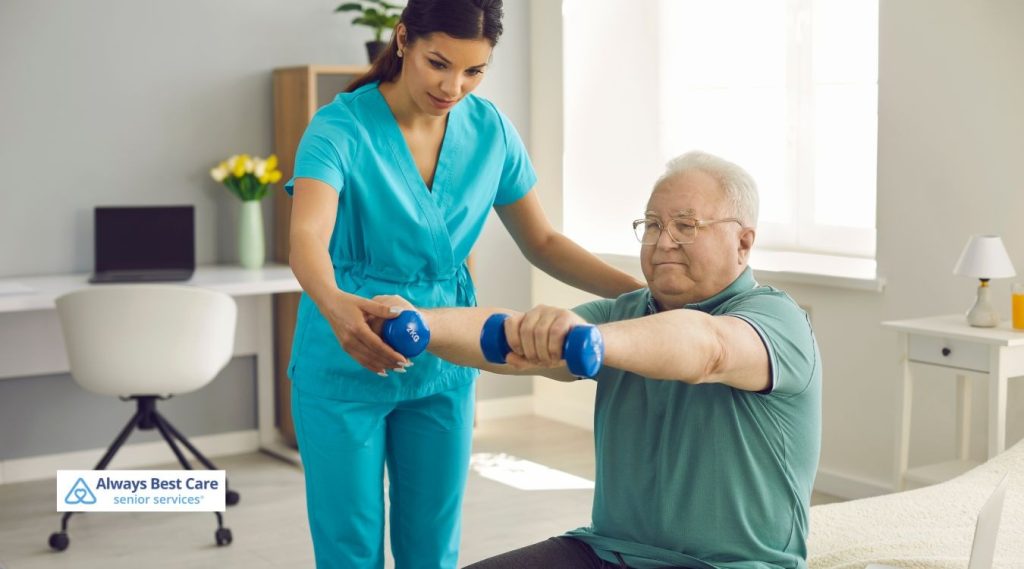
The goal is consistency, not intensity
A short daily routine done regularly often beats an intense session done once in a while. Set a predictable time for exercises, and keep it manageable. Celebrate effort, not perfection.
Follow-up appointments are part of the recovery plan
It’s easy to miss appointments when getting dressed and out the door feels like running a marathon. But follow-ups matter, they’re where adjustments get made, concerns get heard, and progress gets checked.
If transportation is a barrier, it’s worth planning ahead. A reliable ride can be the difference between staying on track and falling behind.
How Always Best Care of West Monroe Helps After Stroke Recovery
Here’s the truth: families try to do it all, and burnout sneaks up fast. Having support at home can take the pressure off and keep recovery safer.
Always Best Care of West Monroe can help with:
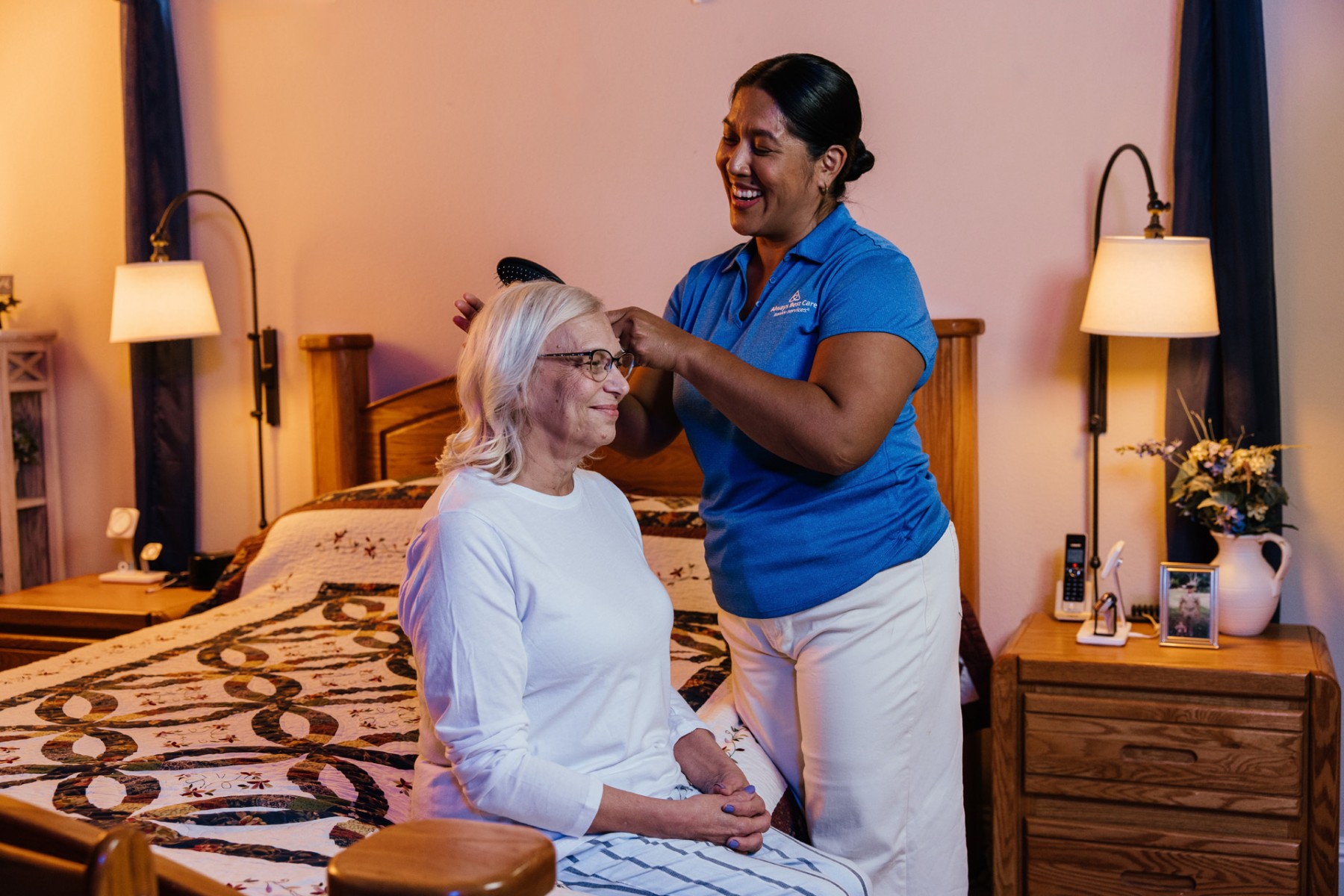
- Personal care support for bathing, grooming, and dressing
- Help around the house to reduce fall risks and overexertion
- Routine support that keeps hydration, meals, and meds consistent
- Companion care to reduce isolation and boost confidence
- Transportation support for follow-ups and therapy visits
- Respite care so family caregivers can rest and reset
Stroke recovery doesn’t have to feel like walking a tightrope. The right help can steady the whole household.

Frequently Asked Questions
Q: What are the most common setbacks during Stroke Recoveryat Home in West Monroe: Keeping Setbacks From Happening?
A: The most common setbacks include falls, missed medications, dehydration, skipped therapy routines, and missed follow-up appointments.
Q: How long is the highest-risk period after coming home from stroke care?
A: The first few weeks are often the most fragile because energy is low, routines are still forming, and medication or mobility changes can catch families off guard.
Q: What can I do today to make the home safer after a stroke?
A: Start by clearing walkways, improving lighting, and tightening up bathroom safety. Then set up a daily routine that reduces rushing and supports safe movement.
Q: How can caregivers help with therapy at home without overdoing it?
A: Keep therapy consistent and short, follow the therapist’s guidance, and support safe movement. Progress is usually built through repetition, not pushing too hard.
Q: Can in-home care support stroke recovery even if family members are involved?
A: Yes. In-home care can fill gaps, reduce caregiver burnout, support routines, and help your loved one stay safer and more consistent day to day.
Confidence at Home Starts With the Right Support
The emergency phase of stroke is scary, and learning the warning signs is crucial. But recovery is its own challenge, one that plays out in everyday moments: a trip to the bathroom, a forgotten pill, a skipped therapy session, a too-fast step.
With smart safety tweaks, steady routines, and support that fits your family, recovery at home can feel less stressful and more doable. And if you’d like a hand keeping things on track, Always Best Care of West Monroe is here to help with care that’s practical, respectful, and built around real life.
Ready for a steadier, safer recovery plan at home? Call Always Best Care of West Monroe at (318) 322-2223 to schedule a free care consultation.
Link to Markdown File version of this article