

Supporting Aging Veterans With PTSD at Home: A West Monroe Family Care Guide

A favorite chair. Coffee made just right. Someone who asks before stepping in to help. Supporting a veteran at home often begins with ordinary moments that communicate something important: “You have a say here.”
November brings Veterans Day tributes, but families know that meaningful support continues long after the ceremonies end. For an aging veteran living with post-traumatic stress disorder, or PTSD, everyday life may involve challenges that aren’t immediately visible.
Supporting aging veterans with PTSD at home means respecting their choices, understanding their needs, and making room for professional treatment. Families don’t have to carry every responsibility alone.
What you will learn:
- How PTSD can affect aging veterans and why understanding matters.
- Ways to create reassuring routines while respecting your loved one’s choices.
- How in-home care complements professional PTSD treatment.
- Where families can find caregiver support and help during a crisis.
Table of Contents
Understanding PTSD in Older Veterans
PTSD can involve upsetting memories, nightmares, avoidance, and feeling constantly on guard. Some older veterans notice symptoms becoming more prominent as retirement, health changes, or bereavement disrupt familiar ways of coping. Still, PTSD isn’t an inevitable part of military service or aging.
A parent who withdraws from family gatherings or struggles with sleep deserves understanding, not assumptions. New or worsening concerns warrant a conversation with a healthcare professional.
Here’s the hopeful part: it’s never too late to seek help. Older adults can benefit from evidence-based PTSD treatment, including trauma-focused psychotherapy.

Supporting Aging Veterans With PTSD at Home
Start With a Conversation, Not a Checklist
Before rearranging the household or organizing extra help, ask what your loved one actually wants.
“What would make mornings easier?” may open a more useful conversation than “You need someone here.”
Ask about privacy, visitors, personal care, and preferred routines. A veteran may welcome help preparing lunch while wanting to handle another task independently. Respecting those distinctions keeps care collaborative.
Make Daily Life More Predictable
Consider agreeing on a loose schedule for meals, appointments, household tasks, and care visits. Let your loved one know about changes ahead of time whenever possible.
The aim isn’t a clockwork household. It’s fewer surprises and a clearer sense of what comes next.
Discuss potentially uncomfortable situations, too. Don’t assume a Veterans Day gathering will feel celebratory to everyone. Offer choices about attending, staying briefly, or spending the day quietly.
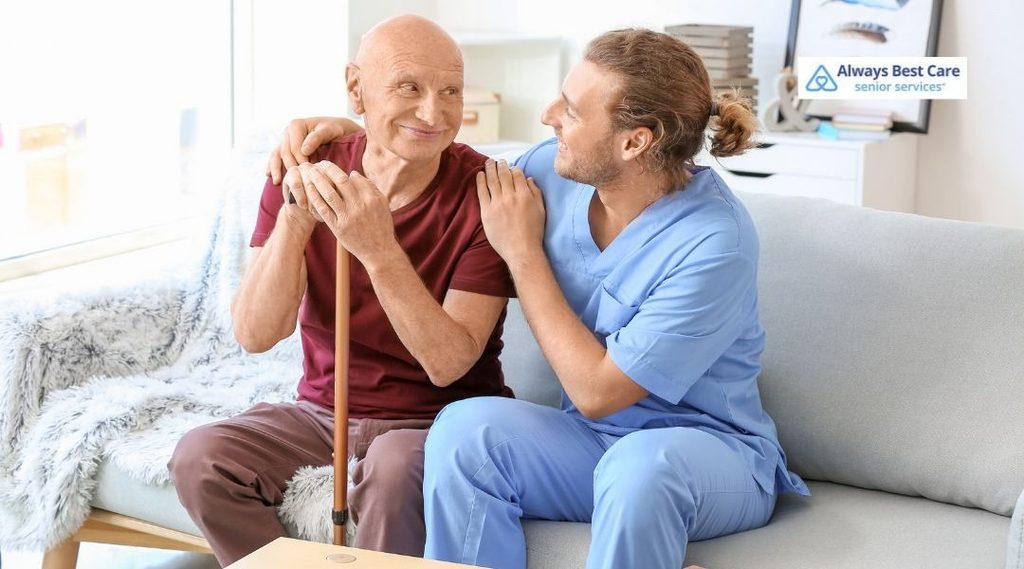
Listen Without Asking for the Whole Story
You don’t need every detail of someone’s military experience to offer meaningful support. Listen when they want to talk, and respect their decision when they don’t.
VA family guidance encourages learning about PTSD, listening, and supporting treatment without pressuring a loved one to discuss traumatic experiences.
Try simple language: “I’m here,” or “Would you prefer some space?” Avoid turning a difficult moment into an interrogation.
Where In-Home Care Fits
Practical Help With Everyday Needs
Always Best Care of West Monroe lists personal care, companionship, meal preparation, light housekeeping, and medication reminders among its in-home services. These services address practical needs while helping families share daily responsibilities.
For example, a caregiver might prepare lunch, assist with dressing, or provide companionship while a family member attends an appointment.
Before care begins, explain your loved one’s preferences and boundaries. Ask how visits can be arranged around familiar routines.
Support Alongside Professional Treatment
Home care and PTSD treatment serve different purposes. Non-medical caregivers help with daily living; licensed healthcare professionals assess and treat PTSD.
VA offers evidence-based therapies and other treatment options. A family’s role may include encouraging appointments and helping with practical arrangements, with the veteran’s permission. Home support should complement that care, never replace it.

Family Caregivers Need Support, Too
Being dependable doesn’t mean being available every minute. You may be balancing work, children, household responsibilities, and concern for someone you love.
Ask relatives for specific help rather than waiting for someone to notice you’re stretched thin. A regular grocery run or an afternoon visit can take something off your plate.
Always Best Care of West Monroe advertises respite care for family caregivers. The VA’s PTSD Family Coach app also offers information and tools for relatives supporting someone with PTSD.
Know Where to Turn in a Crisis
Keep emergency contacts accessible and discuss a crisis plan with your loved one’s healthcare team.
Veterans and concerned family members can reach the Veterans Crisis Line by calling 988 and pressing 1, or texting 838255. For immediate danger or a medical emergency, call 911.
Frequently Asked Questions
Q: Can PTSD treatment help older veterans?
A: Yes. Older veterans can benefit from PTSD treatment. A qualified mental health professional can recommend appropriate options based on their needs and health history.
Q: Does home care replace PTSD therapy?
A: No. Non-medical home care supports everyday activities such as meals, personal care, and companionship. PTSD therapy and medication decisions belong with qualified healthcare professionals.
Q: How can families help without pressuring a veteran?
A: Ask what support feels useful, listen without demanding details, respect boundaries, and encourage professional help. Avoid assuming that every veteran wants to discuss their experiences.
Q: Does Always Best Care of West Monroe support veterans?
A: Yes. The branch advertises personalized in-home support for veterans and assistance exploring VA benefit options. Families should confirm eligibility and coverage rather than assume care will be funded automatically.

Bring Compassionate Support Home
You don’t have to find the perfect words or solve everything at once. Begin by listening, agreeing on practical help, and keeping professional treatment part of the conversation.
For families seeking support at home, contact Always Best Care of West Monroe at 318-322-2223 to discuss care needs and arrange a consultation. A thoughtful care plan starts with the person, their preferences, and the life they want to maintain.