

Managing Diabetes with Seniors: A Home Care Guide for Shreveport, LA Families
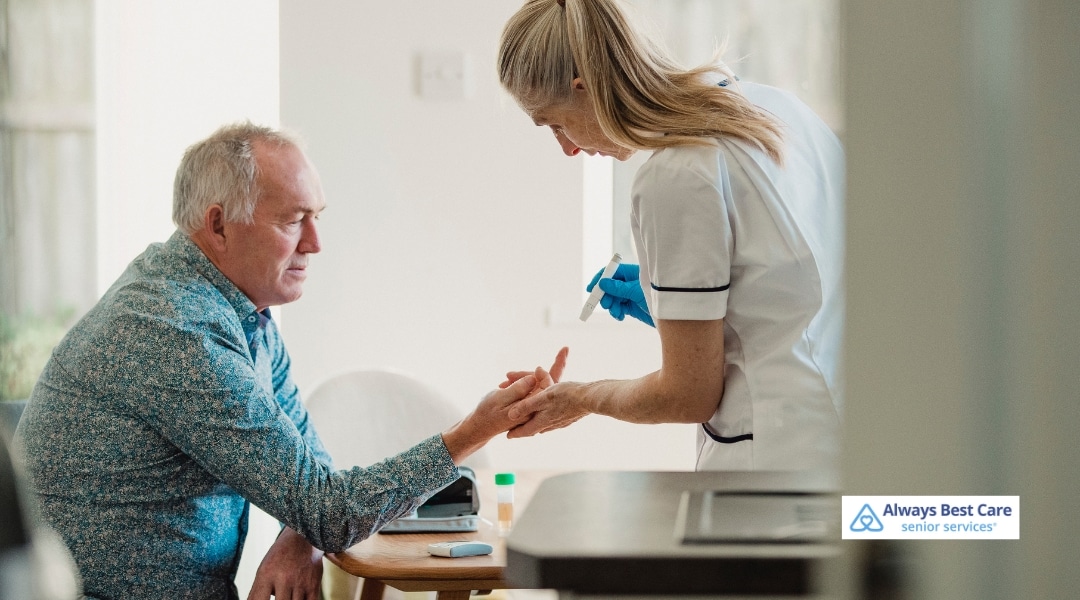
Here’s the thing about diabetes in seniors: it’s incredibly common, yet many families don’t realize just how manageable it can be with the right approach.
Millions of older adults navigate blood sugar challenges every single day, and honestly, they’re doing better than you’d think. The catch? It takes commitment, knowledge, and often, a helping hand.
Managing diabetes with seniors isn’t just about checking numbers on a glucose meter. It’s about helping your loved one live the life they want while keeping their health on track. The good news is that with proper planning, consistent monitoring, and a solid support system, most older adults with diabetes thrive right at home.
What you will learn:
- How aging impacts diabetes management and why it requires special attention.
- Practical strategies for maintaining stable blood sugar through nutrition, exercise, and medication monitoring.
- Key signs to watch for to prevent diabetes complications in seniors.
- How professional in-home care can support your loved one’s health, safety, and independence.
Table of Contents
Understanding How Diabetes Affects Older Adults
Let’s be real, aging changes everything about how our bodies work, and diabetes management is no exception. Your parent or grandparent’s metabolism isn’t what it used to be, their medications interact differently, and suddenly they’re juggling multiple health conditions at once.
Diabetes messes with how the body processes glucose, causing blood sugar to spike above normal levels. Over time, if left unchecked, this can damage the heart, kidneys, eyes, and nerves. Scary stuff, sure, but it’s also preventable and manageable.
Two Main Types Affecting Seniors
Type 2 diabetes shows up most often in older adults, typically tied to insulin resistance and lifestyle factors. Type 1 diabetes is rarer but still occurs in seniors who were diagnosed earlier in life.
For seniors, the challenge isn’t just one thing; it’s balancing multiple medications, dealing with changing appetites, and handling other health curveballs that pop up unexpectedly.

The Real Obstacles Seniors Face
Managing diabetes requires consistency, but here’s where things get tricky for older adults:
- Forgetting medication times or blood sugar checks
- Eating irregularly due to reduced appetite or difficulty cooking
- Vision problems that make reading medication labels nearly impossible
- Physical limitations that complicate meal prep
- Juggling prescriptions for multiple conditions simultaneously
These aren’t character flaws; they’re genuine challenges that come with aging. The result? Blood sugar swings and increased hypoglycemia risk which can be downright dangerous for seniors living alone.
Smart Strategies for Home-Based Diabetes Management
Nailing Nutrition
A solid diet is basically the foundation of diabetes management. Think of it as building blocks for better health. Meals should feature:
- High-fiber carbs like veggies, beans, and whole grains
- Lean proteins such as fish, chicken, or plant-based options
- Minimal refined sugars and processed stuff
- Smaller, more frequent meals to prevent wild blood sugar swings
Here’s the kicker: meal prep doesn’t have to be complicated. Simple, consistent eating patterns work wonders for keeping blood sugar stable throughout the day.
Getting Moving (The Right Way)
Exercise isn’t just about fitness; it genuinely helps lower blood sugar and boosts circulation, mood, and strength. For most older folks, gentle activities hit the sweet spot:
- Walking around the neighborhood or indoors
- Light stretching or accessible yoga
- Chair-based exercises
- Gardening or household tasks
Always check with a doctor first; some seniors need modified routines based on their specific situation.

Staying On Top of Medications and Monitoring
This is where consistency matters most. Families and caregivers can help by:
- Setting phone reminders for medication times
- Using labeled pill organizers
- Keeping a simple log of blood sugar readings
- Scheduling regular doctor appointments
- Watching for mood, appetite, or energy changes that signal trouble
Spotting Red Flags Before They Become Problems
Keep your eyes peeled for these warning signs:
- Excessive thirst or bathroom trips
- Unusual tiredness or weakness
- Fuzzy vision
- Unexplained weight loss
- Cuts or infections that won’t heal quickly
Catching these early means getting help faster and preventing complications.

Why Professional In-Home Care Makes a Real Difference in Shreveport, LA
Managing diabetes with seniors gets exponentially easier with trained support. Here’s what we at Always Best Care of Shreveport, LA bring to the table:
- Shopping and meal prep assistance tailored to diabetes-friendly eating
- Encouragement for daily movement and proper hydration
- Medication reminders and organized tracking systems
- Careful observation and reporting of health changes
- Companionship that reduces stress (which actually helps blood sugar!)
Having someone in your corner changes the game. Your loved one stays safer, more independent, and honestly, less stressed about managing everything alone.
Medication Management: Keeping It Simple
Here’s something doctors often overlook: complex medication routines backfire for seniors. Simpler is better. Switching from multiple daily insulin doses to a single daily injection, for example, reduces errors and hypoglycemia risk while maintaining solid blood sugar control.
The rule of thumb? Start low, go slow, and use the lowest effective dose. Watch for side effects, and don’t hesitate to ask about simplifying regimens. Deprescribing, actually stopping unnecessary medications, is sometimes the smartest move.
Personalized Targets Matter More Than You Think
Here’s where one-size-fits-all approaches fall apart. Functional ability and life expectancy matter way more than chronological age when setting blood sugar goals.
- Functionally independent seniors with good life expectancy? They typically aim for the same targets as younger adults.
- Frail seniors or those with multiple conditions? Less aggressive targets reduce dangerous low blood sugar episodes.
- End-of-life care? Focus shifts to comfort, not numbers.
Your doctor should tailor these targets specifically to your loved one’s situation, not apply blanket rules.

Frequently Asked Questions
Q: Is it too late to make lifestyle changes if my parent was just diagnosed?
A: Absolutely not! Even seniors diagnosed later in life see tremendous benefits from diet improvements, physical activity, and consistent monitoring. It’s never too late to start.
Q: What’s the difference between high and low blood sugar symptoms in seniors?
A: High blood sugar develops slowly (increased thirst, fatigue), while low blood sugar hits fast (shakiness, confusion, sweating). Both need attention, but low blood sugar requires immediate action.
Q: Can seniors with diabetes eat “normal” food?
A: Totally! They don’t need special “diabetic” meals. Regular balanced meals with consistent carbohydrate portions work great. Focus on whole foods, reasonable portions, and timing rather than restriction.
Q: How often should blood sugar be checked?
A: That depends on their specific situation and medications. Ask their doctor, some seniors check multiple times daily, while others check less frequently based on their regimen.
Q: Is it okay to skip medications if my parent feels fine?
A: Never skip prescribed medications without doctor’s approval. Blood sugar problems often don’t feel bad until complications develop. Consistency is crucial.
Take the First Step Toward Better Diabetes Management Today!
If you’re caring for a senior with diabetes in Shreveport, you don’t have to figure this out alone. We at Always Best Care understand the unique challenges older adults face, and we’re here to help. Our caregivers provide compassionate, professional support that keeps your loved one healthy, safe, and independent at home.
Ready to explore how we can help? Give us a call today at (318) 431-8581 to schedule a consultation with Always Best Care of Shreveport. Let’s work together to give your family the peace of mind and quality care they deserve.