Elder Abuse Prevention: Protecting Seniors and Promoting Safe, Respectful Care in Shreveport, LA
Nobody wants to imagine a parent or grandparent being mistreated. Yet elder abuse is a real and growing problem that impacts millions of older adults each year, often behind closed doors and sometimes at the hands of people they trust most.
In Shreveport, LA, families are juggling work, kids, and caregiving. In all that chaos, subtle signs of trouble can slip through the cracks. That’s where awareness, open conversation, and steady support come into play. By staying alert and involved, we can work together to keep our loved ones safe, respected, and surrounded by genuine care.
What you will learn:
- What elder abuse is, the different ways it can appear, and why it can be easy to miss at first.
- How to spot warning signs and understand the risk factors that can make some seniors more vulnerable.
- Simple ways families can stay connected, reduce stress, and help protect older loved ones every day.
- What to do if you suspect abuse, including when to document concerns and reach out for trusted help.
Table of Contents
What Is Elder Abuse?
Elder abuse is any intentional action, or failure to act, that causes harm, distress, or serious risk to an older adult. It isn’t always obvious, and it doesn’t always leave a bruise. Sometimes the damage is emotional, financial, or hidden behind a tidy appearance and polite smiles.
Common forms of elder abuse include:
- Physical abuse – Hitting, pushing, rough handling, or improper restraint
- Emotional abuse – Threats, insults, humiliation, or isolating a senior from people they care about
- Financial exploitation – Stealing money, misusing accounts, pressuring a senior to sign documents, or “borrowing” with no intention to repay
- Neglect – Not providing food, hygiene, medications, or basic comfort, even when someone has agreed to help
- Abandonment – Leaving a senior without the care or supervision they clearly need
Once we recognize that abuse can wear many faces, we’re already one step closer to preventing it.
Warning Signs Families Should Watch For
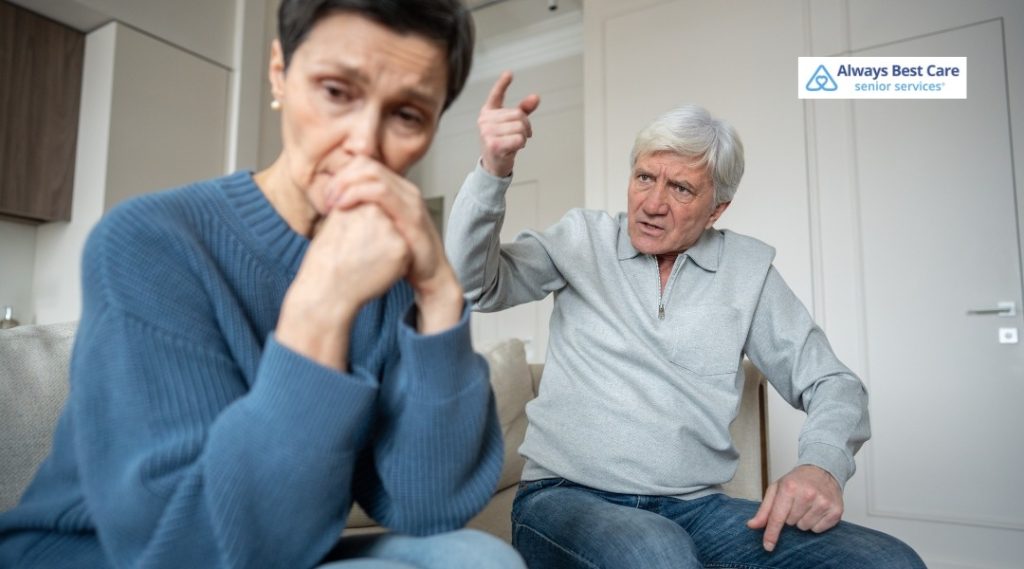
Abuse doesn’t always start with something obvious. It might begin with excuses, a “bad day,” or a vague injury that doesn’t quite match the story. Still, the red flags tend to add up.
Watch for:
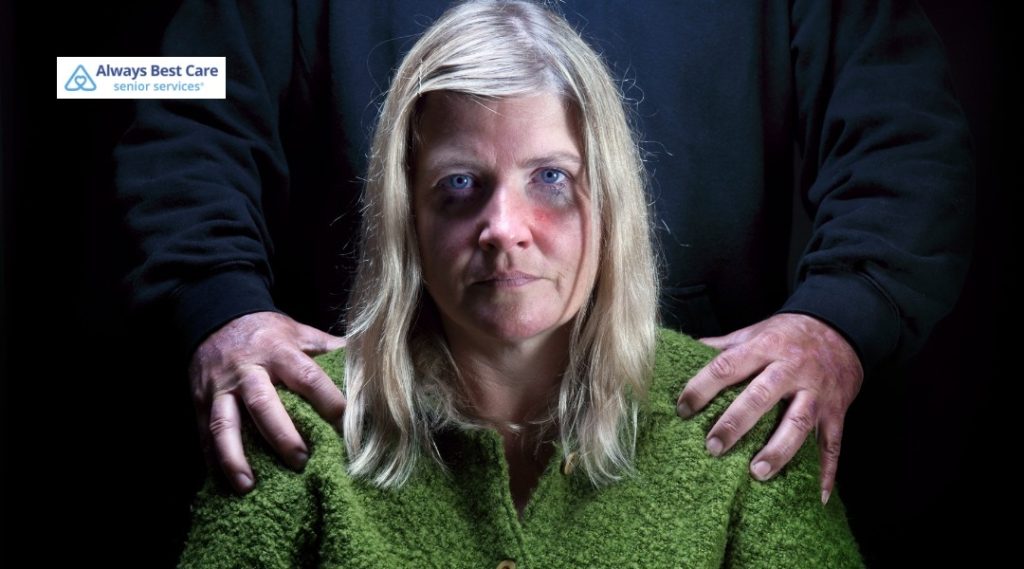
- Unexplained bruises, cuts, or frequent falls
- Sudden mood changes, increased anxiety, or withdrawal from family and friends
- Poor hygiene, dirty clothes, or a home that’s unusually cluttered or unclean
- Missing cash, strange bank withdrawals, or new “friends” involved in finances
- A loved one acting scared, tense, or unusually quiet around a specific person
- Changes in eating or sleeping patterns, or a loss of interest in favorite activities
If something feels off, don’t shrug it off. That gut feeling might be your first clue that your loved one needs help.
Risk Factors That Increase Vulnerability
Some situations make seniors easier targets, even when everyone means well at first. Knowing these risk factors helps families shore up weak spots before problems snowball.
Higher risk often comes with:
- Social isolation – Few visitors, limited outings, or little connection with neighbors and community
- Cognitive decline – Dementia, memory loss, or confusion that makes it hard to report abuse or remember events
- Physical limitations – Needing help with bathing, dressing, walking, or medications
- Financial dependency – Relying on others to manage money, bills, and legal documents
- Caregiver stress or burnout – Overwhelmed, exhausted caregivers who aren’t getting support
By addressing these issues early, we reduce the chance that stress or opportunity turns into harm.
Steps Families Can Take to Prevent Elder Abuse
Elder abuse prevention isn’t just about reacting when something goes wrong. It’s about building a safer setup from the very beginning.
Practical ways families can help protect their loved ones:
- Visit regularly, both planned and unannounced
- Call, text, or video chat often to stay connected
- Keep an eye on bank accounts, bills, and legal papers
- Make sure more than one trusted person knows about medical conditions, medications, and routines
- Encourage social activities, adult day programs, faith groups, or community centers
- Talk openly with your loved one about safety, money, and boundaries
- Watch for signs of caregiver burnout and step in with respite, help, or professional support
A culture of honesty and shared responsibility makes it much harder for abuse to hide in the shadows.
How Professional In-Home Care in Shreveport, LA Helps Prevent Abuse
Professional, consistent support at home can be a game-changer for safety and peace of mind. Reliable in-home care doesn’t just help with daily tasks, it adds extra eyes, ears, and accountability.
At Always Best Care of Shreveport, LA, we:
- Carefully screen and train caregivers for compassion, reliability, and respect
- Focus on preserving each senior’s dignity, independence, and preferences
- Pay close attention to changes in mood, behavior, or health and share concerns with families
- Encourage open communication between families, seniors, and caregivers
We work alongside families, not in place of them. By staying connected with you and your loved one, we help create a home environment where abuse is far less likely to take root.
What Should You Do If You Suspect Elder Abuse?
This is the question nobody wants to ask, but it’s one we can’t ignore: What should you do if you suspect elder abuse?
If your alarm bells are ringing, take action:
- Talk privately with your loved one
Speak gently, without accusing anyone. Let them know you’re on their side and they’re not alone. - Write down what you notice
Dates, injuries, behavior changes, bank issues, details matter if you need to report or investigate. - Reach out to professionals
- Local adult protective services
- Healthcare providers
- Law enforcement, if there’s immediate danger
- Increase contact and oversight
Visit more often, adjust caregiving arrangements, or bring in additional support to reduce risk.
Acting quickly can stop the harm from getting worse and may even save a life.
Creating a Safer Future for Seniors in Shreveport, LA
Protecting older adults isn’t just a family responsibility; it’s a community effort. Neighbors, friends, faith communities, and care providers all play a role in building a safer Shreveport for seniors.
At Always Best Care of Shreveport, we’re committed to:
- Treating every senior with respect, patience, and kindness
- Partnering with families to create care plans that support safety and independence
- Speaking up when something doesn’t look right and helping families respond
We walk through the ups and downs with you, working to make home feel like the secure, comforting place it’s meant to be.
Frequently Asked Questions
Q: What are the most common signs of elder abuse?
A: Unexplained injuries, sudden mood changes, poor hygiene, missing money, and fear around a caregiver are some of the biggest warning signs.
Q: Can elder abuse happen in a “good” family?
A: Yes. Abuse can occur in any family under enough stress, pressure, or isolation. That’s why open communication and support are so important.
Q: How can professional caregivers help prevent elder abuse?
A: Trusted caregivers provide consistent care, reduce stress on family, and notice early changes in behavior or health that might signal trouble. At Always Best Care of Shreveport, LA, we stay alert and keep families informed.
Q: Is neglect considered elder abuse?
A: Yes. Failing to meet basic needs, like food, hygiene, medical care, or supervision, can be a serious form of abuse, even if it isn’t intentional.
Q: Who should I contact if I think my loved one is in immediate danger?
A: Call local law enforcement right away. For non-emergency concerns, reach out to adult protective services and your loved one’s healthcare providers.
A Kinder, Safer Tomorrow for Shreveport’s Seniors
Elder abuse prevention takes awareness, courage, and a willingness to ask hard questions, but our loved ones are worth every bit of that effort.
By staying involved, watching for warning signs, easing caregiver stress, and building a strong support system, families in Shreveport can help seniors live with the safety and dignity they deserve.
If you’re searching for compassionate, trustworthy support for an aging loved one, we at Always Best Care of Shreveport are here to walk alongside you. Call Always Best Care of Shreveport, LA at (318) 373-6141 to schedule a care consultation and learn how our caregivers can help protect your loved one and bring greater peace of mind to your family.
Link to the Markdown File version of the article