Creating a Safe Home Environment for Stroke Survivors in Shreveport, LA

Coming home after a stroke can feel like a breath of fresh air. Familiar furniture, favorite family photos, and a well-loved recliner can bring comfort during a difficult season. Still, home may need a few changes before it truly supports recovery.
A stroke can affect balance, muscle strength, vision, coordination, memory, and reaction time. Suddenly, a loose rug, dim hallway, or slippery bathroom floor can become more than a minor inconvenience. Creating a safer setup doesn’t mean taking independence away. Quite the opposite, it helps a loved one move through the day with greater confidence and fewer avoidable hazards.
Creating a Safe Home Environment for Stroke Survivors in Shreveport, LA starts with looking at everyday spaces through a new lens. A few thoughtful updates can go a long way toward making life at home feel steadier, calmer, and more manageable.
What You Will Learn
- Why a safe, organized home can support confidence and recovery after a stroke
- Simple ways to reduce fall hazards in bathrooms, bedrooms, kitchens, and walkways
- How safer daily routines can help a loved one move around the home with greater peace of mind
- How compassionate in-home care can support Shreveport families during stroke recovery
Table of Contents
Why Home Safety Matters After a Stroke
Stroke survivors may face a greater risk of falling due to weakness, balance problems, reduced sensation, vision changes, fatigue, or difficulty moving one side of the body. The American Stroke Association notes that physical, cognitive, and emotional changes after a stroke can all contribute to increased fall risk.
That doesn’t mean every home needs a major renovation. Often, the most meaningful safety changes are simple, practical, and tailored to the person’s current needs. A physician, physical therapist, or occupational therapist can help identify which changes make sense for a particular recovery plan.

Creating a Safe Home Environment for Stroke Survivors in Shreveport, LA: Start With the Basics
Before rearranging an entire house, walk through it slowly. Think about where your loved one sleeps, bathes, eats, rests, and moves most often. Pay attention to the spots where they may turn quickly, carry something, get up from a chair, or walk at night.
A good starting point includes:
- Clearing clutter from floors, stairs, and walkways
- Removing loose throw rugs or securing them with non-slip backing
- Keeping electrical cords against walls and out of walking paths
- Moving frequently used items to easy-to-reach shelves
- Choosing supportive, non-slip footwear instead of loose slippers
- Making sure a phone or alert device is easy to reach
The CDC’s home fall-prevention guidance also recommends keeping stairways clear, repairing loose or uneven steps, and maintaining secure handrails.
Make Each Room Safer
Bathroom: Reduce Slip and Transfer Risks
Bathrooms are often the trickiest room in the house after a stroke. Water, hard surfaces, and tight spaces can create a perfect storm for slips and falls.
Consider installing properly secured grab bars near the toilet and bathing area. A shower chair, handheld showerhead, raised toilet seat, or non-slip bath surface may be helpful if recommended by a therapy professional. Keep towels, soap, medication, and grooming items within comfortable reach, so there’s no need for awkward stretching or bending.
One important note: towel racks are not built to hold a person’s weight. They may look sturdy, but they can give way in a split second.

Bedroom: Make Nighttime Movement Easier
A bedroom should be a place to rest, not a place to worry about navigating in the dark. Keep a clear, wide path from the bed to the bathroom. A bedside lamp, touch-operated light, or nightlight can make late-night trips far safer.
Place glasses, a phone, mobility equipment, water, and essential items on a stable bedside table. If getting out of bed is difficult, ask a physical or occupational therapist whether bed height, bed rails, or other transfer aids may be appropriate.
Kitchen: Keep Daily Tasks Within Reach
The kitchen can remain a welcoming space with a little rethinking. Store everyday dishes, cups, pantry items, and cooking tools between waist and shoulder height. That way, your loved one won’t have to climb, bend deeply, or reach above their head.
Keep countertops clear and clean up spills right away. A sturdy chair may help with seated meal preparation, but rolling chairs should be avoided unless a professional recommends one. Slow and steady wins the race here.
Hallways, Stairs, and Entrances: Create Clear Routes
Hallways should be bright and uncluttered, with enough room for a cane, walker, or wheelchair if needed. Make sure furniture doesn’t narrow a pathway or create a sharp turning point.
For homes with stairs, secure handrails are especially important. Good lighting at entryways, solid outdoor steps, and clear paths to the car can help make outings and appointments less stressful. Any ramp, railing, or larger accessibility project should be planned with qualified professionals.

Support Safe Daily Routines
Even a safer home can’t replace safe habits. Encourage your loved one to take their time when standing, turning, sitting, or transferring between surfaces. Rushing is often where trouble begins.
It may help to build extra time into the day for bathing, dressing, meals, and appointments. Rest breaks matter, too. Stroke-related fatigue can hit like a ton of bricks, and pushing through exhaustion may increase the likelihood of an accident.
Family caregivers can offer a steady hand, gentle reminders, and encouragement. Still, it’s wise to follow the care plan created by the medical and rehabilitation team. The goal is to support independence while keeping safety front and center.
In-Home Care Support for Shreveport Families
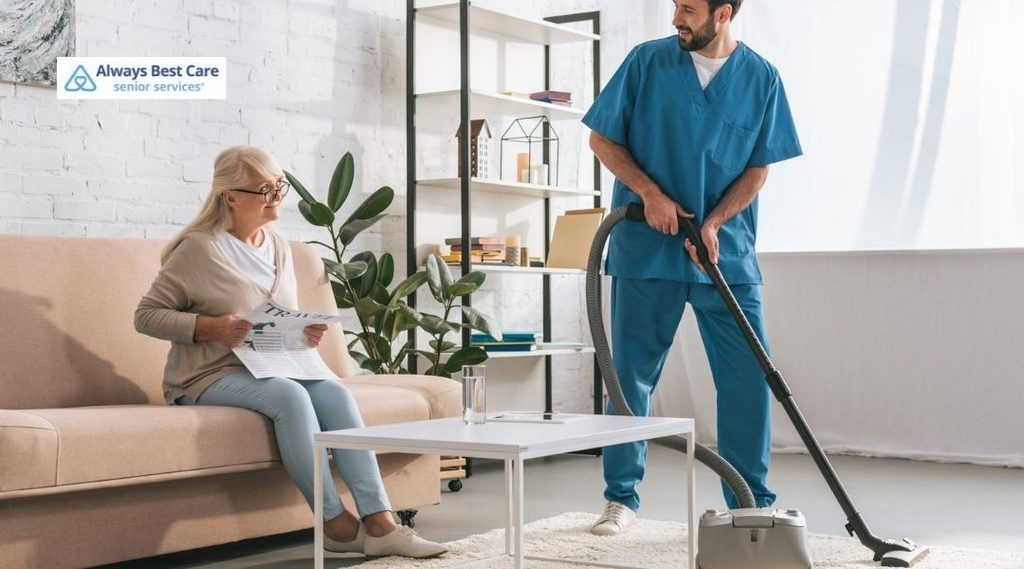
Recovery can be a long road, and families shouldn’t have to carry every responsibility alone. In-home caregivers can provide non-medical support with personal care, meal preparation, light housekeeping, companionship, mobility assistance, and medication reminders.
For families working to maintain Creating a Safe Home Environment for Stroke Survivors in Shreveport, LA, dependable care can make day-to-day life more manageable. Always Best Care of Shreveport can help families arrange personalized support that fits alongside their loved one’s medical and rehabilitation plan.
Frequently Asked Questions
Q: What are the most important home safety changes after a stroke?
A: The most important changes often include clearing walkways, removing tripping hazards, improving lighting, adding appropriate bathroom supports, and making frequently used items easy to reach. A healthcare professional can recommend changes based on the survivor’s mobility and recovery needs.
Q: How can I help prevent falls after a stroke?
A: Help prevent falls by keeping floors clear, using recommended mobility equipment, encouraging slow and deliberate movement, supporting proper footwear, and following therapy guidance. People at risk for falls after stroke should receive a fall-risk evaluation and fall-prevention training.
Q: Should stroke survivors use grab bars at home?
A: Grab bars may improve safety in bathrooms and other high-risk areas, especially during transfers. They should be professionally installed and placed based on the survivor’s needs. Towel bars should never be used as grab bars.
Q: Can in-home care help a stroke survivor remain at home?
A: Yes. Non-medical in-home care can assist with routine tasks, personal care, meal preparation, mobility support, companionship, and caregiver respite. It can complement, not replace, medical treatment and rehabilitation services.
A Safer Home, One Thoughtful Change at a Time
A stroke may change the way someone moves through the world, but it doesn’t erase the comfort or meaning of home. By clearing hazards, adjusting high-risk spaces, and building safer routines, families can help their loved one feel more secure without losing the familiar rhythm of daily life.
For compassionate, personalized in-home support, reach out to Always Best Care of Shreveport at (318) 373-6141. Together, families can create a home environment that supports safety, comfort, and greater peace of mind during stroke recovery.