Wound Care at Home: When Is Skilled Nursing Needed in Shreveport, LA?
A small cut or scrape usually doesn’t feel like a big deal. Clean it, cover it, and you’re good to go. But as our loved ones age, wound care at home can turn into a bigger challenge than we expect. Healing slows down, health conditions pile up, and a “tiny sore” can quietly turn into a serious problem.
That’s where skilled nursing and thoughtful wound care at home come into play. In Shreveport, LA, we at Always Best Care know families are juggling a lot, and many want their loved ones to stay safe and comfortable at home. Understanding when skilled nursing is needed can help us make smart, timely decisions that protect their health.
What you will learn:
- Why wounds can be more difficult for older adults to heal from at home.
- When a wound may need skilled nursing care and professional attention.
- The warning signs that may indicate a wound is becoming more serious.
- How skilled nursing and in-home care can work together to support safer, more comfortable healing at home.
Table of Contents
Why Wound Care at Home Is Tougher for Seniors
As we grow older, our skin doesn’t bounce back like it used to. It becomes thinner and more fragile, which means:
- Scrapes, tears, and bruises happen more easily
- Pressure from sitting or lying too long can damage the skin
- Healing takes more time and care
On top of that, certain health issues can make wounds stubborn and slow to heal:
- Diabetes can affect circulation and sensation
- Poor blood flow keeps oxygen and nutrients from reaching the wound
- Limited mobility can lead to pressure injuries and stiff joints
- Chronic illnesses can weaken the body’s ability to repair itself
Nutrition also plays a bigger role than many of us realize. Without enough protein, vitamins, minerals, and fluids, the body may struggle to rebuild damaged tissue, and a simple wound can linger longer than it should.
Wound Care at Home: When Is Skilled Nursing Needed?
Basic cuts and scrapes can usually be managed with simple home care, but some wounds need professional eyes and hands. Skilled nursing for wound care at home in Shreveport, LA is often recommended when injuries are more complex or slow to heal.
Wounds That May Need Skilled Nursing
A nurse may be needed if your loved one has:
- Surgical incisions that still need close monitoring or special dressing changes
- Pressure injuries (bedsores) on heels, hips, tailbone, or elbows
- Diabetic foot ulcers or wounds on the legs or feet
- Wounds linked to poor circulation, such as those that stay cold or pale
- Skin tears that are tricky to close or keep protected
- Burns or more serious injuries that require careful cleaning and dressing
- Chronic wounds that haven’t improved as expected
A healthcare provider usually decides what level of care is needed and can recommend when skilled nursing should step in to help.
Warning Signs a Wound Needs Medical Attention
Sometimes a wound looks fine at first, then quietly starts heading in the wrong direction. Catching those changes early can make a big difference.
Keep an eye out for:
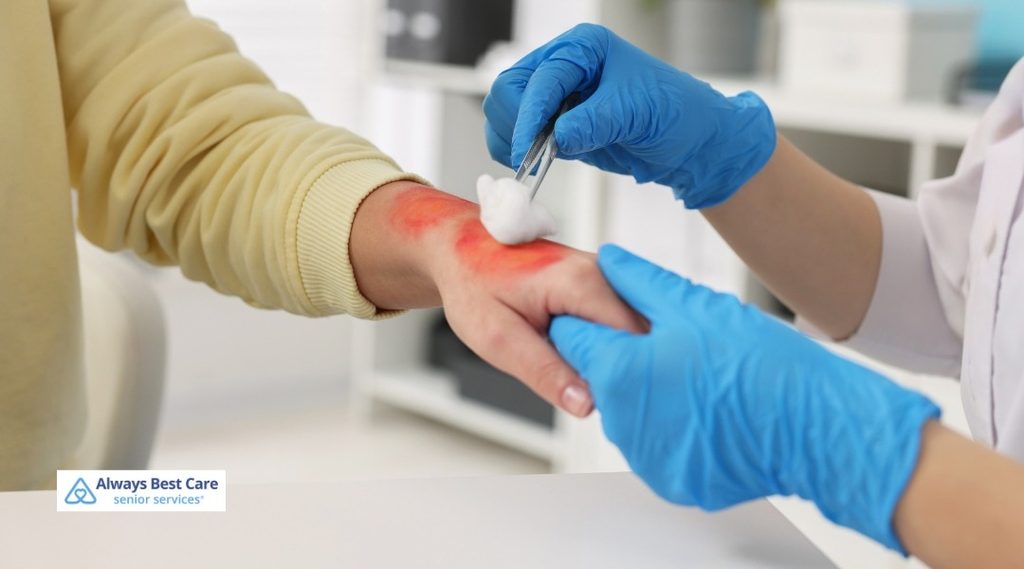
- Growing redness, warmth, or swelling around the wound
- Increasing pain, especially if it’s new or suddenly worse
- Drainage that’s cloudy, thick, or has a strange color
- A bad odor coming from the wound
- Skin around the area that looks darker, shiny, or breaks open
More serious warning signs can include:
- Fever or chills
- Confusion or sudden changes in alertness
- A noticeable drop in overall energy or appetite
For loved ones with diabetes, weak immune systems, or circulation problems, changes can happen quickly. It’s better to ask for help early than to wait and hope things improve on their own.
How Skilled Nursing Supports Wound Care at Home in Shreveport, LA
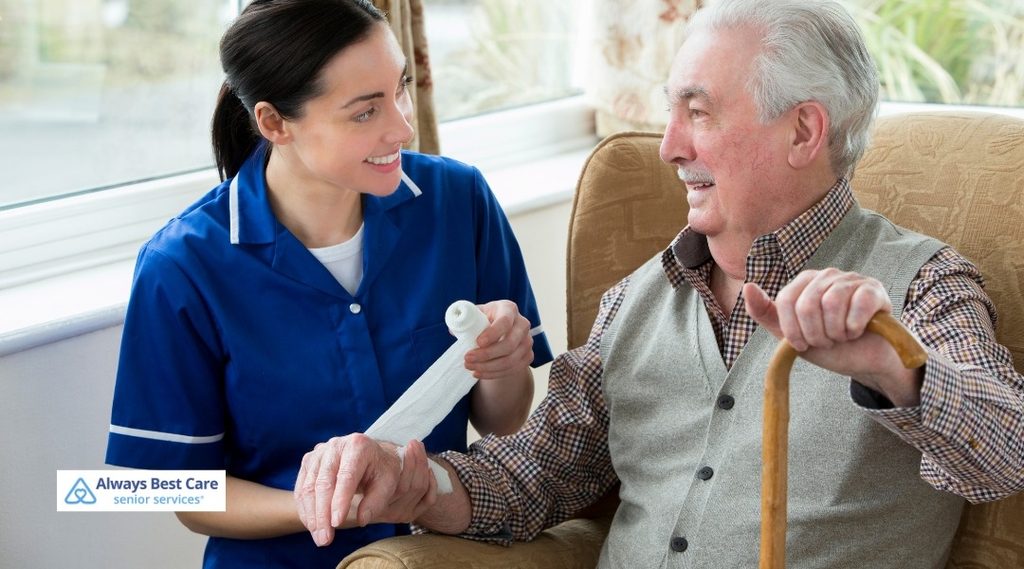
When skilled nursing is included in a home health plan, a nurse can provide medical care right where your loved one feels most comfortable—at home. In Shreveport, LA, we at Always Best Care use skilled nursing to support safe healing and reduce stress for families.
Depending on the doctor’s orders and the type of wound, a home health nurse may:
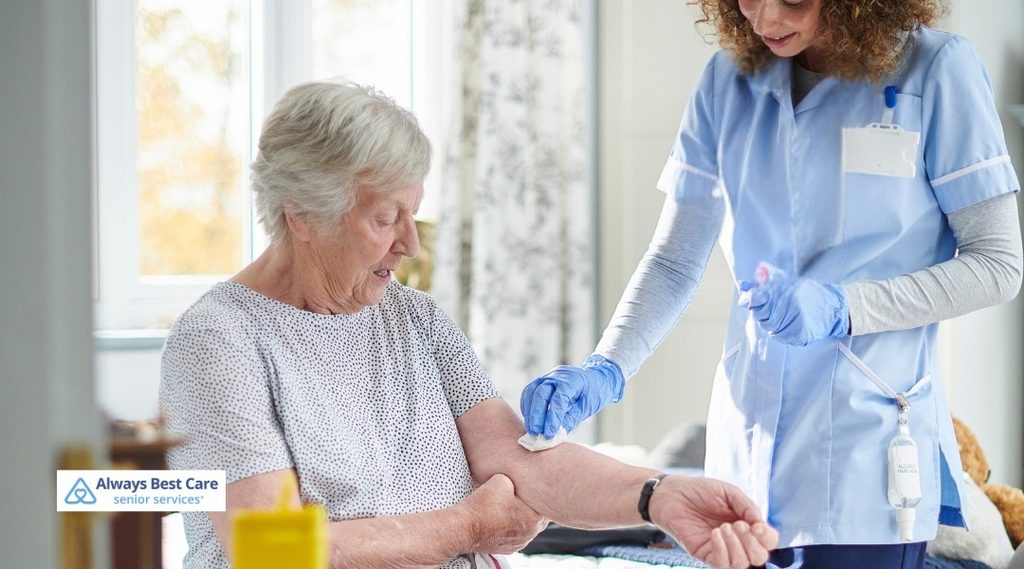
- Assess the wound regularly and track healing progress
- Clean the wound to reduce germs and protect the surrounding skin
- Change dressings using the right materials and techniques
- Watch for signs of infection and report changes quickly
- Teach wound care basics so families feel more confident
- Communicate with the healthcare team if something changes or doesn’t improve
We also help families know what’s normal, what’s not, and when it’s time to call the doctor. That guidance can offer real peace of mind—especially after a hospital stay, rehab stay, or surgery.
Preventing Pressure Injuries at Home
For loved ones who spend a lot of time sitting or lying down, prevention is just as important as treatment. Pressure injuries often start quietly and show up in bony areas, such as:
- Heels
- Hips
- Tailbone
- Elbows
To lower the chance of pressure injuries at home, it helps to:
- Change positions often, instead of staying in one spot for hours
- Keep skin clean and dry
- Use cushions, special mattresses, or pads to ease pressure
- Encourage good hydration and balanced meals
- Check the skin daily for redness, firmness, or open areas
We work with families in Shreveport, LA to build simple routines that support comfort and prevent skin problems from turning into bigger worries.
How Home Health and In-Home Care Work Together
Healing from a wound doesn’t just involve bandages and medicine. Everyday tasks can suddenly feel harder—getting dressed, bathing, cooking, or even walking across the room.
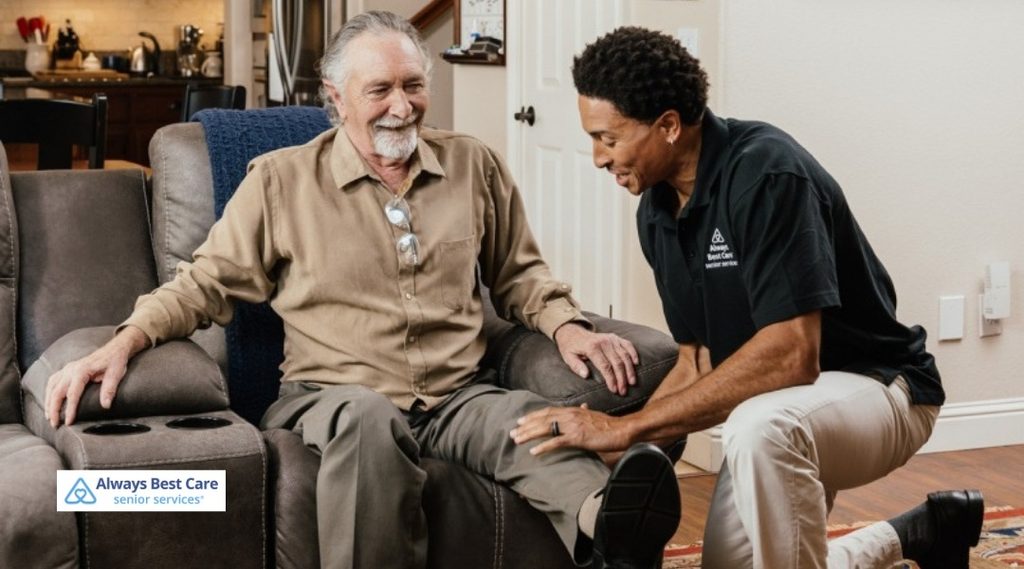
That’s why many families find that home health and in-home care make a strong team:
- Skilled nursing focuses on medical needs like wound care and medication management.
- In-home caregivers help with daily routines, such as:
- Meal preparation
- Personal care
- Light housekeeping
- Safe movement around the home
- Gentle reminders about medications and appointments
When both types of support are in place, loved ones can heal at home with fewer risks and more comfort, while families feel less overwhelmed.
Frequently Asked Questions
Q: How do I know if my loved one’s wound needs skilled nursing at home?
A: If the wound is surgical, deep, not improving, or linked to diabetes, poor circulation, or pressure, it’s wise to ask about skilled nursing for wound care at home. Sudden changes in redness, pain, or drainage are also signals to seek professional help.
Q: Can skilled nursing help avoid hospital readmissions?
A: Skilled nursing can often catch problems early, follow the physician’s instructions carefully, and coordinate care, which may reduce the chance of complications that lead to another hospital stay.
Q: What can families do between nursing visits?
A: Families can help by keeping the dressing clean and dry, following the nurse’s instructions, watching for changes, and noting any concerns so they can be shared at the next visit or sooner if needed.
Q: Are pressure injuries always a sign of poor care?
A: Not necessarily. They can occur even with good care, especially when someone has serious health issues or limited mobility. Regular skin checks and position changes can lower the risk.
Q: How can Always Best Care of Shreveport, LA support wound care at home?
A: We provide access to skilled nursing for wound care, as well as in-home caregivers who help with daily tasks, comfort, and safety. Together, we help loved ones heal at home with more support and less stress.
Healing at Home Starts With the Right Support
Wound care at home can feel simple at first glance, but for aging loved ones in Shreveport, LA, things can get complicated in a hurry. Knowing when skilled nursing is needed and recognizing early warning signs gives us a better shot at protecting their health and avoiding serious problems.
We at Always Best Care of Shreveport, are here to help families navigate wound care, support safer healing at home, and bring both medical know-how and everyday care under one roof. If your loved one is recovering from a wound, surgery, or another health issue and needs extra help at home, you can reach us at Always Best Care of Shreveport, LA at (318) 373-6141 to talk through your options and find the support that fits your family’s needs.
Link to the Markdown File version of the article