

Supporting Respiratory Health in Seniors: Tips for Easier Breathing in Thousand Oaks

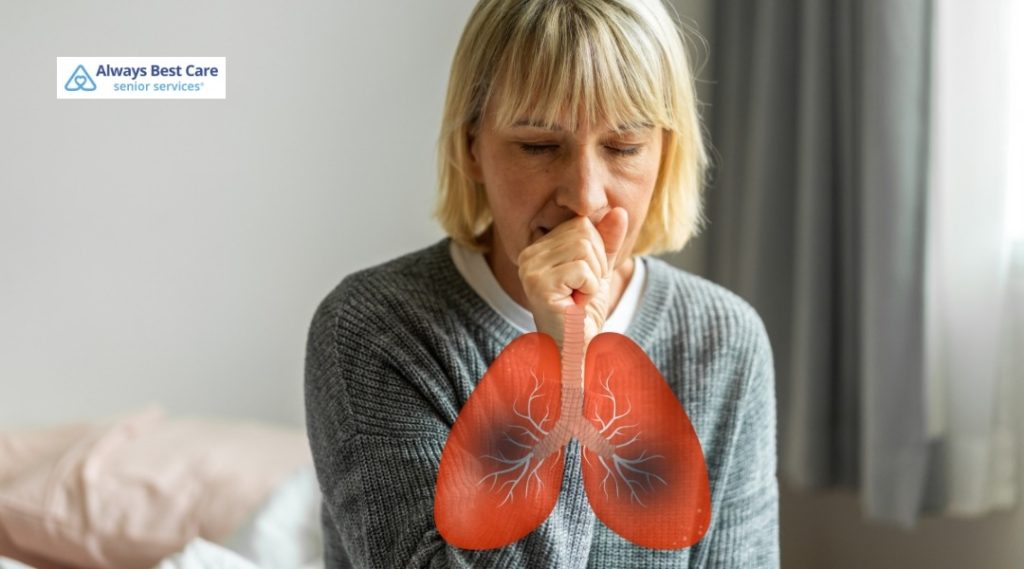
For most people, breathing happens without a second thought. But for many older adults, each breath can require real effort. Age-related changes, chronic conditions, and environmental triggers can all compromise lung function, making respiratory health one of the most important areas of focus for senior care.
The encouraging news: proactive habits, a well-maintained home environment, and the right support system can make a meaningful difference. Here is what families and caregivers in Thousand Oaks need to know.
What you will learn:
- How aging and common respiratory conditions affect seniors’ breathing, comfort, and daily independence.
- Simple ways to create a cleaner, lung-friendly home environment in Thousand Oaks.
- Everyday habits that help strengthen lung health and support easier, more comfortable breathing.
- How to manage chronic respiratory conditions and recognize warning signs that need immediate attention.
Table of Contents
How Aging Affects the Lungs
The respiratory system changes significantly as we age. Lung tissue loses elasticity, the diaphragm weakens, and the airways become less effective at clearing mucus and debris. These changes reduce the body’s ability to take in oxygen and expel carbon dioxide efficiently.
As a result, seniors are more susceptible to:
- Chronic obstructive pulmonary disease (COPD)
- Asthma flare-ups
- Pneumonia and bronchitis
- Reduced exercise tolerance
- Sleep-disordered breathing
Even without a formal diagnosis, many older adults experience shortness of breath during activities that once felt effortless. Recognizing this as a health signal, not just a normal part of aging, is the first step toward better care.
Building a Lung-Friendly Home Environment
The air quality inside a home directly impacts respiratory health. Dust, mold, pet dander, and chemical irritants can all trigger symptoms or worsen existing conditions.
Practical steps to improve indoor air quality:
- Replace HVAC filters every 1–3 months
- Use a HEPA air purifier in frequently used rooms
- Keep humidity levels between 30–50% to prevent mold growth
- Eliminate or minimize the use of aerosol sprays, scented candles, and harsh cleaning products
- Ensure proper ventilation, especially in bathrooms and kitchens
- Address any water damage or mold promptly
In Thousand Oaks, seasonal allergens such as pollen can also be a concern. Keeping windows closed on high-pollen days and encouraging seniors to check local air quality reports before spending time outdoors can help reduce exposure.
Daily Habits That Strengthen Respiratory Health
Lifestyle choices play a powerful role in maintaining lung function. Small, consistent habits can add up to significant improvements over time.
Encourage seniors to:
- Stay active. Gentle movement, walking, tai chi, or light stretching, helps maintain lung capacity and cardiovascular health.
- Practice breathing exercises. Pursed-lip breathing and diaphragmatic breathing can improve oxygen exchange and reduce breathlessness.
- Stay well-hydrated. Adequate fluid intake keeps mucous membranes moist and helps the airways clear more effectively.
- Prioritize nutrition. Anti-inflammatory foods such as leafy greens, berries, and omega-3-rich fish support lung tissue health.
- Stay current on vaccinations. Flu, pneumonia, and COVID-19 vaccines significantly reduce the risk of respiratory infections that can be dangerous for older adults.
- Avoid smoking and secondhand smoke. Even limited exposure can cause lasting damage to lung tissue.

Managing Chronic Respiratory Conditions
For seniors already living with COPD, asthma, or other chronic respiratory conditions, consistent management is essential to preventing hospitalizations and maintaining quality of life.
Effective management typically involves:
- Taking prescribed medications on schedule, including maintenance inhalers
- Using nebulizers or oxygen therapy correctly and consistently
- Keeping a symptom journal to track changes over time
- Attending regular follow-up appointments with a pulmonologist or primary care physician
- Having a written action plan for flare-ups
Caregivers and family members can play a critical role here, helping with medication reminders, recognizing early warning signs, and ensuring seniors do not skip appointments.
Warning Signs That Need Immediate Attention
Knowing when to act quickly can be life-saving. Contact a healthcare provider or seek emergency care if a senior experiences:
- Sudden or worsening shortness of breath
- Persistent wheezing or a new, productive cough
- Chest pain or tightness
- Bluish tint to the lips or fingernails
- Confusion, extreme fatigue, or difficulty speaking in full sentences
These symptoms may indicate a serious event such as a respiratory infection, exacerbation of COPD, or even a cardiac issue. Do not wait to see if symptoms resolve on their own.

How Always Best Care of Thousand Oaks Can Help
Respiratory conditions can make daily life more demanding. Tasks that once felt routine, cooking, cleaning, and getting to appointments, can become exhausting or even risky for seniors managing breathing difficulties.
Always Best Care of Thousand Oaks provides personalized in-home care designed to support seniors with respiratory health challenges. Our caregivers can help with:
- Medication reminders and symptom monitoring
- Light housekeeping to maintain a clean, low-allergen home
- Meal preparation focused on nutritious, easy-to-eat foods
- Encouraging and safely supporting physical activity
- Transportation to medical appointments
- Companionship that reduces stress, a known trigger for breathing difficulties
For seniors who need clinical support, our home health services connect families with skilled nursing professionals who can coordinate care directly with physicians.
Frequently Asked Questions
Q: What is the most common respiratory condition in seniors?
A: COPD is the most prevalent chronic respiratory condition among older adults, affecting millions in the U.S. However, asthma, pneumonia, and sleep apnea are also common and often underdiagnosed in seniors.
Q: Can lung function improve with age-related decline?
A: While age-related changes to the lungs cannot be fully reversed, regular exercise, breathing techniques, and avoiding irritants can help maintain and even modestly improve functional lung capacity.
Q: How do I know if my loved one’s breathing issues are serious?
A: Any sudden change in breathing, increased effort, new wheezing, or shortness of breath at rest warrants a call to their doctor. Bluish lips or fingertips, confusion, or chest pain require immediate emergency care.
Q: Are air purifiers actually effective for seniors with respiratory conditions?
A: Yes. HEPA air purifiers have been shown to reduce airborne allergens, dust, and particulate matter that can trigger respiratory symptoms. They are especially beneficial in bedrooms and living areas where seniors spend the most time.
Q: How can a home caregiver support a senior with COPD or asthma?
A: A caregiver can assist with medication reminders, help maintain a clean and allergen-reduced environment, monitor for symptom changes, provide transportation to appointments, and offer emotional support, all of which contribute to better disease management and reduced hospitalizations.

Helping Your Loved One Breathe Easier
Respiratory health is not something to manage alone. With the right environment, daily habits, and professional support, seniors in Thousand Oaks can breathe more comfortably and live more independently.
Always Best Care of Thousand Oaks is here to help. Call us today at (805) 563-6440 to schedule a free care consultation and learn how our caregivers can make a real difference in your loved one’s daily life.
Link to the Markdown File version of the article