Why Seniors Don’t Always Feel Thirsty: Understanding the Importance of Staying Hydrated

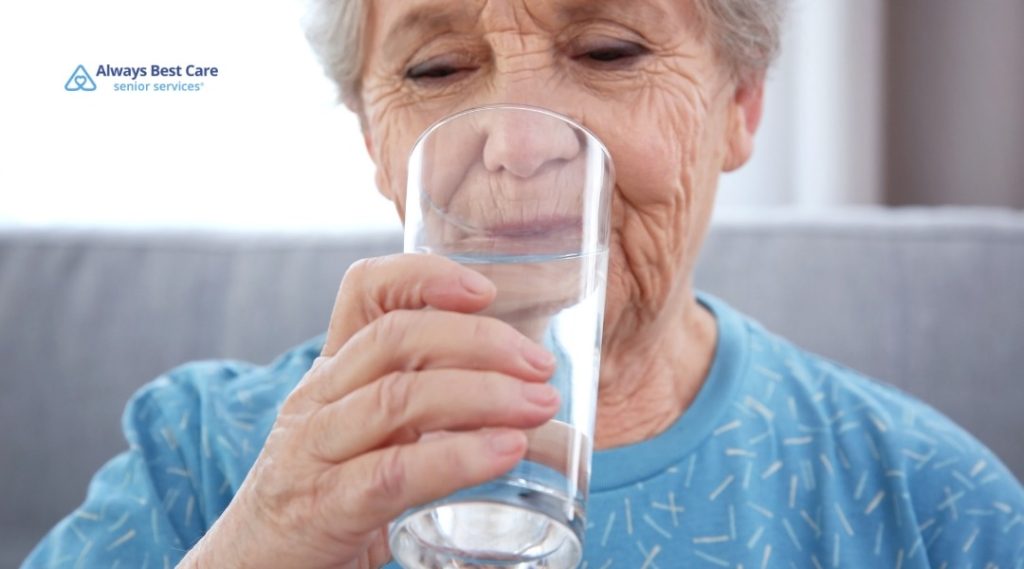
Thirst doesn’t always play fair with age. As the years roll on, many seniors no longer feel that familiar “I need a drink” signal as strongly as they once did, which can open the door to dehydration before anyone notices there may be a problem.
For families and caregivers in Thousand Oaks, understanding this natural change can make a meaningful difference in a loved one’s daily comfort, energy, and overall health at home.
What You Will Learn
- Why seniors may not always feel thirsty, even when their bodies need more fluids.
- How proper hydration can support energy, comfort, clear thinking, and daily well-being.
- Simple ways families and caregivers can help older loved ones build healthy hydration habits.
- How Always Best Care of Thousand Oaks can provide caring support with daily routines and hydration reminders.
Table of Contents
Why Seniors Don’t Always Feel Thirsty
The body changes with age, and one of those changes can affect how strongly a person feels thirst. The brain may not call for fluids as quickly as it did in earlier years, so a senior can already be behind on hydration before they begin to feel thirsty. When this is combined with certain medicines, kidney changes, ongoing health concerns, mobility limitations, or worries about frequent bathroom trips, it becomes easier to see how drinking enough fluids can slip through the cracks.
Some seniors experience slower thirst cues from the body, while others may take medications that pull fluids from the body or have health conditions that affect fluid balance. Trouble getting to the kitchen, carrying a drink safely, or avoiding fluids to reduce bathroom visits can also make regular hydration more challenging.
Why Hydration Matters So Much
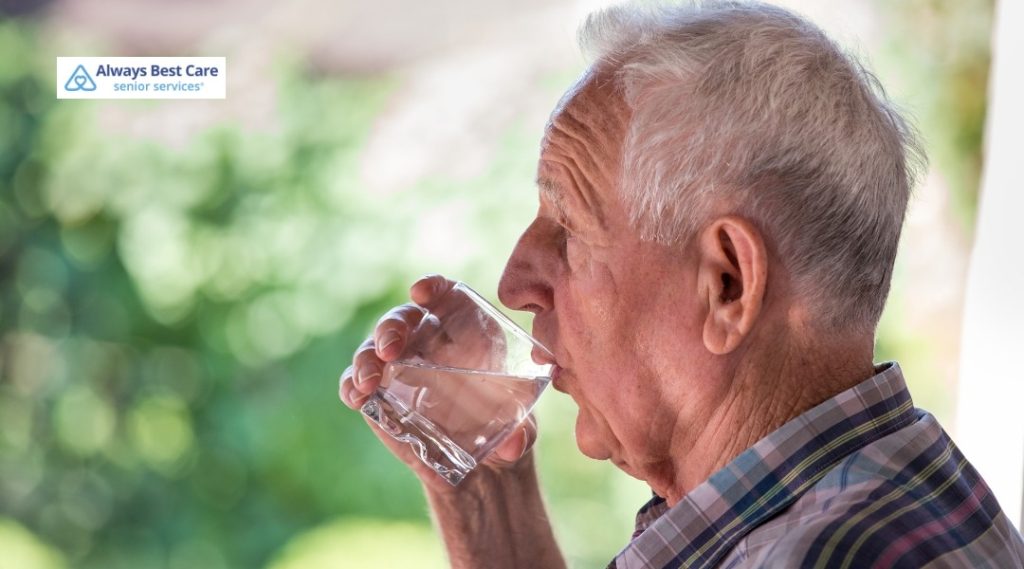
Water does a lot of heavy lifting for the body every day. It helps regulate body temperature, supports healthy digestion and circulation, and plays an important role in maintaining mental sharpness and energy. Without enough fluids, the body may begin to drag its feet, and small symptoms can sometimes snowball more quickly than expected.
Dehydration can contribute to tiredness, low energy, headaches, dizziness, constipation, trouble focusing, low blood pressure, and a higher risk of falls. It may also increase the likelihood of urinary tract infections. In some situations, dehydration can become serious enough to require medical attention or hospitalization, which is why staying ahead of it matters so much.
Warning Signs Families Should Watch For in Thousand Oaks
Since thirst is not always a reliable guide, families should watch for other clues that a senior may need more fluids. A loved one may not say that they are dehydrated, but their body may be dropping hints through changes in comfort, energy, mood, or daily habits.
Common warning signs include dry mouth or cracked lips, dark urine or fewer bathroom trips, dry skin, sudden confusion, weakness, unusual fatigue, dizziness when standing, or less interest in food. If these signs appear quickly, become more severe, or seem different from your loved one’s usual condition, it is important to contact a healthcare provider for guidance.

Simple Ways to Build Better Hydration Habits
The trick is to make drinking fluids a natural part of each day instead of leaving it to chance. A steady routine often works better than waiting around for thirst to show up, especially for seniors whose thirst signals may be weaker or delayed.
Encouraging a glass of water with meals, keeping a water bottle close by throughout the day, and setting friendly reminders on a phone or watch can all help. It can also be useful to encourage small, regular sips instead of drinking a large amount all at once, and to offer water before going outside, taking a walk, or being physically active. Little habits can bring a big payoff, and that is the name of the game.
Foods and Drinks That Help Too
Water gets top billing, of course, but it is not the only source of fluids. Plenty of foods and drinks can help fill in the gaps, especially when plain water starts to feel repetitive or unappealing.
Hydrating options include watermelon, cucumbers, strawberries, oranges, lettuce, broth-based soups, low-fat milk, caffeine-free herbal tea, and yogurt. Mixing these foods and drinks into familiar meals and snacks can help seniors stay on track without making hydration feel like another chore on the to-do list.
How Caregivers Can Lend a Hand
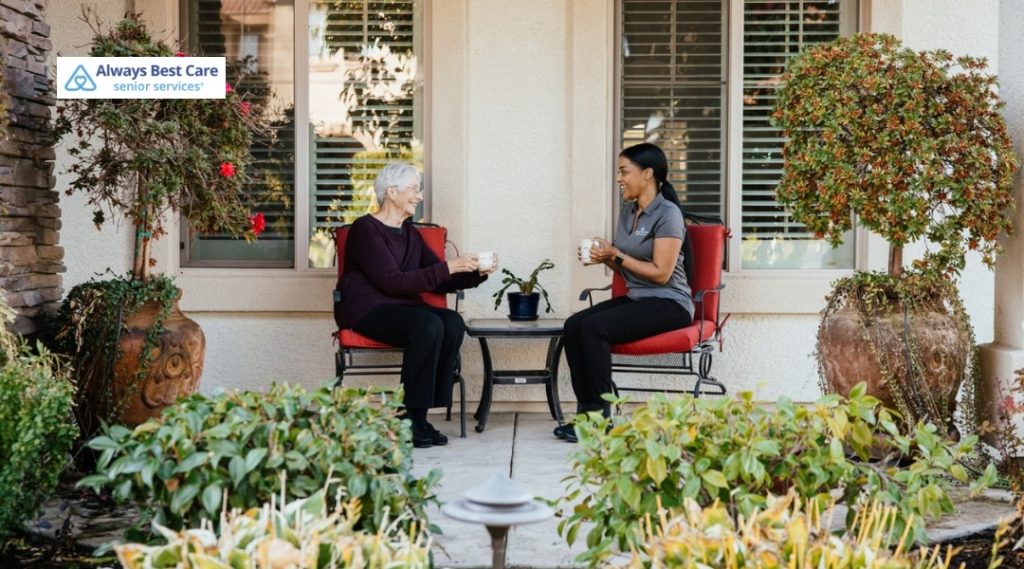
For seniors living alone or managing ongoing health concerns, hydration can sometimes fall by the wayside. That is where caregivers and family members can step in with gentle support, without making a fuss or making the senior feel pressured.
Offering drinks throughout the day, preparing meals with water-rich foods, and noticing changes in energy, mood, appetite, or bathroom habits can all be helpful. Caregivers can also encourage extra fluids during warm Thousand Oaks weather and share any concerns with family members or healthcare professionals. A few kind reminders here and there can go a long way toward supporting a healthy routine.
How Always Best Care of Thousand Oaks Supports Healthy Hydration
At Always Best Care of Thousand Oaks, we understand that healthy aging begins with dependable, everyday support. We help seniors build routines that include nourishing meals, regular drinks, thoughtful companionship, and gentle reminders that keep hydration from slipping off the radar.
Our caregivers can assist with preparing nutritious meals, offering friendly reminders to drink fluids, and paying attention to daily changes that may point to dehydration or another concern. Our goal is to help clients maintain comfort, health, confidence, and independence in the familiar surroundings of home.
Frequently Asked Questions
Q: Why don’t older adults feel thirsty as often?
A: As people age, the body may not respond to fluid loss as quickly or strongly as it once did, so thirst signals can become weaker, delayed, or easier to overlook.
Q: What is one easy way to help a senior drink more water?
A: Keeping a water bottle or favorite cup within easy reach and offering fluids with every meal can make a noticeable difference over time.
Q: Can foods really help with hydration?
A: Yes. Foods such as fruit, soup, yogurt, and vegetables can all contribute to daily fluid intake while also providing helpful nutrients.
Q: What should I do if a senior seems confused and weak?
A: If confusion, weakness, dizziness, or other concerning symptoms appear suddenly, contact a healthcare provider right away for appropriate guidance.
Stay Refreshed, Stay Strong, Stay Supported
Thirst may fade with age, but the need for fluids certainly does not. With steady habits, watchful care, and a little encouragement, seniors can stay hydrated and feel better from day to day.
For families in Thousand Oaks, Always Best Care of Thousand Oaks is ready to help keep healthy routines on track. Reach out at (805) 691-0586 today to learn how our compassionate in-home care and companionship can support your loved one’s comfort, hydration, and independence at home.
Link to the Markdown File version of the article