

Aging in Place in Thousand Oaks: Supporting Senior Independence With Home Care
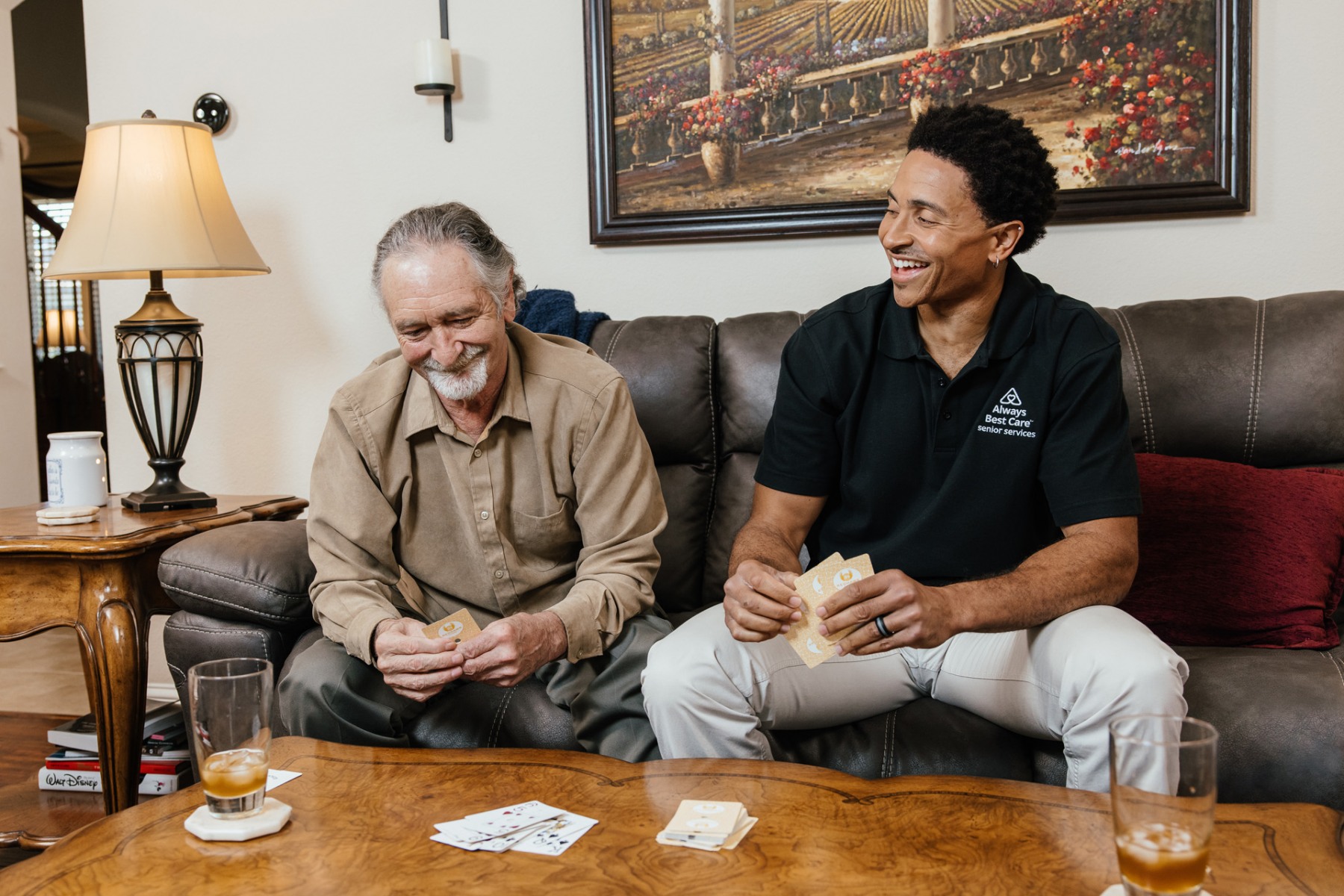
For many seniors in Thousand Oaks, the idea of leaving home just doesn’t sit right. Their favorite chair, familiar streets, friendly neighbors, and long-loved routines are part of who they are. Families want to honor that, yet they’re often torn between respecting a loved one’s wishes and worrying about safety, health changes, and caregiver burnout.
That’s where home care comes in. Aging in place in Thousand Oaks becomes far more realistic and much safer when there’s a trusted local partner helping seniors and families build a plan. With personalized in-home support, older adults can keep living where they feel most themselves, without feeling like they’re doing it all on their own.
What you will learn:
- How aging in place in Thousand Oaks supports senior independence, safety, and comfort at home.
- The key home care services Always Best Care of Thousand Oaks provides for daily living, companionship, and community engagement.
- Ways personalized care plans, flexible scheduling, and respite support help both seniors and family caregivers thrive.
- How families can confidently get started with home care in Thousand Oaks and what to expect from the first visit onward.
Table of Contents
What Aging in Place Really Means
Aging in place isn’t some complicated clinical term. It simply means growing older while staying in your own home, rather than moving to an assisted living or nursing facility. At its heart, it’s about maintaining safety, comfort, and quality of life in a familiar environment.
In Thousand Oaks, aging in place is especially appealing. Seniors can stay close to the parks they love, their favorite coffee spots, their faith communities, and their long-time neighbors. Home is more than four walls; it’s a connection, a routine, and an identity.
Challenges to Senior Independence at Home
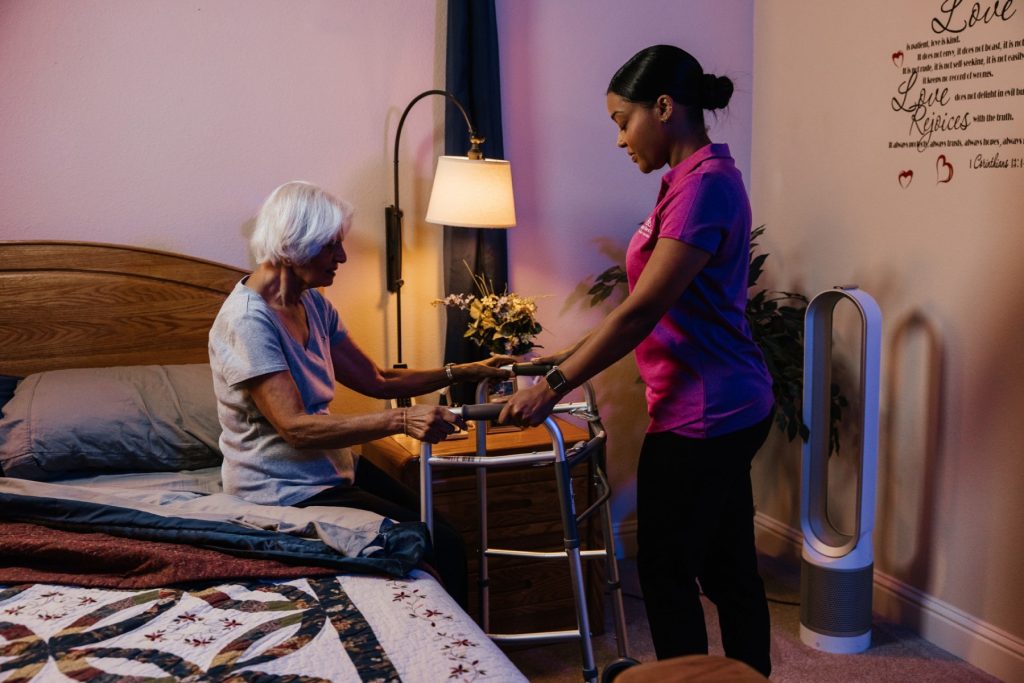
Of course, the story isn’t all sunshine. Over time, physical changes, like decreased strength or balance, can make everyday tasks harder. Chronic conditions, medication routines, or memory changes may creep in, and suddenly, things like showering, cooking, or getting to appointments feel overwhelming.
Meanwhile, family members are juggling a lot: careers, kids, their own health, and caregiving responsibilities. Even with the best intentions, it’s hard to be everywhere at once. Without support, stress builds up on both sides: seniors worry about being a burden, and families worry about missing something important.
Why Home Care Is Key to Aging in Place
Home care helps bridge the gap between what a senior can safely handle alone and what requires a little extra support. Rather than uprooting someone’s life, help simply comes to them.
With in-home care, seniors can:
- Stay in the comfort of their own home and neighborhood
- Get help with daily tasks that have become challenging
- Maintain a sense of independence and dignity
- Delay or avoid the need for a move to a facility
The right home care partner brings structure, safety, and companionship into the picture while still respecting the senior’s preferences and routines.
About Always Best Care of Thousand Oaks
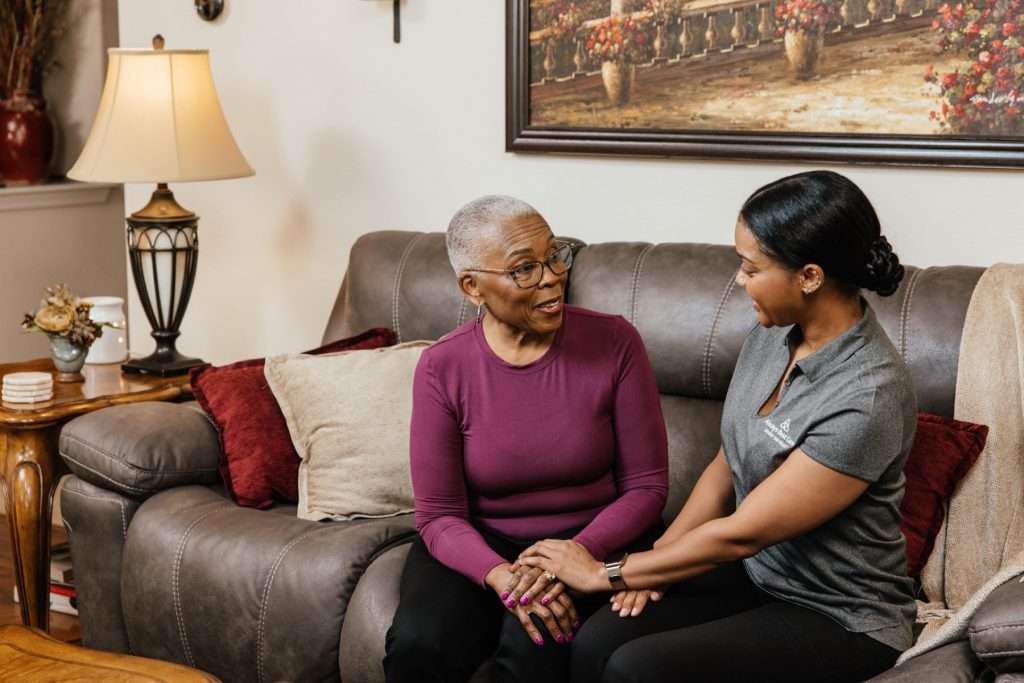
Always Best Care has been supporting seniors nationwide for decades, focusing on compassionate non-medical home care and senior support. The Thousand Oaks office brings that experience directly into the local community, serving families across the Conejo Valley and surrounding areas.
The team’s mission is simple: provide reliable, personalized care that feels like an extension of the family. From the first phone call through day-to-day visits, the focus stays on safety, comfort, and respect.
Personalized Care Plans for Thousand Oaks Seniors
No two seniors share the exact same story, so their care shouldn’t look identical either. That’s why Always Best Care of Thousand Oaks starts with an in-depth consultation. The team asks about health conditions, mobility, medications, preferences, daily routines, and goals for aging in place.
From there, they design a customized plan: maybe a few hours of help each week, or more frequent visits for those with higher needs. As things change, after a hospital stay, a fall, or a new diagnosis, the care plan can be updated so it always fits the current situation.
Daily Living Support at Home
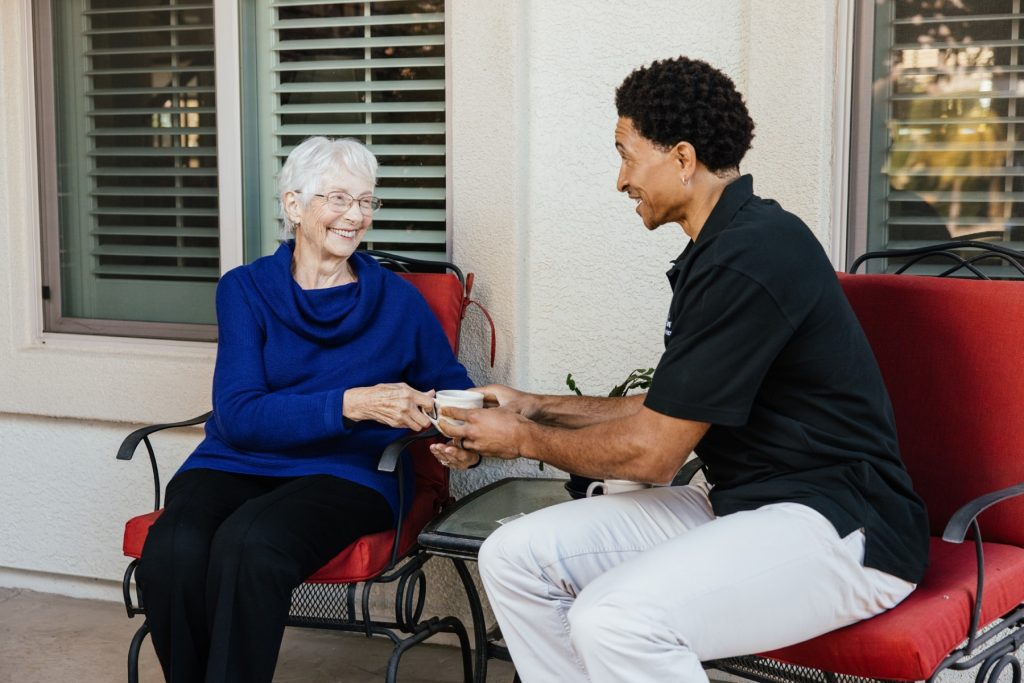
Many seniors are still quite capable; they just need a hand with some personal care tasks. A caregiver can help with:
- Bathing and shower safety
- Dressing and grooming
- Toileting and incontinence care
- Safe transfers from bed to chair or in and out of the car
Handled with kindness and discretion, this support protects both safety and dignity. It can dramatically reduce fall risk, improve hygiene, and help seniors feel more confident at home.
Household Help and Meal Support
A cluttered or poorly maintained home isn’t just inconvenient; it can be risky. Home care can include light housekeeping, laundry, dishes, bed-changing, and simple home organization to keep the space clean and safe.
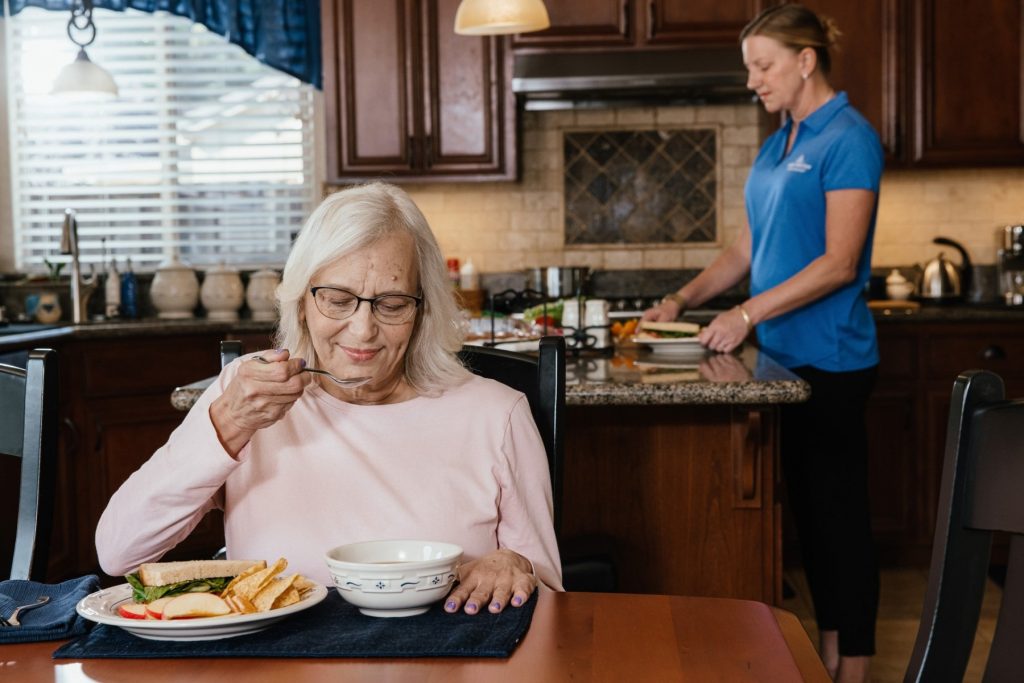
Nutrition is equally important. Caregivers can help with grocery shopping, meal planning, basic cooking, and reminders to eat and hydrate. A simple, regular routine around meals can boost energy, support health conditions, and make daily life feel more stable.
Companionship and Emotional Wellbeing
Independence is about more than physical ability. Emotional and social health matter just as much. Seniors who live alone may feel isolated, especially if driving is no longer an option or friends have moved away.
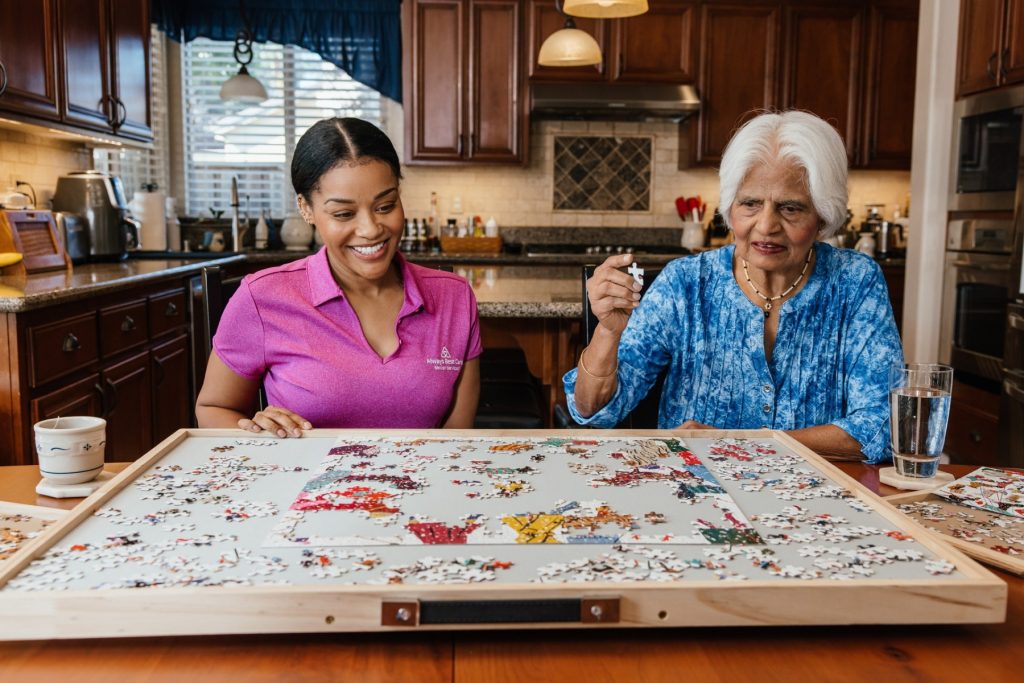
Companion care brings warmth and connection back into the home. Caregivers might share conversation, play games, look through photo albums, go for short walks, or watch a favorite show together. Over time, these relationships provide comfort, reduce loneliness, and keep seniors more engaged with life.
Transportation and Community Engagement in Thousand Oaks
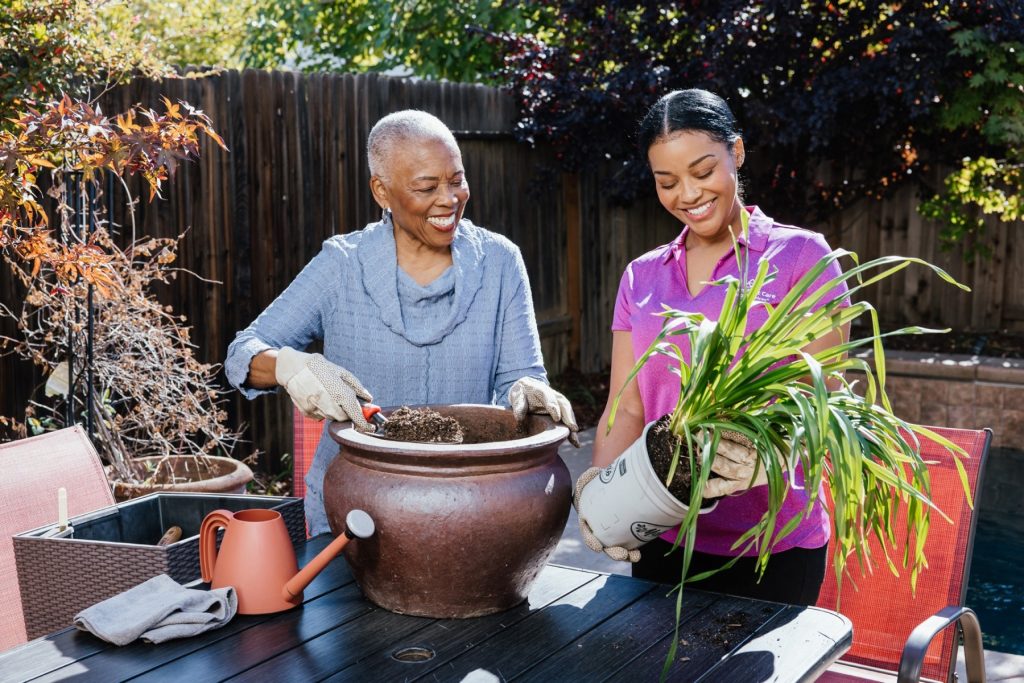
Many seniors in Thousand Oaks love getting out to local parks, senior centers, shops, or their place of worship, but driving isn’t always safe. With home care, they don’t have to give up those outings entirely.
Caregivers can provide or arrange transportation to:
- Doctor and therapy appointments
- Grocery stores and pharmacies
- Social events, community activities, and religious services
By staying active in the community, seniors preserve their sense of independence, purpose, and connection.
Specialized Support for Dementia and Chronic Conditions
For seniors living with dementia, Alzheimer’s, or complex health conditions, home can still be the best place to be, if there’s the right support. Trained caregivers follow consistent routines, maintain a calming environment, and pay attention to safety risks.
They can also help families notice changes, manage challenging behaviors, and find ways to keep the person involved in daily life for as long as safely possible. The goal is always to balance safety with respect for the person’s identity and history.
Flexible Scheduling and Respite for Family Caregivers
Care doesn’t have to be all or nothing. Some families need just a few hours of help each week; others need daily support. Always Best Care of Thousand Oaks offers flexible scheduling that works around work shifts, school schedules, and other commitments.
Respite care is especially important. It gives family caregivers a chance to rest, run errands, or take a much-needed break, knowing their loved one is in good hands. That pause can make the difference between burning out and keeping up the good work with love.
Quality, Safety, and Trust in Home Care
Inviting someone into your home is a big step, and it’s normal to be cautious. Reputable home care agencies carefully screen, train, and supervise their caregivers. They stay licensed, insured, and committed to clear communication with families.
For many families in Thousand Oaks, that professionalism builds the trust they need to feel comfortable moving forward with home care in the first place.
How to Get Started With Home Care in Thousand Oaks
Getting started is usually easier than families expect. The steps often look like this:
- Call the Thousand Oaks office to talk through your situation and questions.
- Schedule a free in-home consultation to discuss needs, preferences, and goals.
- Review a personalized care plan and proposed schedule.
- Meet the caregiver and start visits, with ongoing communication about how things are going.
At every step, families are encouraged to ask questions, share concerns, and tweak the plan until it truly fits.
Aging in Place With Confidence
Aging in place in Thousand Oaks doesn’t have to be a gamble. With the right mix of home care, community connection, and thoughtful planning, seniors can stay in the homes they love while staying safe, supported, and respected.
Always Best Care of Thousand Oaks walks alongside families through that journey, offering personalized support that protects safety, preserves independence, and brings much-needed peace of mind. If someone you love hopes to remain at home, exploring home care may be the most important next step you take together. Reach out to Always Best Care of Thousand Oaks at (805) 691-0586 today to schedule a no-obligation care consultation.
Link to the Markdown File version of the article