
Living Well with COPD in Thousand Oaks: How Seniors Can Manage Symptoms and Stay Comfortable at Home
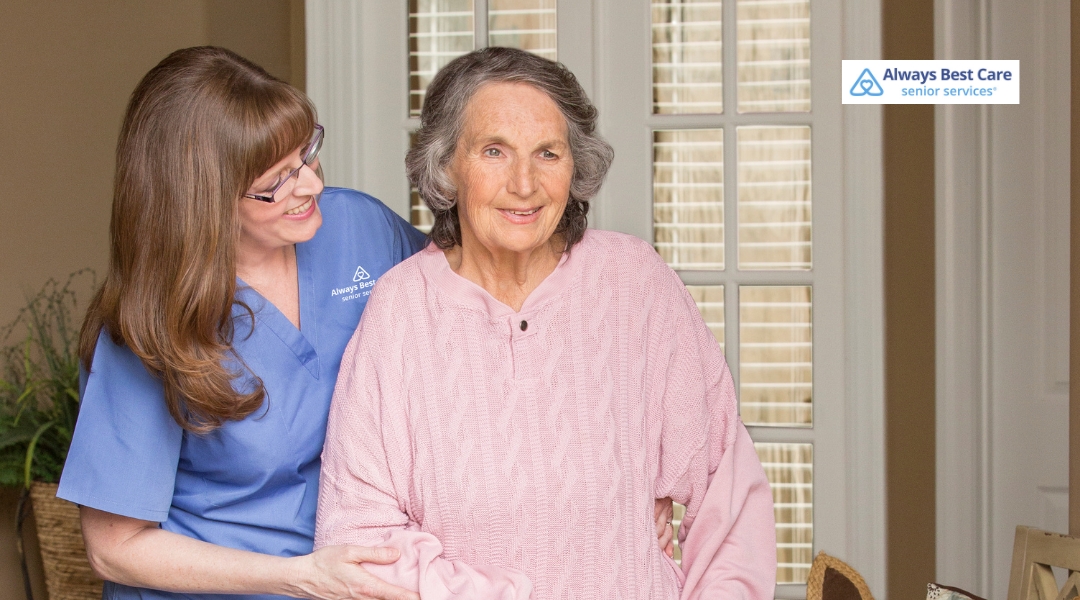
Chronic Obstructive Pulmonary Disease (COPD) is one of the most common long-term respiratory conditions affecting older adults. For seniors in Thousand Oaks, managing COPD at home is not just possible; it can be done well. With the right daily habits, a supportive environment, and trusted care, seniors can breathe easier and maintain a fulfilling quality of life.
This guide is designed to help families and caregivers understand COPD, recognize warning signs, and take practical steps to support their loved ones every day.
What you will learn:
- How COPD affects daily life for seniors and why early diagnosis and a supportive home setup matter.
- Simple ways to adapt the home, daily routines, and activity levels to help seniors breathe easier and stay active.
- How good nutrition, hydration, and stress reduction play into everyday COPD comfort and stability.
- The caring role that Always Best Care of Thousand Oaks can play in supporting COPD management and independence at home.
Table of Contents
Understanding COPD: More Than Just Breathlessness
COPD is an umbrella term for progressive lung diseases, primarily chronic bronchitis and emphysema, that restrict airflow and make breathing increasingly difficult. What makes COPD particularly challenging is that its symptoms often develop slowly, making them easy to dismiss as “just getting older.”
Common symptoms include:
- Persistent cough or wheezing
- Shortness of breath during everyday tasks
- Chest tightness
- Frequent respiratory infections
- Unexplained fatigue or low energy
Early diagnosis and consistent management are critical. The sooner a care plan is in place, the better the long-term outcomes.

Creating a COPD-Friendly Home Environment
For seniors living with COPD, the home environment plays a bigger role than most people realize. Indoor air quality, daily routines, and even furniture arrangement can all affect how well a senior breathes throughout the day.
Steps to improve the home environment:
- Use HEPA air purifiers and replace filters on schedule
- Keep windows open when the outdoor air quality is good
- Eliminate or reduce exposure to strong fragrances, cleaning chemicals, and aerosol sprays
- Vacuum and dust regularly to reduce allergens
- Ensure the home is smoke-free at all times
Small changes like these can significantly reduce the frequency and severity of COPD flare-ups.
Managing Medications and Treatment Plans
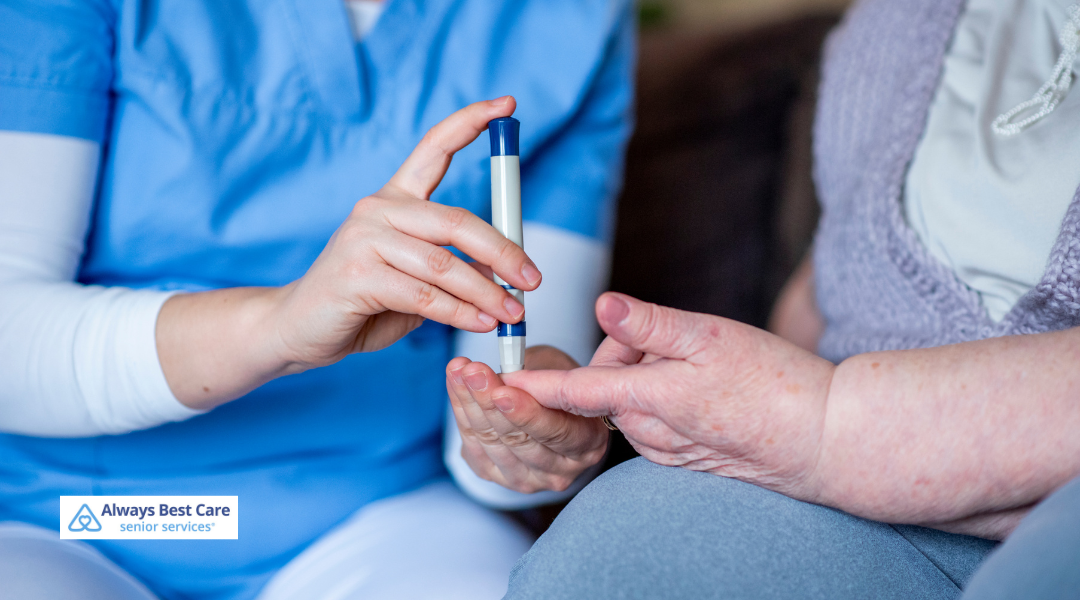
Consistency is everything when it comes to COPD treatment. Seniors are often prescribed a combination of inhalers, bronchodilators, corticosteroids, or supplemental oxygen. Using these correctly and on schedule is essential to keeping symptoms under control.
Caregivers play a vital role here. Providing daily medication reminders, helping seniors use inhalers properly, and tracking any changes in symptoms can prevent minor issues from becoming serious complications.
Staying Active Without Overdoing It
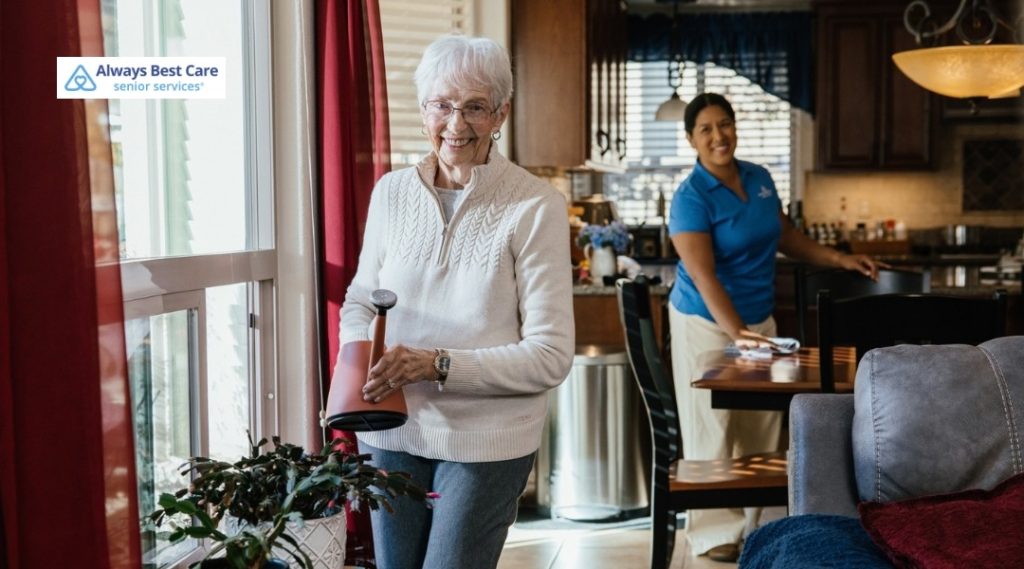
It may seem counterintuitive, but regular physical activity is one of the most effective ways to manage COPD. Movement strengthens the respiratory muscles, improves circulation, and boosts overall energy levels.
The key is choosing the right type and intensity of activity:
- Short, flat walks around the neighborhood or a local park
- Gentle stretching to improve flexibility and reduce muscle tension
- Breathing exercises such as pursed-lip breathing and diaphragmatic breathing, which help control shortness of breath and improve oxygen efficiency
Always consult a healthcare provider before starting or adjusting an exercise routine. Activity should be paced carefully and adjusted based on how the senior feels each day.
Nutrition and Hydration: Often Overlooked, Always Important
What seniors eat and drink directly affects how their lungs and bodies function. Staying well-hydrated helps thin mucus secretions, making it easier to breathe and clear the airways. Dehydration, on the other hand, can worsen symptoms quickly.
A COPD-supportive diet includes:
- Lean proteins to maintain muscle strength
- Fresh fruits and vegetables rich in antioxidants
- Whole grains for sustained energy
- Smaller, more frequent meals to avoid bloating, which can put pressure on the diaphragm
Avoiding processed foods, excess sodium, and carbonated beverages can also make a noticeable difference in daily comfort.

Recognizing Warning Signs Early
COPD symptoms can fluctuate, and knowing when something is off can prevent a minor flare-up from becoming a medical emergency.
Watch for these warning signs:
- Sudden or significant increase in shortness of breath
- Changes in mucus, more than usual, or a change in color
- Fever or chills suggesting a respiratory infection
- Increased confusion or unusual fatigue
- Difficulty completing tasks that were manageable before
When these signs appear, prompt medical attention is essential. Having a clear action plan, including who to call and when to go to the emergency room, gives families peace of mind and seniors a safer path forward.
How Always Best Care of Thousand Oaks Supports Seniors with COPD
Managing COPD is a daily commitment, and no senior should have to do it alone. Always Best Care of Thousand Oaks provides personalized in-home care that helps seniors stay comfortable, safe, and independent without leaving the home they love.
Our caregivers can assist with:
- Medication reminders and symptom monitoring
- Light housekeeping to maintain clean, allergen-free air
- Meal preparation and hydration support
- Encouraging and accompanying seniors during safe physical activity
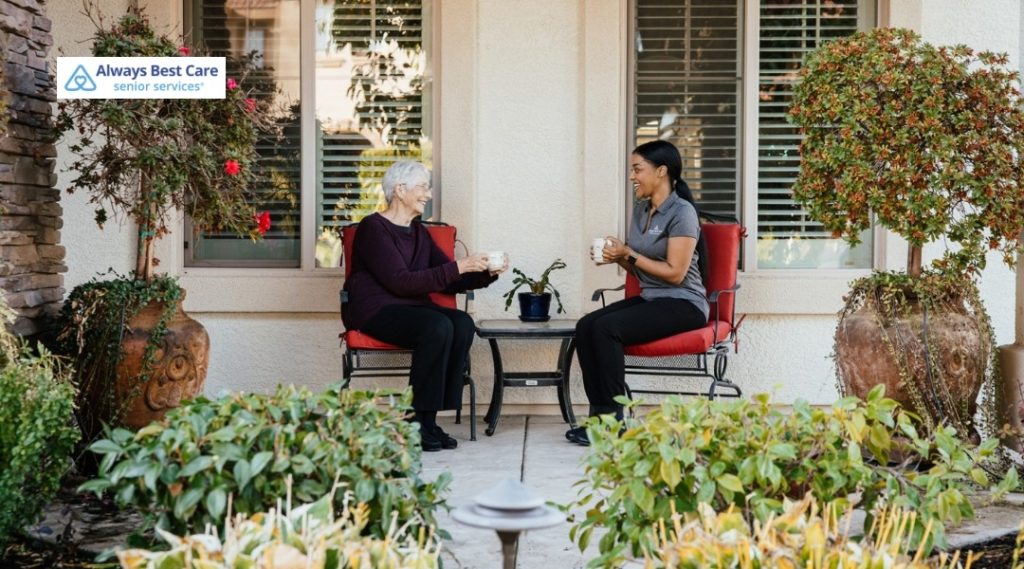
- Companionship to reduce stress, which can trigger flare-ups
- Transportation to medical appointments and follow-up visits
For seniors who need a higher level of support, our home health services connect families with skilled nursing professionals who can coordinate directly with physicians and respiratory specialists.
Frequently Asked Questions About COPD Care at Home
Q: What is the most important thing a caregiver can do for a senior with COPD?
A: Consistency is key. Ensuring medications are taken correctly and on time, maintaining a clean home environment, and watching for early warning signs are the three most impactful things a caregiver can do daily.
Q: Can COPD get better with the right care?
A: COPD is a progressive condition, meaning it cannot be reversed. However, with proper management including medication adherence, lifestyle adjustments, and regular medical care, symptoms can be significantly controlled, and quality of life can be maintained or even improved.
Q: Is it safe for a senior with COPD to exercise?
A: Yes, with the right guidance. Light activity, such as short walks and breathing exercises, is generally encouraged and beneficial. Always consult the senior’s healthcare provider to develop a safe, personalized activity plan.
Q: How does stress affect COPD?
A: Stress and anxiety can trigger shortness of breath and make COPD symptoms feel worse. Companionship, routine, and relaxation techniques can all help reduce stress levels and support better breathing.
Q: When should I call a doctor versus go to the emergency room?
A: Call a doctor if symptoms are gradually worsening or if there are signs of a mild infection. Go to the emergency room if the senior is experiencing severe shortness of breath, bluish lips or fingertips, rapid heart rate, or is unable to speak in full sentences.
From Shortness of Breath to Peace of Mind: Thriving with COPD at Home
Living with COPD in Thousand Oaks doesn’t have to mean giving up independence or comfort. With the right support system in place, seniors can manage their symptoms and continue enjoying daily life at home.
Call Always Best Care of Thousand Oaks today at (805) 563-6440 to schedule a care consultation and learn how our caregivers can support your loved one’s respiratory health and overall well-being.
Link to the Markdown File version of the article