

Elder Abuse Prevention: Protecting Seniors and Promoting Safe, Respectful Care in Thousand Oaks

Elder abuse isn’t just a headline on the news; it’s a real threat that can quietly slip into the lives of people we love most. In Thousand Oaks, many families are doing their best to keep aging parents safe, yet abuse can still occur behind closed doors, in care settings, or even within trusted relationships.
By learning what elder abuse looks like, staying alert to subtle changes, and building a strong support system, we can work together to keep seniors safe, respected, and valued every single day.
What you will learn:
- What elder abuse is, the different forms it can take, and why it can be easy to miss at first.
- How to recognize warning signs and understand the risk factors that can make some seniors more vulnerable.
- Simple ways families can stay involved, reduce isolation, and help protect aging loved ones with steady support.
- What to do if abuse is suspected, including when to document concerns and reach out for help.
Table of Contents
What Is Elder Abuse?
Elder abuse happens when someone harms an older adult or fails to provide the care they need, causing physical, emotional, or financial damage. It isn’t always obvious, and more than one kind of abuse can show up at the same time.
Common forms of elder abuse include:
- Physical abuse – hitting, pushing, rough handling, or improper restraint
- Emotional abuse – yelling, threats, humiliation, intimidation, or isolation
- Financial exploitation – misuse of money, pressure to sign documents, or unexplained withdrawals
- Neglect – not providing enough food, hygiene, medications, or medical attention
- Abandonment or lack of supervision – leaving a senior alone when they clearly need help
Once we recognize that abuse wears many faces, we’re already one step closer to stopping it.

Warning Signs Families Should Watch For
Elder abuse often starts quietly. Something feels off, but it’s easy to brush it aside. Instead of second-guessing yourself, it’s wise to pay attention and ask questions.
Possible warning signs include:
- Unexplained bruises, burns, frequent falls, or repeated “accidents.”
- Sudden mood changes, anxiety, depression, or withdrawal from usual activities
- Poor hygiene, dirty clothing, or an unkempt living space
- Unpaid bills, missing belongings, or unusual bank account activity
- Nervousness, fear, or tension around a certain caregiver or family member
- Changes in sleep, appetite, or communication that don’t have a clear cause
If something doesn’t sit right, trust your gut and look closer. Seniors often feel ashamed, scared, or worried about “causing trouble,” so they may not speak up on their own.
Risk Factors That Increase Vulnerability
Some situations make it easier for abuse to take root, especially when stress or isolation are in the picture. Understanding these risk factors helps families step in earlier.
Common risk factors include:
- Social isolation – few visitors, limited phone calls, or no community involvement
- Cognitive decline – memory loss, confusion, or dementia
- Physical limitations – difficulty walking, bathing, dressing, or managing daily tasks
- Financial dependence – relying on others to handle money or pay bills
- Caregiver stress or burnout – feeling overwhelmed, exhausted, or angry
By facing these challenges head-on instead of sweeping them under the rug, families can lower the risk of abuse and create a safer environment.

Practical Steps Families Can Take to Prevent Elder Abuse
Preventing elder abuse isn’t about being suspicious of everyone; it’s about staying engaged, informed, and proactive. Here are practical ways families can help protect their loved ones:
- Stay involved in daily life – visit often, call regularly, and ask specific questions about care
- Use video chats or scheduled check-ins if you live far away
- Keep an eye on bank statements, bills, and important documents
- Encourage friendships, senior center activities, faith groups, or clubs
- Share caregiving responsibilities so one person doesn’t shoulder everything
- Talk openly about stress and get help before burnout turns into resentment or neglect
Open communication and transparency go a long way in keeping seniors safe and supported.
The Role of Professional In-Home Care in Thousand Oaks
Professional in-home care can be a powerful tool for preventing elder abuse. Trusted caregivers provide support with daily tasks, companionship, and an extra set of eyes on a senior’s well-being.
At Always Best Care of Thousand Oaks, we take elder abuse prevention seriously. We carefully screen, train, and supervise caregivers so families know their loved ones are in capable, caring hands. We focus on:
- Respecting each senior’s dignity, privacy, and independence
- Providing gentle, patient assistance with personal care and household tasks
- Noticing changes in mood, health, or behavior and sharing concerns with families
- Encouraging conversation, laughter, and meaningful daily routines
We work side by side with families, so no one feels they have to manage everything alone.
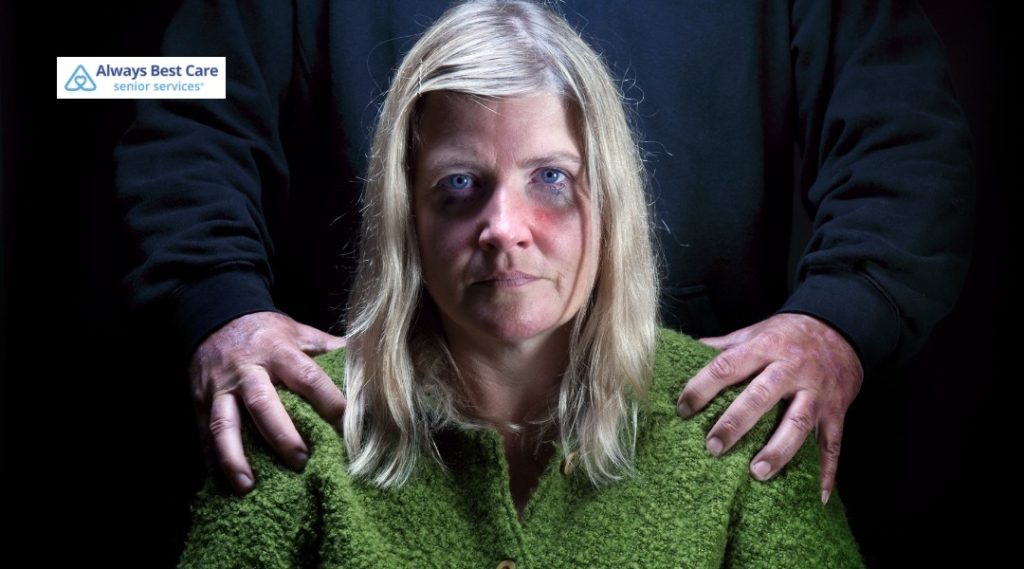
What Should You Do If You Suspect Elder Abuse?
If you think something isn’t right, don’t ignore that feeling. Acting quickly can prevent further harm.
Steps to take:
- Talk privately with your loved one in a calm, safe setting. Ask open-ended questions like, “How are things going with your care?”
- Write down what you see and hear – dates, injuries, statements, and any financial concerns.
- Reach out to professionals, such as:
- Local adult protective services
- Healthcare providers
- Law enforcement, if there’s immediate danger
You’re not “overreacting” by speaking up. You’re standing up for someone who may not be able to stand up for themselves.
Creating a Safer Future for Seniors in Thousand Oaks
Elder abuse prevention is a shared effort – families, friends, neighbors, and trusted care providers all play a part. By staying involved, asking questions, and building strong circles of support, we can help seniors stay safe, respected, and comfortable in their own homes.
At Always Best Care of Thousand Oaks, we’re committed to protecting seniors and promoting safe, respectful care every day. We work closely with families to design care plans that honor each person’s needs, preferences, and life story.
If you’re looking for dependable, compassionate in-home support, we at Always Best Care of Thousand Oaks are ready to help you explore options that support safety, dignity, and peace of mind.

Frequently Asked Questions
Q: What is the most common type of elder abuse?
A: Emotional and psychological abuse are often reported, though neglect and financial exploitation are also very common. Many cases involve more than one type at the same time.
Q: How can I talk to my parent about elder abuse without scaring them?
A: Start gently. You might say, “I care about you, and I want to make sure you always feel safe and respected. Has anyone treated you in a way that made you uncomfortable?” Keep your tone calm and supportive.
Q: Are small bruises always a sign of abuse?
A: Not necessarily. Seniors may bruise more easily due to medications or fragile skin. Still, repeated or unexplained injuries deserve attention and a conversation with a medical professional.
Q: How does Always Best Care of Thousand Oaks help prevent elder abuse?
A: We use thorough screening and training for caregivers, maintain regular communication with families, and encourage caregivers to report any concerns right away so problems are caught early.
Q: What if my loved one refuses to talk about possible abuse?
A: Stay patient, keep visiting or calling, and watch for ongoing warning signs. If you’re still concerned, contact adult protective services or a healthcare provider for guidance.
A Safer Tomorrow for Thousand Oaks Seniors
Elder abuse prevention in Thousand Oaks begins with awareness, but it truly thrives when caring families, neighbors, and professionals work together to protect the people who once protected us. By staying engaged, asking gentle questions, and building a warm circle of support, you can help your loved one feel safer, respected, and genuinely cherished at home.
If you’re feeling unsure, worried, or simply ready for extra support, Always Best Care of Thousand Oaks is here to walk beside you. Reach out at (805) 691-0586 today to schedule a friendly care consultation and explore in‑home care options that prioritize your loved one’s safety, dignity, and peace of mind.
Link to the Markdown File version of the article