
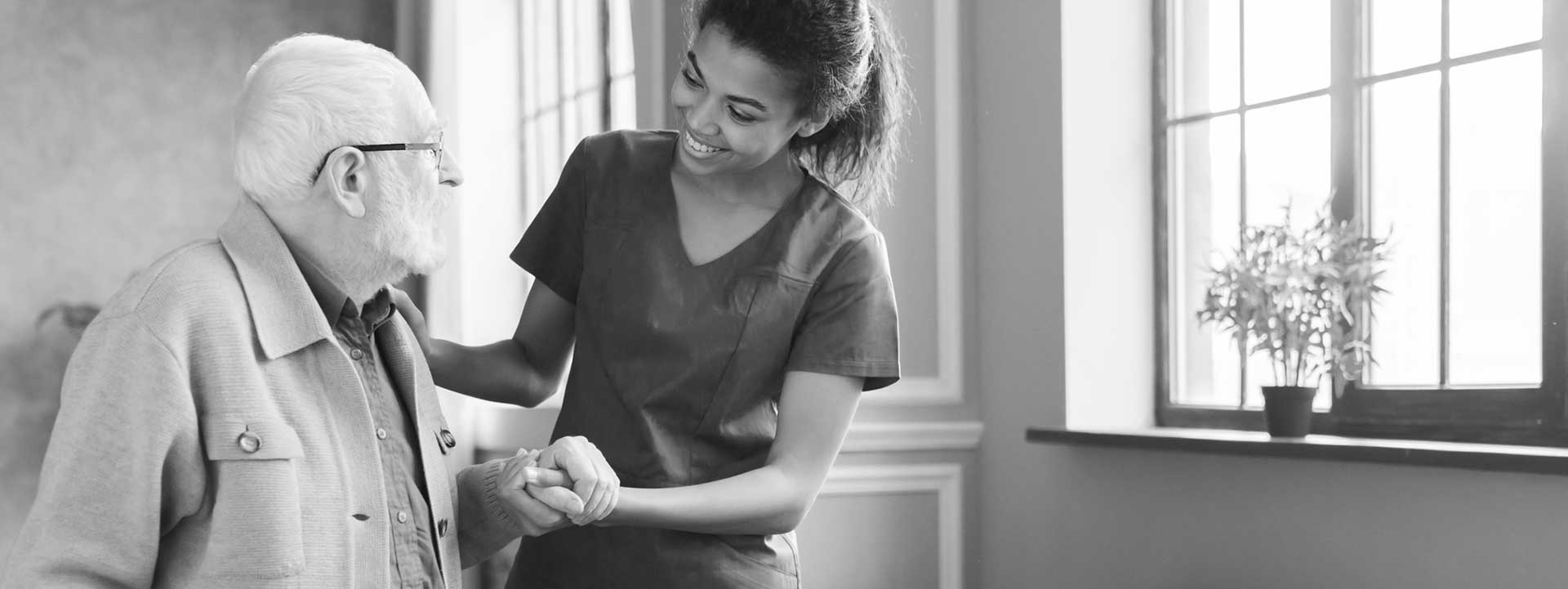
Why Having Something to Look Forward to Matters for Senior Mental Health in Thousand Oaks

Marking a favorite meal or a visit on the calendar can brighten an otherwise ordinary week. For older adults, having that moment in mind may be especially helpful after retirement, the loss of a spouse, or health and mobility changes. If the days start to run together, enjoyable activities and time with others can offer renewed motivation, a sense of fulfillment, and emotional support.
What you will learn:
- Why having something to look forward to can brighten a senior’s day.
- How meaningful hobbies and simple plans can nurture purpose after retirement.
- Ways to help loved ones stay connected through regular visits and shared activities.
- How to balance enjoyable activities with personal preferences and restful moments.
Table of Contents
Why Anticipation Matters for Senior Mental Health
Looking ahead to an event gives someone time to think about it and enjoy the expectation. A family meal, a visit with grandchildren, a community gathering, or a book club can offer something to plan for. Remembering the date, making choices, and sorting out details also exercise thinking skills.
A full calendar isn’t a guarantee against depression or memory loss. Meaningful activities can nonetheless add interest and emotional reward to everyday life.

Finding a New Rhythm After Retirement
Work often supplies structure, responsibility, social time, and a sense of accomplishment. Retirement may offer more freedom, but familiar routines can disappear and leave a gap. Similar adjustments may follow stopping driving, physical challenges, or fewer community activities.
Purpose can come from many places. Some older adults enjoy volunteering, mentoring, religious groups, or family traditions. Others may look forward to tending a garden, caring for plants, learning a skill, or starting a creative project. The best choice doesn’t need to be large; it should feel personally worthwhile and provide a reason to stay involved.
Hobbies in Thousand Oaks Offer More Than Pastime
A favorite interest can bring focus and a chance to learn, create, or solve problems. Cooking a new recipe, sorting photographs, exploring family history, listening to or playing music, painting, woodworking, puzzles, and writing are all options. Doing the activity matters more than doing it perfectly.
If vision, arthritis, or energy changes make a hobby harder, a simpler version may keep it enjoyable. Interests can shift over time, and adjusting the activity can prevent it from becoming a source of frustration.

Build Regular Connection Into the Week
Friends may move, loved ones may pass away, and transportation or mobility can make getting together harder. Regular social plans can help older adults maintain relationships and make new connections. Families might set up:
- A weekly lunch or coffee with a friend
- Visits with grandchildren or other relatives
- A community class or group activity
- Phone or video calls on a regular schedule
- Faith gatherings or volunteer activities
A brief visit can still become something pleasant to anticipate.
Make Space for Small Pleasures and Rest
An outing doesn’t need to be elaborate. A favorite television program, a Sunday phone call, a library stop, or baking at home can make the day feel special. Ask your loved one what they would enjoy and invite them to help choose the plan. That keeps their interests in view and supports independence.
There’s no need to fill every hour. Quiet time matters, and a packed schedule may tire some older adults.

How Always Best Care of Thousand Oaks Can Help
For someone who lives alone or has difficulty leaving home, staying socially active can take extra effort. Family members may be balancing a loved one’s needs with work and other responsibilities.
Our caregivers can offer companionship and practical help, from a ride to a social event to joining an outing, helping with a favorite hobby, or sharing a conversation over coffee. We respect each person’s interests and abilities. Regular company can give older adults a familiar activity to anticipate and make daily routines more enjoyable.
Frequently Asked Questions
Q: What are some simple activities to anticipate at home?
A: A favorite show, a call with family, baking, or a hobby can be a welcome plan without leaving home. Ask the person what they enjoy and adapt the activity to their abilities and energy.
Q: Do meaningful plans guarantee better memory or mood?
A: No. Activities don’t guarantee protection from memory loss or depression, though meaningful experiences can make days more interesting and rewarding. Families can talk with a health professional about concerns related to mood or memory.
Q: How can relatives support purpose after retirement?
A: Ask what feels meaningful, then offer help with a volunteer activity, family tradition, hobby, or other interest the older adult chooses. The activity can be simple; personal meaning is what counts.
Q: How busy should the calendar be?
A: There isn’t one right amount of activity. Include breathing room for rest, and scale back if plans become tiring.

A Little to Look Forward to, a Lot to Smile About
Everyday life can feel richer with a reason to look ahead, whether that’s a familiar visit, a hobby, or a small outing. In Thousand Oaks, families can help older adults keep relationships, purpose, and enjoyable routines in reach while leaving room for quiet. The best plans are the ones that feel welcome to the person taking part.
If your loved one could use companionship and help staying connected, call Always Best Care of Thousand Oaks at (805) 691-0586 to discuss a care consultation.
Link to the Markdown File version of the article